The future leadership of Hungary’s National Film Institute (NFI) has become uncertain following the recent change in government, as the mandate of film commissioner Csaba Káel is tied to that of the prime minister.
In a statement, the NFI said it would refrain from undertaking new long-term financial commitments during the transition period, while continuing to ensure the uninterrupted operation of Hungary’s film industry. Káel will remain in his position and carry out his duties until the new government is formally established.
According to the institute, day-to-day operations are overseen by CEO Ákos Pál, who has so far worked under Káel’s professional guidance. No official information has yet been released regarding potential structural or leadership changes at the organization.
Over the past decade, Hungary has emerged as a key film production hub in Europe, supported by expanded studio capacity and a growing number of international co-productions. The NFI highlighted significant achievements in recent years, noting that the volume of Hungary’s film industry has increased fivefold, now exceeding 300 billion forints annually and providing employment for around 20,000 people.
Since 2020, more than 90 feature films and 500 television productions have been completed, with 44 works selected for A-category international festivals and 14 awards won. Revenues from domestic and international film distribution surpassed one billion forints in 2025 for the first time, while audience figures have also reached record levels, with some productions attracting over one million cinema viewers or a similar number of television viewers.
The institute also pointed to a 22 per cent expansion in studio capacity, the restoration of around 200 Hungarian films, and the growth of the Filmio platform to 1,200 titles, generating approximately 300,000 streams annually.
Káel previously described 2023 as a milestone year for the sector, with total film industry spending approaching 1 billion dollars, a fivefold increase since 2018. He also emphasized that, following approval from the European Commission, Hungary’s film support system is secured until the end of 2030, continuing to attract major international productions.
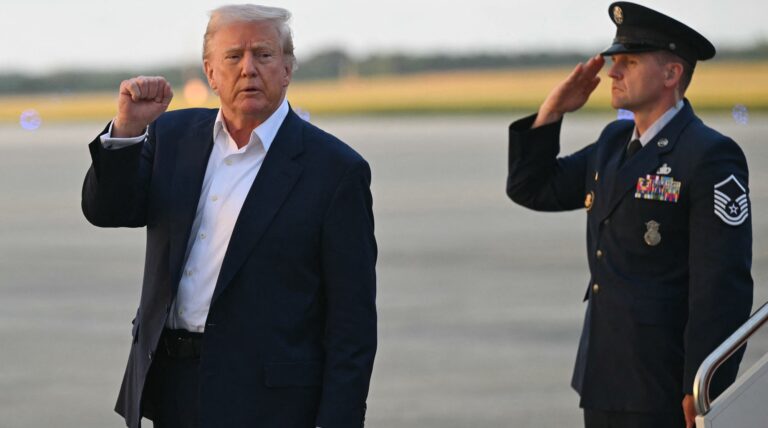
At the same time, global developments could influence the sector’s outlook. In the United States, President Donald Trump has appointed high-profile figures such as Sylvester Stallone, Mel Gibson and Jon Voight to roles related to revitalizing Hollywood. He has also proposed a 100 per cent tariff on productions made outside the United States, a move that could have implications for international filming locations, including Hungary.
Despite these uncertainties, Káel previously noted that Hungarian studios remain fully booked with both domestic and international productions. He added that any potential US tariffs affecting the global film industry would likely take time to implement, allowing ongoing collaborations with major productions to continue in the meantime.
As Hungary’s film sector enters a new political phase, its recent growth and international integration provide a strong foundation. However, the direction set by the incoming government will be crucial in determining whether this momentum can be sustained.
Related articles:
At a time when public debate is increasingly polarized and superficial, Hungarian Conservative remains committed to depth, intellectual honesty, and independent conservative thought.
Producing high-quality journalism requires resources. Your contribution helps us expand our coverage, reach new audiences, and keep our content accessible.

Please consider supporting our mission.