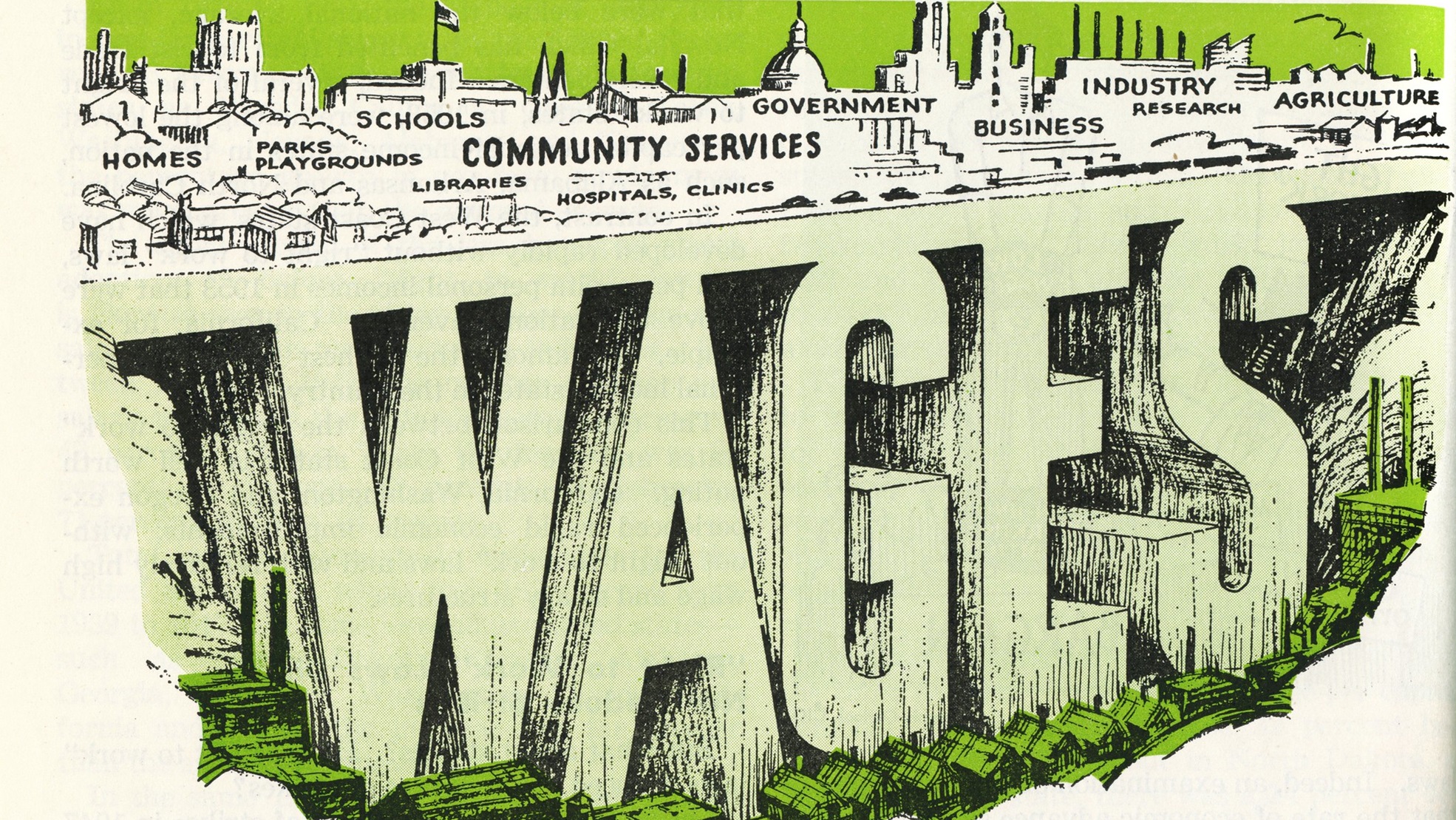
Hungarian wage growth slowed considerably in June, coming in below analysts’ expectations and raising questions over whether the deceleration will prove temporary or become a longer-term trend. At the same time, falling inflation has contributed to a strong increase in real wages, supporting household consumption, which remains one of the key engines of economic growth, Hungary Today reports.
According to the latest figures from the Central Statistical Office of Hungary (KSH), full-time employees earned an average gross monthly wage of 754,700 HUF ($2,400) in June. Meanwhile, the average net wage stood at 529,700 HUF ($1,685). Compared to the same month last year, average gross earnings increased by 7.1 per cent, while net wages rose by 9.4 per cent. Real wages were up 7.6 per cent year-on-year.
The figures came as an unexpected negative surprise for ING Bank’s chief economist, Péter Virovácz.
In comments sent to MTI, he noted that the 7.1-per cent annual increase in average gross wages represented a marked slowdown from May and was the weakest rate recorded since 2021.
Dávid Németh, senior analyst at K&H, argued that private-sector wage developments provide a clearer picture of this year’s underlying trend, as severance payments have distorted the overall figures. Net wages in the private sector increased by less than 9 per cent in June. While this remains substantial growth, it is notably below the double-digit increases recorded in previous months.
Median earnings have been increasing at a pace close to the rise in the minimum wage, although slightly faster. According to Virovácz, this indicates that the compression of wage differences remains a significant factor in the labour market.
Despite the slowdown in nominal wage growth, purchasing power continues to expand strongly.
Combined with relatively high consumer confidence, this provides a favourable environment for further growth in household consumption. Lower-than-expected inflation has played an important role in maintaining the rapid increase in real wages.
For 2026 as a whole, ING analysts continue to forecast average wage growth of approximately 9–10 per cent, meaning the June slowdown has not yet fundamentally changed their expectations for the year. The development of wages this year will also be heavily influenced by the increases introduced in January, when the minimum wage rose by 11 per cent and the guaranteed minimum wage by 7 per cent.
Attention is already beginning to shift toward next year, however. The current three-year wage agreement is due for revision, and ING analysts expect the next increase in the gross minimum wage to be considerably more modest. They would not be surprised to see a low single-digit percentage increase, well below the double-digit raises that have become common in recent years.
Read next:
At a time when public debate is increasingly polarized and superficial, Hungarian Conservative remains committed to depth, intellectual honesty, and independent conservative thought.
Producing high-quality journalism requires resources. Your contribution helps us expand our coverage, reach new audiences, and keep our content accessible.

Please consider supporting our mission.