
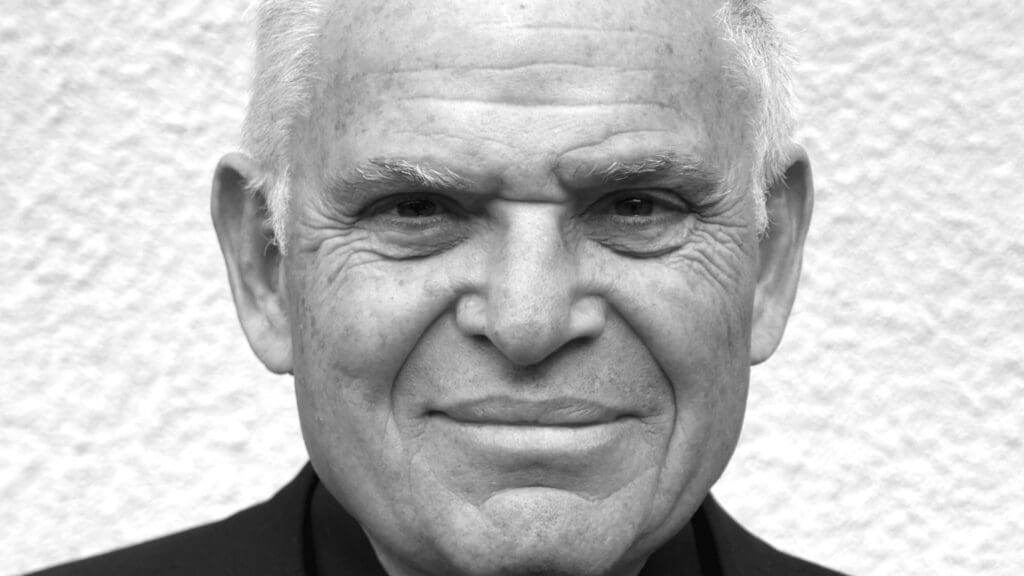
Edward Nicolae Luttwak is an American strategist of Transylvanian extraction whose works give a valuable insight into the logic of confrontation between adversaries. His framework is useful for understanding the dynamics of any conflict, be it a clash between two palaeolithic tribes, a full-scale war or a street fight.
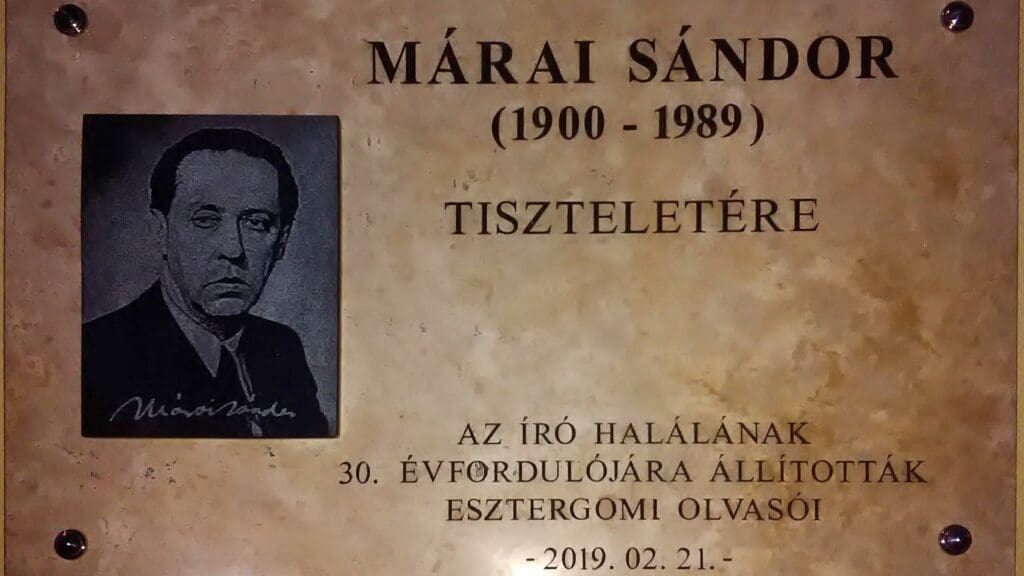
The life and works of Sándor Márai, a prolific Hungarian writer and intellectual, serve as an example for conservatives everywhere, urging them to protect their nationhood and oppose totalitarian ideologies.
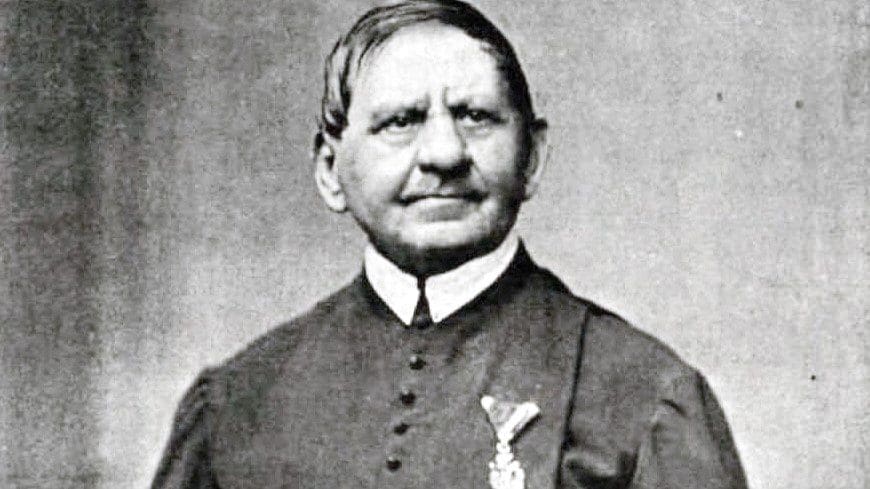
Else then a faithful Catholic and an exceptional scientist, Jedlik was also an ardent patriot. Even prior to the enactment of the law that established the Hungarian language as the language of public education, he extensively used Hungarian during his lectures, and Hungarian technical terms in his scientific work, enriching the Hungarian language with a new scientific vocabulary.
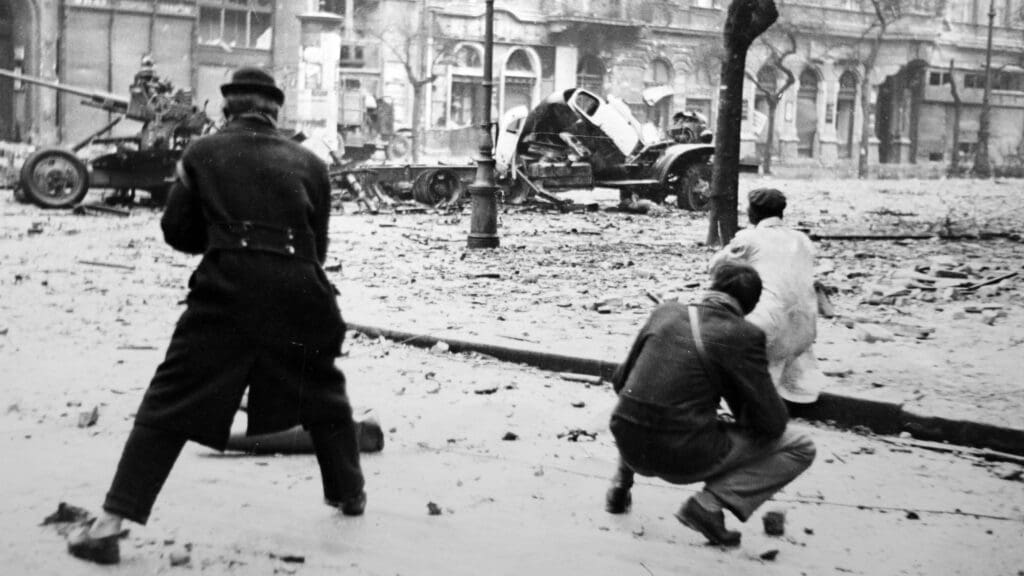
A recently released Russian history textbook defaming the Hungarian 1956 Revolution and Freedom Fight has caused serious public uproar in Hungary, with many on the right and the left denouncing it as a falsification of history.
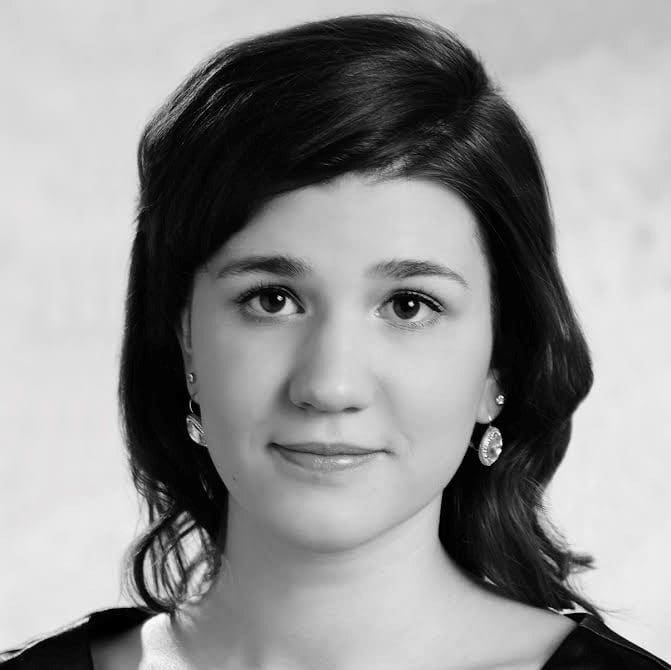
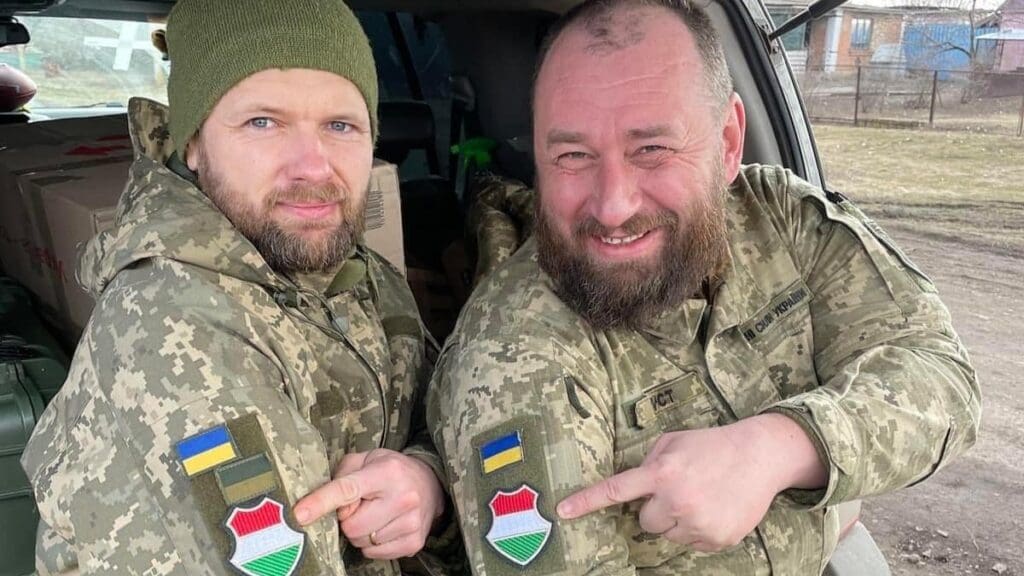
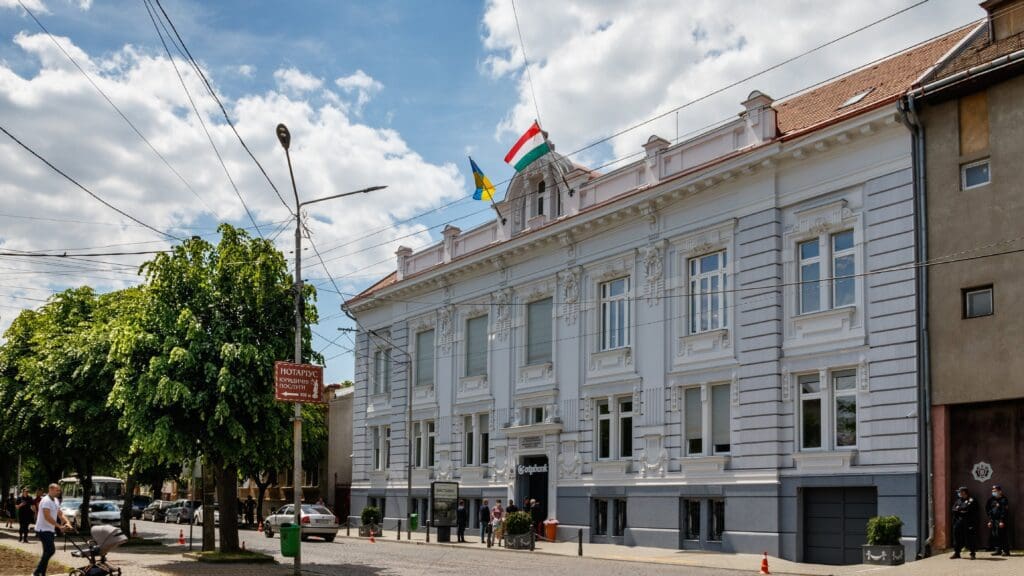
The new ambassador to Hungary, Sándor Fegyir (in Ukrainian: Федір Федорович Шандор) was born in Ungvár (Uzhorod) into a Hungarian Ukrainian family in 1975. A sociologist and university professor, he volunteered to fight for his country when Ukraine was invaded by Russia, and he has been on the front ever since as the leader of the so-called ‘Tanscarpathian Dragons’ unit.
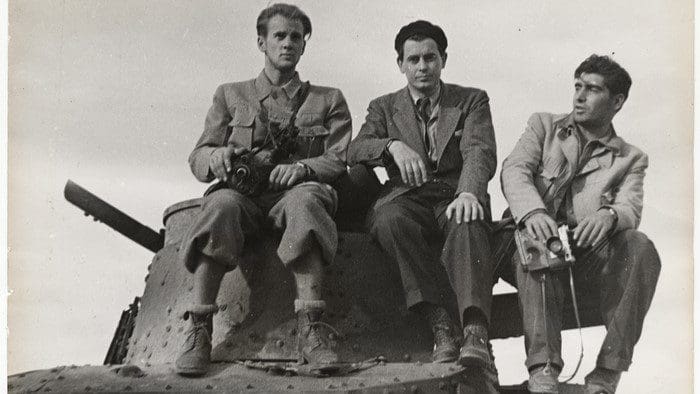
The birth of an ever-changing art, modern photojournalism is linked to a world-famous Hungarian: Robert Capa. A permanent exhibition in Budapest introduces visitors to his exceptional life and work.
Contrary to what one might expect, Ukrainian media outlets have not shown support for the recent provocative appointment of Marija Pauk as head of the II. Rákóczi Ferenc school in Transcarpathia.
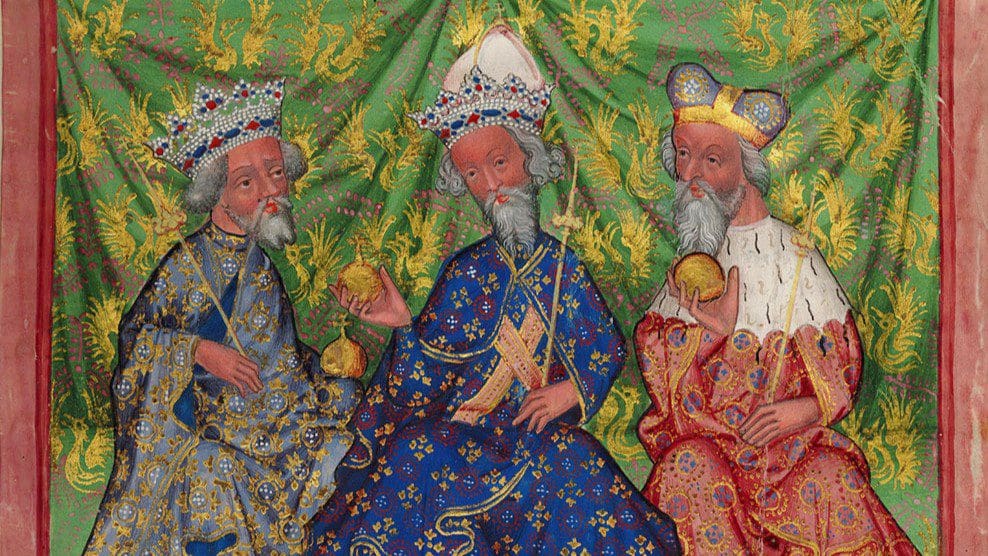
Czech toponyms that include the adjective ‘Hungarian’ allude to the historical, centuries-old relationship between Hungary and Czechia that has not always been perfect, but nonetheless close. This is a region where the fates of the two countries were intertwined for a long time—the Bohemian–Hungarian frontier.
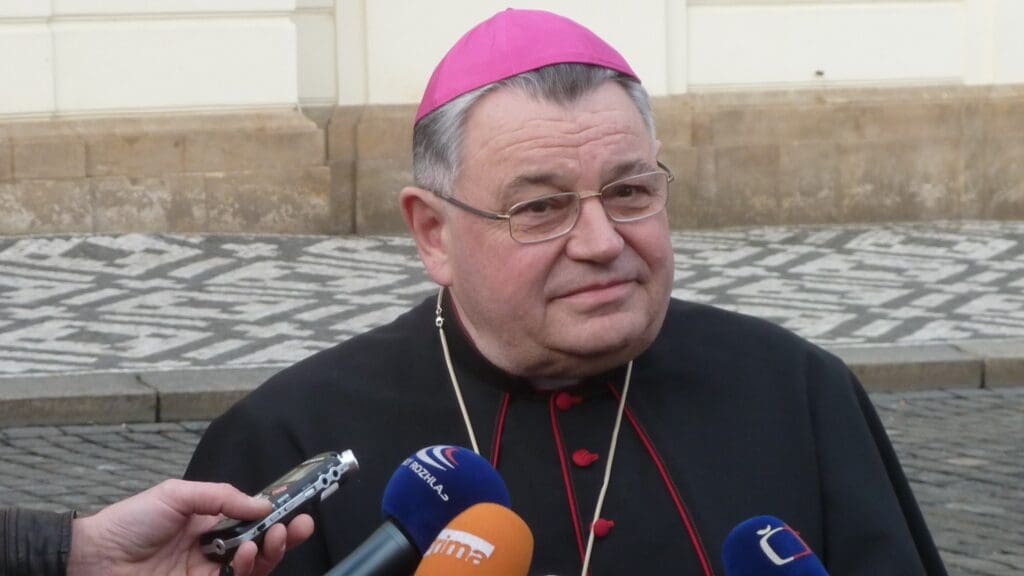
The spirit and dedication to God of Cardinal Duka were not broken when in prison as an underground clergyman—he kept conducting masses for his prison mates that he disguised as occasions of a chess club. A couple of years ago, in an interview with Mandiner, he said: ‘My personal experience is, as someone who also suffered imprisonment for the sake of justice, is that the question often arises: “who is really the prisoner?”. It was not clear whether it was us or those who were looking at us from the other side of the bars.’
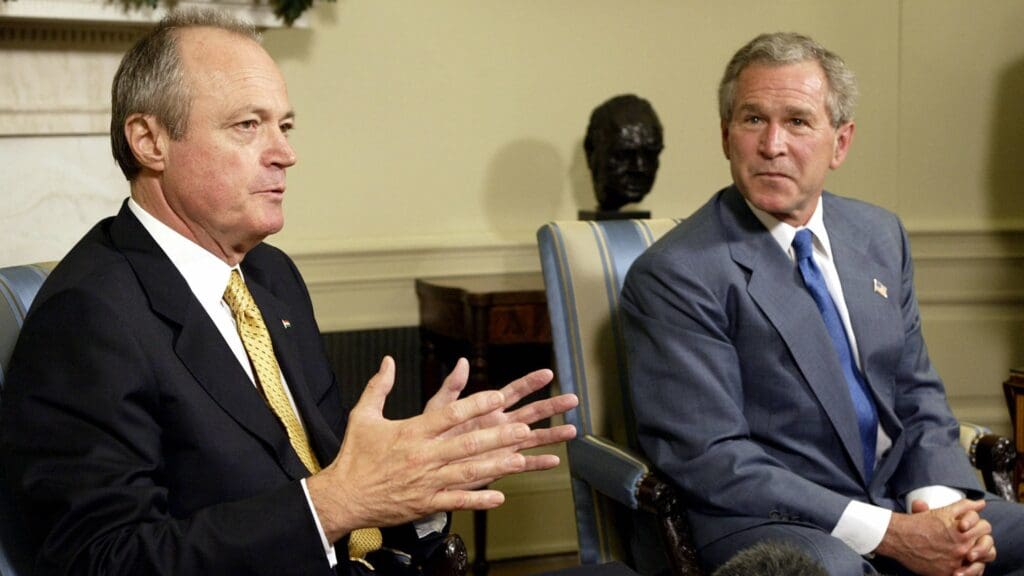
Socialist Prime Minister Péter Medgyessy resigned on 19 August 2004, partially due to his engagement in counter-espionage for the communist regime being exposed by the newly independent and free media.

At a time when public debate is increasingly polarized and superficial, Hungarian Conservative remains committed to depth and independent thought.
Donate Now
Please consider supporting our mission.