

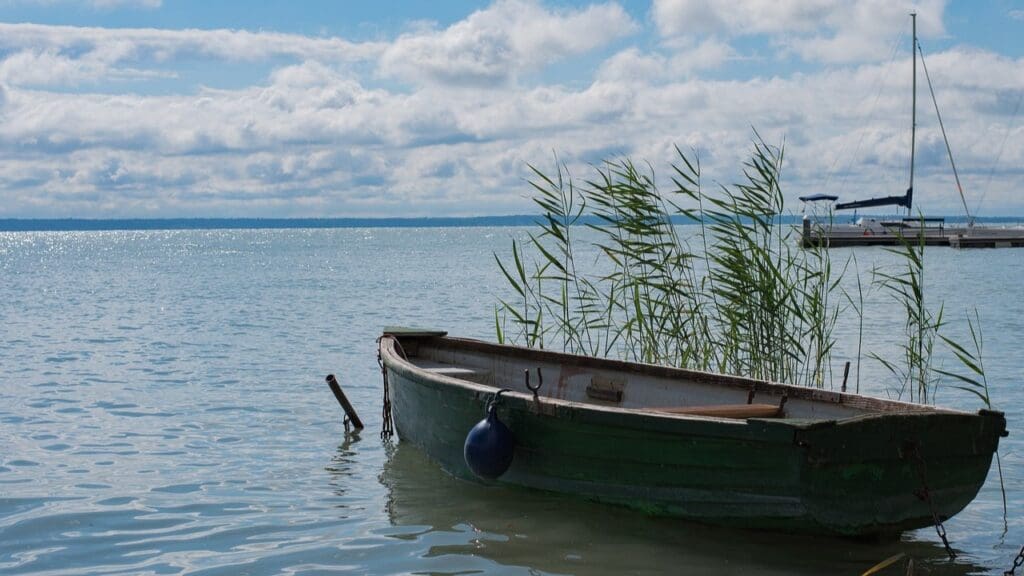


With the arrival of the summer season, it has become highly disputed in the Hungarian press whether Lake Balaton tourism is decreasing or growing.
Scruton’s motive behind writing the book was to elucidate conservative ideas that were often misunderstood during that period. One of the catalysts for the author’s decision to put his thoughts about conservatism in writing was the French protests of 1968 and the subsequent marked shift to the left within academia.
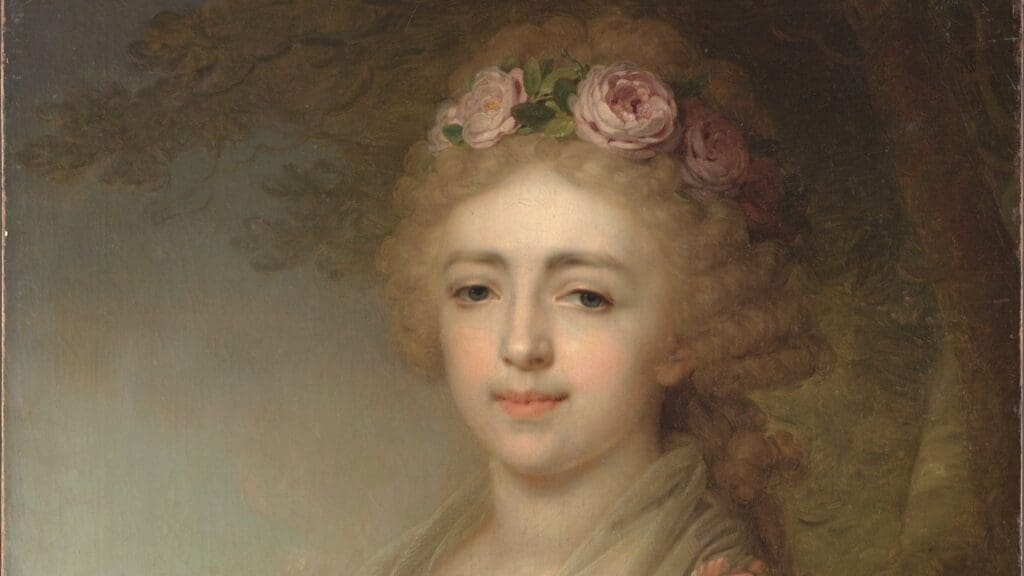
According to legend, it was Grand Duchess Alexandra Pavlovna who recommended the inclusion of the colour green in the Hungarian flag, as a symbol of hope.
On 12 July, one day after the correction issued by the Ukrainian foreign ministry, some Ukrainian media, including the English language Kyiv Independent, were still posting articles about WizzAir having removed ‘a Ukrainian war veteran’ from its flight. Obviously, the fake news was too conveniently painting a negative picture of Hungary to be just let go by the unapologetically anti-Hungarian Ukrainian press.
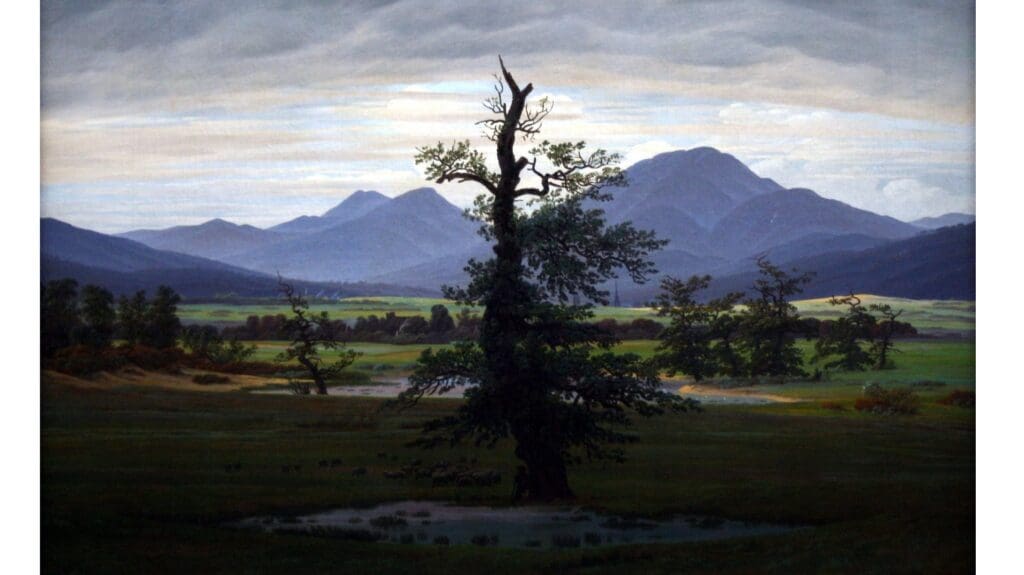
Albeit wrongly associated with the political left most of the time, green philosophy is integral to conservatism too. The late, great Roger Scruton believes that environmental protection should be based on one’s love for their local territory and community, and be dictated top-down through a globalist agenda.
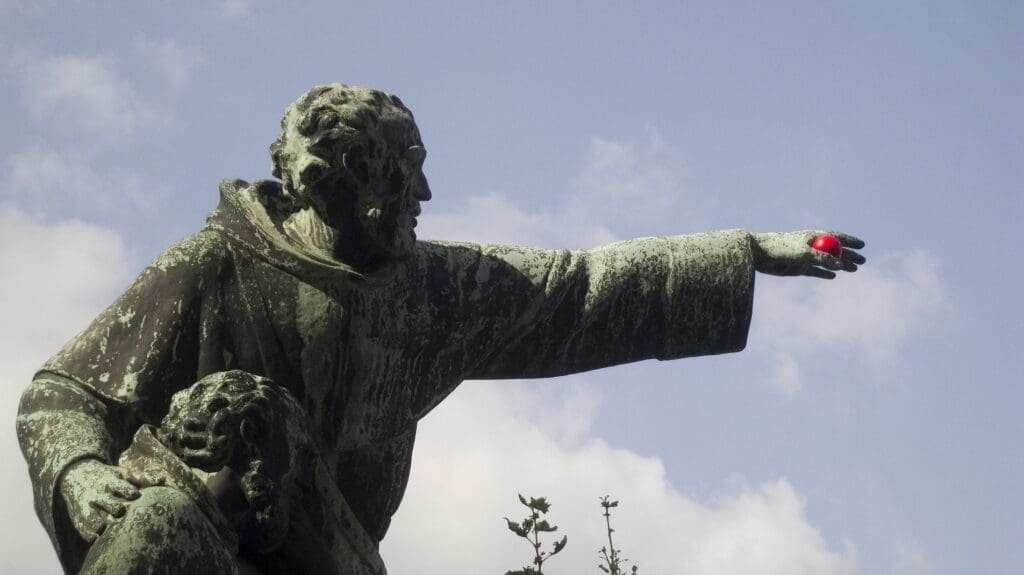
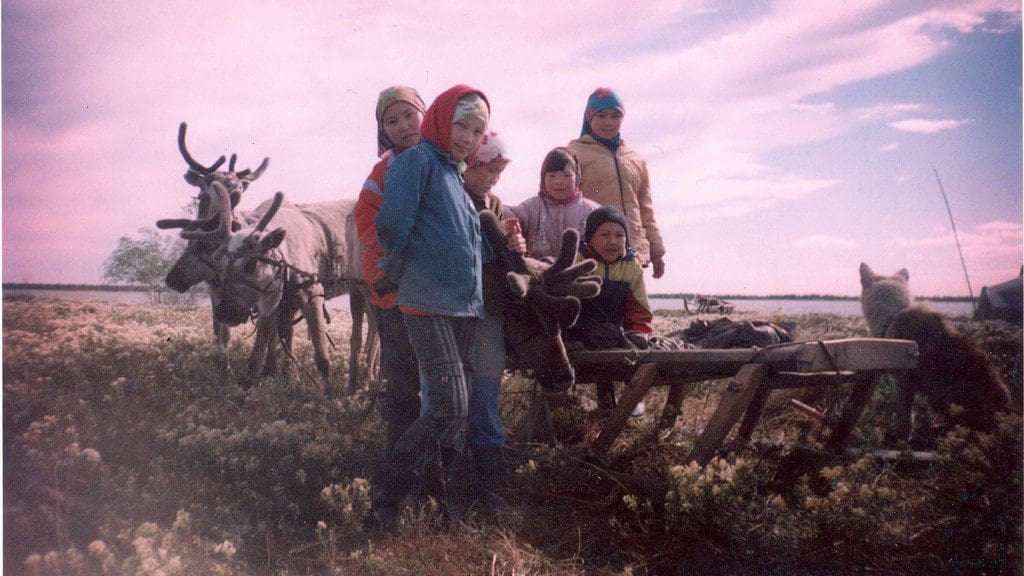
The quest to find the ancestral homeland of Hungarians has inspired ventures into the far East for many centuries. The most famous ones were made by Friar Julian in the 13th century. How much of what he purported to have found has been backed up by modern science?
According to the subdivisions within the Uralic language family (also known as Finno-Ugric, if the Samoyedic languages are excluded) Hungarian is indeed related to the relatively widely-spoken Finnish and Estonian languages, even though the Hungarian language belongs to a different branch of the Uralic ‘tree’ than the aforementioned two. Rather than being part of the linguistic continuum of its Northern European kin on the Baltic shores, Hungarian shares stronger linguistic connections with the distant Khanty and Mansi, living as far from Hungary as Western Siberia.
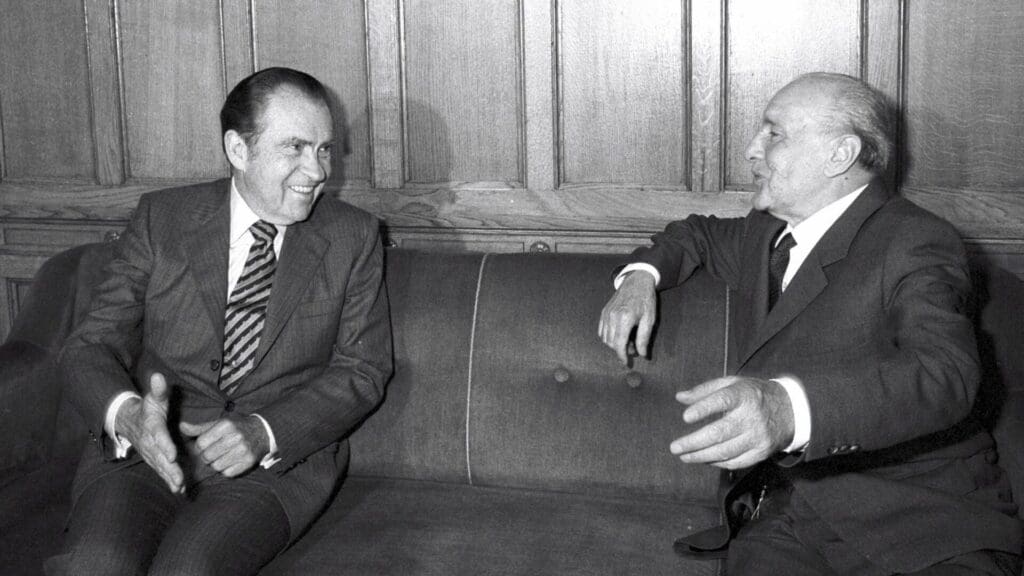
This piece provides an overview of the ‘Goulash communism’ times of Hungarian history, while attempting to answer the question: why do some Hungarians appear to be nostalgic about the Kádár era?
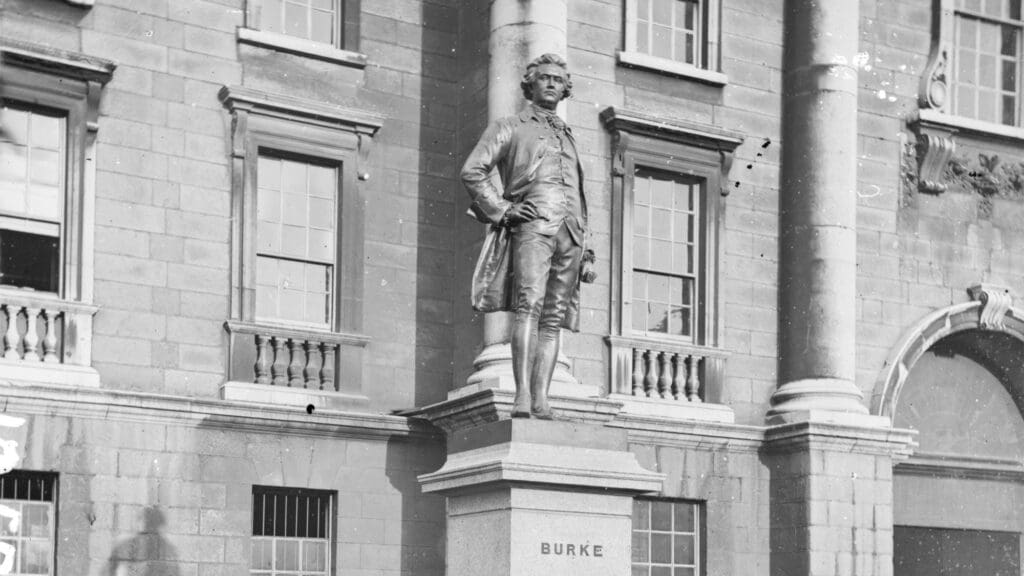
Burke’s work conveys a deep message for modern societies: ‘…it is with infinite caution that any man ought to venture upon pulling down an edifice which has answered in any tolerable degree for ages the common purposes of society.’
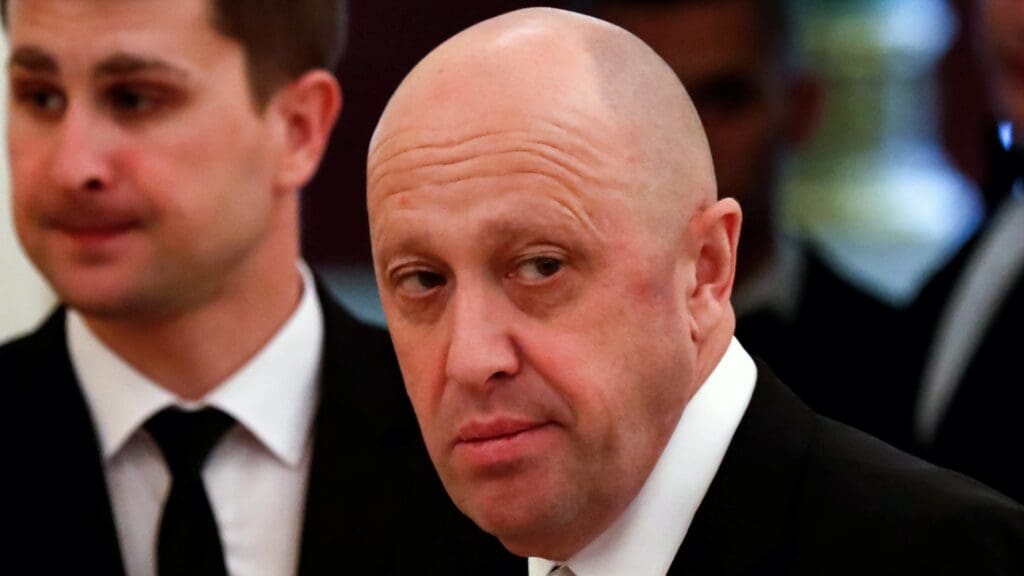
Although some celebrated Prigozhin’s mutiny as the weakening of Putin’s Russia, it is important to remember that Prigozhin would not have brought about a ‘better or more democratic Russia’, only an even bloodier war.

At a time when public debate is increasingly polarized and superficial, Hungarian Conservative remains committed to depth and independent thought.
Donate Now
Please consider supporting our mission.