

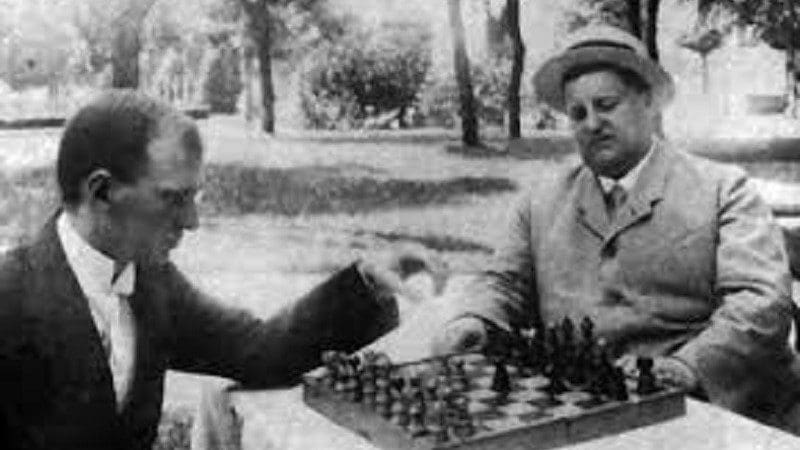


István Abonyi, the decorated Hungarian chess player, laid the foundations for Hungary becoming one of the most successful chess nations in the world.
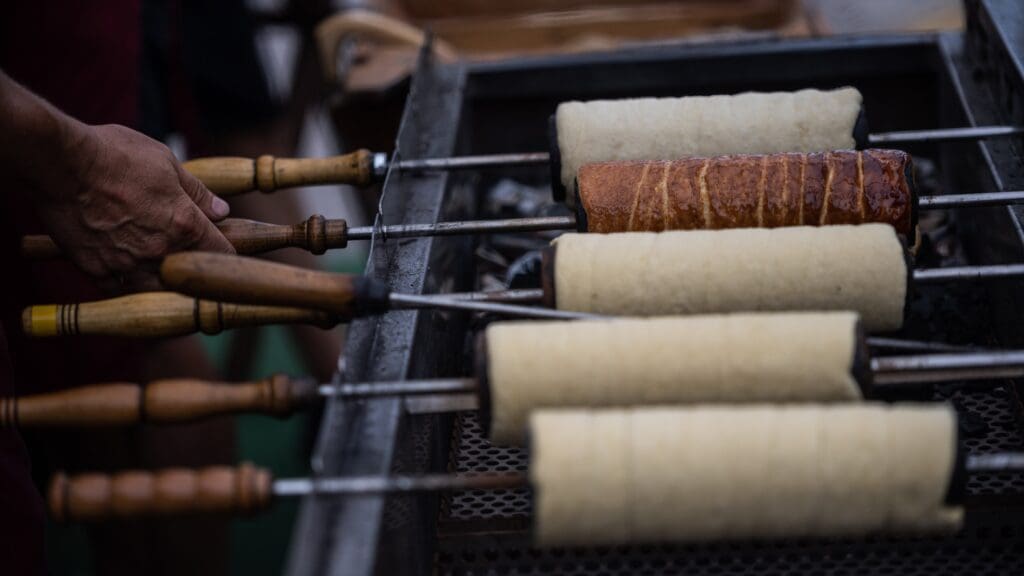
The most mouth-watering traditional Hungarian food, the kürtőskalács inspired many regional spit cake varieties.
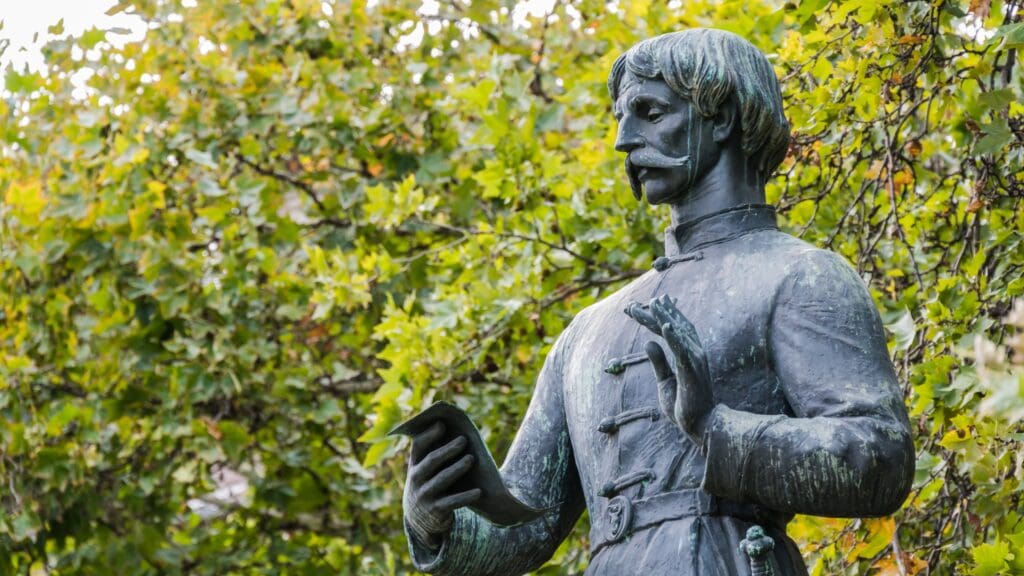
Baron Bálint Balassi de Kékkő et Gyarmat is celebrated as the pioneer of Hungarian romantic poetry, a valiant soldier, a daring lover and an accomplished polyglot. His life and achievements embody the true spirit of the Renaissance, and read like a tale of romance, valour, and fighting spirit.
The upcoming celebrations on 20 August centre around one of the most magnificent buildings in Budapest: Saint Stephen’s Basilica. That is also where The Holy Dexter, the right hand of Saint Stephen, the first king of the Kingdom of Hungary, is kept.
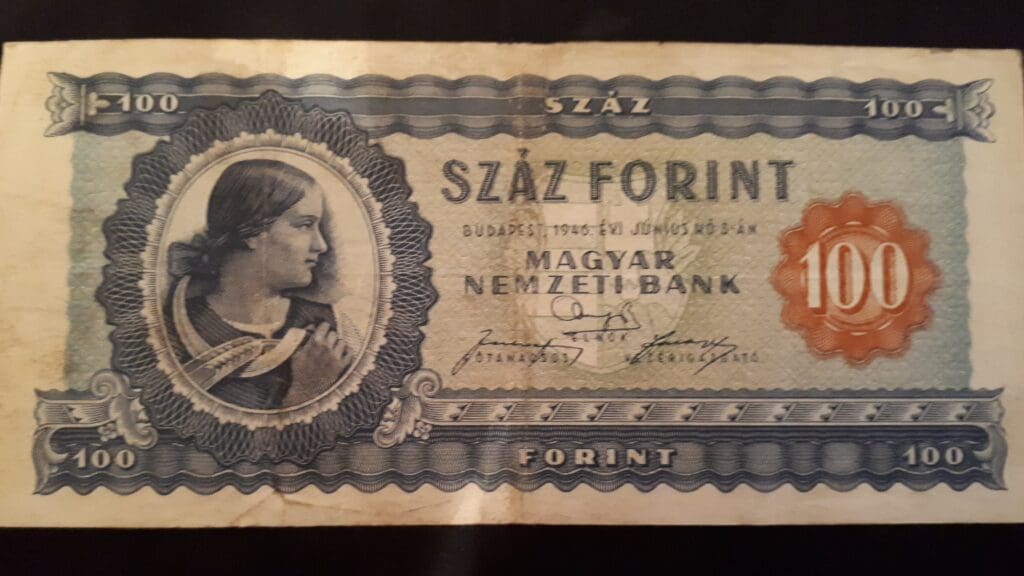
The Hungarian currency, the forint celebrates its 77th birthday on 1 August. But in reality, the forint’s history can be traced back to as long ago as the 1320s.
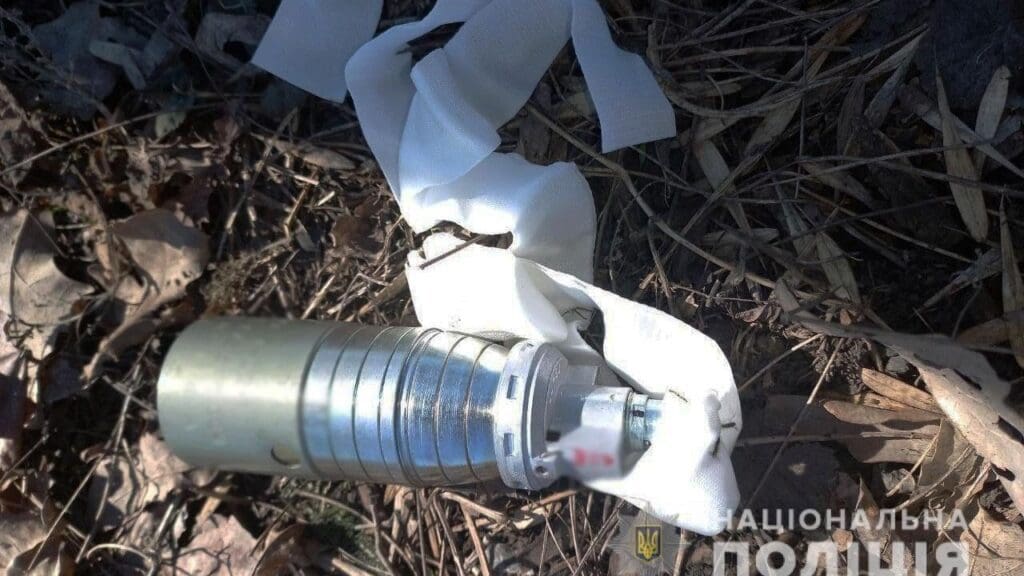
Unlike ‘unitary’ bombs, cluster munitions are not single shells; instead, they consist of a dispersive mechanism that releases numerous grenade-like bomblets mid-air, designed to explode upon impact. However, many of these smaller submunitions fail to detonate upon landing, remaining in the ground for extended periods, posing a threat to the civilian populations be they farmers, children playing or any passers-by.
Today we still often think of war in the Clausewitzian terms, as of the ‘continuation of politics by other means’, conducted by one state against another. However, as argued by Mary Kaldor, many armed conflicts have acquired a completely different, de-politicised nature, becoming a new social condition.
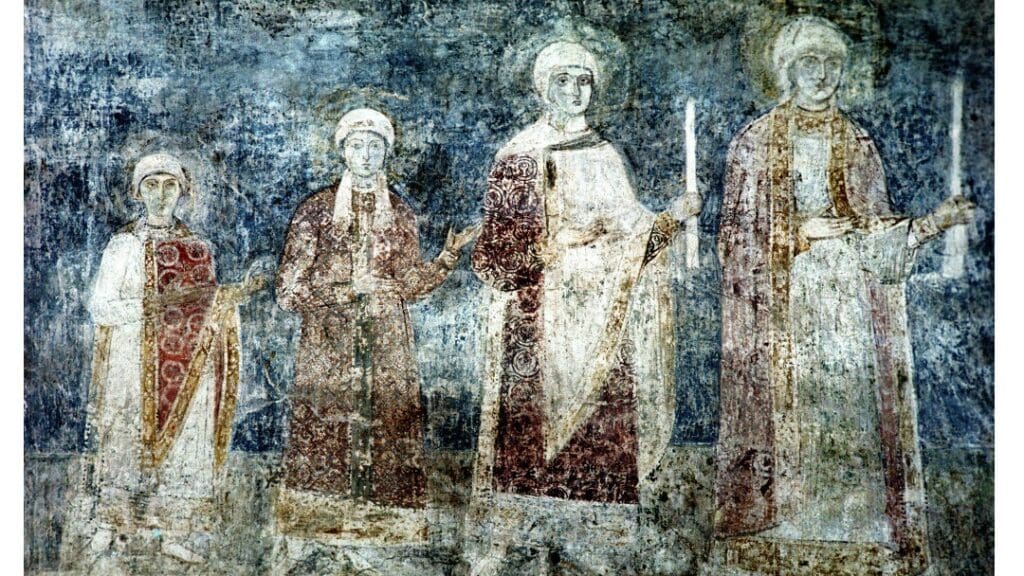
Anastasia of Kiev married Hungarian King Andrew I around 1038, before he took the throne and while he was still in exile. She was later involved in the establishment of one of the most renowned monasteries of Hungary, the Tihany Abbey, and is also featured in one of the most famous Hungarian historical paintings.
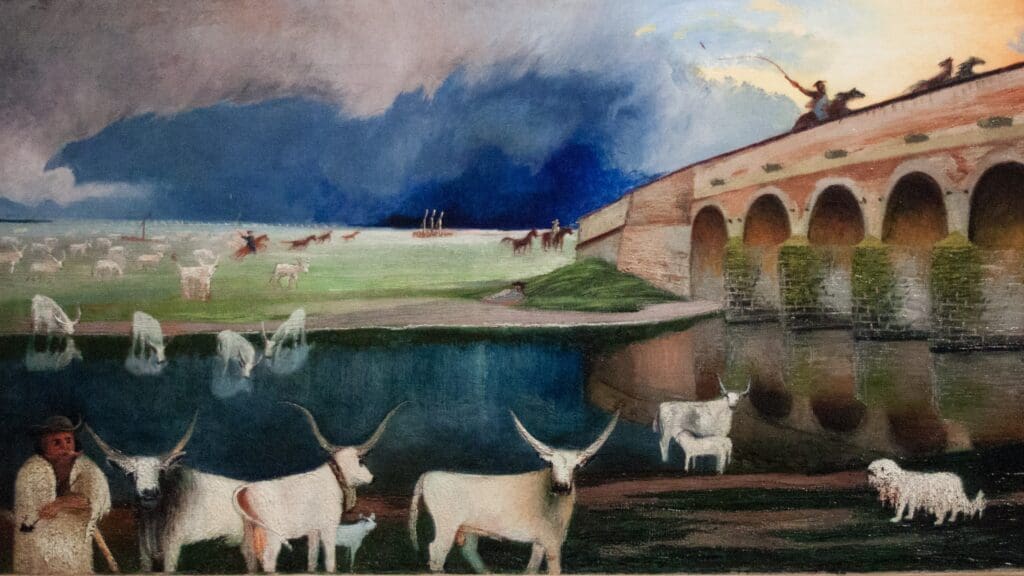
Throughout its history, Hungarian animal husbandry has selectively bred and nurtured animals that now stand as iconic representations of Hungarian peasant and pastoral culture.
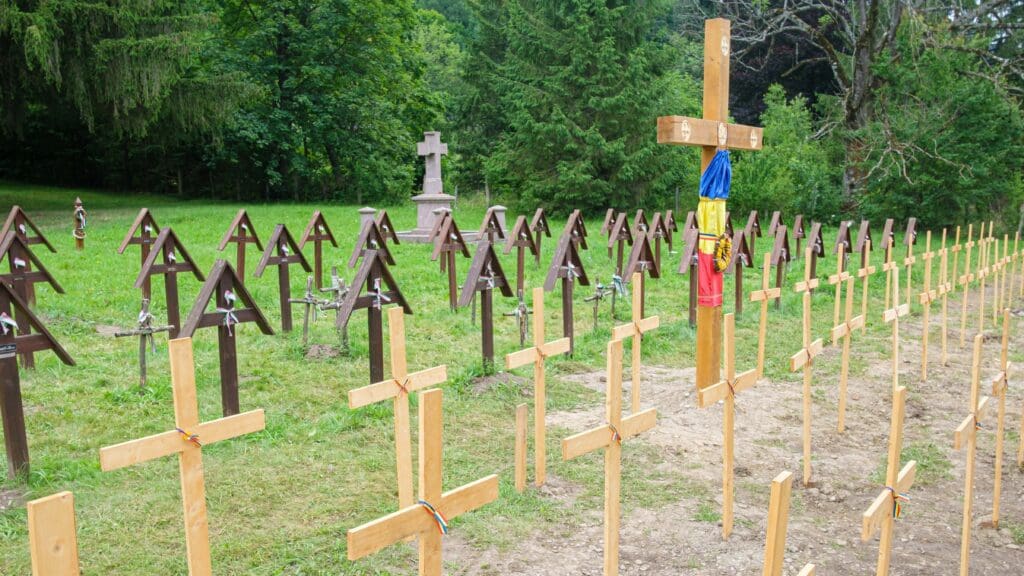
After the recent repeated defiling of the Úzvölgy military cemetery, Hungarians in Romania are now bracing themselves for another provocation in Tusványos.

At a time when public debate is increasingly polarized and superficial, Hungarian Conservative remains committed to depth and independent thought.
Donate Now
Please consider supporting our mission.