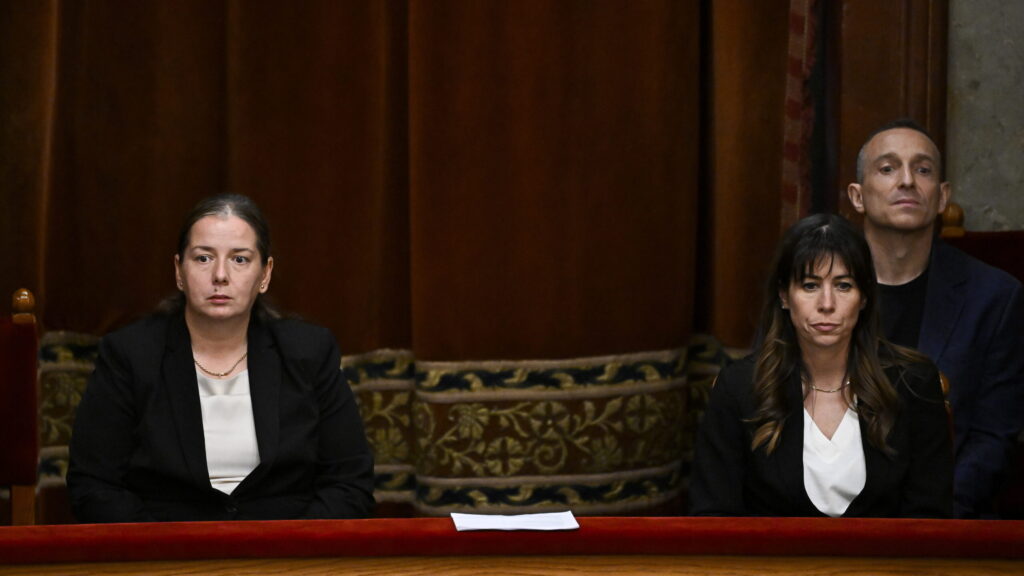
UNICEF Hungary has highlighted problems in the country’s child protection system, educational inequalities and children’s mental health at a Geneva consultation ahead of the United Nations’ Universal Periodic Review (UPR), the organization said on Friday.
Executive Director of UNICEF Hungary Antónia Mészáros presented specific reform proposals to representatives of UN member states.
The Geneva consultation is an important preparatory stage for the UPR review scheduled for November and could influence the questions and recommendations concerning Hungary, UNICEF said. The country’s human rights record will be reviewed by the UN again after five years.
According to UNICEF, 21,212 children currently live in alternative care in Hungary. Experts estimate that around 7,000 of them are unable to live with their families primarily because of poverty or a lack of services needed to provide adequate living conditions.
The organization also warned of a placement crisis. In April 2026, 325 infants and young children were living in hospitals, three out of four of whom no longer had a medical reason to remain there. During the same period, 1,364 children were living in families considered to pose a risk to their wellbeing, while another 1,207 children in the child protection system were waiting for suitable placement.
One in five children living in state care reported having been a victim of abuse, while 38 per cent of guardians said they were aware of at least one case of sexual exploitation involving a child in the child protection system, UNICEF said.
The organization also highlighted inequalities in education. More than 115,000 children with special educational needs are enrolled in Hungary’s education system, but a shortage of specialists and insufficient access to education tailored to individual needs are limiting the development of many children.
In Heves County, Roma children with special educational needs are two and a half times more likely than non-Roma children to be diagnosed with mild intellectual disability, according to UNICEF. Some 62 per cent of Roma children attend schools where most students are also Roma, while 43 per cent complete their secondary education, compared with 87 per cent of the overall population.
UNICEF also raised concerns about children’s mental health, saying more than half of school-age children regularly report multiple psychosomatic symptoms. Among 15-year-old girls, the figure reaches 77 per cent.
According to UNICEF’s own research, 92 per cent of school psychologists regularly encounter anxiety among students, while 61 per cent report dealing with depression and 51 per cent with self-harm. The number of self-harm-related contacts received by the Blue Line child helpline increased more than sixfold between 2020 and 2025.
Mészáros said political change could create an opportunity to replace political disputes over children’s issues with evidence-based policymaking.
UNICEF Hungary said the November UN review could help ensure that data, professional evidence and children’s own experiences play a greater role in decisions affecting children in the coming years.
Related articles:
At a time when public debate is increasingly polarized and superficial, Hungarian Conservative remains committed to depth, intellectual honesty, and independent conservative thought.
Producing high-quality journalism requires resources. Your contribution helps us expand our coverage, reach new audiences, and keep our content accessible.

Please consider supporting our mission.