




The Hungarian government is exploring ways to extend its popular fixed 3 per cent home loan scheme to citizens working abroad, potentially opening new opportunities for thousands of young people to return home and purchase property.
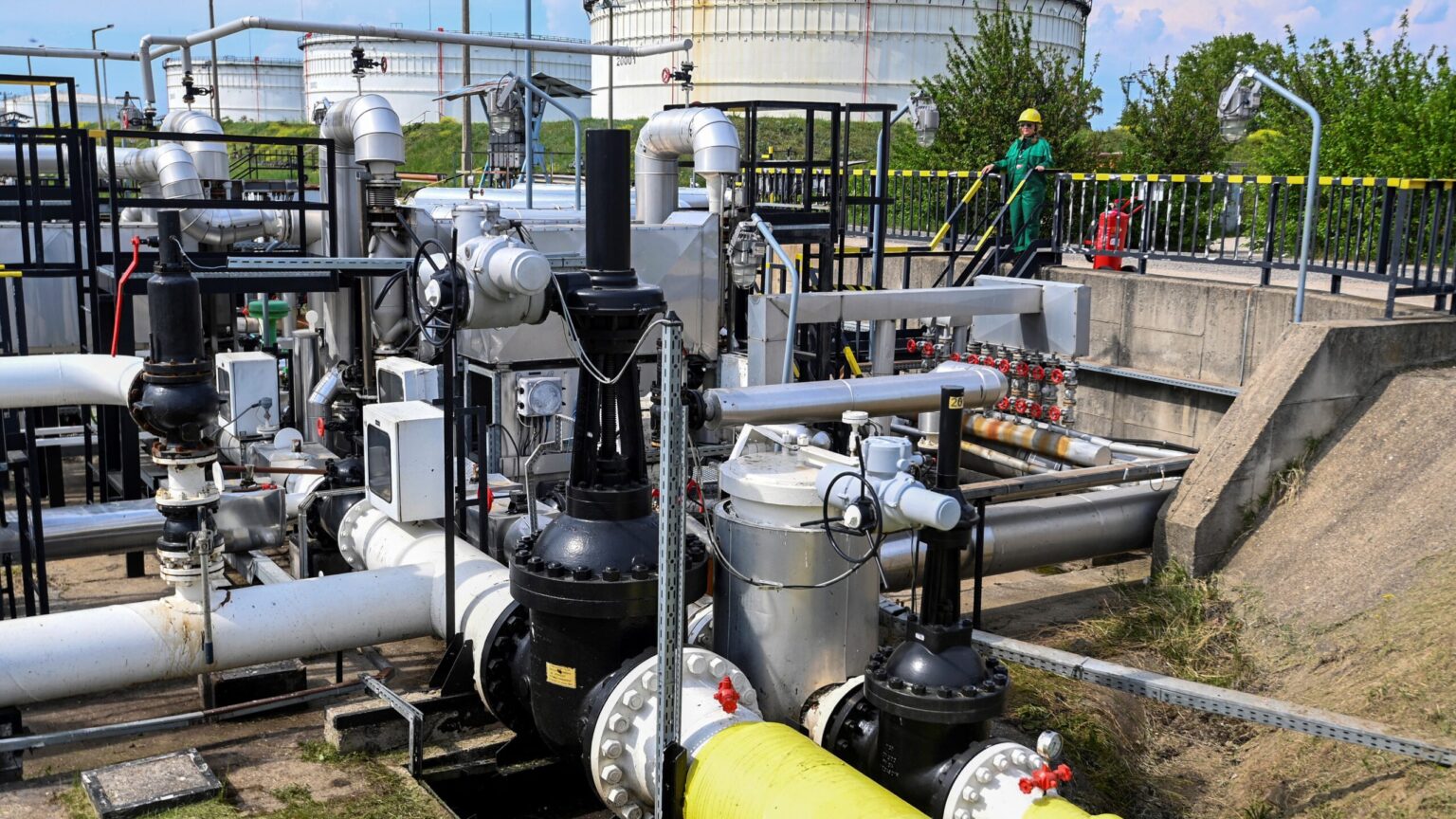
Two weeks after an EU mission entered Ukraine to inspect the damaged Druzhba pipeline, access is still denied, with Kyiv citing security concerns. Hungary and Slovakia accuse Ukraine of political obstruction, escalating tensions as Budapest blocks EU aid and sanctions, deepening divisions over energy security and war policy.

Hungary’s registered jobseekers fell to just under 223,000 in March 2026, marking a sharp decline over the past decade, as the government highlights strong employment figures despite ongoing economic challenges.

Syrian President Ahmed al-Sharaa was welcomed with ‘Allahu Akbar’ chants during his official visit to Germany, sparking outrage and concern as he met Chancellor Friedrich Merz and President Frank-Walter Steinmeier. The visit came as Easter celebrations in Syria were restricted following recent attacks on Christian communities by radical Islamist militants.

Since, alas, Hungary did not get to take part in the European play-offs for the 2026 FIFA World Cup, they played two international friendlies against Slovenia and Greece. The first game ended in a 1–0 victory for Hungary after a winner from returning Szabolcs Schön, while the second game ended in a 0–0 tie.

Hungarian Minister for Foreign Affairs and Trade Péter Szijjártó has described the leak of his phone calls with Russian Foreign Minister Sergei Lavrov as a ‘major scandal’, alleging a coordinated foreign intelligence operation aimed at influencing Hungary’s upcoming parliamentary election.

The Family Formation and the Future Conference, organized by Danube Institute, returned to Budapest, bringing together conservative policy makers and experts who warned that without stronger family policies, Western societies risk losing social cohesion as demographic decline and migration pressures intensify.

Viktor Orbán’s ruling alliance Fidesz–KDNP is projected to retain a parliamentary majority in Hungary’s upcoming election, according to a new Nézőpont Institute forecast, which estimates that the governing parties could secure 66 of 106 individual constituencies. The survey sharply contradicts opposition-linked pollsters, which consistently put the opposition Tisza party ahead of Fidesz.

Alexandra Szentkirályi has warned that the Tisza Party’s energy transition plan could significantly increase household costs, including higher utility bills and new taxes on savings.

At least 40 Christians were killed in a Palm Sunday attack in Nigeria’s Plateau State, as Islamist gunmen targeted a community in Jos amid a week-long escalation of violence that has left nearly 100 people dead across the region. The massacre has also sparked controversy in the US after The New York Times disputed claims of religious persecution, drawing sharp criticism from Republican lawmakers.

Hungary’s foreign minister has accused the Tisza Party of planning to abolish utility price caps and adopt EU energy policies, warning that such moves would significantly raise household costs.

The European Commission is urging member states to curb fuel consumption as the Iran war disrupts global energy flows, with officials warning of prolonged shortages. A letter by Energy Commissioner Dan Jørgensen highlights risks to transport and calls for voluntary demand cuts ahead of an emergency EU meeting.
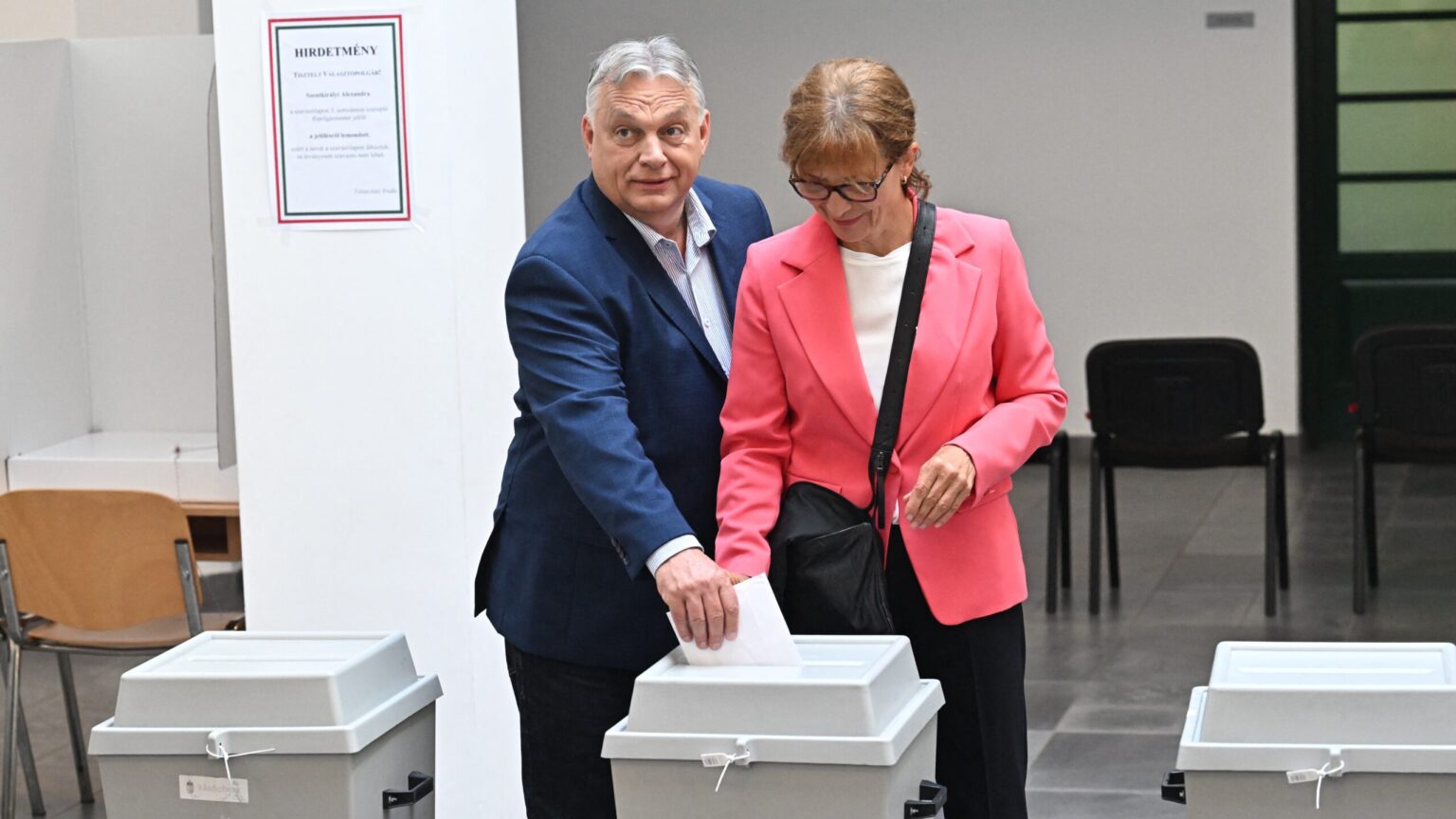
With Hungary’s parliamentary election approaching, a new international monitoring mission has been announced, bringing together observers from four continents. Co-chaired by Jerzy Kwaśniewski, LCFFE seeks to evaluate the transparency and legality of the vote in what it describes as an ‘unprecedentedly polarized’ environment.

BBC Ukraine has offered a sharply contrasting account of Hungary’s election campaign, challenging narratives of Viktor Orbán’s decline. Reporting from a rally in Pécel, Svyatoslav Khomenko describes a mobilized voter base and a confident prime minister, casting doubt on polling trends and Western media portrayals ahead of the 12 April vote.

Director General for the Center for Fundamental Rights Miklós Szánthó told CPAC Dallas that ‘globalist forces’ are intensifying efforts against Hungary ahead of its decisive April election, targeting Viktor Orbán’s government.

Iceland’s legal and cultural landscape has been fundamentally reshaped by gender ideology, according to a recent Telegraph opinion article. The report links the 2019 Gender Autonomy Act to increasing youth transitions and a growing clampdown on critics, raising concerns about freedom of expression and child safeguarding.

Italy’s League party has announced plans to introduce legislation that would classify Antifa and anarchist groups as terrorist organizations, sparking sharp political backlash and constitutional concerns.

DDR5 memory prices are beginning to stabilize in some markets, with isolated price drops offering cautious optimism, while a new AI compression breakthrough from Google could reshape long-term demand.

Global leaders and experts gathered in Istanbul for the Stratcom Summit 2026 to address the growing role of narratives in an increasingly unstable international system. Speakers warned that global governance is facing a deep legitimacy crisis, with information emerging as a central battleground in shaping geopolitical outcomes.

Hungary’s government has released a declassified video in which a former IT specialist linked to the opposition Tisza Party suggests he may have been unknowingly recruited by Ukrainian foreign intelligence. The footage has intensified an already escalating information war over competing claims of foreign interference ahead of the election.

Former British Prime Minister Liz Truss has announced that CPAC will expand to the United Kingdom, with the first CPAC Great Britain set for July 2026 in London. The move signals the growing influence of transatlantic conservative networks and reflects efforts to replicate the political momentum seen in the United States under Donald Trump.

Explosive claims from a former Ukrainian intelligence operative link a seized cash convoy in Hungary to a hidden financial network connected to Kyiv’s leadership. Though unverified, the allegations fuel concerns over possible foreign interference and the use of off-the-books funds beyond the battlefield.

British journalist Catherine Belton visited Budapest on 4 March to participate in an exclusive closed-door event co-organized by the British Embassy and Budapest-based think tank Political Capital. Three weeks later, she broke Hungary’s ‘Russiagate’ in The Washington Post, alleging that FM Szijjártó had leaked confidential EU information to Moscow, escalating an unprecedented intelligence and information war surrounding the upcoming election.

‘A new report published by MCC Brussels claims the European Union has developed a “repeatable playbook” capable of shaping the outcome of national elections across its Member States—without ever formally administering them.’

Claims of systematic vote-buying and coercion linked to Viktor Orbán’s Fidesz have surfaced in a documentary now widely circulated by the BBC and other Western media outlets. Based on testimonies rather than evidence, the film has quickly entered Hungary’s intensifying information war over the credibility of the upcoming 12 April election.

The balance of power between Brussels and Member States is increasingly contested, speakers argued at a Danube Institute panel, warning that EU institutions and court rulings are expanding authority beyond treaties—raising concerns over sovereignty, subsidiarity, and a growing push toward federalism.

Canada’s House of Commons has passed a controversial bill that could allow authorities to criminalize certain forms of religious expression, including quoting Biblical passages on issues such as sexuality. The move has sparked alarm among conservatives and religious groups and comes amid wider concerns over the state of religious freedom across the West.
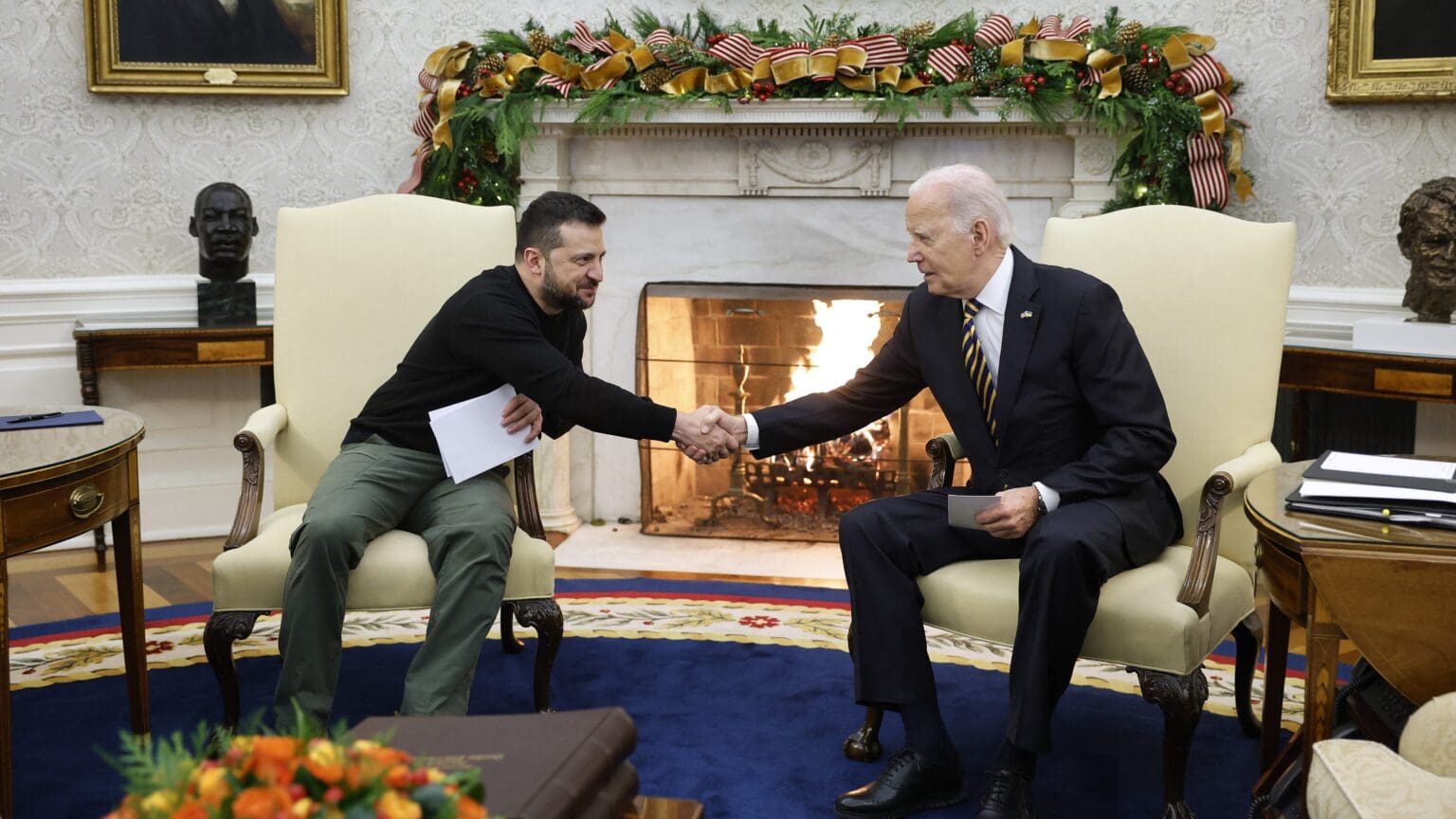
Newly declassified US intelligence documents suggest that Ukrainian officials discussed redirecting American funds to influence the 2024 US election, according to a report also shared by Donald Trump. The claims echo similar concerns raised by Hungary’s government about alleged Ukrainian interference ahead of its own high-stakes election in April.
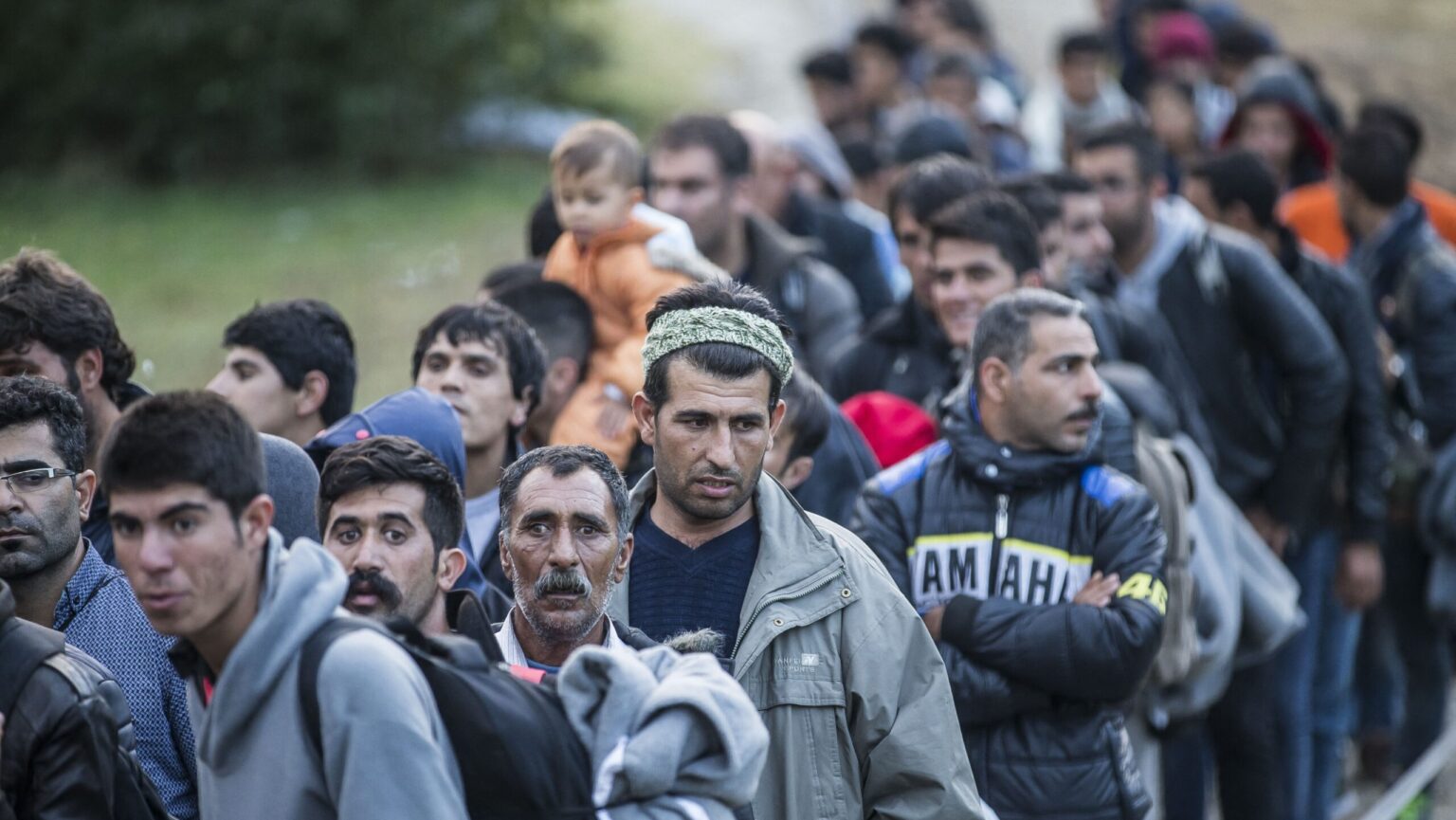
The European Parliament has approved its position on a new migration framework after a Patriots for Europe-led right-wing coalition broke months of deadlock, marking a breakthrough victory for the right in advancing stricter deportation rules and shifting power back to member states.
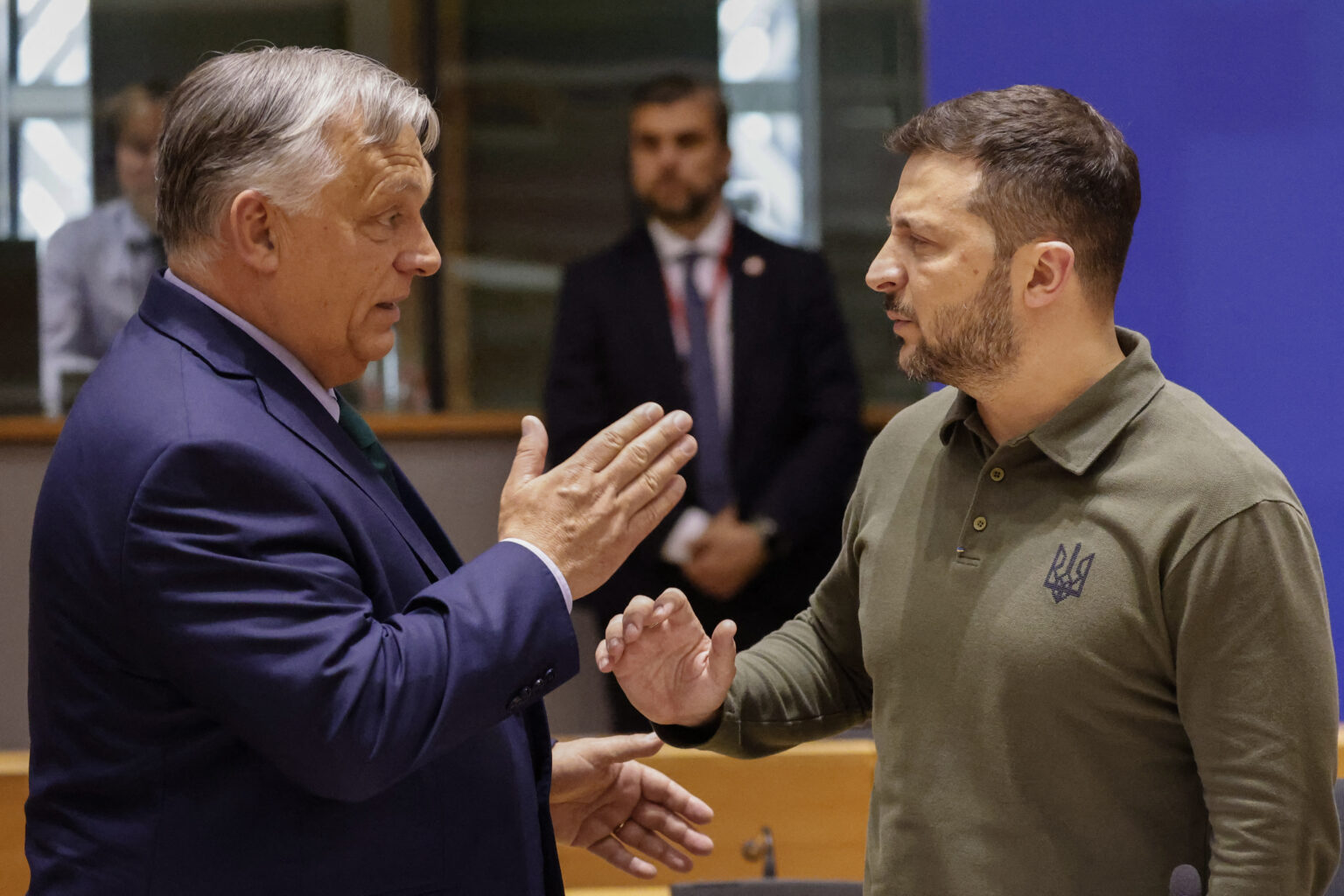
Viktor Orbán has warned that Hungary has become ‘an operational area for the Ukrainian secret service’, urging Kyiv to withdraw its agents, as tensions rise sharply ahead of the 12 April election amid competing narratives of foreign interference.

At a time when public debate is increasingly polarized and superficial, Hungarian Conservative remains committed to depth and independent thought.
Donate Now
Please consider supporting our mission.