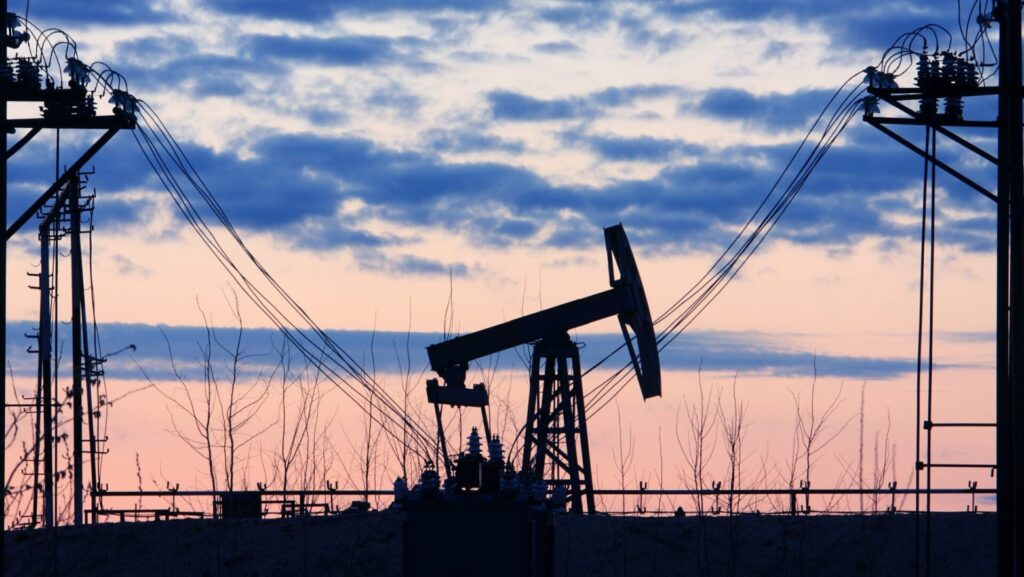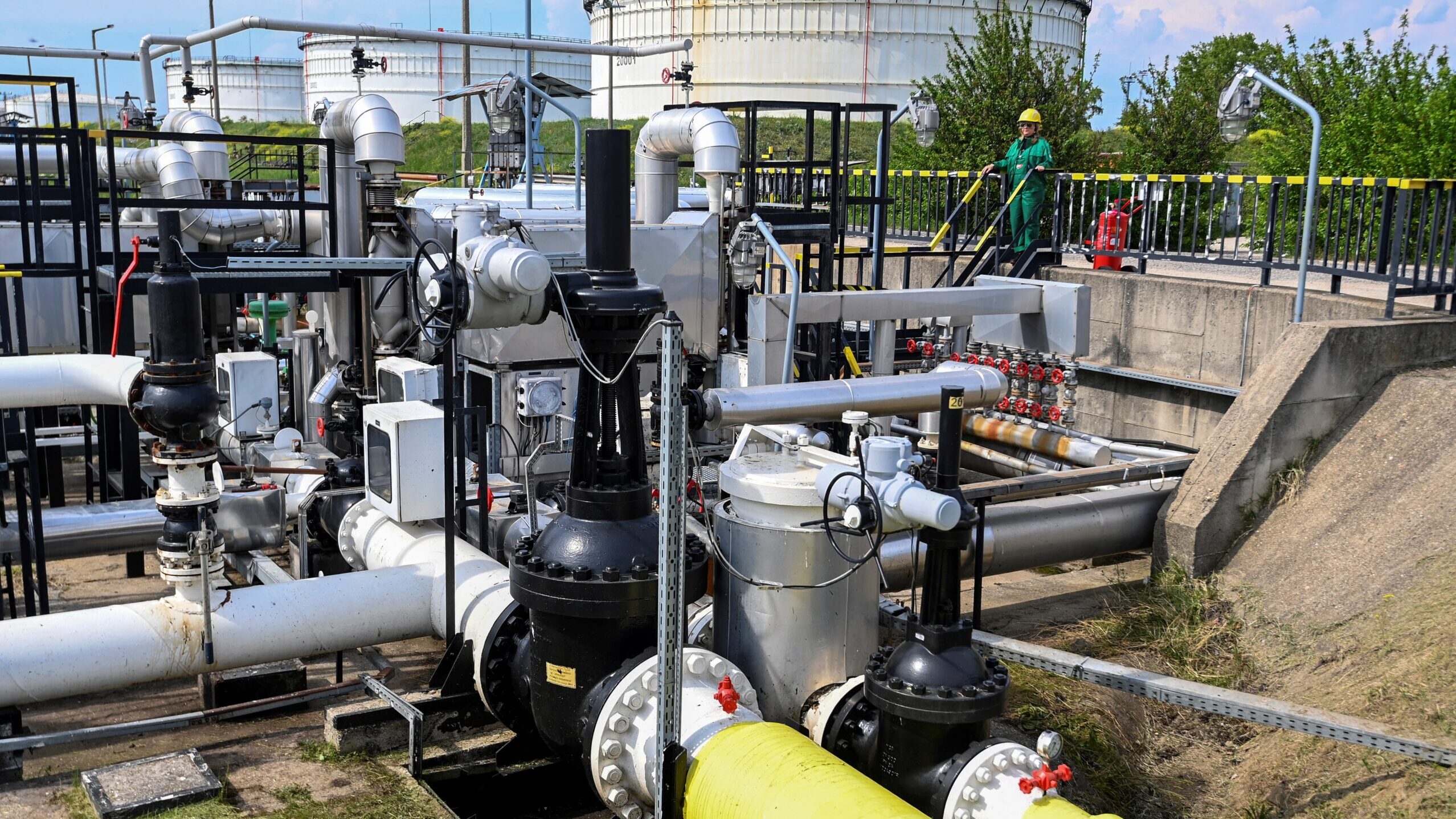
On 19 March, about two weeks ago, an EU fact-finding mission entered Ukraine to examine the condition of the Druzhba pipeline, which carries oil from Russia to Europe, specifically to Hungary and Slovakia. Despite the weeks that have passed since, the mission has not been authorized to access or assess the pipeline. Ukraine’s Deputy Prime Minister Taras Kachka cited the ‘security situation’ as the reason why European Commission experts were not allowed to investigate the site. After two weeks of waiting, his statement on Monday was the first confirmation that Ukraine had indeed not allowed EU experts to examine the pipeline.
The pipeline, or more specifically its pumping station in Brodi, was damaged in late January in a Russian drone strike, and since then it has not been supplying oil to Hungary or Slovakia. While Ukraine maintains that the infrastructure is physically damaged, Hungary and Slovakia argue that Ukraine is restricting their access to oil for political reasons. To investigate the situation, both countries requested experts’ access to the pipeline, which Ukraine denied.
In early March, Hungary first dispatched a team of experts to investigate the pipeline; however, claiming that it had not received prior notification of the group, Kyiv treated the team as ‘tourists’ and denied them access to the site. Following Hungary’s example, a week later—in mid-March—the EU also sent a group of experts into Ukraine. In addition to their expertise, the EU promised extra funding to help Ukraine restore the allegedly damaged pipeline. The EU experts, however, were similarly denied access. Some argue that Ukraine’s secrecy about the state of the pipeline, as well as its unwillingness to allow independent experts close to it, is in itself proof that it is not damaged at all.
For the two landlocked EU countries, Hungary and Slovakia, the Druzhba pipeline is a critical supply route. Neither has direct access to seaborne oil, and while Croatia can supply some of the required amount through the Adria pipeline, seaborne oil has become more difficult and expensive due to the crisis in the Middle East. As Ukraine’s actions threaten their energy security, Hungary vowed to block all EU measures that favour Ukraine—as long as Kyiv maintains its energy blockade.
‘As Ukraine’s actions threaten their energy security, Hungary vowed to block all EU measures that favour Ukraine’
For this reason, Hungary ended up vetoing the 20th sanctions package against Russia and the €90-billion loan to Ukraine at the European Council meeting in late March. The €90-billion loan is to be borrowed by 24 participating EU member states to keep Ukraine financially afloat in 2026–27, with €60 billion of the sum planned to fund the Ukrainian army. About a week ago, shortly after Hungary’s failed attempt to have its experts examine the pipeline, Slovak Prime Minister Robert Fico also suggested that he might join Hungary in blocking the €90-billion loan.
In addition, Hungary announced it would halt gas supplies to Ukraine, while both Hungary and Slovakia had already stopped transferring diesel to Ukraine in February. Before the current battle over restarting Druzhba began, Russian oil that came through the pipeline was refined in Hungary and Slovakia and then sent back to Ukraine. Ukraine’s combat capability has also relied on fuel imports from Hungary.
While restoring Druzhba as a stable supply route is crucial for Hungary and Slovakia, the European Commission appears satisfied with half-hearted measures, such as sending an unsuccessful fact-finding mission into Ukraine. Despite the mission’s failure and Ukraine’s apparent disregard for its obligations under the Association Agreement to guarantee EU member states’ energy security, the Commission neither stood up to Kyiv nor attempted to impose sanctions.
The European Commission’s inaction may be explained by the fact that it plans to introduce a total ban on Russian oil imports just three days after Hungary’s parliamentary election. If the Commission believes that the vote on banning Russian oil from the bloc will succeed in mid-April, it has little incentive to try to reopen the Druzhba pipeline.
According to recent reports, European households are already beginning to feel the effects of the complicated energy situation that Europe has created for itself. Eurozone inflation jumped to its highest level in over a year in March, driven largely by rising fuel prices. In response to growing financial concerns, the European Commission has urged people to work from home, travel less, and reduce driving and flying in order to minimize their personal fuel consumption. In other words, the Commission appears willing to place the burden of the oil crisis on ordinary European citizens while doing little to ensure the energy security of its member states.
Related articles:
At a time when public debate is increasingly polarized and superficial, Hungarian Conservative remains committed to depth, intellectual honesty, and independent conservative thought.
Producing high-quality journalism requires resources. Your contribution helps us expand our coverage, reach new audiences, and keep our content accessible.

Please consider supporting our mission.