Viktor Orbán has acknowledged a clear electoral defeat and called for a comprehensive renewal of Hungary’s right-wing political community, signalling what he described as the end of a political era.
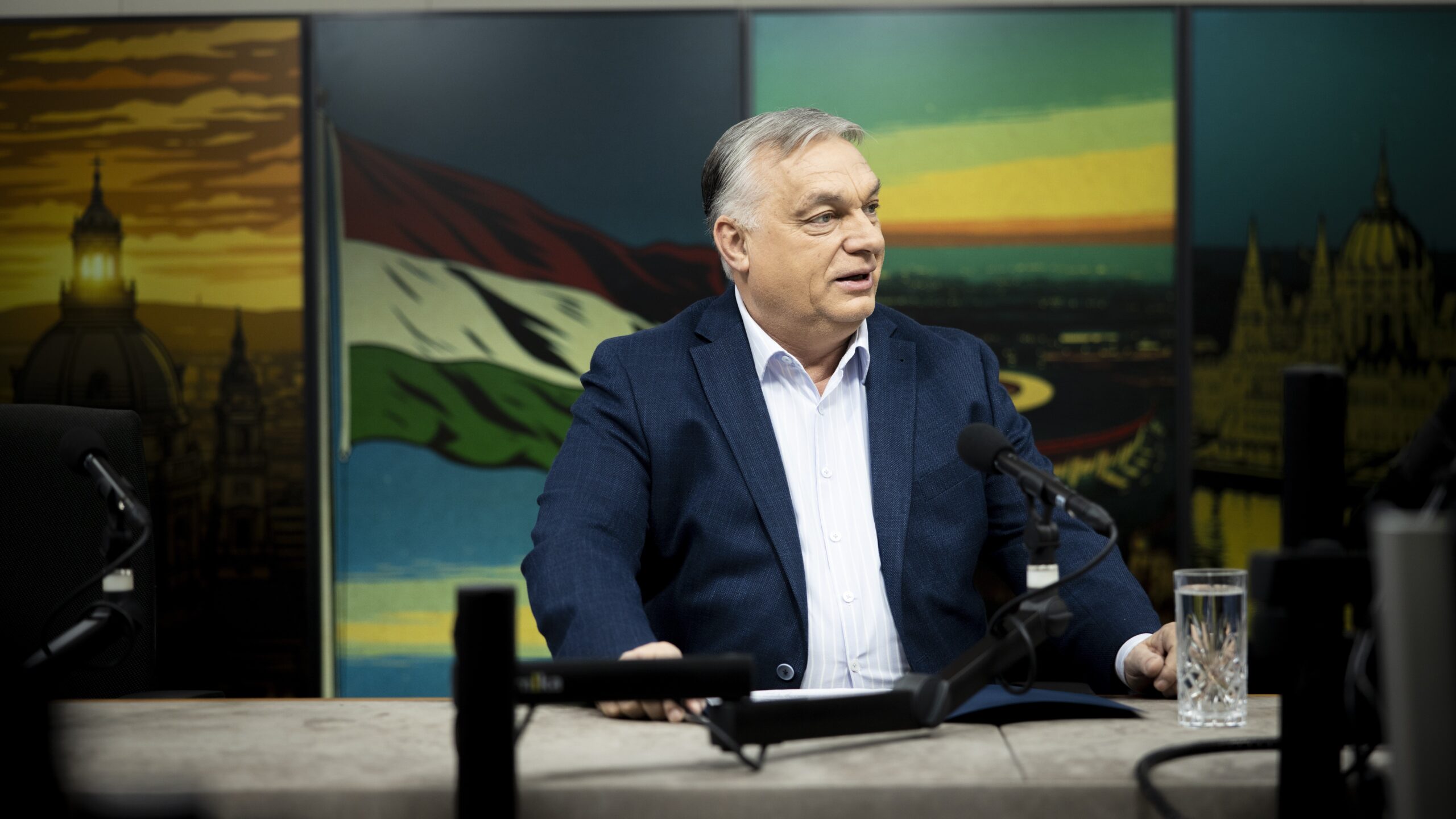
Speaking in an interview on the Patrióta YouTube channel, the prime minister and leader of Fidesz said the election results ‘speak for themselves’. The governing parties received 2.3 million votes, compared with 3.1 million for their opponent.
Orbán said that in its current form, the right-wing political community cannot continue to exist and must undergo a significant transformation. ‘We cannot continue our politics as we have done so far, and the right-wing community cannot live as it has until now. Many changes are needed,’ he said, adding that the renewal must extend beyond Fidesz to the entire national political camp.
He indicated that a new phase of political organization is already under way, with the party preparing for a congress to elect its leadership. According to Orbán, the first phase of the renewal process could be completed by the end of June, and new movements are likely to emerge within the broader right-wing sphere.
‘A new phase of political organization is already under way, with the party preparing for a congress to elect its leadership’
The outgoing prime minister also accepted full responsibility for the campaign, stating that as party leader, he must ‘take 100 per cent responsibility’ for the result. He added that it became clear early on election night that the campaign had not performed as expected, particularly as turnout patterns differed from previous elections.
Reflecting on the outcome, Orbán suggested that voters were primarily motivated by expectations about the future rather than assessments of the past. He said many voters appeared to expect more from the victorious Tisza Party than from the incumbent government.
At the same time, he acknowledged that government shortcomings may have contributed to the result, including the prolonged delays in the expansion of the Paks nuclear power plant, which he described as a significant policy failure with economic consequences.
Orbán also addressed corruption allegations, saying they may have played a role in the opposition’s two-thirds victory, while insisting that he had never tolerated corruption and had consistently supported investigations by the authorities. He distinguished between corruption and what he described as ‘luxury lifestyles’, warning that continuing such behaviour would be politically damaging.
Looking ahead, he said Fidesz would support policies introduced by the new government that benefit the country, while opposing measures it considers harmful. He also criticized calls for the resignation of constitutional officeholders, including the president and members of the judiciary, describing such actions as inappropriate.
Orbán emphasized that the next government should focus on building on past achievements rather than dismantling them, arguing that Hungary’s ‘national accomplishments’ must be preserved and expanded.
He also announced plans to restructure the parliamentary group, noting that those elected under the expectation of a Fidesz victory may not be suited to the party’s new role in opposition. A broader reorganization of the party’s intellectual and activist networks is also planned in the coming weeks.
‘The next government should focus on building on past achievements rather than dismantling them’
Regarding his own future, Orbán said the decision would rest with his political community. He added that he would be willing to take on the task of reorganizing the movement once again, as he had done in earlier periods following political setbacks.
In his closing remarks, Orbán argued that traditional political categories such as left and liberal have lost their relevance, and that future political debates will instead centre on divisions between ‘patriots’ and ‘globalists’, with key issues including sovereignty, family policy, migration and war.
‘Now the national side has suffered defeat,’ he said, ‘but the future belongs to this side.’
Related articles:
At a time when public debate is increasingly polarized and superficial, Hungarian Conservative remains committed to depth, intellectual honesty, and independent conservative thought.
Producing high-quality journalism requires resources. Your contribution helps us expand our coverage, reach new audiences, and keep our content accessible.

Please consider supporting our mission.