The following is a press release kindly provided to us by the European Network Remembrance and Solidarity (ENRS).
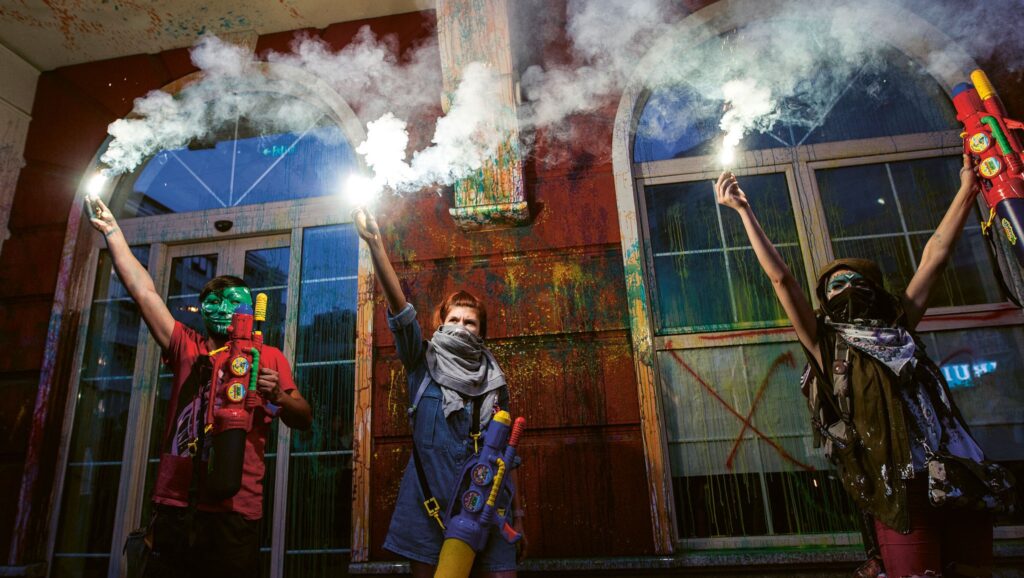
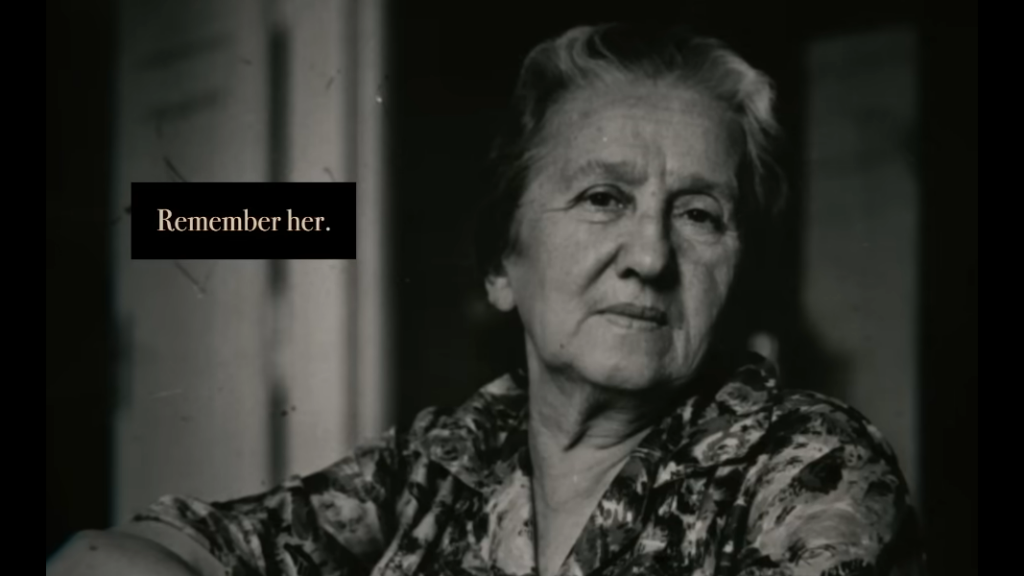
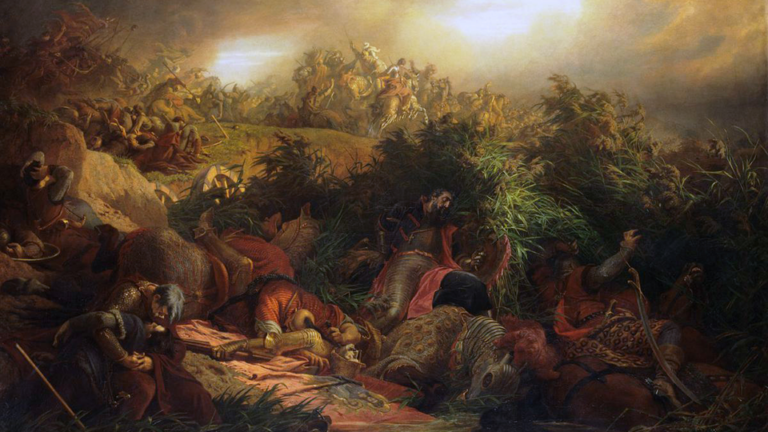
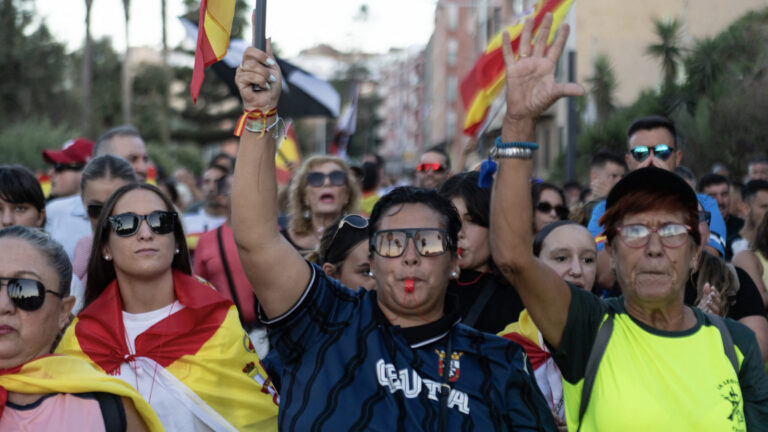
At a time when historical narratives are increasingly weaponized in political conflicts, a pressing question arises: how does memory function in an era of geopolitical tension, hybrid warfare, and growing polarization within European societies? The 14th European Remembrance Symposium, organized by the European Network Remembrance and Solidarity (ENRS), seeks to address this challenge precisely.
Held on 27–29 May 2026 at the Art Nouveau Moyzes Hall of the Faculty of Arts, Comenius University in Bratislava, Slovakia, the Symposium will examine the antagonistic potential of collective memory and the ways in which it is instrumentalized in contemporary politics.
Memory shapes communities, sustains identities, and provides moral frameworks—yet it can also divide, becoming both the object and the instrument of political struggle, and, in the context of hybrid warfare, a strategic weapon. As Russia’s war against Ukraine continues and disinformation campaigns intensify, the interpretation of history has become a central arena of contemporary power struggles.
Among the key questions addressed are:
- Which areas of social life are most vulnerable to manipulation through historical narratives?
- Through which media, institutions, and cultural forms are memory-based strategies implemented?
- Are memory conflicts a particular feature of post-authoritarian Eastern Europe, or are they inherent to democratic societies more broadly?
- 80 years after the Second World War and over three decades since the end of the Cold War, is European memory shared—or divided?
The opening keynote by Prof Catherine Horel, Research Director at CNRS/CETOBAC-Paris and President of the International Committee for Historical Sciences, will frame the interplay between memory, power, and conflict, launching three days of panels, workshops, and case studies on disinformation, education, and hybrid warfare.
Practical sessions will equip participants with tools to critically assess and counter-manipulate narratives.
A distinctive feature of the programme is the Turbo Presentations session, offering institutions 120 seconds to present their work to an international audience. Cultural visits in Bratislava will further situate the debate within the region’s layered historical landscape.
Please note that participation in the Symposium is free of charge. ENRS provides catering during the official programme; however, travel and accommodation expenses are not covered by the organizers.
More information about the Symposium can be found here: European Remembrance Symposium 2026 | ENRS.
The registration for the event is already open and can be found here: Registration Form for the 14th European Remembrance Symposium.
Related articles:
At a time when public debate is increasingly polarized and superficial, Hungarian Conservative remains committed to depth, intellectual honesty, and independent conservative thought.
Producing high-quality journalism requires resources. Your contribution helps us expand our coverage, reach new audiences, and keep our content accessible.

Please consider supporting our mission.