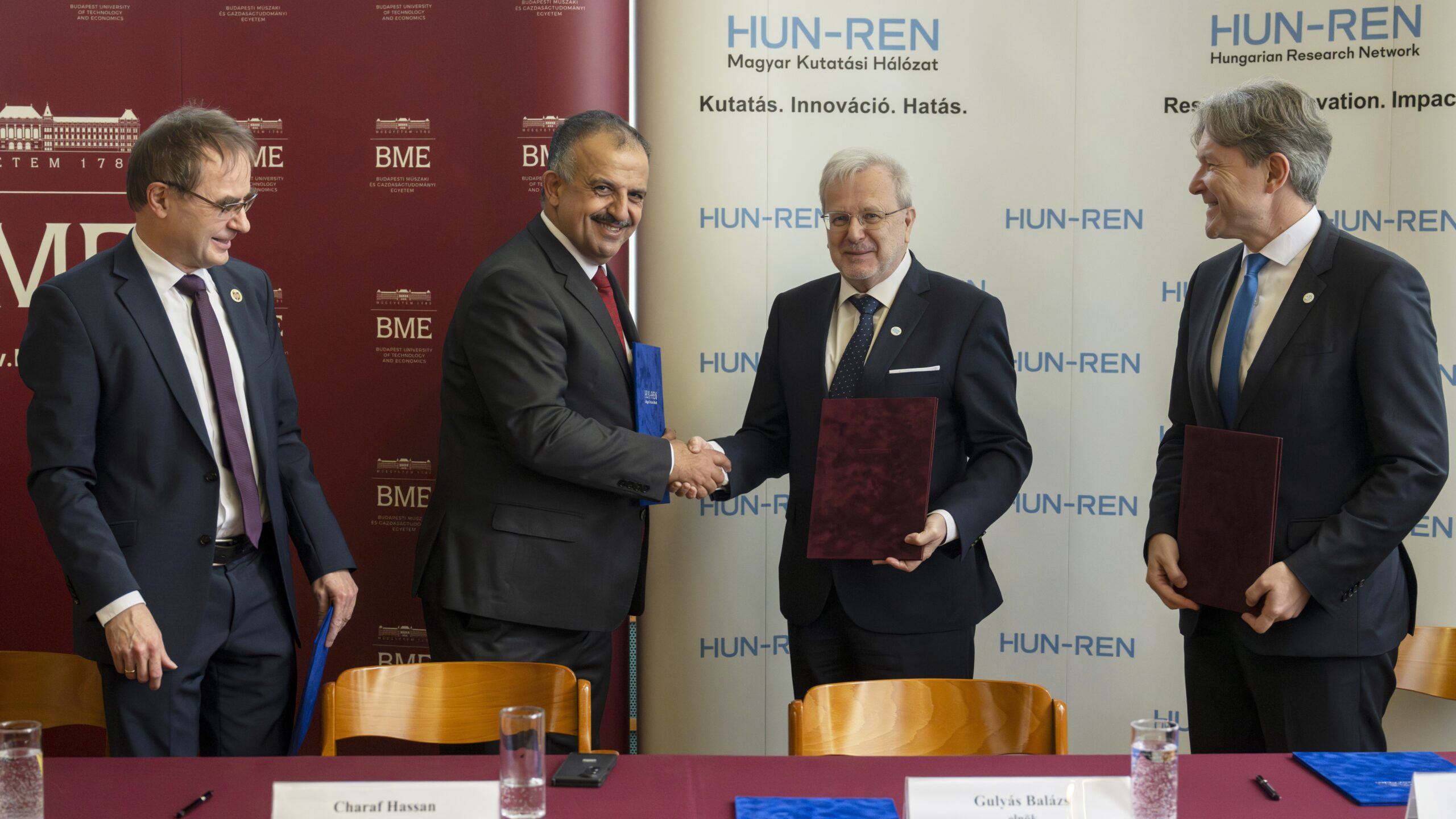
The HUN-REN Hungarian Research Network and the Budapest University of Technology and Economics (BME) have signed a comprehensive joint action plan to combine their research potential and infrastructure, the research network said on Thursday.
Building on an earlier cooperation agreement, the new programme aims to improve research and innovation performance, strengthen the pipeline of young researchers and enhance Hungary’s international competitiveness in science. Under the agreement, the two institutions will share resources, support dual institutional affiliations and launch joint doctoral programmes, research projects and funding applications.
A key focus of the partnership is doctoral education and researcher training. According to the statement, the structured involvement of HUN-REN researchers in BME’s doctoral schools, joint supervision arrangements and coordinated scholarship schemes are designed to make Hungary—and in particular BME and HUN-REN—more attractive destinations for domestic and international research talent.
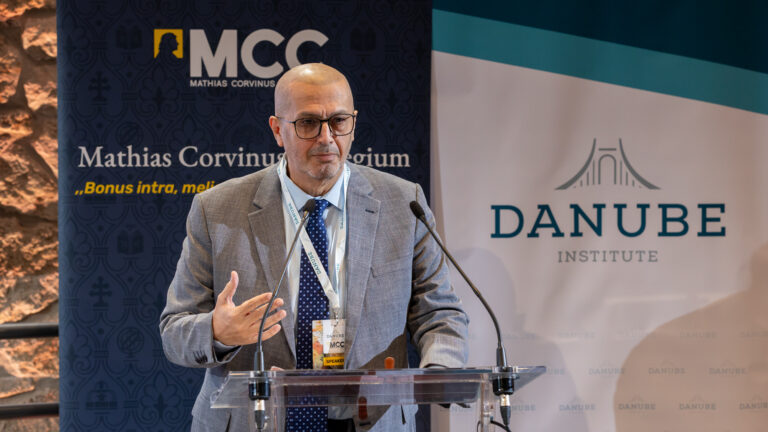
BME rector Charaf Hassan described the agreement as a milestone, stressing that it is in the national interest for Hungary’s research and higher education institutions to work closely together. He said the goal is to open up each other’s infrastructure and to integrate HUN-REN’s research expertise more strongly into the university’s daily operations and teaching activities.
HUN-REN president Balázs Gulyás underlined that scientific excellence today can only thrive through alliances rather than in isolation. He said the coordinated operation of two strong knowledge centres can create genuine international competitiveness and make a research career more appealing to young scientists. Gulyás added that future progress requires value-chain-based thinking that places the practical application of scientific discoveries at the centre. He emphasized that the partners are committing to shared thinking and shared risk, with the aim of shaping, rather than following, international trends.
According to Gulyás, the cooperation is intended to serve as a model for Hungary’s wider research and innovation ecosystem, as real progress can only be achieved if academia and science reinforce each other while creating tangible social and economic value.
‘The partners are committing to shared thinking and shared risk, with the aim of shaping, rather than following, international trends’
BME vice-rector for science Gergely Zaránd noted that the two institutions already collaborate across several fields, as reflected by more than 350 joint publications produced in recent years. He said the action plan was preceded by extensive preparatory work, and the next challenge will be to translate the plans into concrete results through consistent implementation.
HUN-REN chief executive Roland Jakab highlighted that the action plan is built on a practical operating model with shared resources, responsibilities and evaluation criteria. Progress will be measured using quantified indicators with defined baseline and target values. He said the objective is not merely strategic cooperation, but proof that Hungary can retain talent, attract leading researchers back home and strengthen its position in international competition.
Joint research efforts will focus on strategic areas, including artificial intelligence and big data analysis, energy, biotechnology, and sustainable materials and technologies. The partners plan to establish interdisciplinary research centres and joint research groups, while also making more efficient use of major research infrastructures such as BME’s training reactor and the reactor at HUN-REN’s Centre for Energy Research.
The action plan also covers the creation of joint scholarships, the involvement of researchers in university teaching, support for the commercialization of intellectual property and measures to promote researcher mobility, all aimed at strengthening knowledge flows between the institutions. The partners said the ultimate goal is for the cooperation to deliver measurable results that enhance the international visibility and innovation performance of Hungarian science.
Related articles: