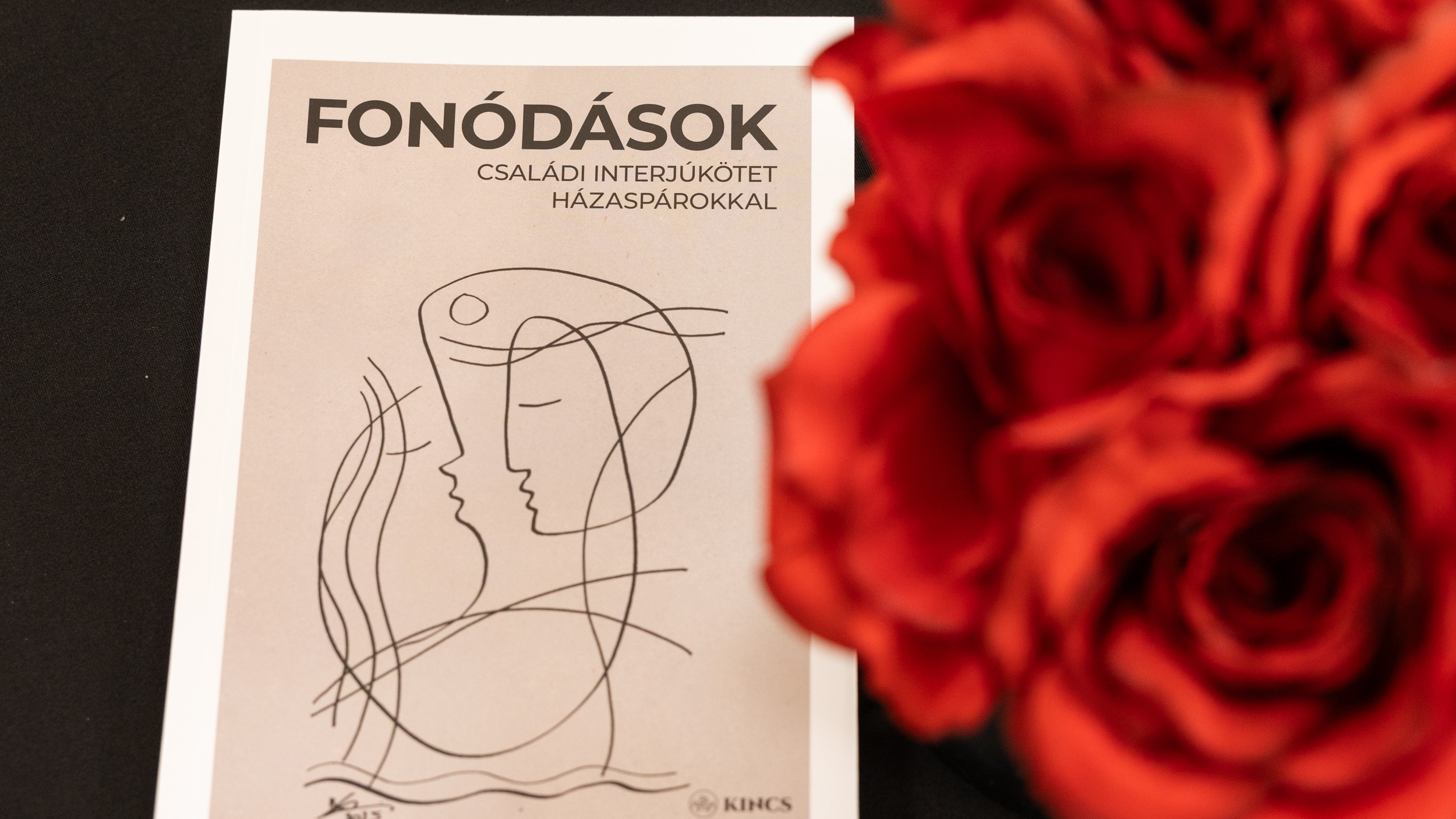
The Mária Kopp Institute for Demography and Families (KINCS) presented the new interview volume Fonódások in Budapest on 2 December, a collection dedicated to family values, partnership and the intertwined cultural threads that shape Hungarian and Roma communities.
Opening the event, President of KINCS Tünde Fűrész noted the symbolic timing: Advent had just begun, a season when families draw closer and prepare together for the holidays. She described the book as the third in a series exploring family heritage and the everyday realities of marriage. This new edition highlights what Roma families bring to Hungary, featuring interviews with 11 exemplary couples.
The stories do not idealize family life; participants speak openly about challenges as well as hopes, offering a message that people can honour their heritage while creating a new future. Fűrész said the book celebrates families who continually build relationships and communities, and she hopes it will inspire and encourage readers.

Speaking next, Deputy State Secretary for Families Attila Beneda called the title Fonódások (Intertwining) fitting, since strong bonds emerge when different strands weave together. He described Roma and Hungarian identities as such interconnected threads, united by the shared centrality of family. The interviewees’ strength, he said, reinforces both cultures.
Beneda also pointed to government family-support programmes, arguing that marriage, children and nation-building form the cornerstone of public policy. He highlighted rising marriage numbers, declining divorce rates and a growing share of children born within marriage. Intergenerational living arrangements and attention to young people’s challenges are, in his view, essential for successful families and policies alike.
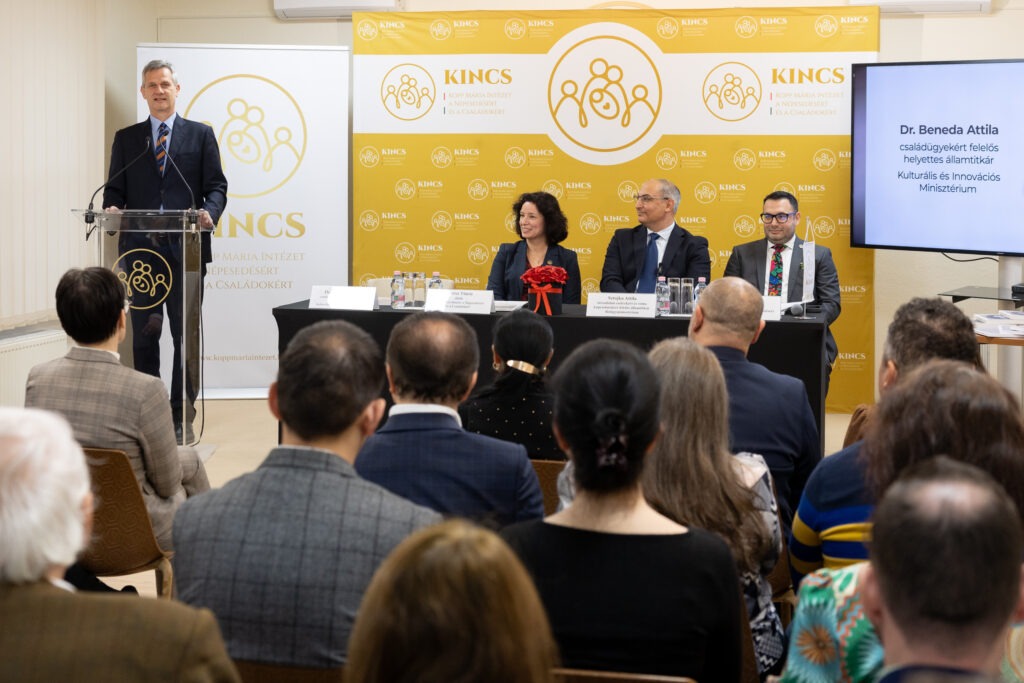
Government Commissioner for Roma Relations Attila Sztojka praised the volume as an expression of the principles the national government seeks to strengthen. The foundation of a nation, he said, lies in its families. Drawing on biblical imagery, he compared families to ropes made of multiple strands: the more diverse the fibres, the stronger the rope. In this analogy, children are the third strand that makes the bond lasting. He emphasized that the Roma community traditionally finds security in forming families first, a perspective once common in Hungarian tradition as well.
The book’s stories show how essential it is to have a supportive partner through both difficulties and joys. Sztojka added that conscious life planning has become increasingly visible within Roma communities, with positive outcomes such as a 15 percent drop in low birthweight rates. Education levels are rising too, with Hungary now leading in the EU in Roma educational attainment. He argued that the country’s approach offers a model of poverty reduction and social mobility, though more work remains.
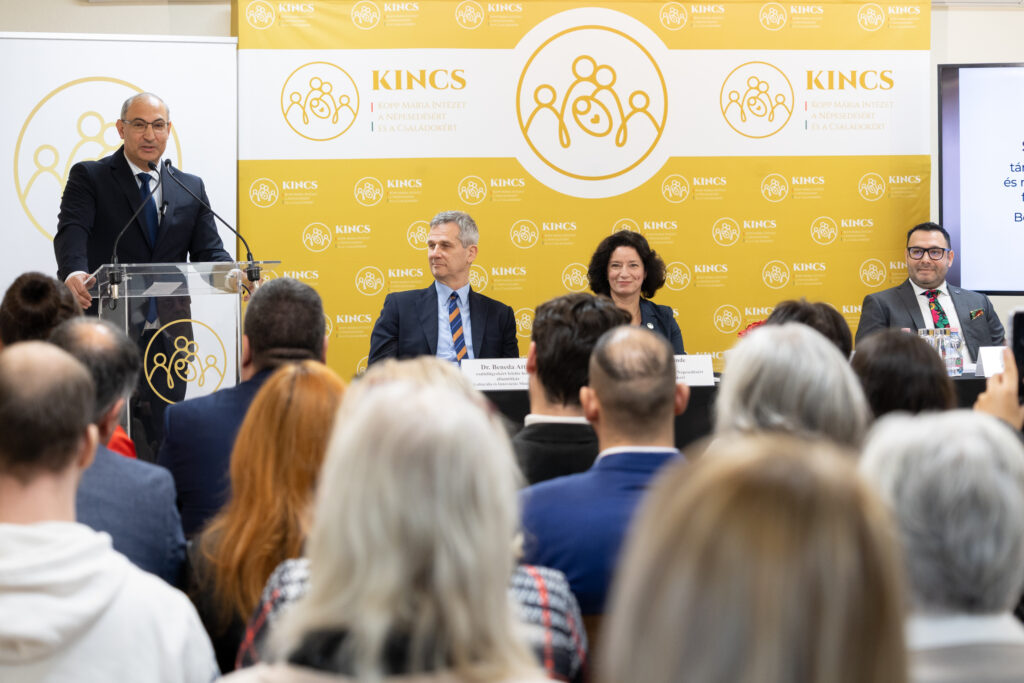
Head of the Center for Social Groups Research at KINCS István Antal, who contributed to the book, placed this volume in the context of earlier editions featuring successful Roma men and women. He introduced the 11 families profiled, who come from diverse fields including culture, public administration, science, business, civil society, media and sport. The interviews trace personal histories, the formation of partnerships, and how inherited family patterns shape newly created households.
Antal identified three core themes: internal balance and cohesion built on respect, humility and commitment; adaptability across life cycles, which he described as the real driver of long-term success; and resilience, the ability to recover from difficulties using shared roots and newly formed family practices. Every family, he concluded, is unique, but the successful ones demonstrate dynamic adaptation. The book is not merely a set of interviews but a collection of lived family theories in practice.

With Fonódások, KINCS aims to offer insight, inspiration and a reminder that the ties between families, communities and cultures grow stronger when they weave together.
Related articles: