






Hungarian police brought in pro-Orbán influencer István Szakács on suspicion of threatening a terrorist act over a Facebook video, triggering rare condemnation from both sides of Hungary’s political spectrum. While Viktor Orbán called it ‘political intimidation’, anti-Orbán voices instead warned that the police response was disproportionate and seriously threatened freedom of expression.
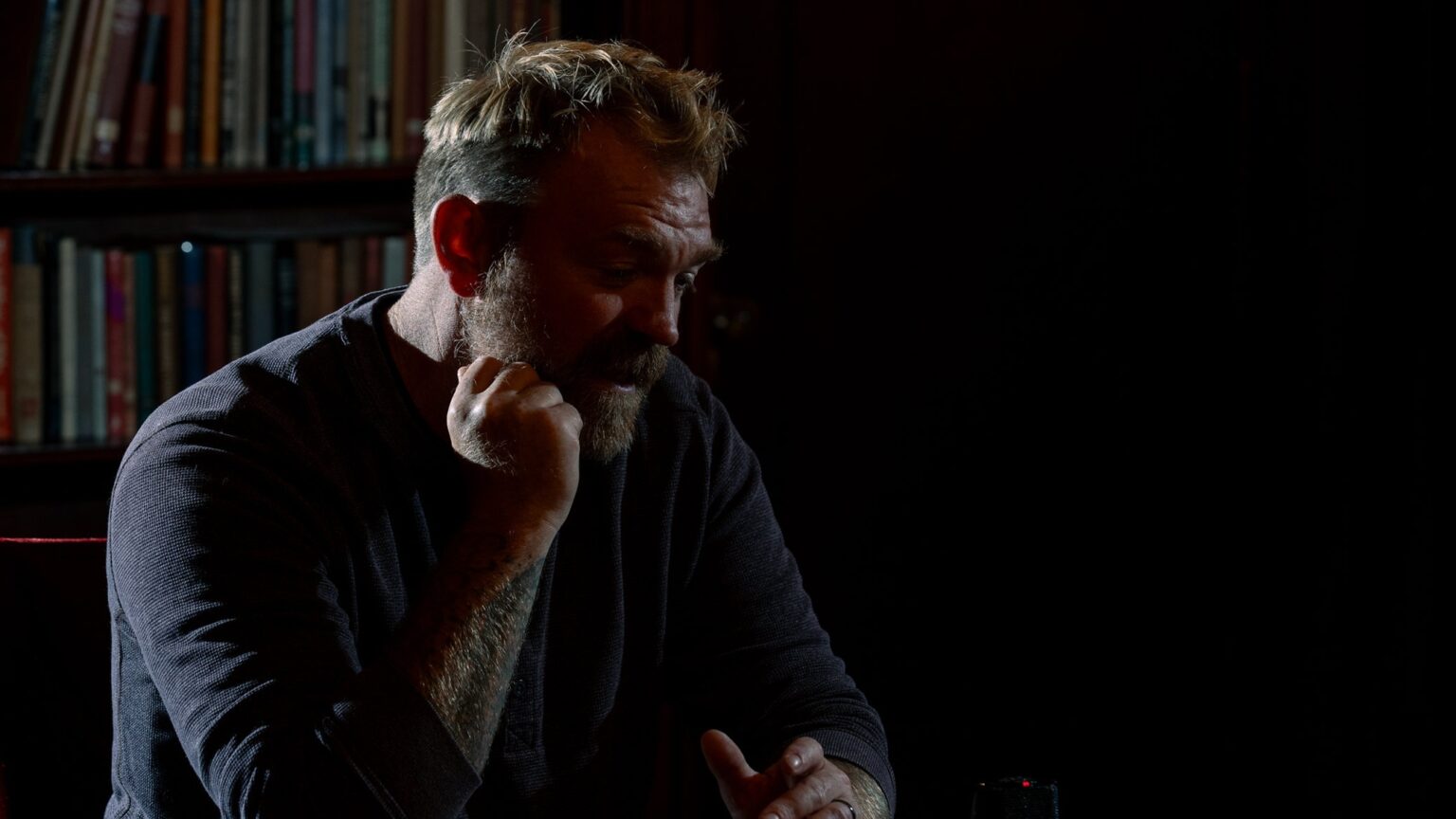
US Senate candidate for Maine Graham Platner has suspended his campaign after POLITICO published sexual assault allegations by his former partner, which he denies. Although prominent Democrats had stood by him through previous scandals, the latest allegations prompted them to withdraw their support.
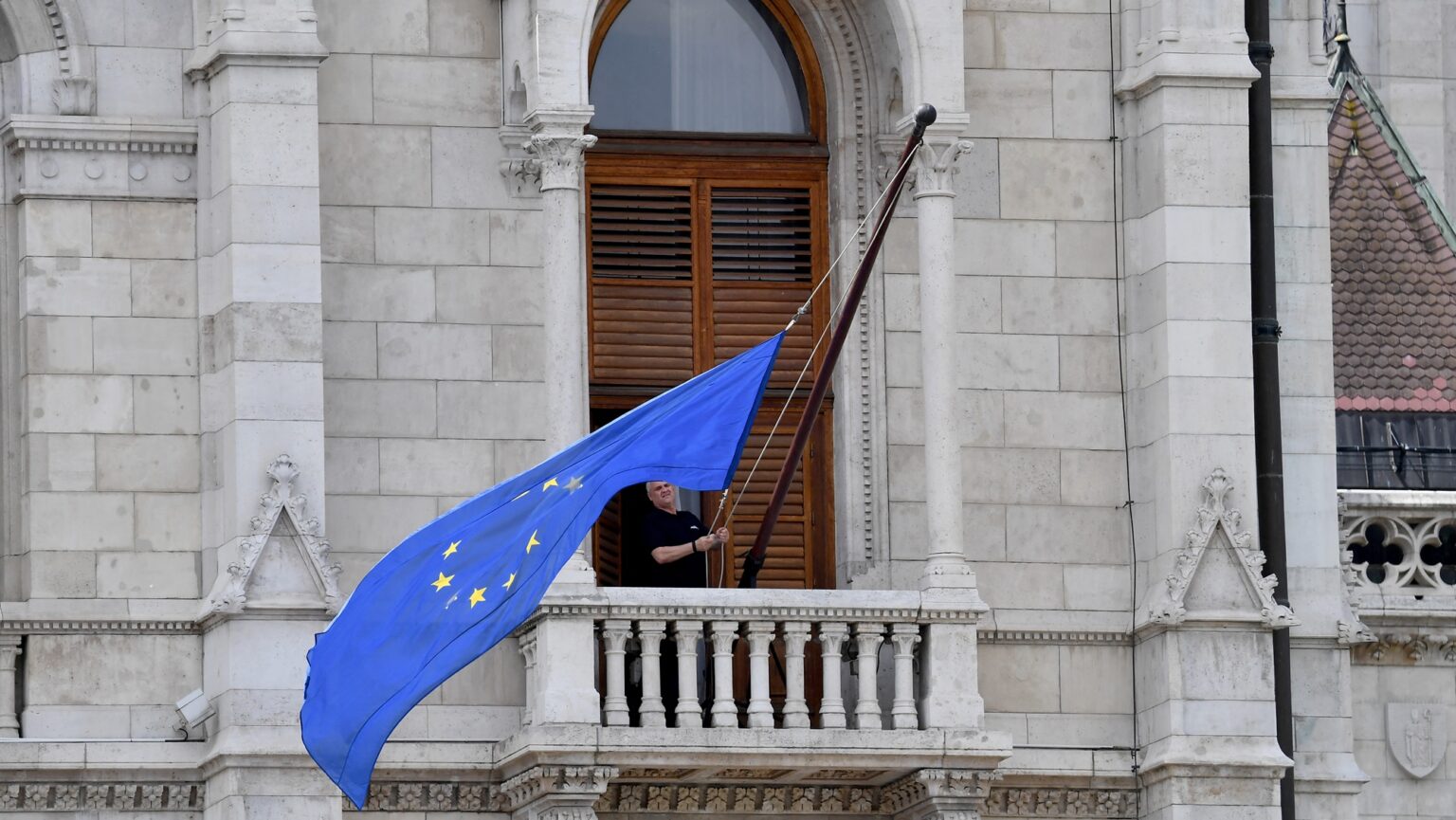
The European Commission has referred Hungary to the Court of Justice of the European Union over retail margin restrictions introduced as an anti-inflation measure. Brussels argues that the rules disproportionately affect foreign retailers, force companies to sell some products at a loss and breach EU rules on competition and freedom of establishment.
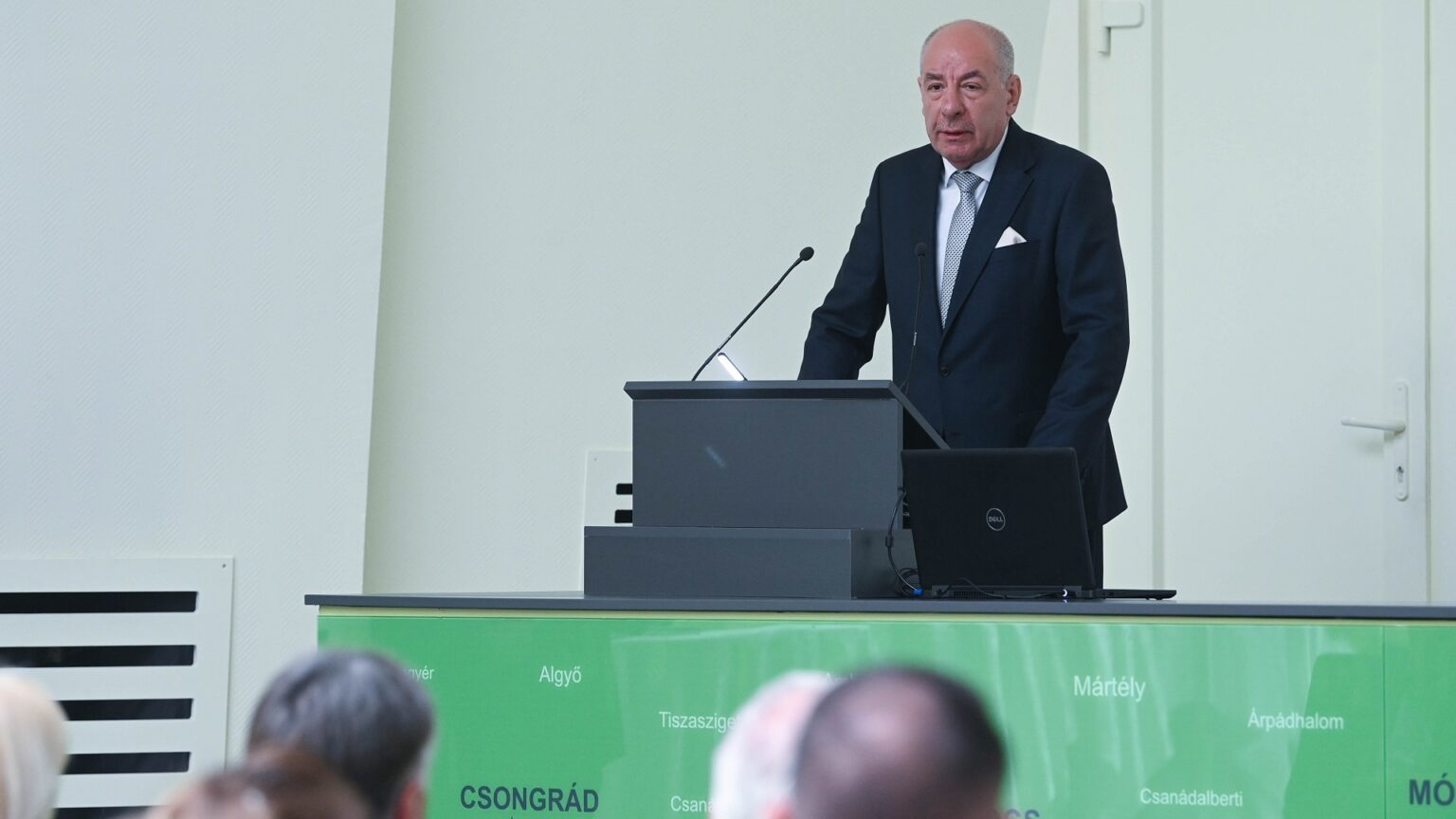
Hungarian President Tamás Sulyok has warned that the proposed 17th amendment to the Basic Law would erode the rule of law, weaken the separation of powers and set a dangerous precedent for the removal of independent officeholders.
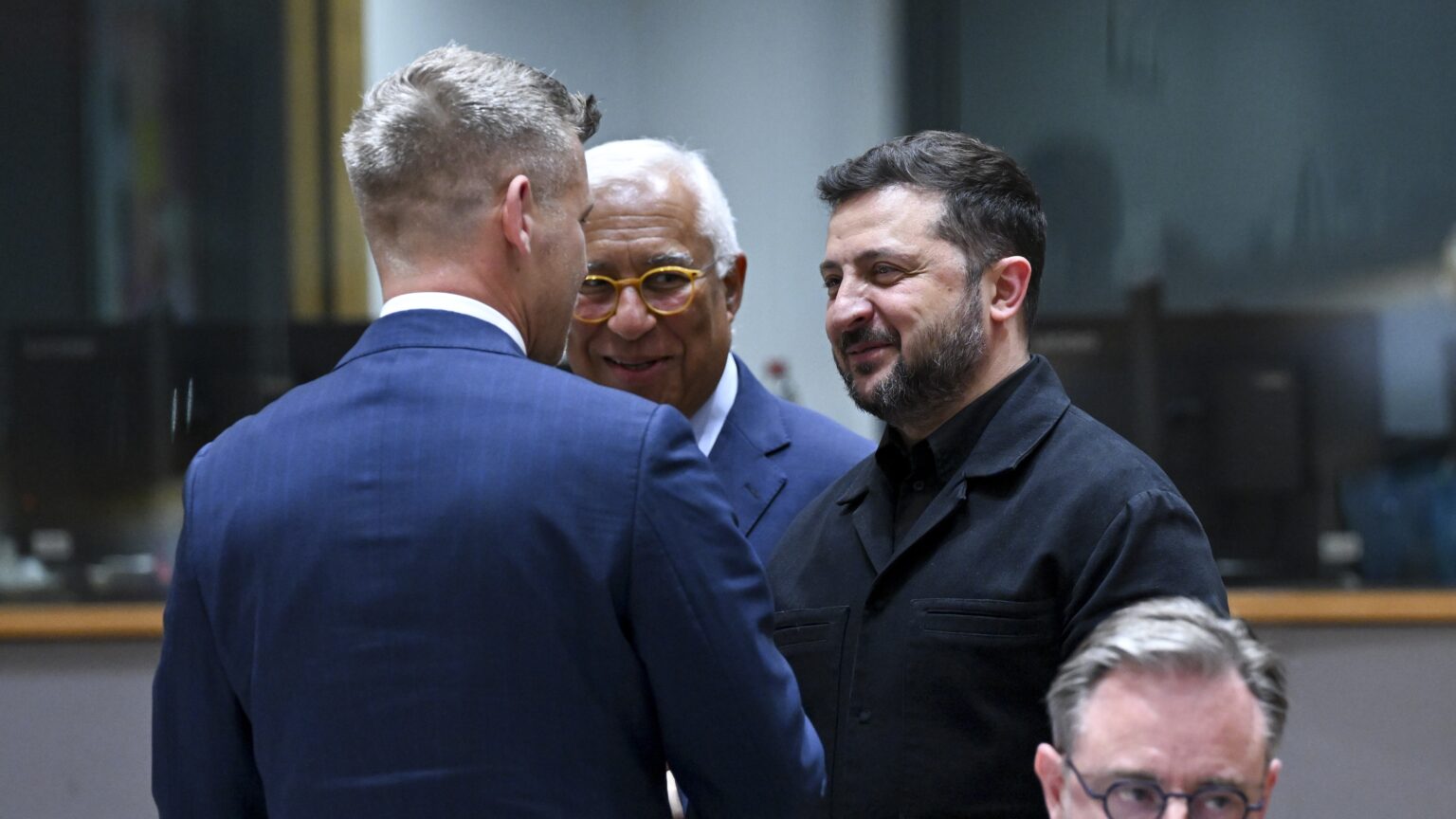
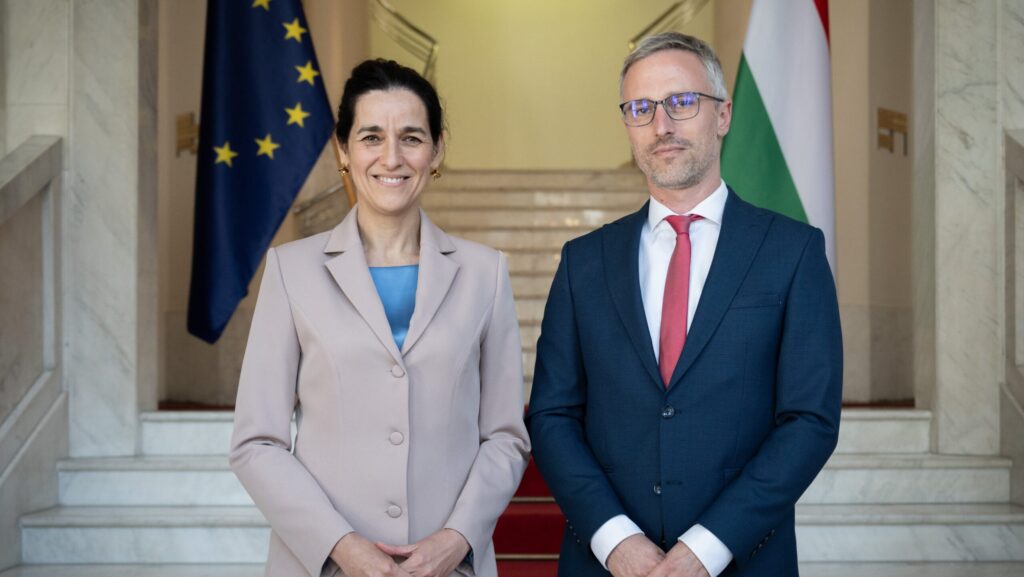
Hungarian Prime Minister Péter Magyar held brief talks with Ukrainian President Volodymyr Zelenskyy during the NATO summit in Ankara, agreeing to arrange a future bilateral meeting. Magyar reiterated that Hungary considers Ukraine the victim of Russia’s aggression but said Budapest would continue providing humanitarian assistance only, refusing to send weapons or troops.
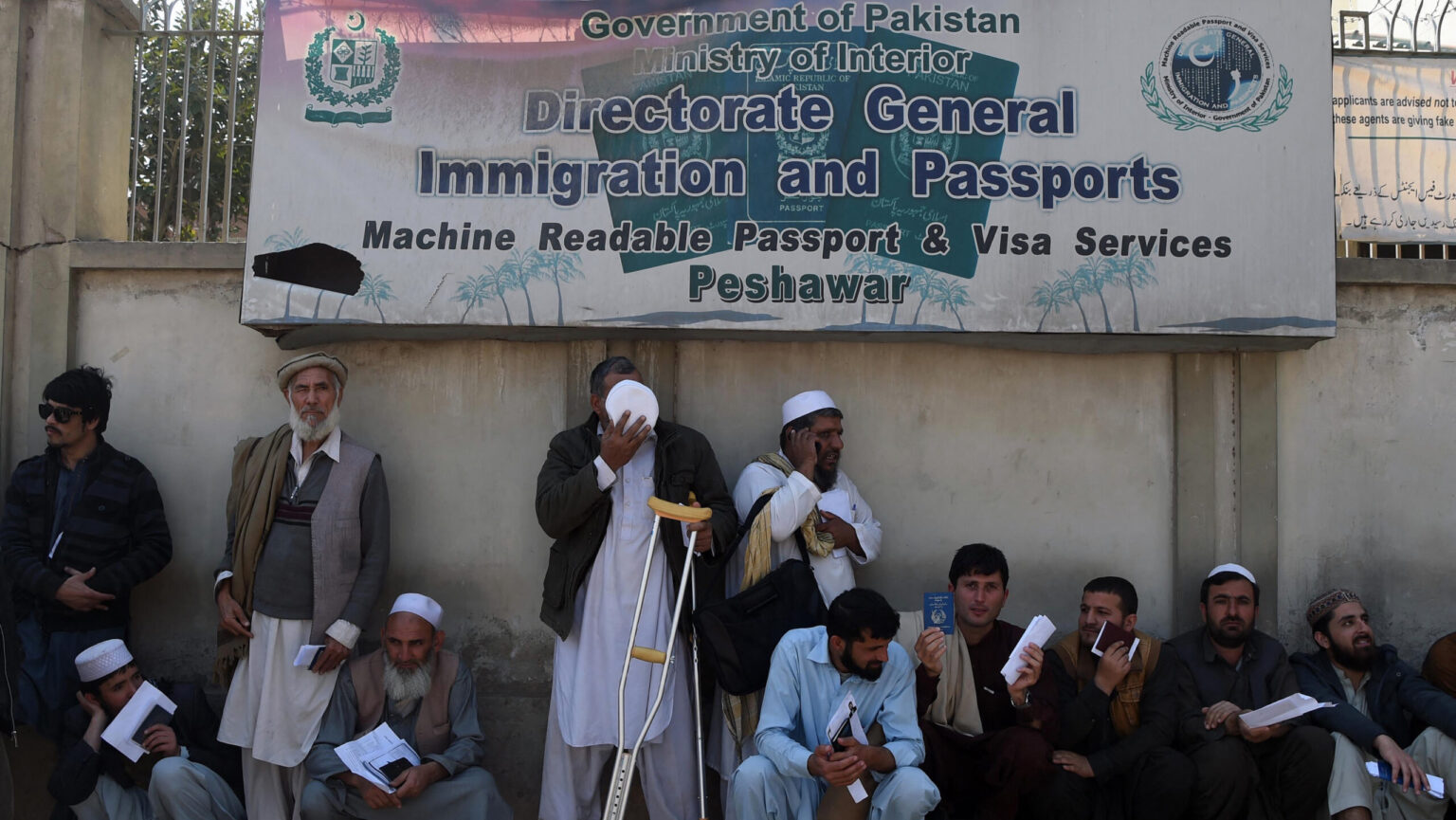
Pakistani nationals granted Skilled Worker visas were accompanied by almost six times as many dependants as main applicants, according to newly released British Home Office data. The figures—more striking still under the Health and Care Worker route—underscore the scale of supposedly controlled legal migration as Labour prepares to expand sponsor-led inflow through new pathways.

The leadership of the Mathias Corvinus Collegium says the planned dissolution of its public-interest foundation is a legally required procedural step rather than an unexpected government decision, and insists the institution’s programmes will continue without disruption.
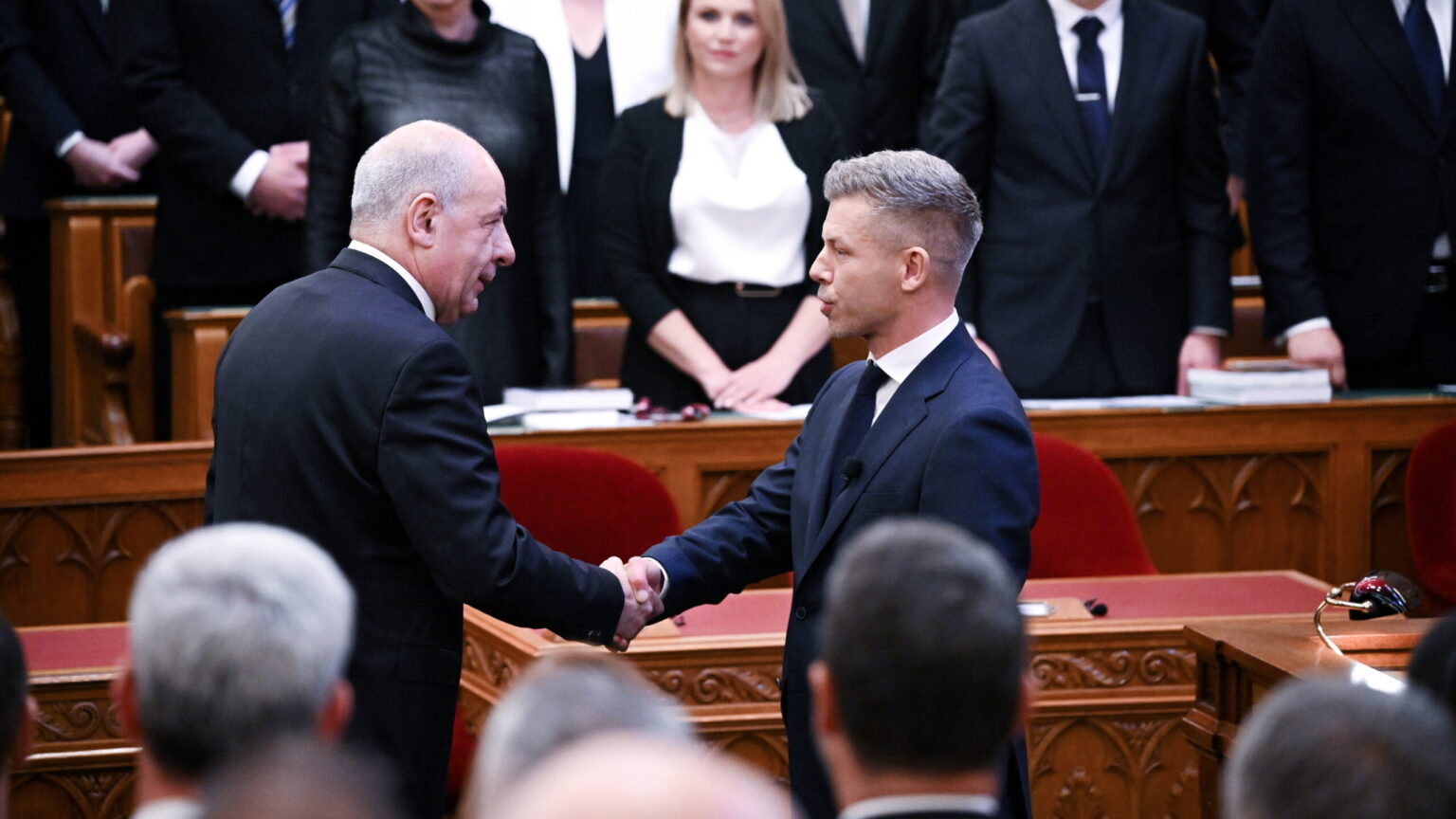
Hungarian President Tamás Sulyok has published his submission to the Venice Commission, asking the Council of Europe body to assess whether a proposed constitutional amendment ending his mandate before its expiry would comply with European constitutional standards.
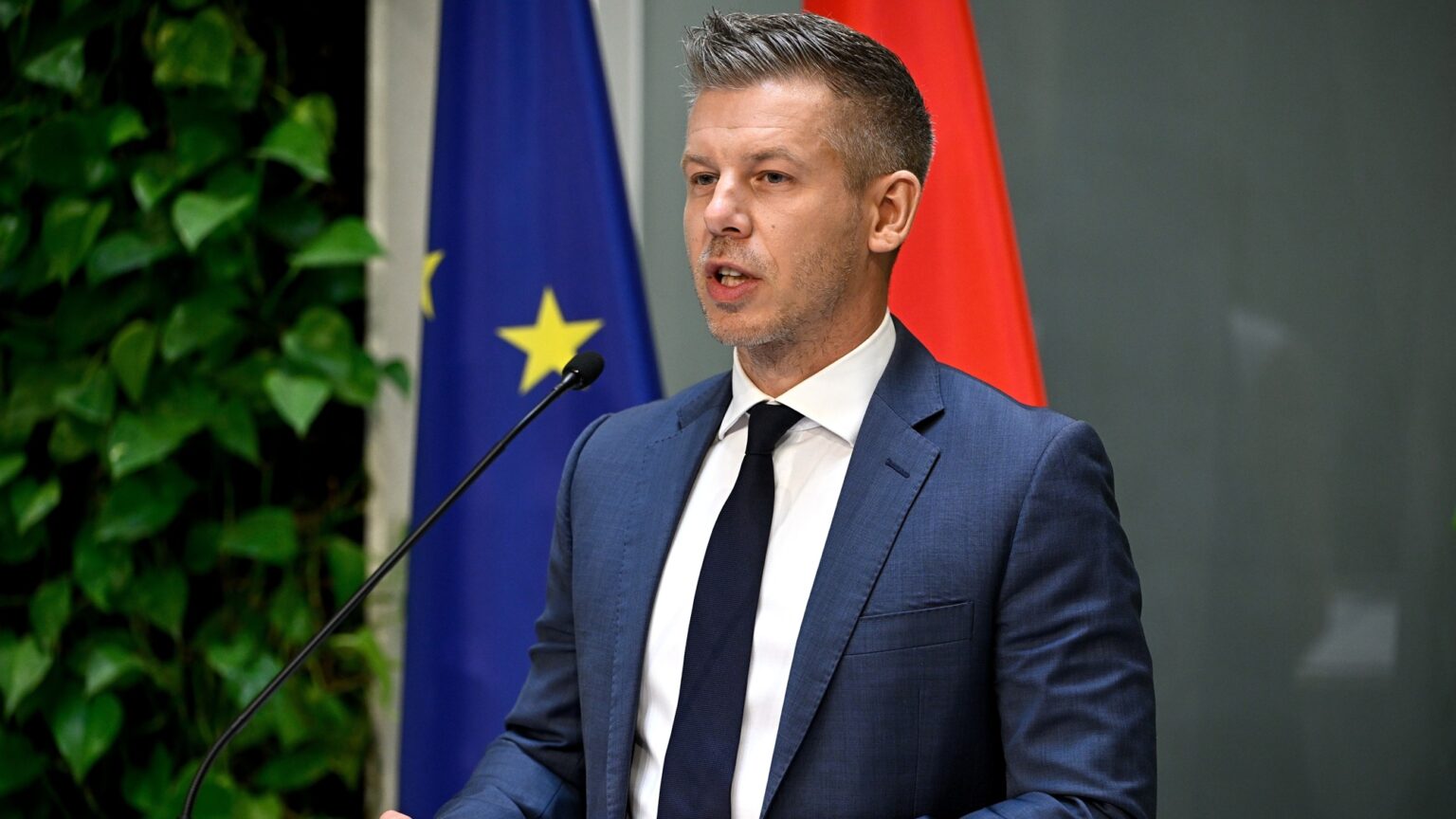
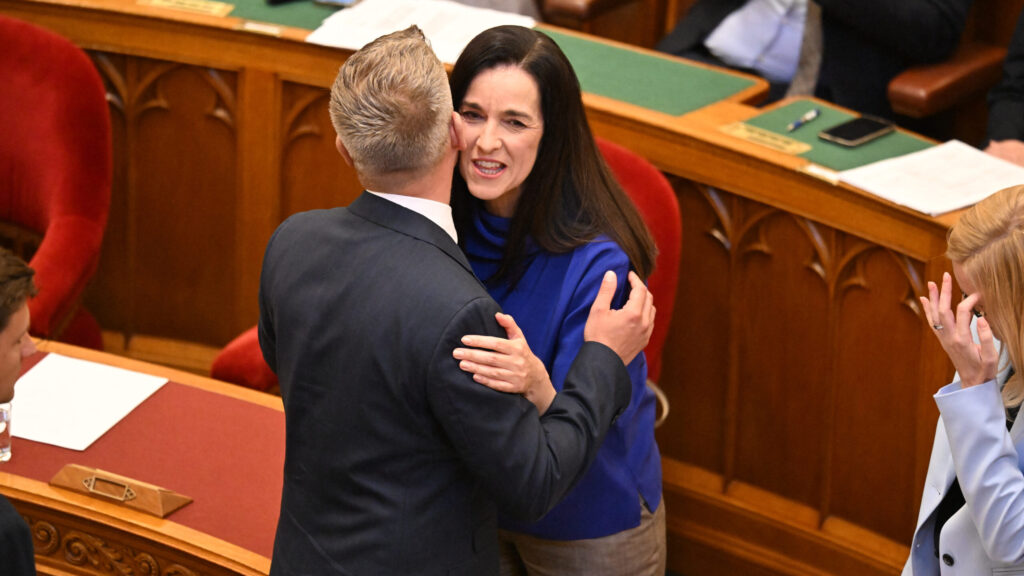
Prime Minister Péter Magyar of Hungary has unveiled a planned constitutional amendment that would remove President Tamás Sulyok from office. The proposal has sparked fierce criticism from the opposition Fidesz Party, while Sulyok himself argues it is a measure targeting a specific individual.

Hungary’s constitutional clash has widened beyond President Tamás Sulyok, as Prime Minister Péter Magyar and former president János Áder traded accusations over the government’s planned constitutional overhaul and the funding of Áder’s climate foundation. Magyar submitted the 17th Amendment over the weekend, which would remove Sulyok from office the day after its adoption.
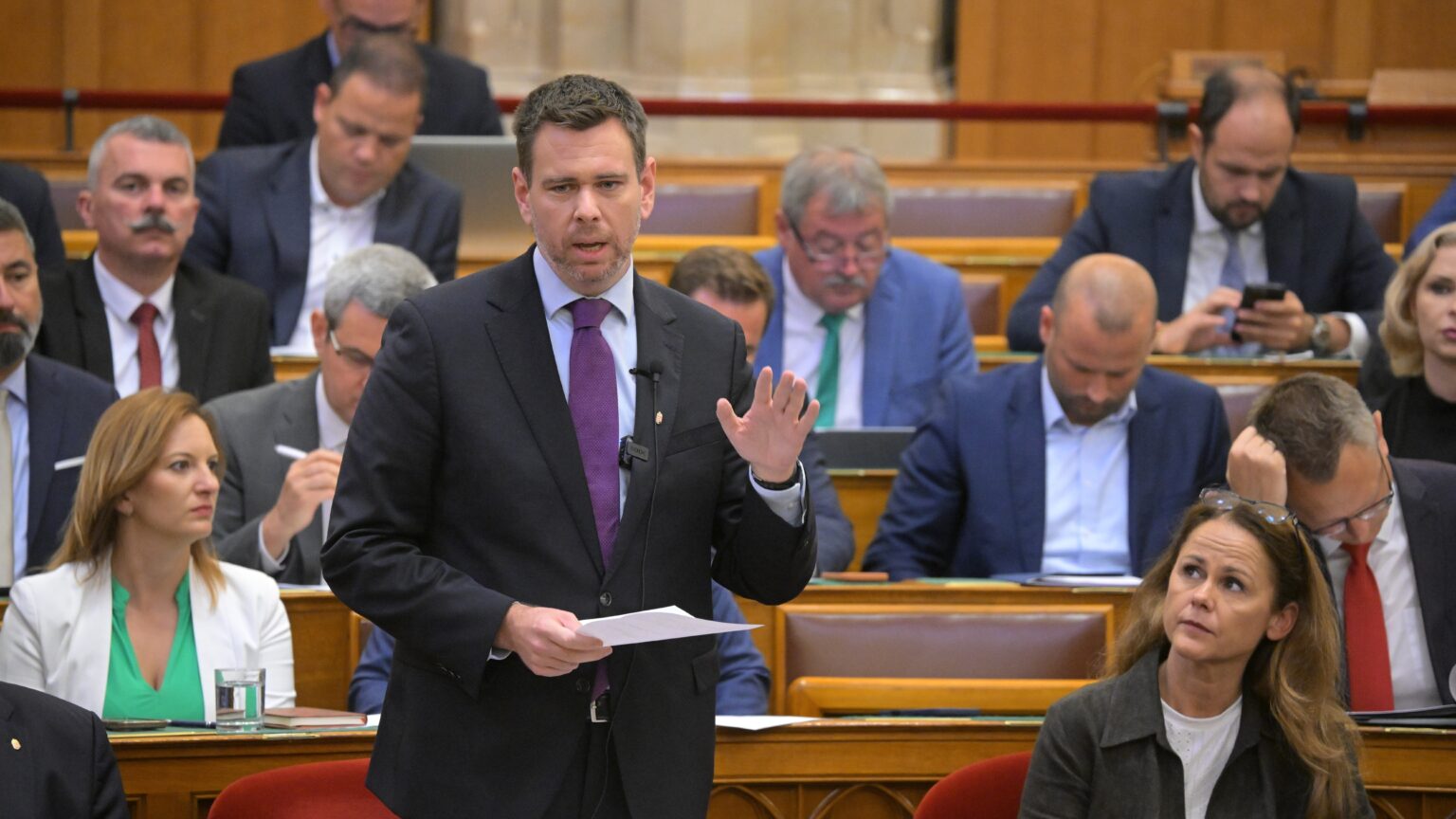
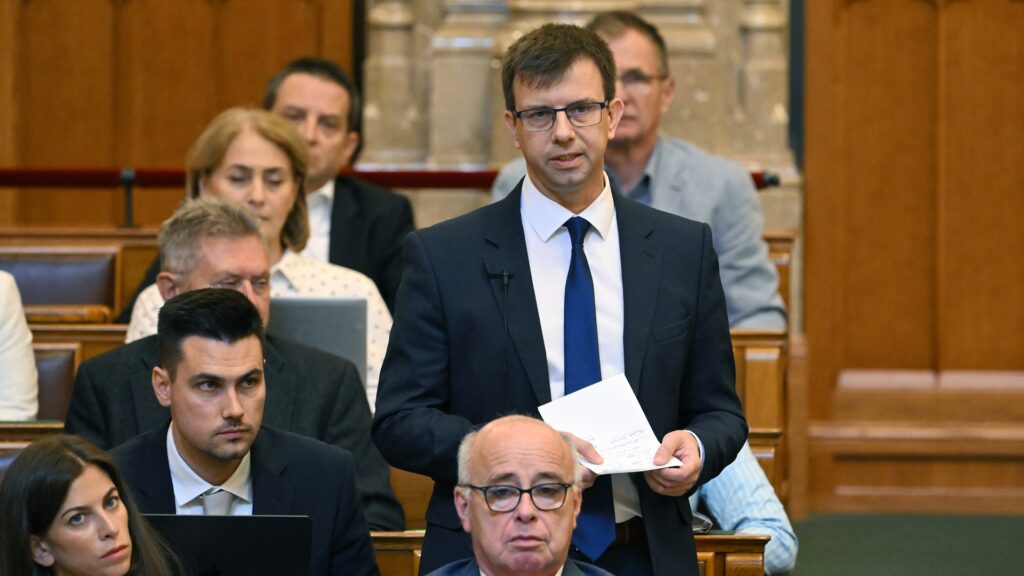
Transport Minister Dávid Vitézy told Parliament that negotiations with the European Commission on €16.4 billion in EU funding have concluded, with a final decision expected from EU finance ministers later this week.
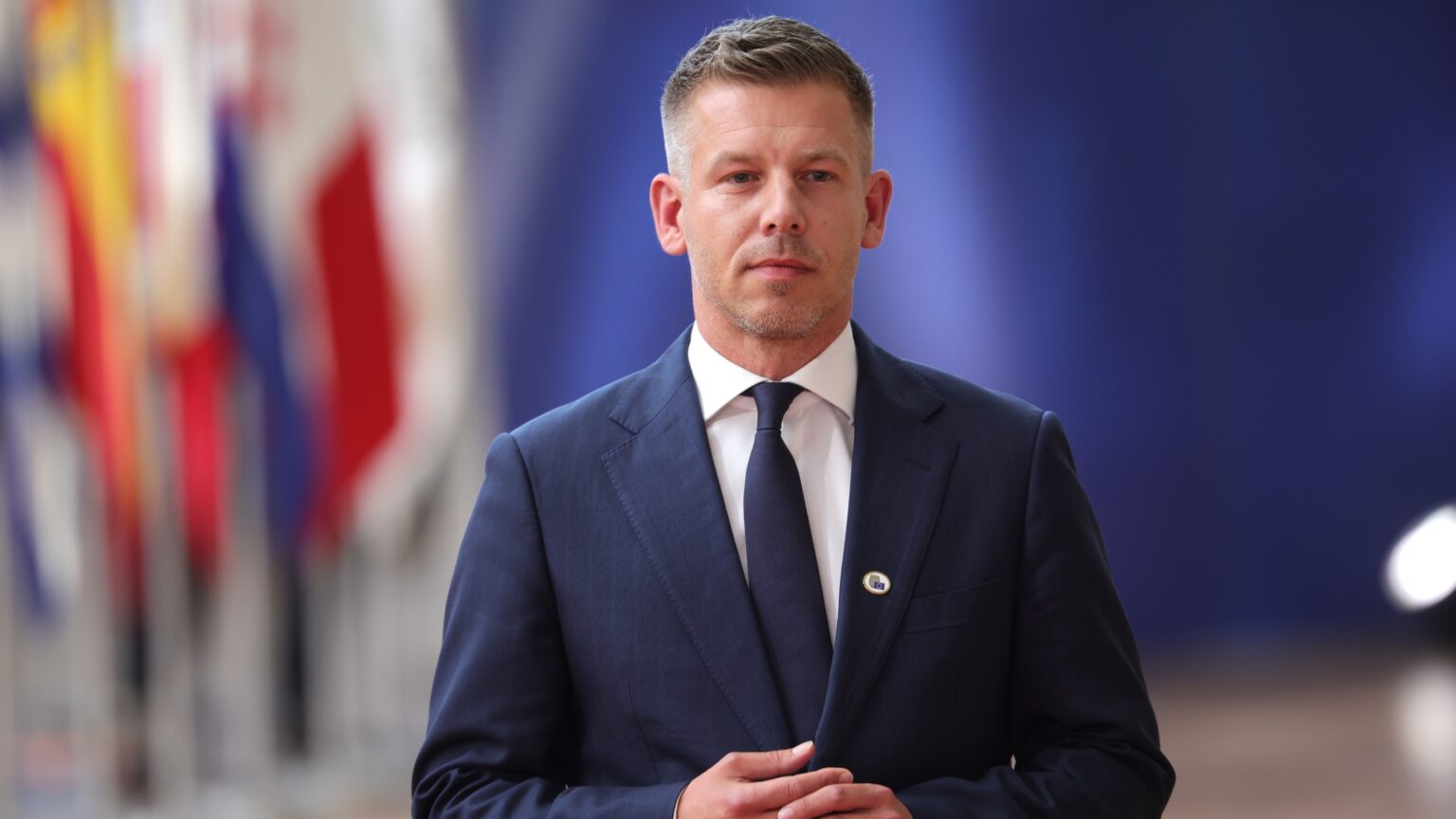
Hungarian Prime Minister Péter Magyar will attend his first NATO summit as head of government this week before remaining in Türkiye for a four-day private holiday with his sons, while Deputy Prime Minister Bálint Ruff oversees domestic affairs.
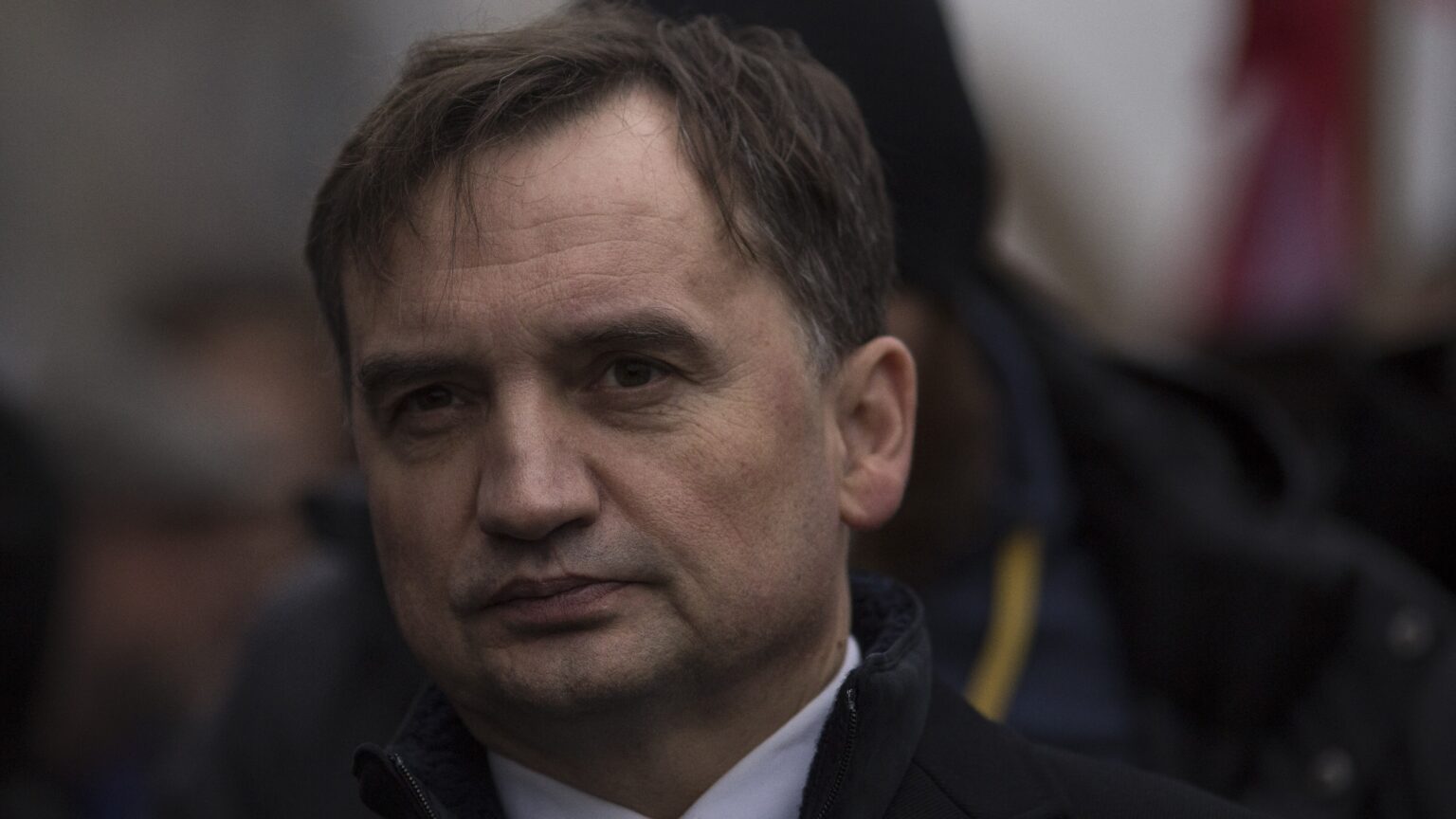
Hungarian Prime Minister Péter Magyar’s government has revoked the refugee status of two key figures linked to Poland’s former Law and Justice (PiS) government, ending the protection granted under Viktor Orbán. The decision could strengthen Warsaw’s efforts to bring the former officials before Polish courts.

‘The Commission believes that the phenomenon cannot be confined to the English Channel only and that tackling it requires a route-wide approach: the pressure on the UK actually stems from the entire system of migration routes to Europe.’

Ireland assumed the rotating presidency of the Council of the European Union on 1 July, handing one of the bloc’s most socially progressive and pro-Brussels governments control of the EU’s legislative agenda for the next six months. While Dublin promises competitiveness and security, conservatives warn it will use the role to advance progressive priorities across Europe.

Hungary has opposed a European Commission proposal aimed at supporting Ukraine’s wartime mobilization by limiting automatic EU protection for military-age men fleeing the country. The decision came just days after Budapest blocked the opening of all negotiating clusters in Kyiv’s EU accession bid and closely mirrors the position previously taken by Viktor Orbán’s government.
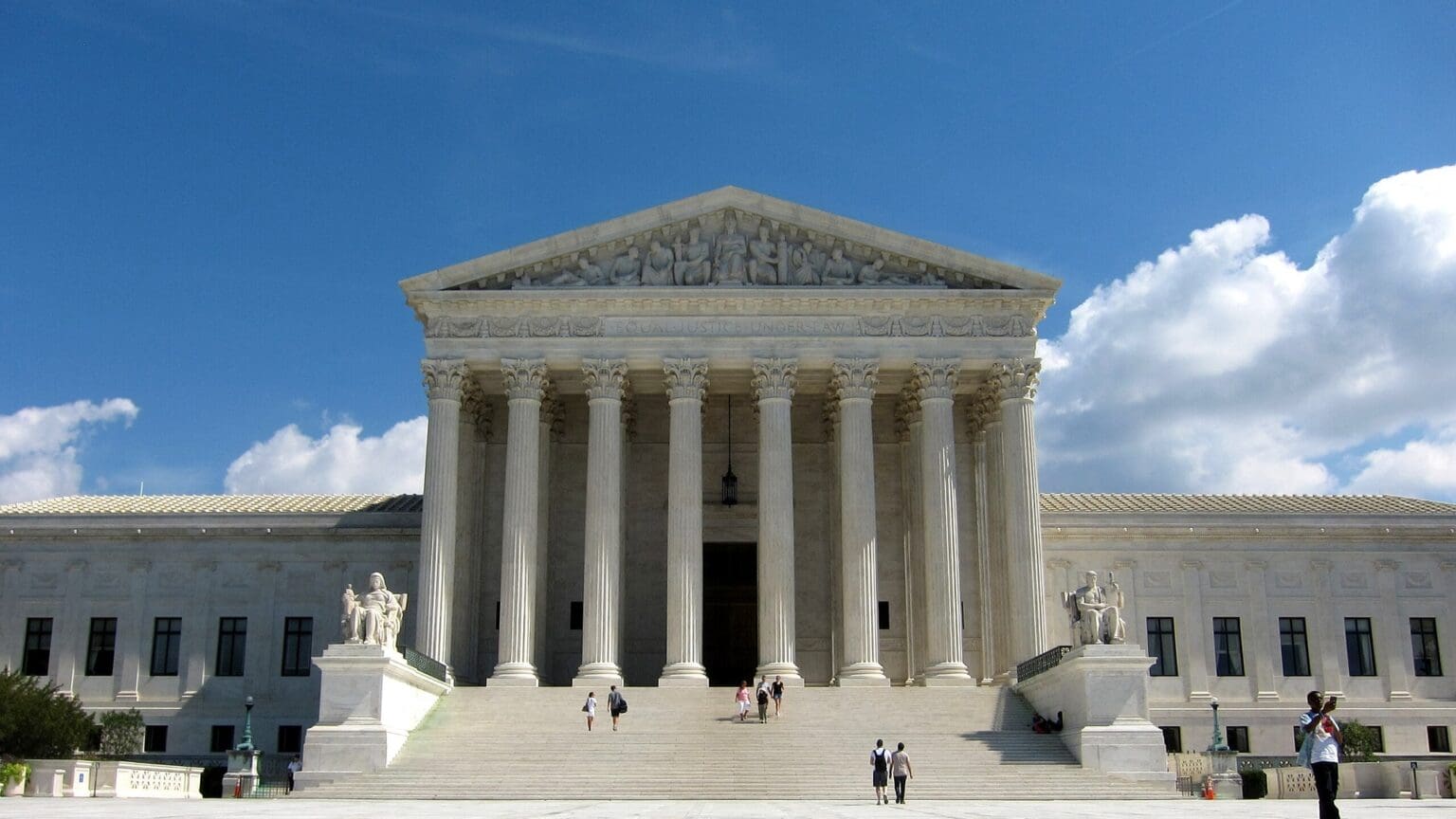
The US Supreme Court has delivered two landmark immigration rulings pulling President Donald Trump’s agenda in opposite directions, blocking his bid to restrict birthright citizenship while expanding executive authority over deportations. Together, the decisions could significantly shape the future of the administration’s emerging remigration agenda.

In a 135–44 vote, MPs for the ruling Tisza Party voted to abolish the Sovereignty Protection Office created by the Orbán administration in 2024, after finding that it ‘served no actual public good’.

Europe’s ideological hostility towards air conditioning has become a global talking point after more than 1,300 excess deaths were linked to the heatwave sweeping the continent. Social media users ridiculed Europeans for rejecting a technology regarded elsewhere as an everyday necessity, while the crisis also exposed the damaging impact of progressive green policies on vulnerable groups.

Budapest’s first Pride parade since Viktor Orbán lost power shifted the debate beyond freedom of assembly last year, as Mayor Gergely Karácsony called for the legalization of same-sex marriage. The proposal mirrors developments in neighbouring Poland, where comparable political and legal changes have gradually expanded LGBT rights following the fall of the conservative PiS government.

President of the Republic Tamás Sulyok of Hungary has attended the commemoration of the 1956 Poznań workers’ uprising in Poznań, Poland. At the event, he also met with his Polish counterpart, Karol Nawrocki.

‘Europe is no longer an actor, no longer a player in the global geostrategic chess game, but rather a target,’ historian Dr Tamás Dezső writes in the special print edition of Hungarian Conservative, The Geostrategy of Migration, about the European Union’s position in the global migration crisis.

‘Mongolia’s geopolitical dilemma is simple but profound. To the south lies China, with a population exceeding 1.4 billion. To the north lies Russia, with approximately 140 million inhabitants. Mongolia’s population is tiny in comparison, and its economy remains heavily dependent on trade with its neighbours.’
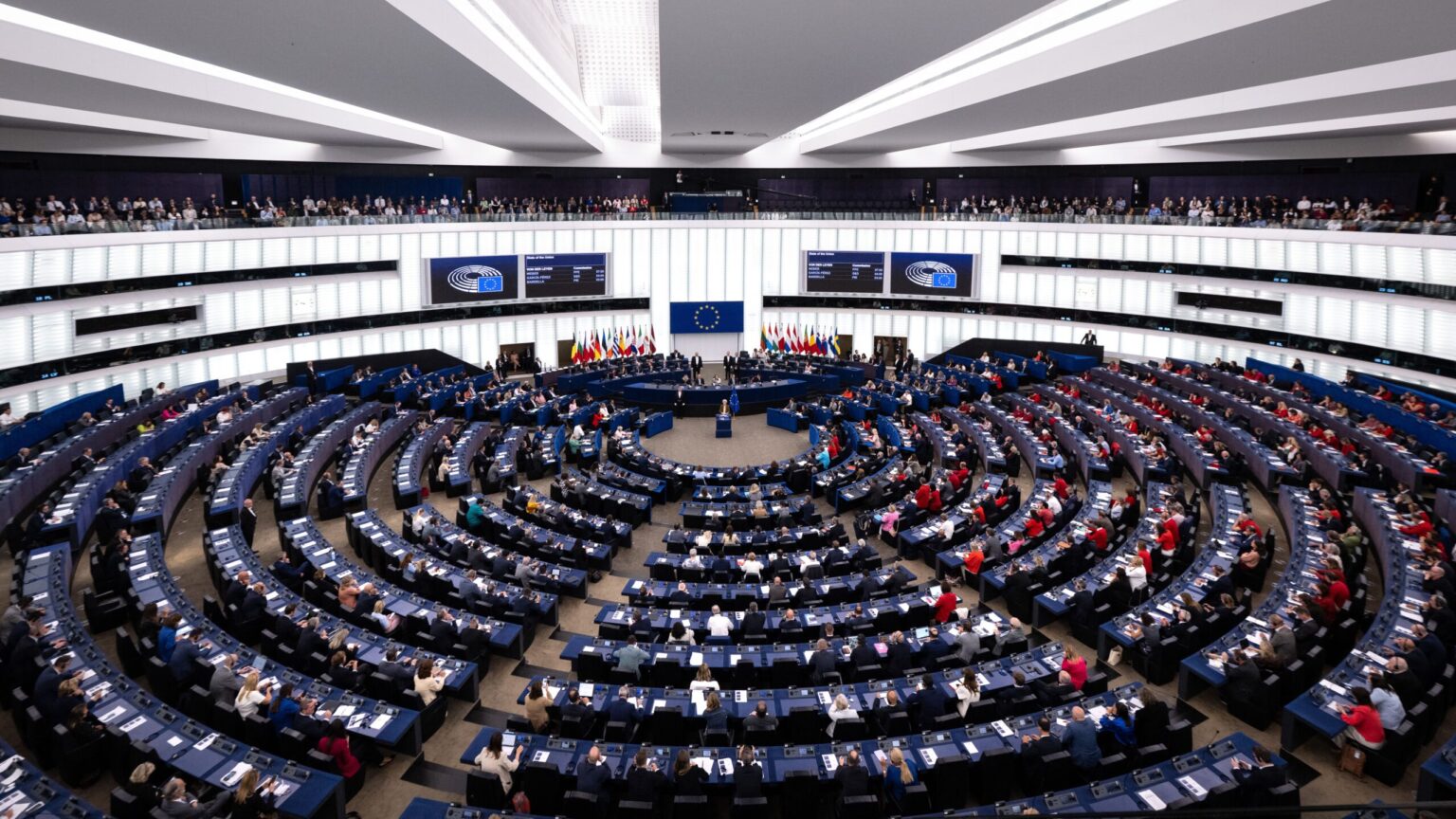
‘In the EP, immigration is the issue where the malfunction of the traditional Christian Democrat–Liberal–Social Democrat centrist coalition is most evident. That is why the increasingly strict approach of the right-wing parties in recent times naturally fits into the right-wing coalition, and thus the Patriots’ search for an alliance.’

Britain’s Labour government has announced three new legal refugee routes that could open the door to thousands of new migrants entering the UK through community groups, universities, and employers. The plan comes amid increasingly strong anti-immigration sentiment across the country and has revived scrutiny of the Fabian Society’s influence on Labour.

Republican Congressman Andy Ogles has proposed one of the most far-reaching immigration bills in recent US history, introducing a Remigration Act that would expand denaturalization, restrict birthright citizenship, and broaden deportation powers. The draft comes amid a wider immigration crackdown under President Donald Trump.

At New York’s Democratic primaries, Muslim candidate Darializa Avila Chevalier, who opposes deportations, defeated incumbent Congressman Adriano Espaillat in the 13th Congressional District. In a New York State Senate primary, Aber Kawas won the Democratic nomination despite controversy over comments appearing to blame the 9/11 attacks on Islamophobia.

Less than a week after the EU approved its toughest-ever deportation framework, member states are already discussing where to establish the bloc’s first offshore return hubs, hoping they will be operational as soon as 2027. According to reports, Rwanda, Uganda, and Uzbekistan have already emerged as potential host countries.
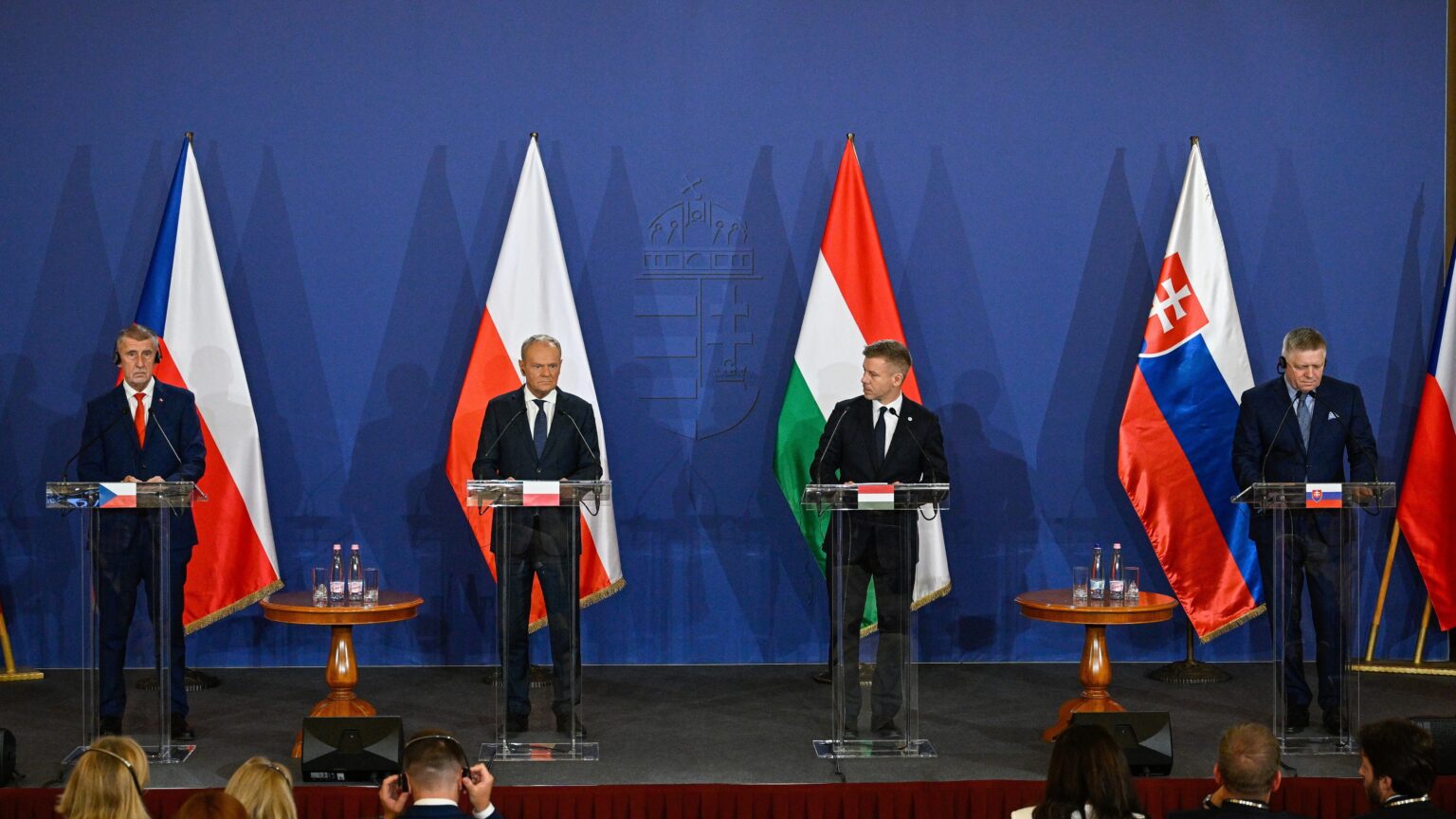
The leaders of Hungary, Poland, the Czech Republic, and Slovakia have agreed to deepen cooperation within the Visegrád Group, pledging closer coordination on European Union policy, regional infrastructure, energy, digitalization, and competitiveness following a summit in Gödöllő.
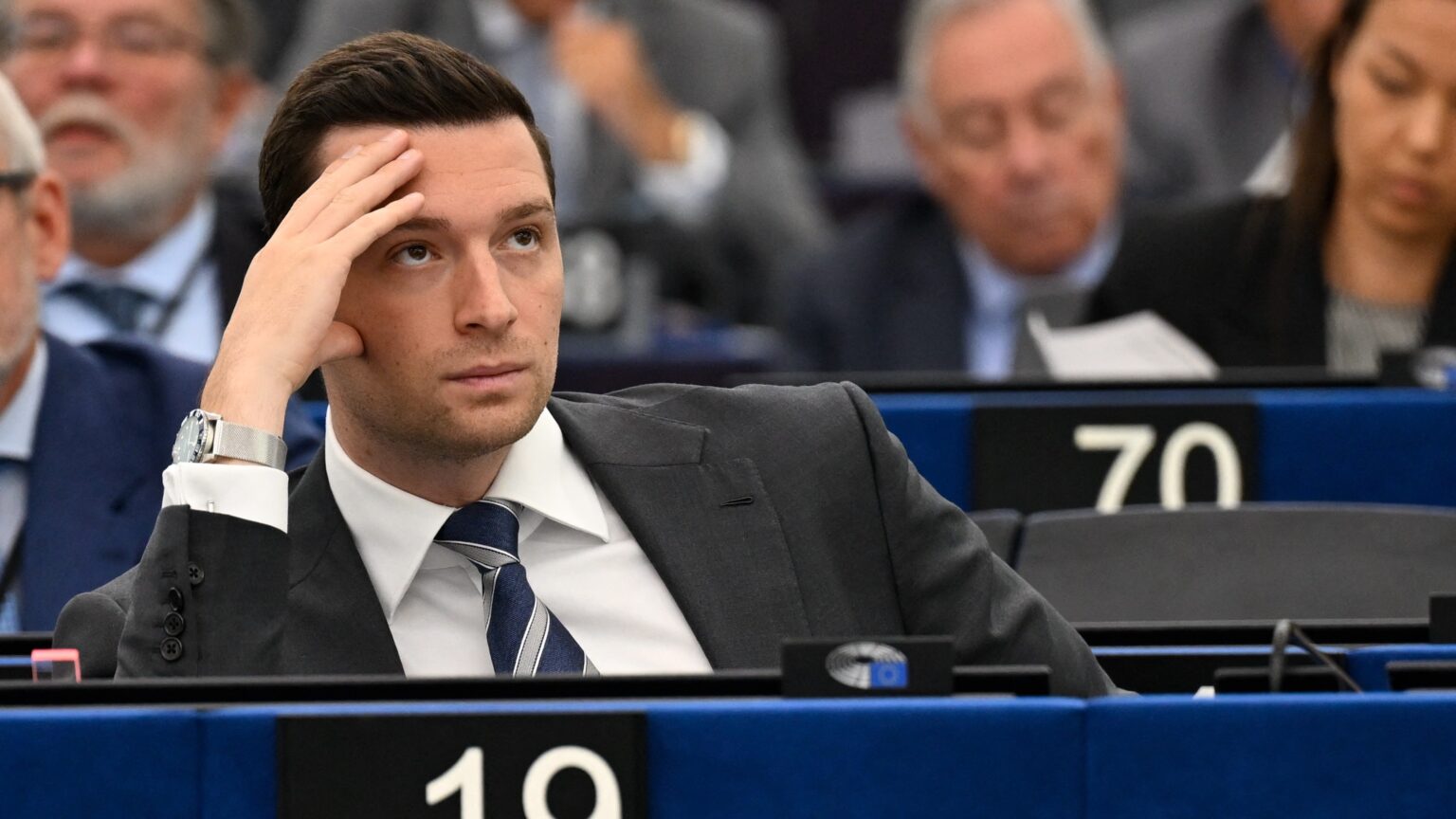
‘The current accusations follow an investigation initiated by the European Parliament’s Budgetary Control Committee against the right-wing group, after allegations of earlier mismanagement surfaced. The group might also be found liable for 4.3 million EUR allegedly misused by the now-defunct Identity and Democracy (ID) group.’

At a time when public debate is increasingly polarized and superficial, Hungarian Conservative remains committed to depth and independent thought.
Donate Now
Please consider supporting our mission.