


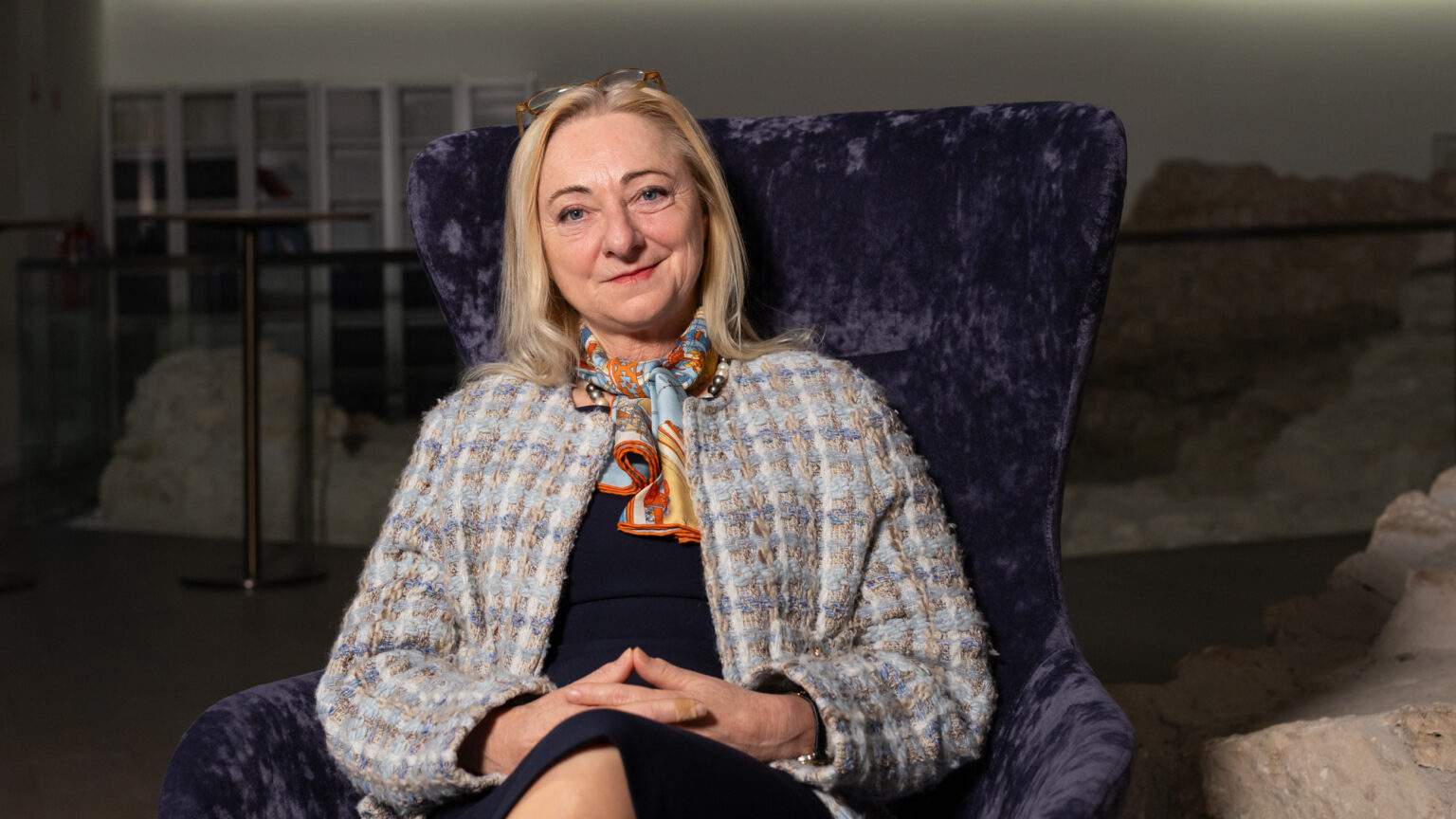
What are the main structural problems of the European economy in 2026? Is breaking away from Russian energy supplies a wise decision? What would be the cost of Ukraine’s accession to the EU? We spoke to the Director of the Austrian Economic Center and President of the Hayek Institute about the current structural problems and future prospects of the European economy.
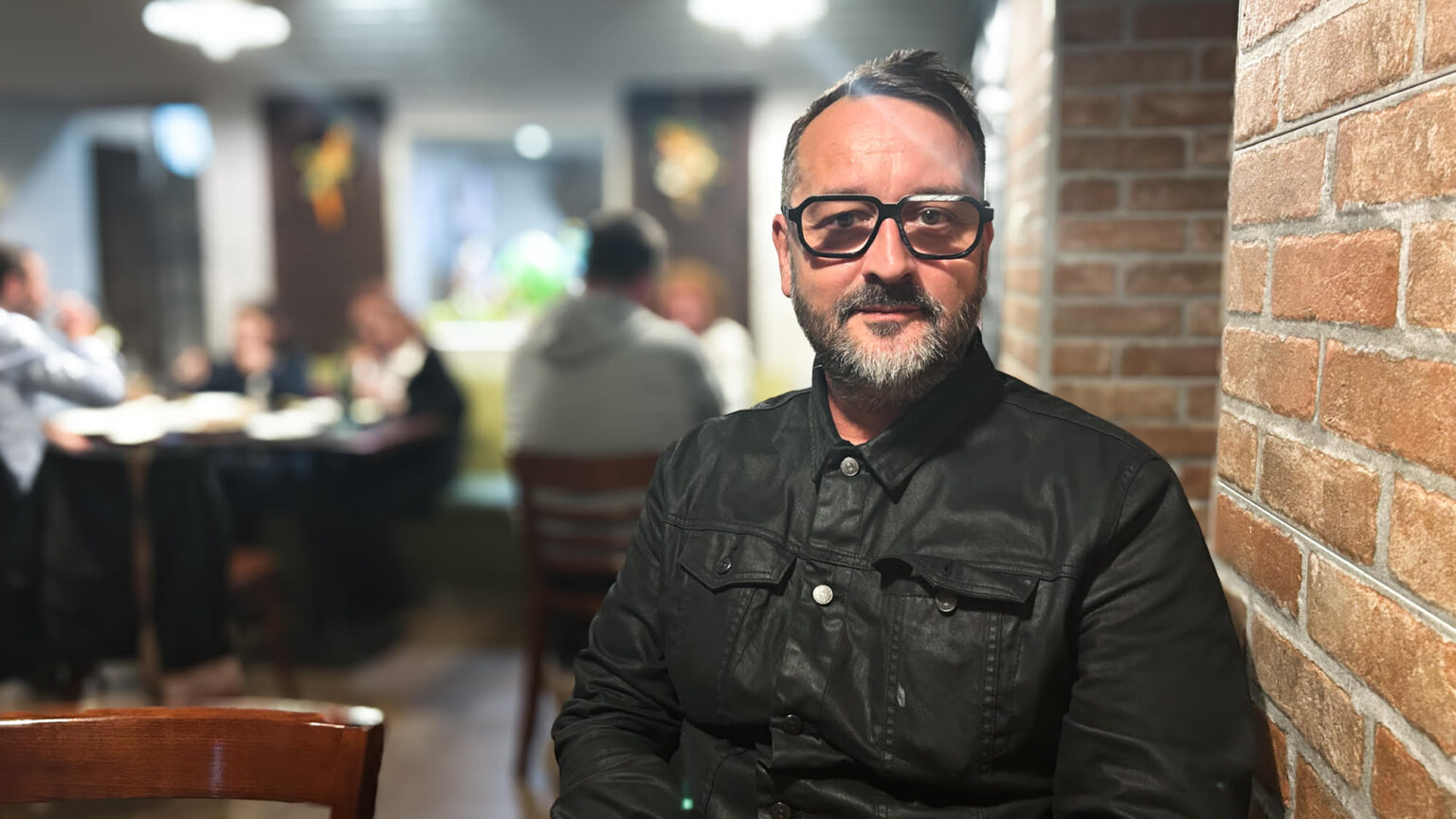
‘A peaceful vacation in Zanzibar turned into a war-torn Omani quarantine.’
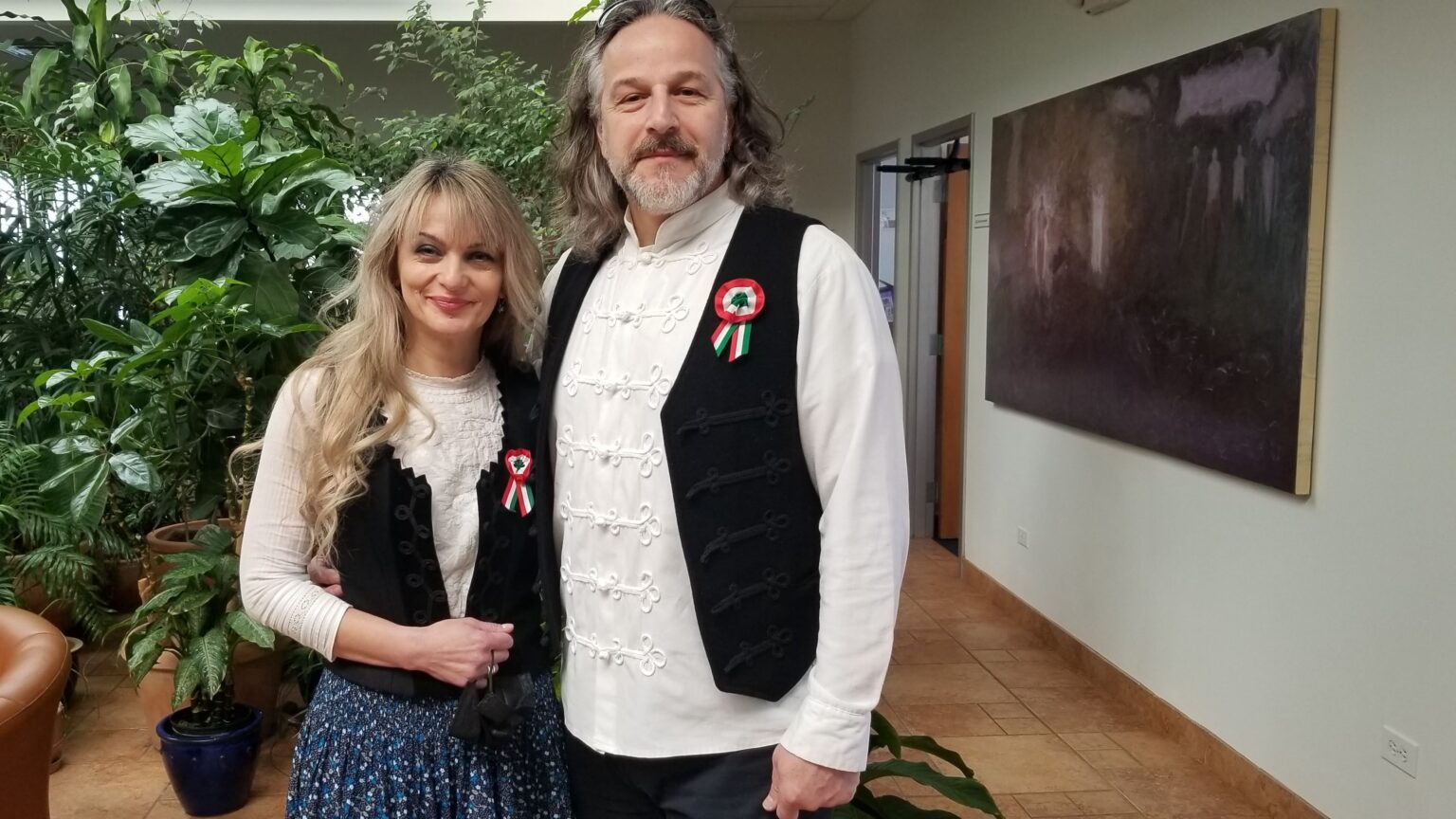
‘Our foundation was established for the Hungarians of Cleveland—to promote Hungarian community life and strengthen the sense of belonging among them. We work for them together with my wife and my friends, whom I’m grateful to for their support.’

‘You have a left that is totalitarian in the sense that they’re not for free speech. They don’t really have the best interests of the culture in mind. They’re not open for debate. They’re open for demonization. They want to demean you, they want to demoralize you, they want to prevent you from speaking, and they want to take away your ability to make a living.’
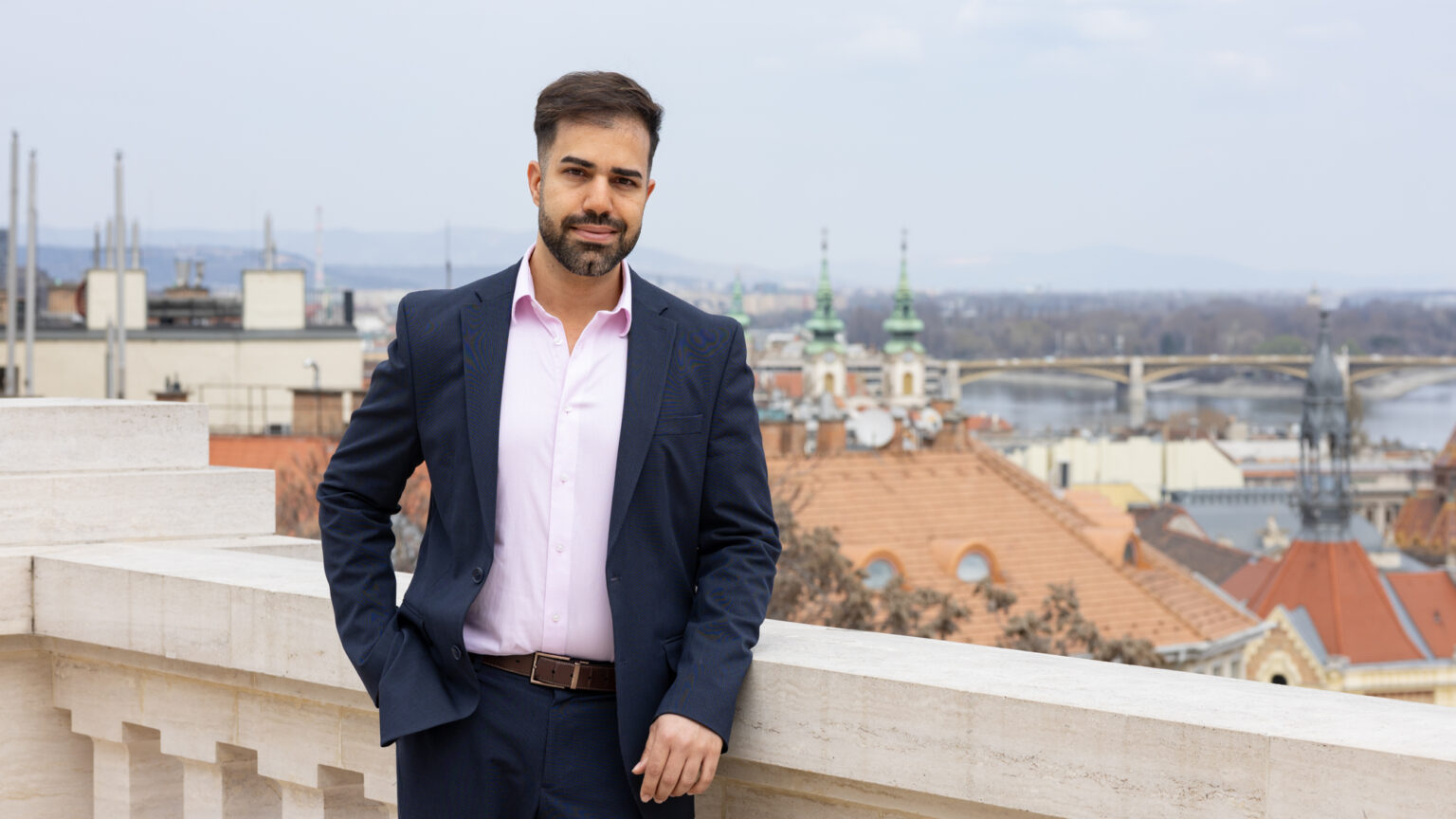
Is the Iran war an act of aggression or a pre‑emptive war? Is the Iran war going according to schedule, as Trump said? What scenario would follow if the Iranian regime fell? We spoke to the Senior Fellow at the David Institute for Security Policy about Israel’s war strategy and ultimate war goals, and the possible end of the Iran–Israel conflict’s open war phase.
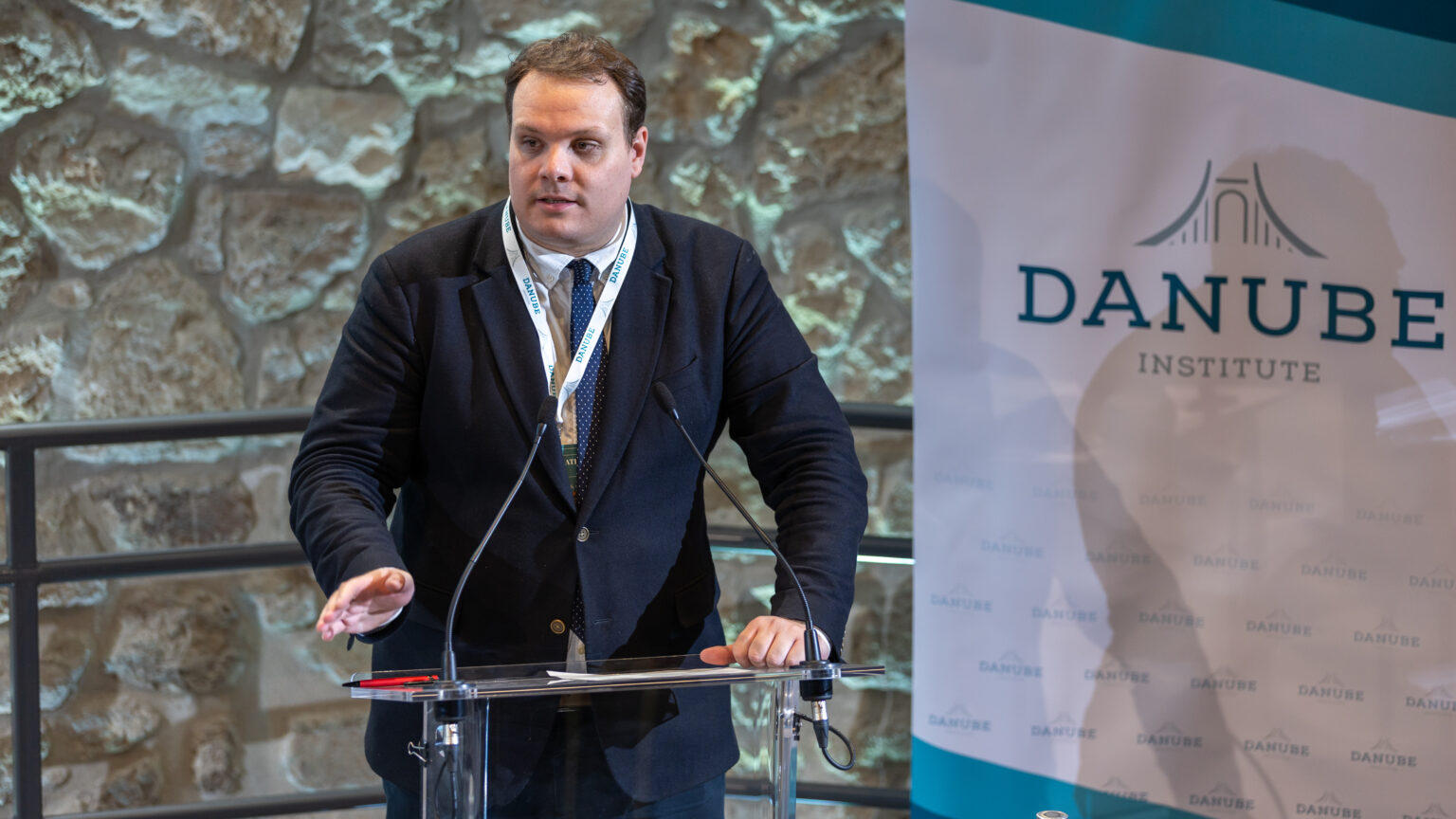
Hungary has a unique approach to supporting its diaspora beyond its borders, as well as fellow Christians in need in the Middle East and Africa. This strategy shares a common goal: helping people locally so that they can succeed in their own homelands.

‘…you see two very clearly distinguishable trends, if you will. One is focused on what we stand for: history, tradition, families, God, and homeland…And common sense also, which we shouldn’t forget. On the other hand, you have the progressives…they’re about everybody being an individual, nations do not matter anymore, traditions are not important, and so forth.’
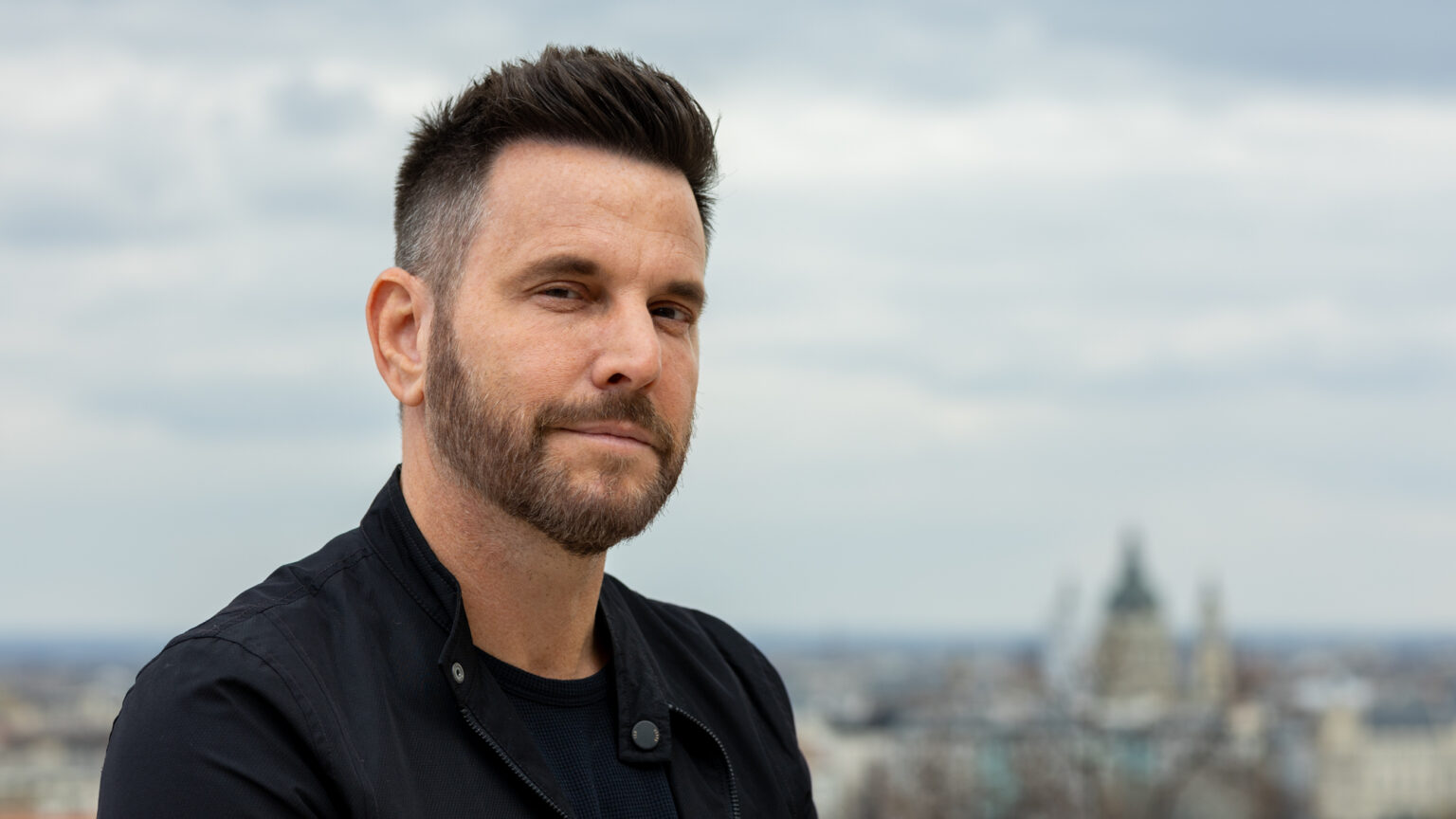
‘We forget how good we have it. It’s sort of what I was just referencing on my show…You guys have now had it so good because you’ve had a leader who’s kept your nation safe and secure, that you could potentially be on the verge of giving that up, only because you don’t realize that the rest of Europe has done it a different way. Because people only see what they see right in front of them…’
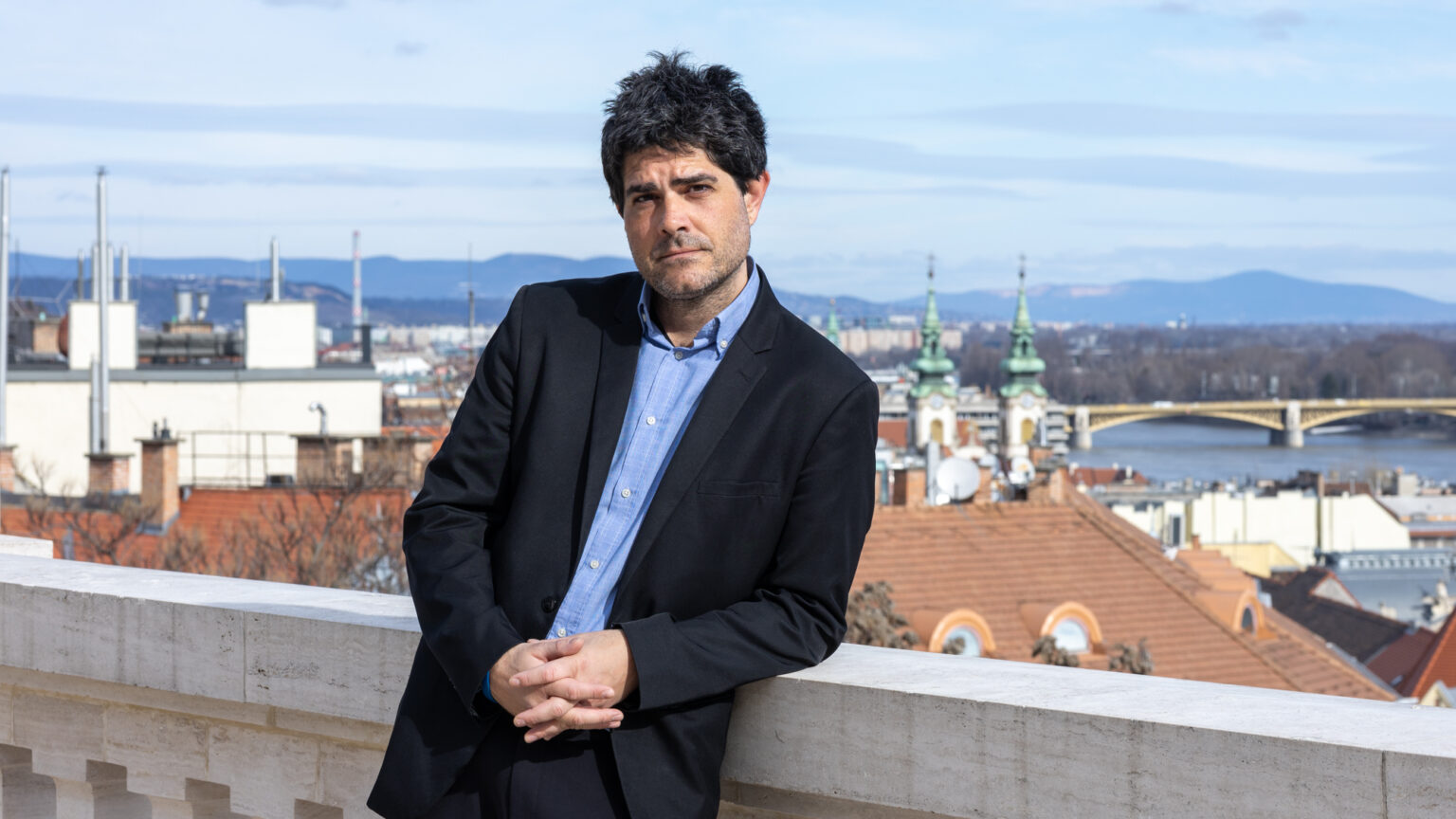
Does the European Commission defend us from foreign interference and disinformation, or the opposite? How many NGOs and media companies receive EU money for promoting the Brussels agenda? How disproportionate is the EU funding system? We asked the British writer and journalist about the EU’s propaganda and censorship aimed at keeping people ‘free’.

Viktor Orbán has inspired other conservative Christian leaders to step forward, Carter LeCraw, founder of American Values Investments, told Hungarian Conservative. Framing Hungary’s upcoming election as ‘very important’, he also discussed how value-based investing is similar to Orbán’s governance model, grounded in traditional values.
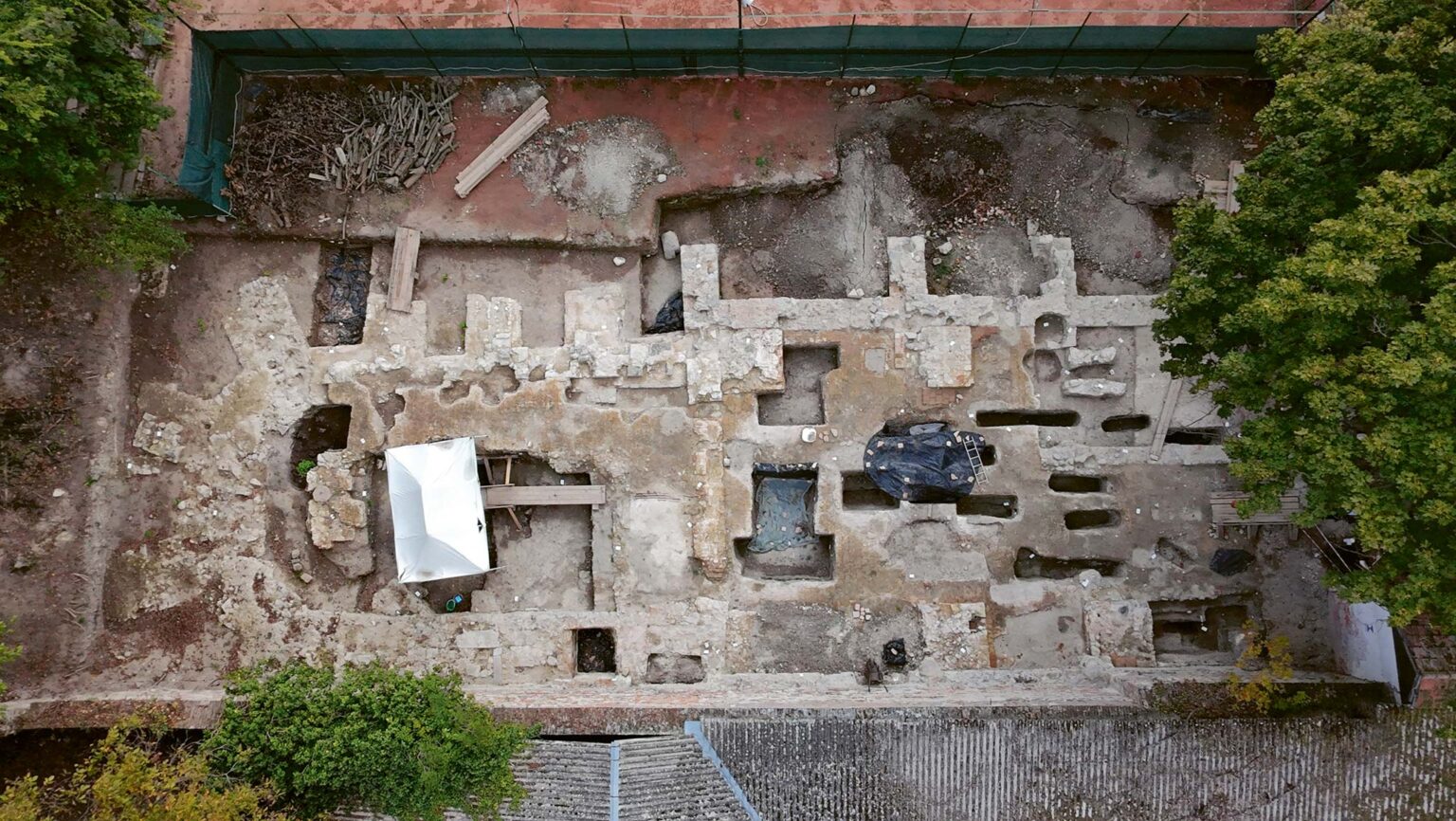
‘Padlocks are a rare find in Hungarian graves…In 16th–18th-century Poland, for example, burial with a padlock was significantly more common…this custom was primarily, though not exclusively, characteristic of the burial of people who had been ostracized for some reason during their lives or after their deaths. Since they feared the dead might return from the grave, they placed a padlock with them to seal them in.’

‘It is the systematic elimination of a population that rejects a tyrannical regime: young and old, men, women, and even children. When tens of thousands are killed, hundreds of thousands injured, and thousands deliberately blinded, these are not isolated acts—they are the hallmarks of calculated mass killing.’
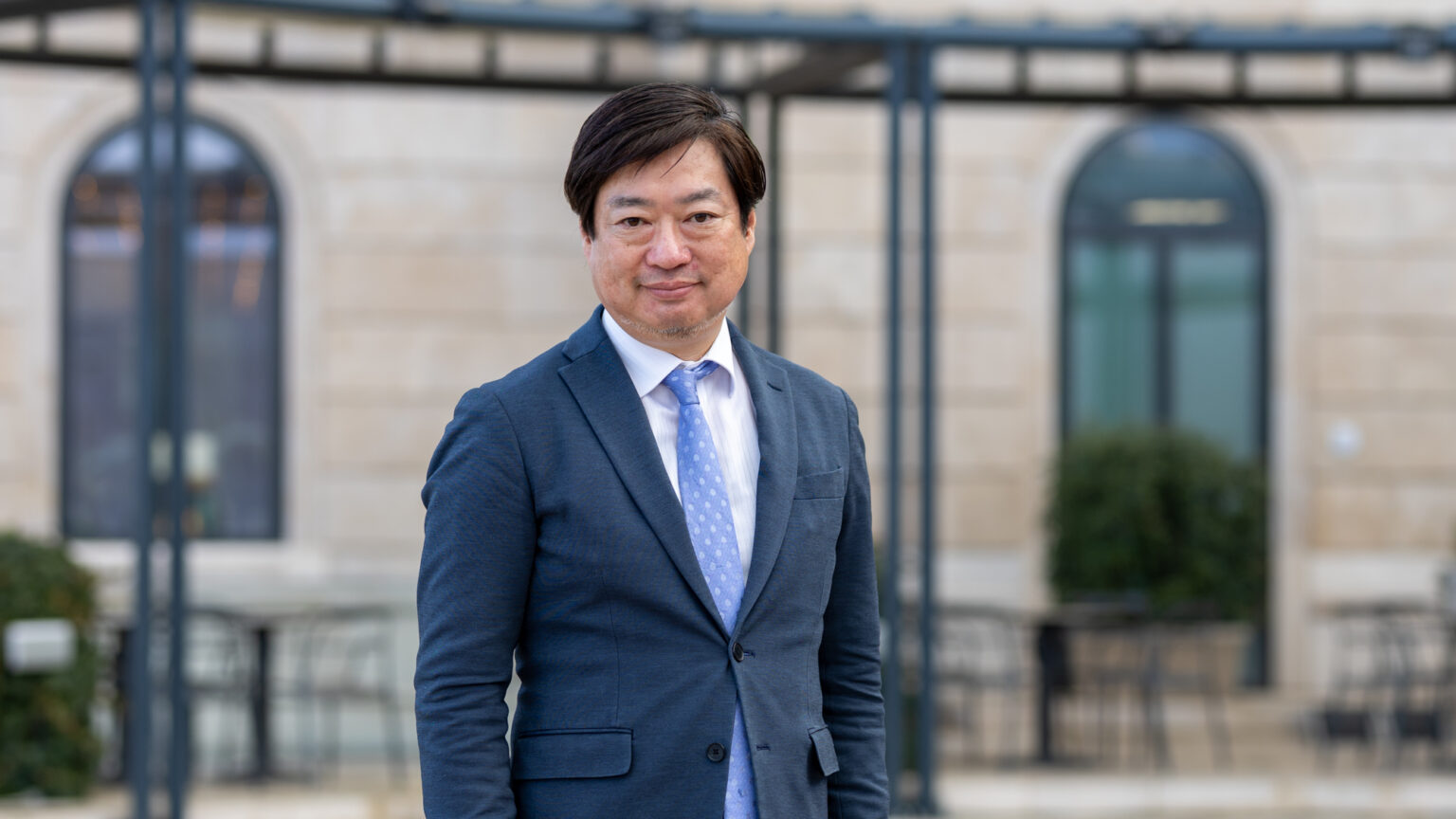
What does Japan’s ‘survival-threatening situation’ mean? Will the Japanese armed forces be capable of defending the country by 2027? Can Japan still remain a pacifist state? We asked a Japanese expert, a former Special Advisor to the Minister of Defense, about Japan’s preparations for possible Taiwan conflict scenarios.
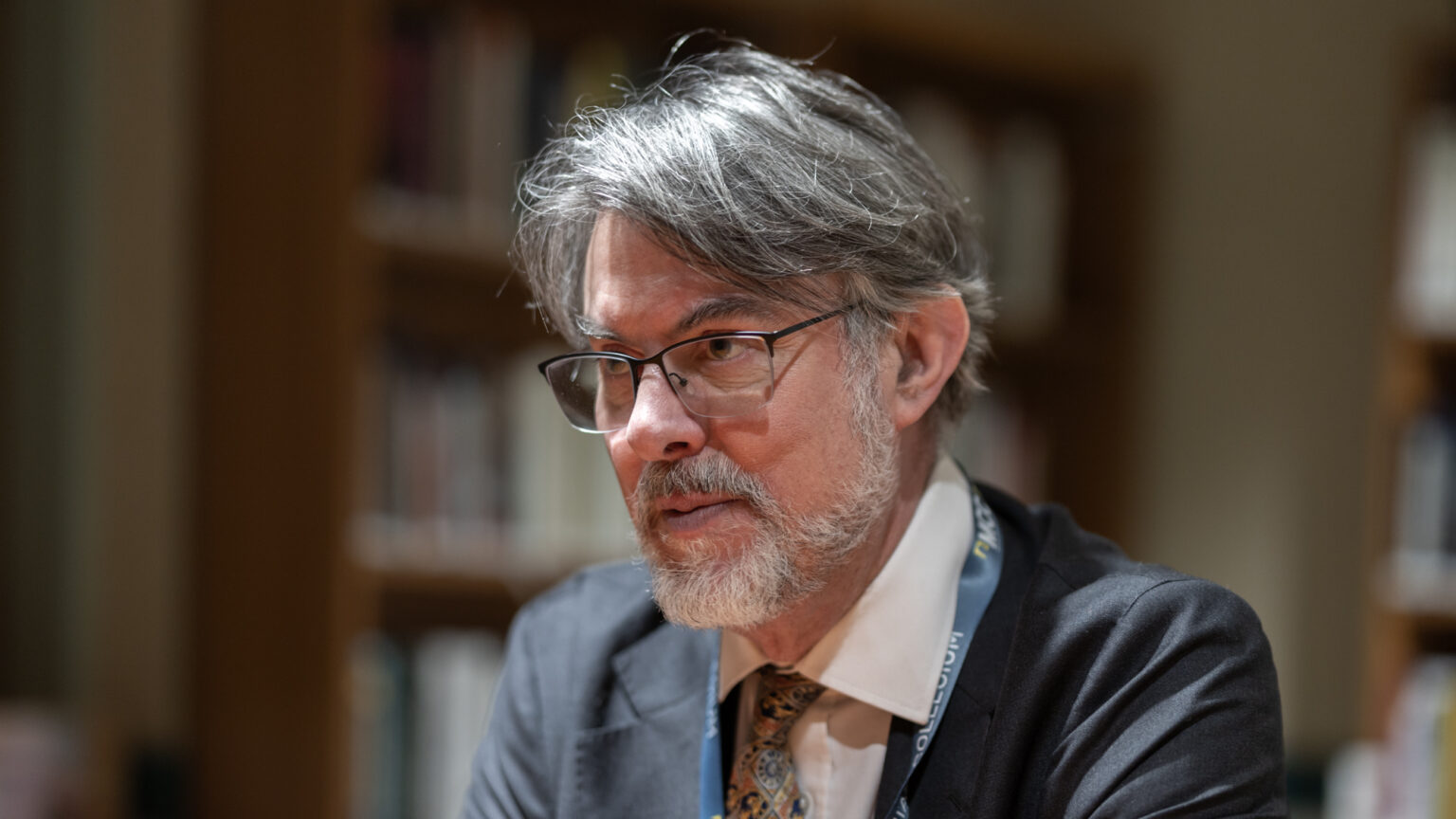
Europe should start talking to Russia and push for a negotiated peace in Ukraine before the war in Iran further undermines its strategic position, geopolitical analyst Anatol Lieven told Hungarian Conservative. Lieven also warned that a prolonged conflict could hurt Donald Trump and Republicans in the upcoming midterm elections, arguing that Washington may have repeated the same mistake it made in Iraq or Vietnam.
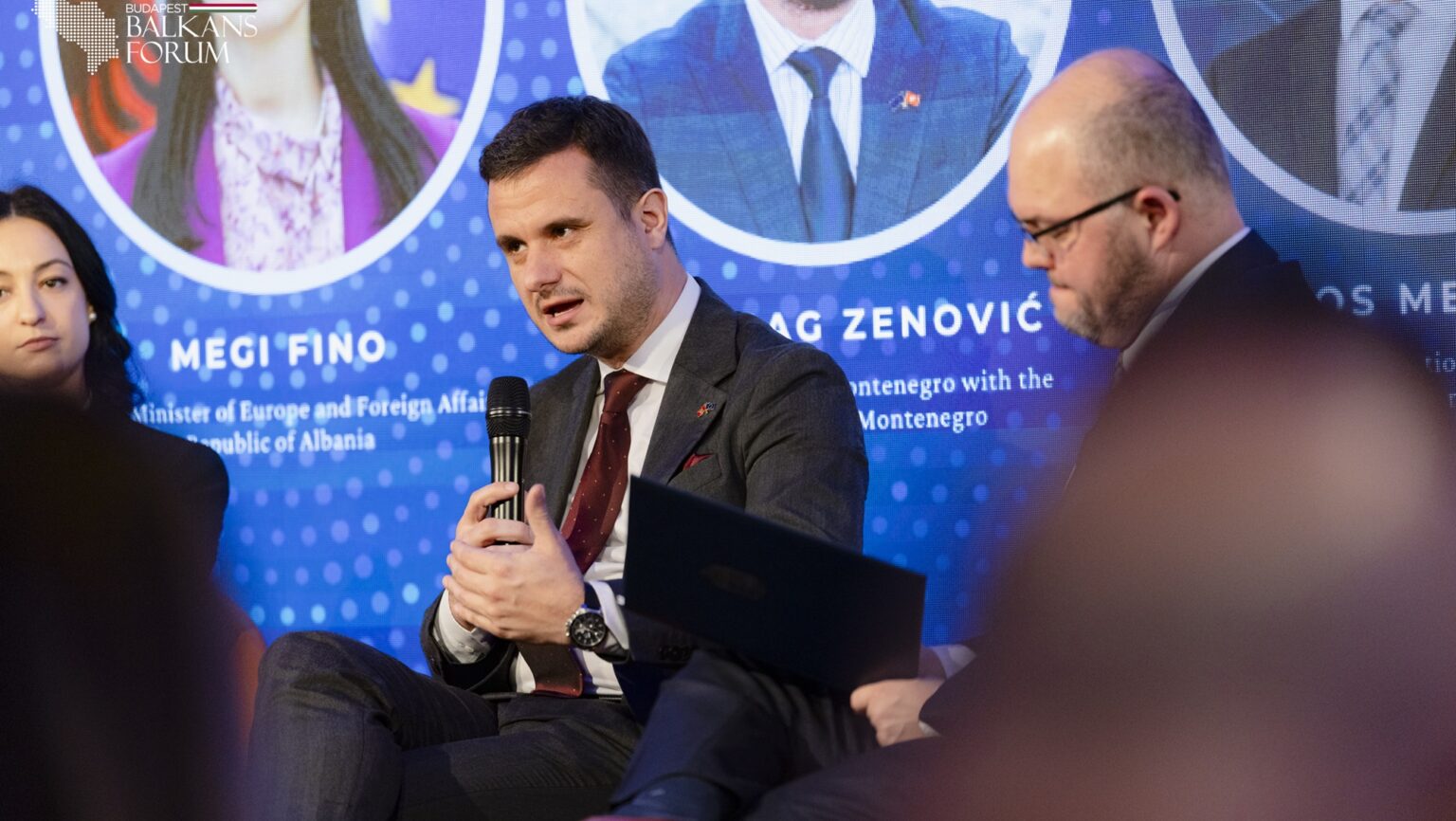
‘We really think the merit-based approach is the optimal one in the accession process. That’s the one that should be followed because it allows the country to reform, to stabilize, to democratize, to Europeanize, and to accept a very broad and complex European key,’ Chief Negotiator for Montenegro with the European Union Predrag Zenović told our site.
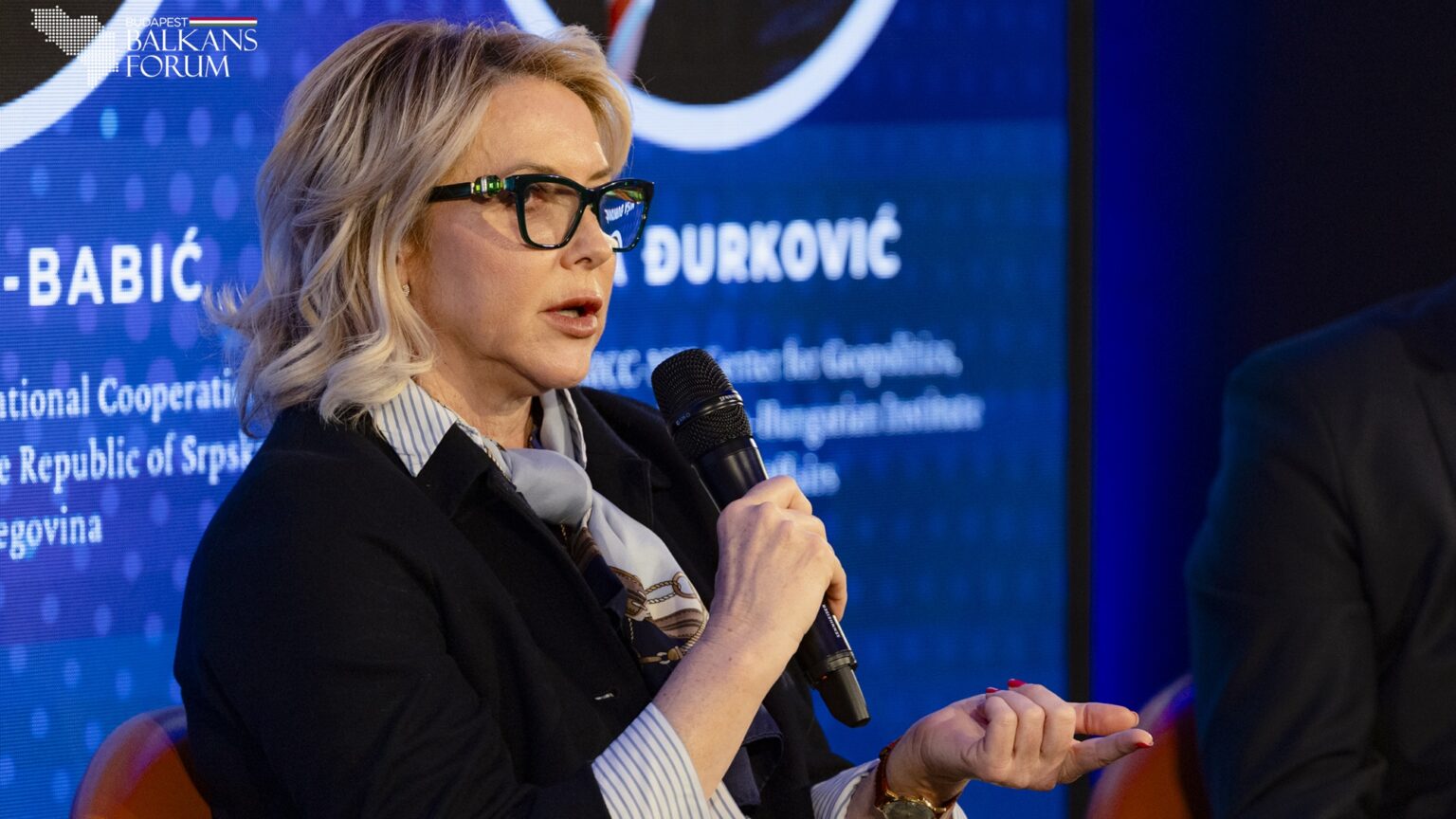
‘Bosnia-Herzegovina is the last colony in the world. We are a colony because we have a foreign emperor…So until the High Representative leaves Bosnia and Herzegovina, the country, we can’t talk about the European Union because these are not European Union values…To have a foreigner who is ruling your country, this is not a European value.’
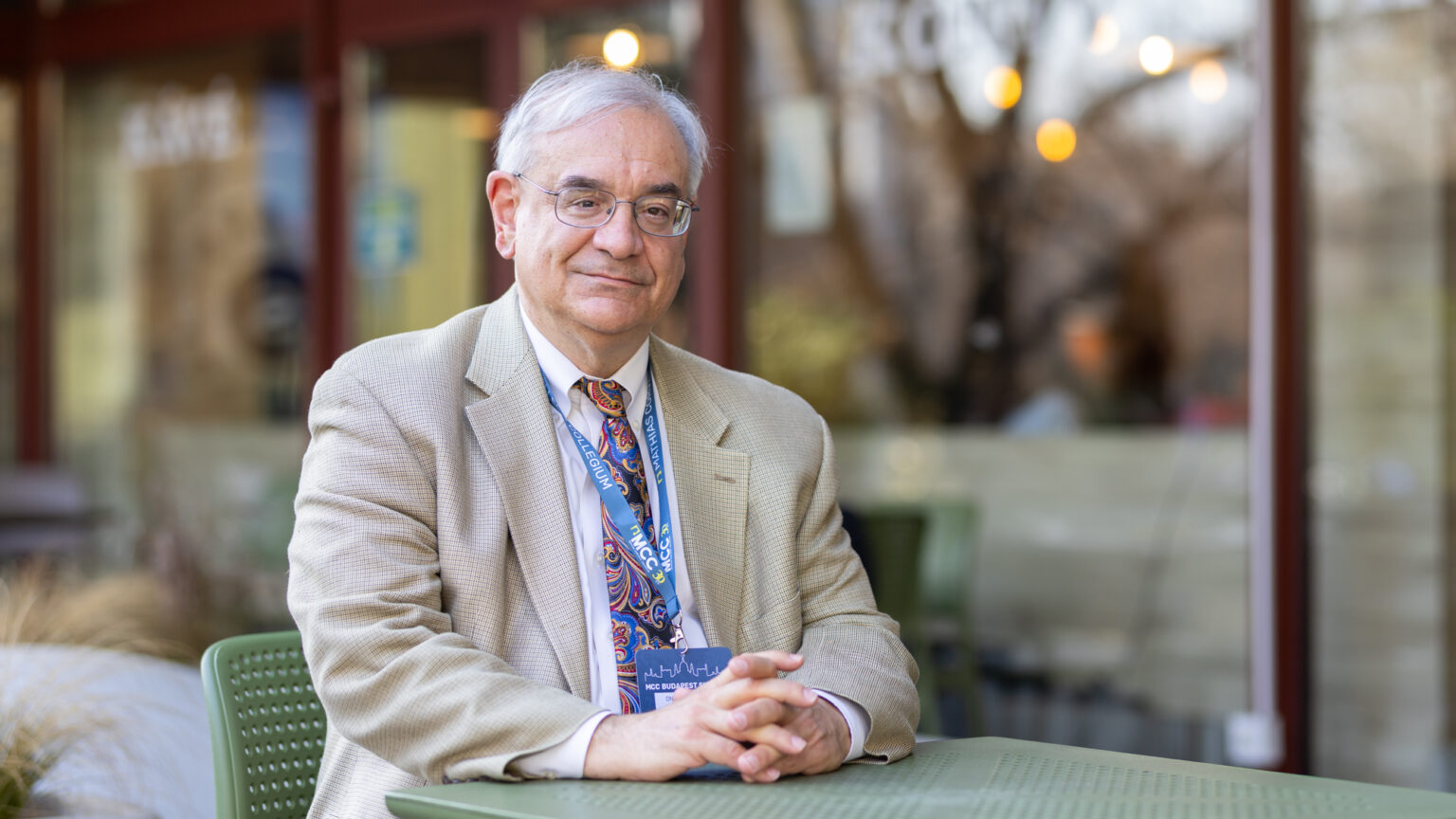
Hungary’s tough border policies have become a reference point for conservative policymakers in the United States, according to immigration expert Mark Krikorian. Speaking with Hungarian Conservative at the MCC Summit on Reclaiming the West in Budapest, he discussed the results of Donald Trump’s immigration crackdown and why Hungary’s example resonates with the American conservative policy elite.
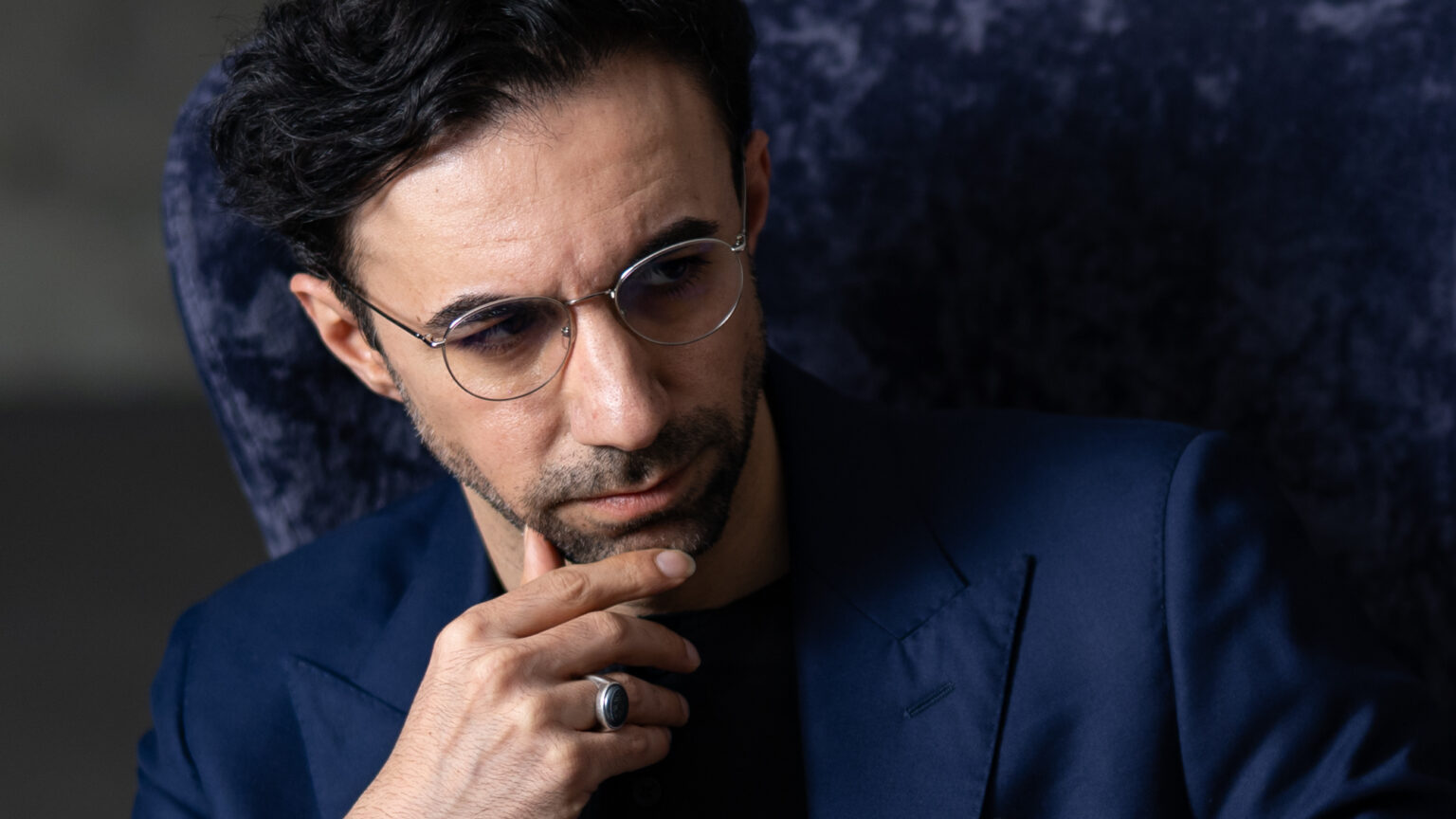
Was it the ‘last best chance’—as Donald Trump said—to stop the Iranian regime? Can Iran’s army resist an American–Israeli invasion? What regional and global consequences could a regime change bring? We asked an Iran expert, also a PhD candidate at the University of Public Service in Budapest, about the war’s geopolitical context and the regime’s prospects.
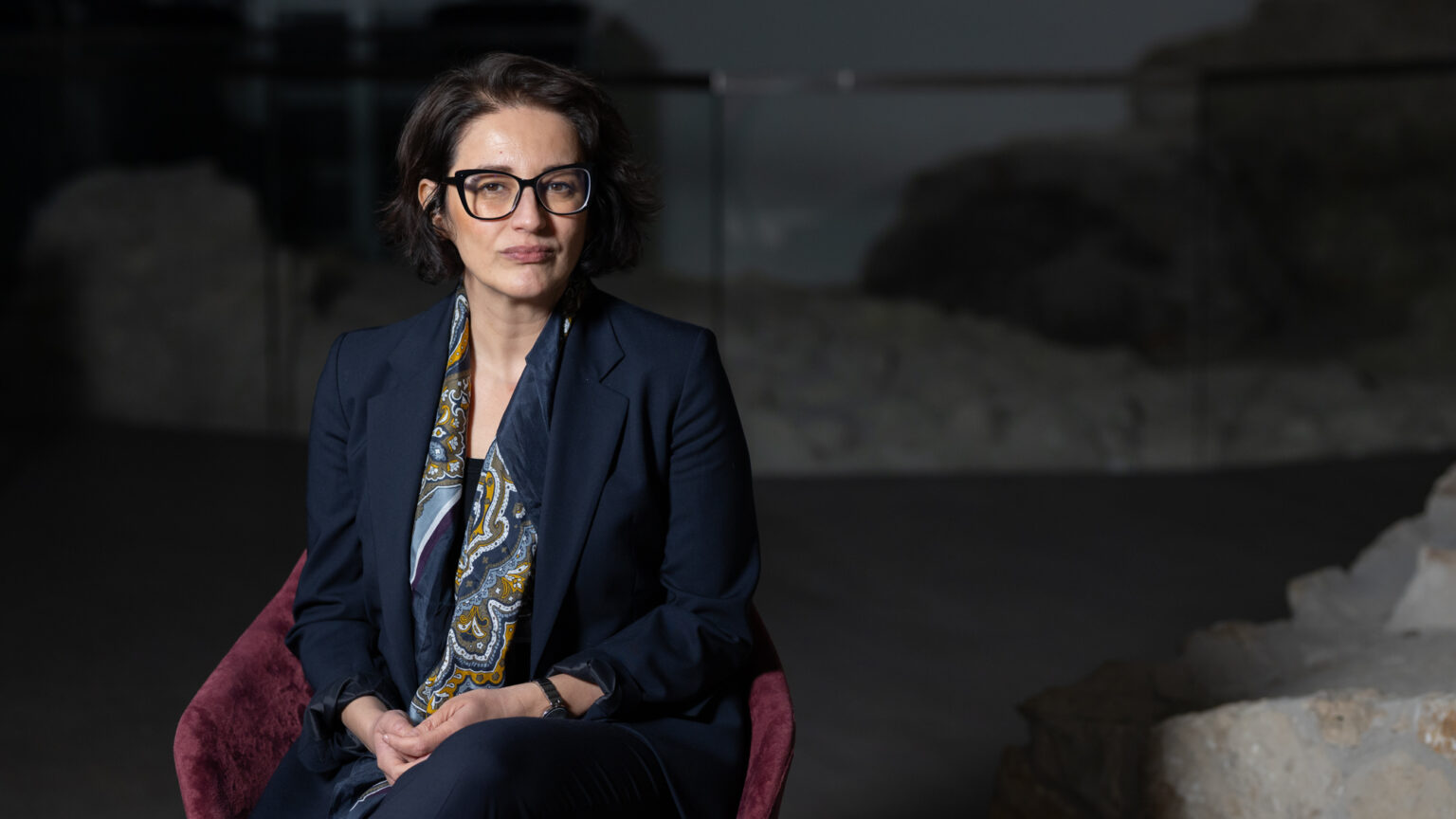
Can the EU fully replace Russian oil and gas with energy from other sources? How did Hungary perform in terms of energy diversification? How does the strategic expansion of Hungarian energy companies in the Balkans work? We asked the CEO of the Brussels Energy Club about what the European energy situation will be like after the introduction of a complete ban on Russian gas and oil.

Artist of the Nation and Kossuth Prize–winning choreographer Zoltán Zsuráfszky reflects on a lifetime devoted to Hungarian folk dance. From his formative collecting trips across the Carpathian Basin in the 1970s to leading the Hungarian National Dance Ensemble today, he speaks about preserving authentic traditions, bringing them to the world stage, and the philosophy behind works such as Hungarian Wedding (Magyar Menyegző).
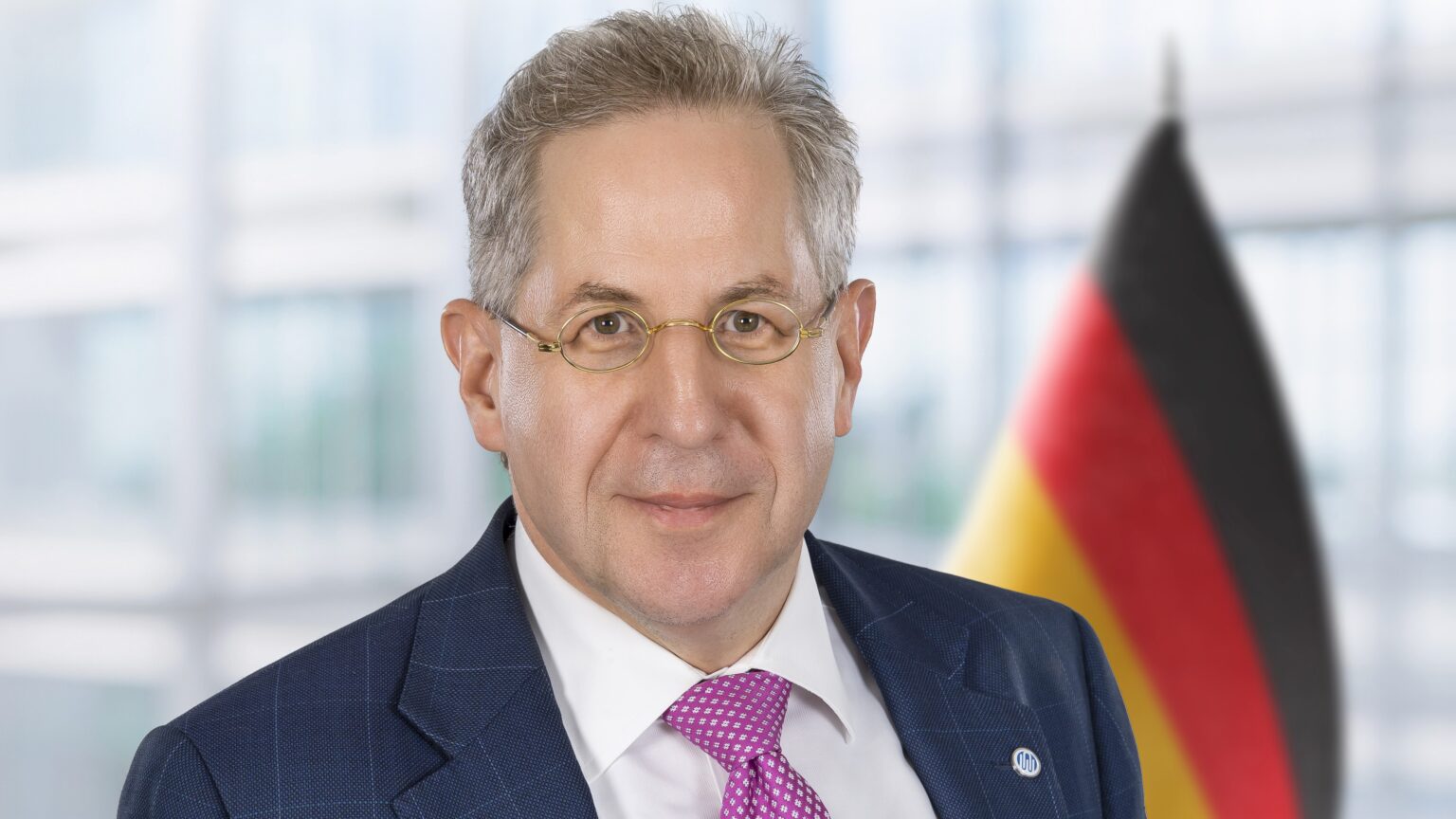
‘If current trends continue unchecked, Germany in 2030 will be a country…in which the range of acceptable opinion has narrowed dramatically. The constitutional vocabulary will still be used, but its content will have been hollowed out, rights will be conditional on democratic reliability, and whole social groups will live under a permanent cloud of suspicion.’
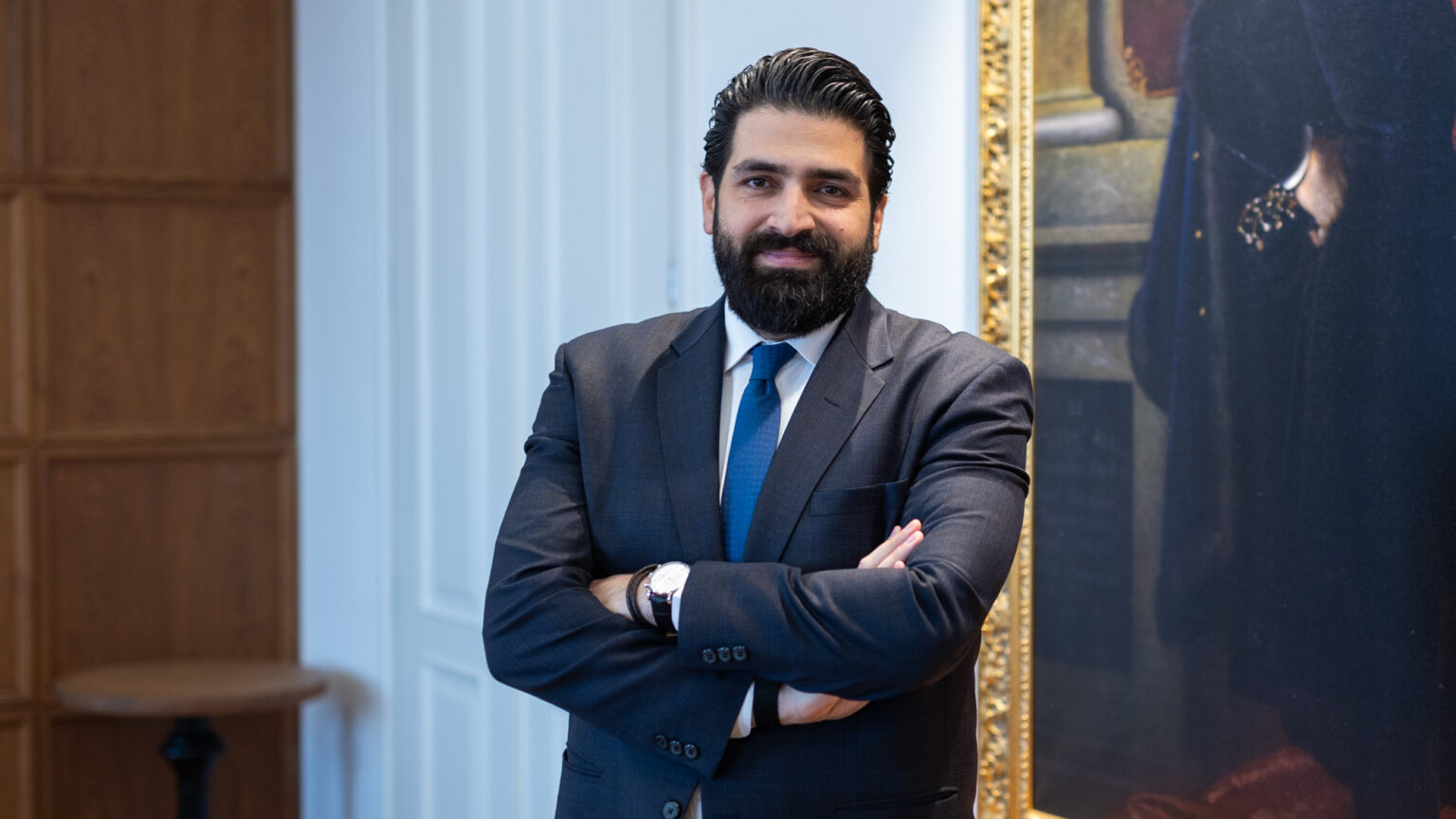
How strong is Iranian and Syrian political influence in Lebanon after Hezbollah was weakened? What is the status of Christian communities, and what room for manoeuvre does Maronite politics have? We asked Marwan Abdallah, Head of the Foreign Affairs Department at the Lebanese Kataeb Party, about the rise and fall of Hezbollah and the scope for Christian politics in Lebanon.
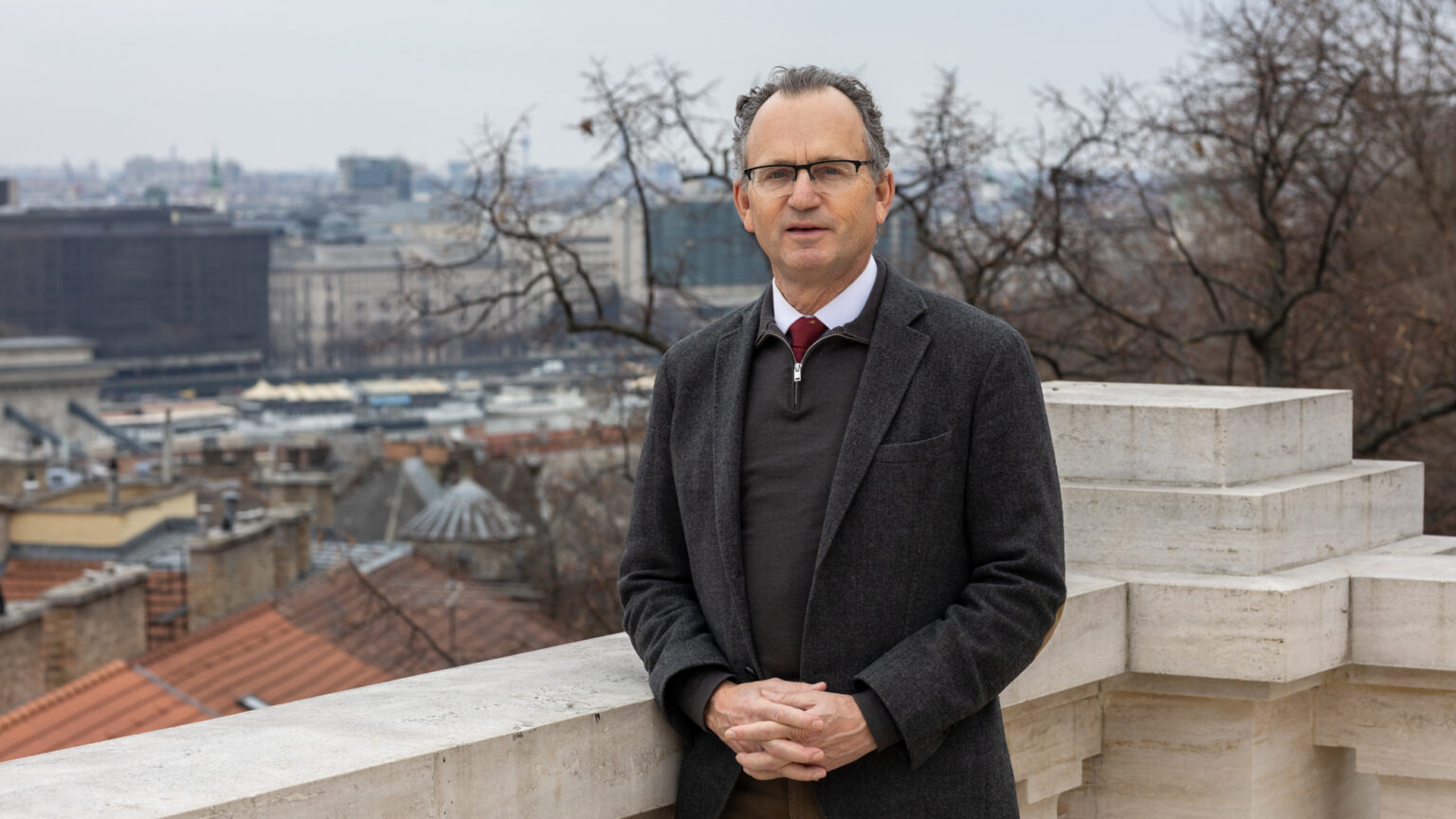
Will Iran sign a new deal on its nuclear and ballistic missile programme? How strong are Russian, Chinese, and American influences in the Middle East? What will happen to Gaza and Hamas? We asked the former CEO and President of the Middle East Institute about the rapidly changing geopolitical landscape of the Middle East.

Dutch conservative influencer Matthias Victorian, known as Code Victorian, has emerged as a rapidly growing voice of Europe’s new right, blending traditional aesthetics with unapologetic nationalist politics. Speaking in Budapest, he warned that mass migration, cultural decline, and ideological division threaten Europe’s very survival—making Hungary a rare stronghold of civilizational resistance.
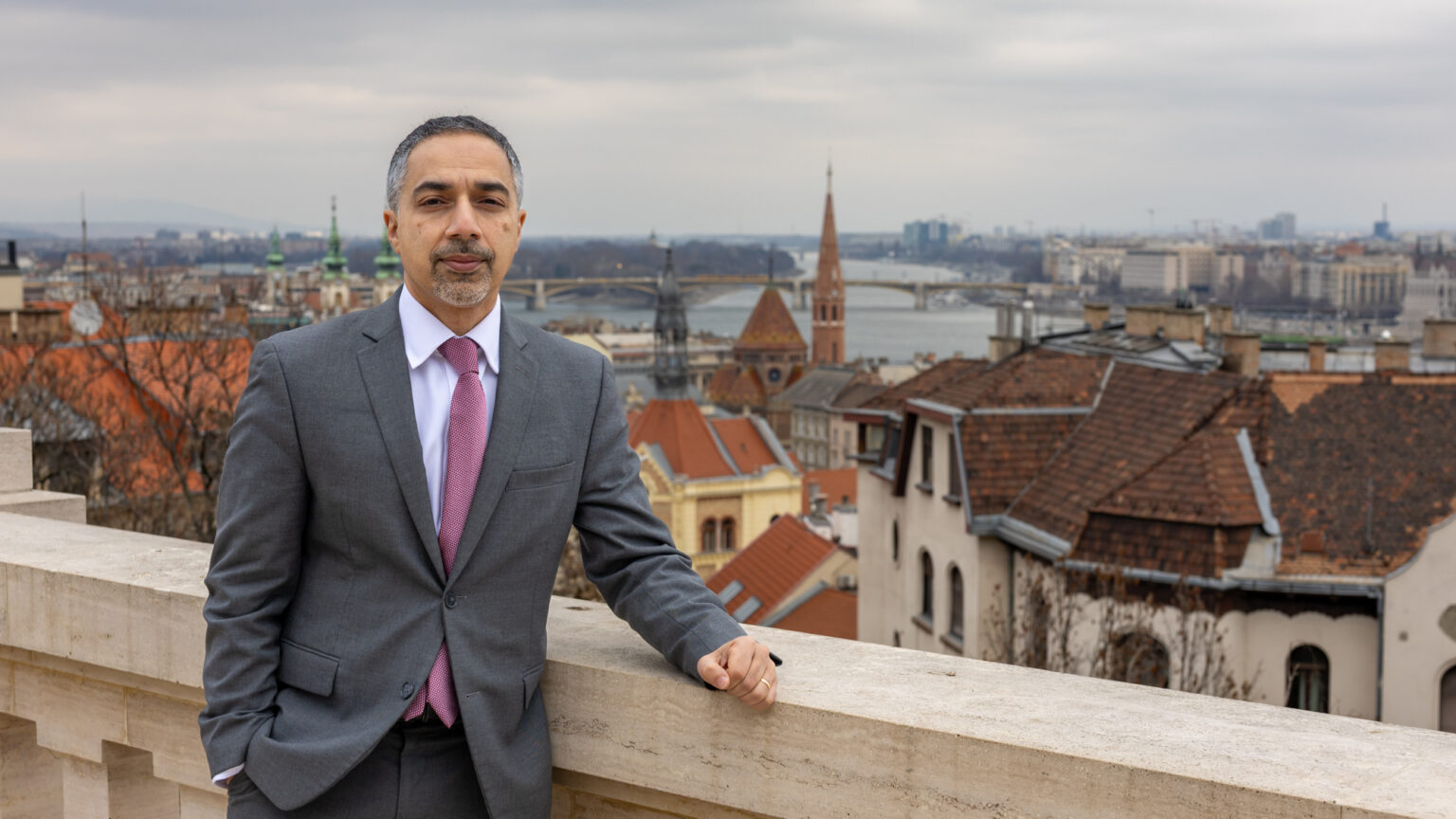
Is the Ayatollah regime willing to change under societal pressure? Will Iran strike a deal on its nuclear programme with the US? Does it have the capacity for a blitzkrieg? We interviewed the Executive Vice President of the Quincy Institute for Responsible Statecraft at the Hungarian Institute of International Affairs’ Budapest Global Dialogue on the ongoing turbulences in Iran.
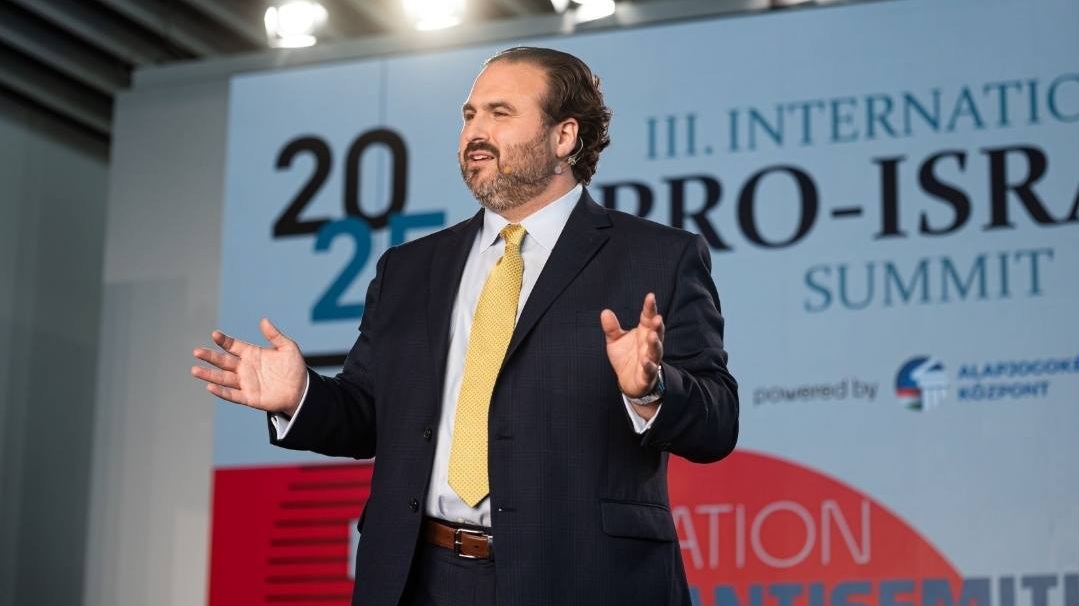
The New England Patriots are taking on the Seattle Seahawks in Super Bowl LX tonight. Bryan Leib has correctly predicted the last two Super Bowl winners for Hungarian Conservative. Read the interview to find out who he picks this year, as well as what he thinks about this year’s midterm elections, US–Hungary relations, and foreign policy under President Trump’s second term.
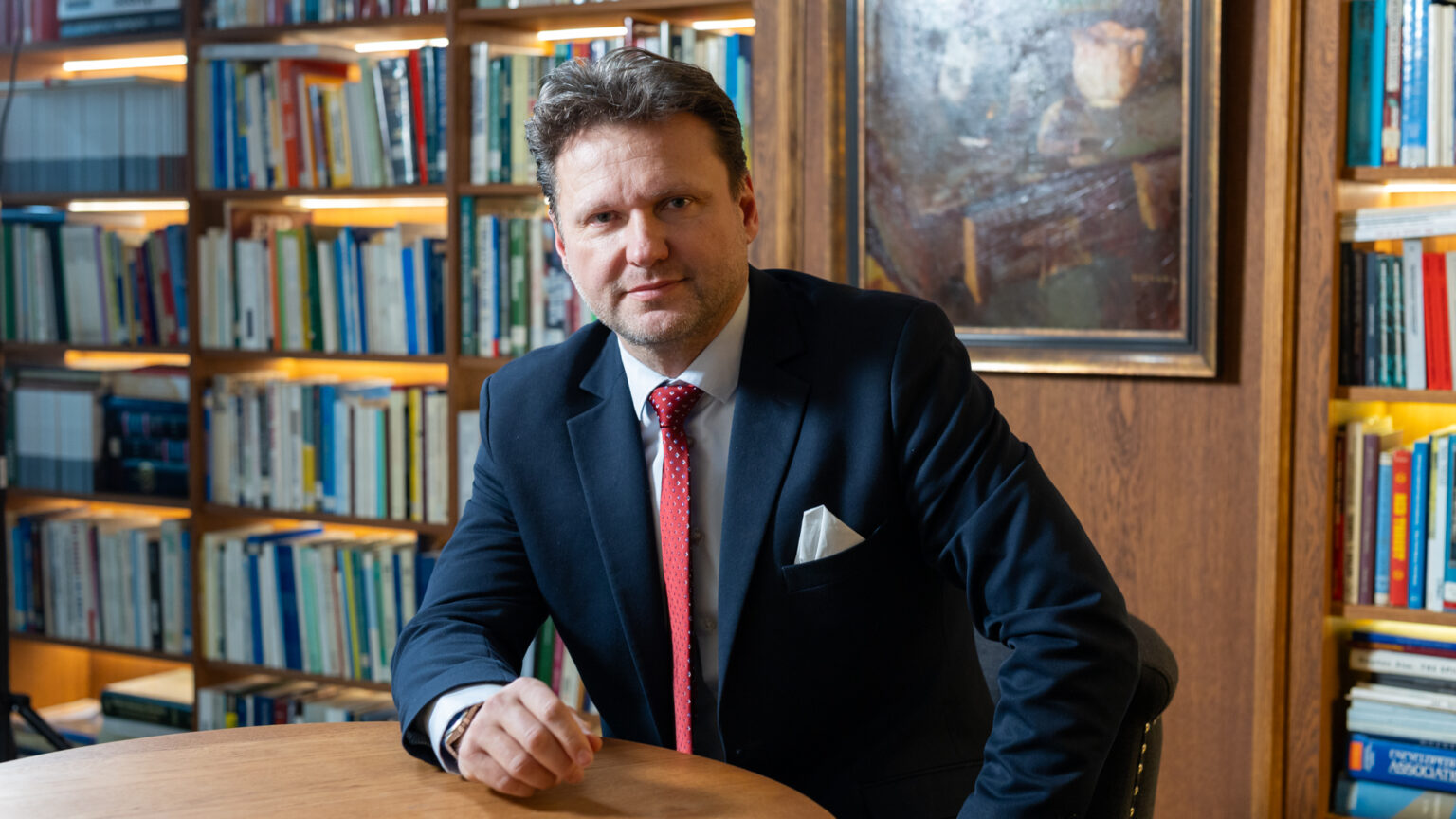
Why are the Czechs wary of Ukraine’s rapid EU membership? What is the secret behind the ANO party’s success? We asked the Chair of the Foreign Affairs Committee of the Chamber of Deputies of the Parliament of the Czech Republic about the future of the V4, the Patriots’ programme, and the ideological state of Europe.
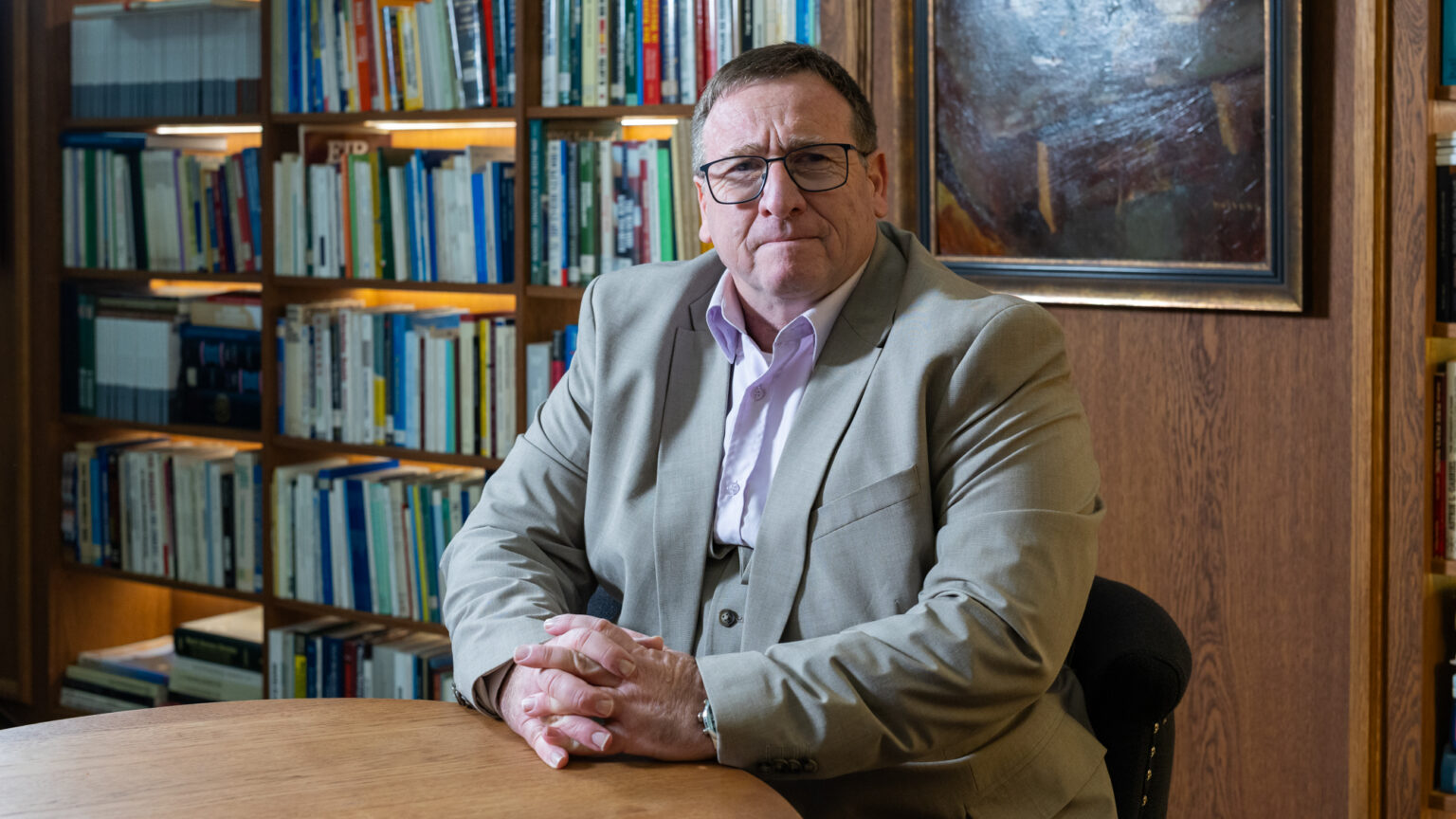
Is it possible to demilitarise the Gaza Strip? How strong is the Iranian regime? Will there ever be a Palestinian state? Do Israeli policies contribute to rising antisemitism? We spoke with the Head of the Military–Social Relations Department at the David Institute for Security Policy about the challenges and prospects facing the Middle East.
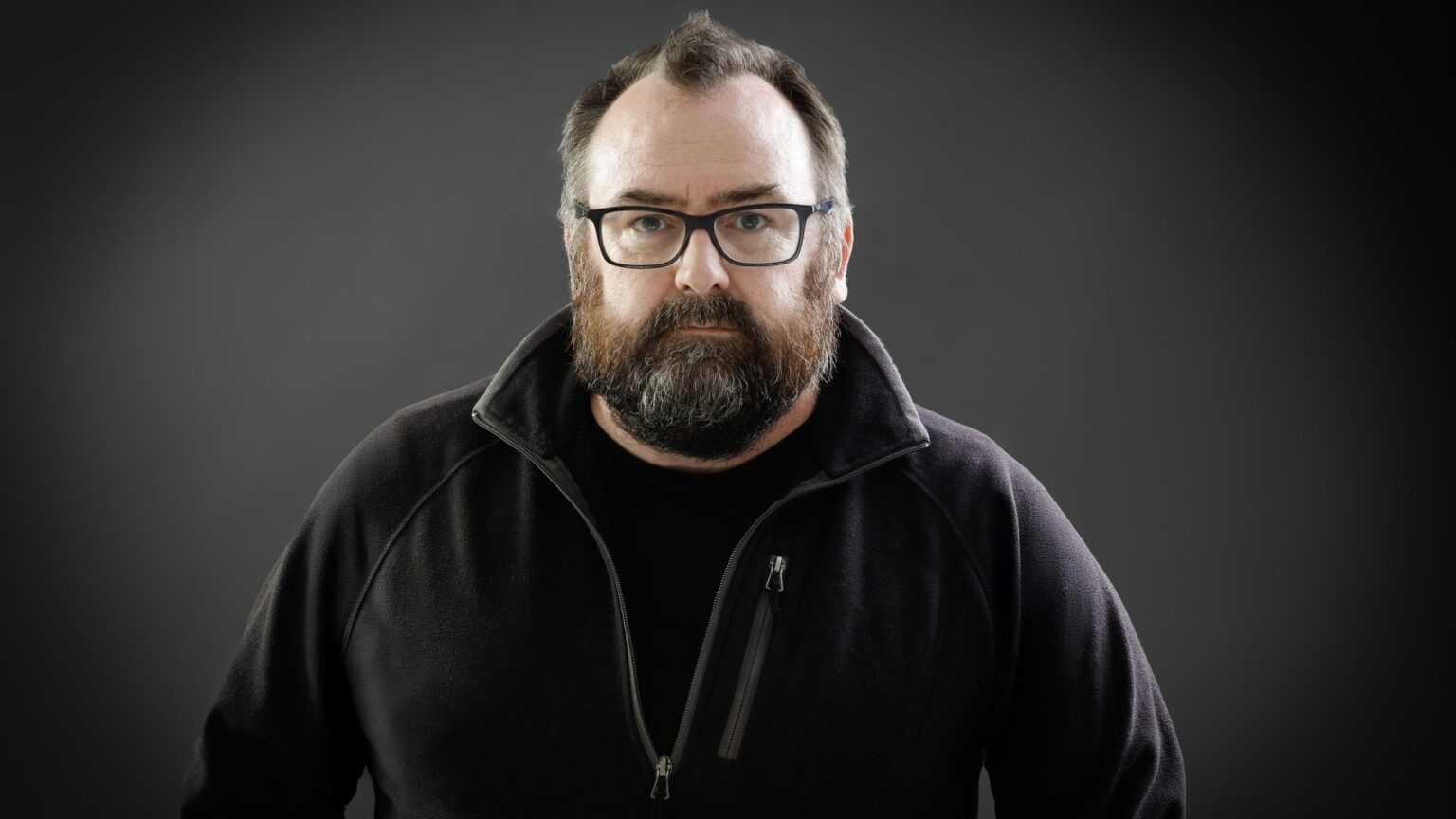
‘I do think that Irish people, maybe because of our colonial past, have this tendency to allow ourselves to be ruled by tyrants…Maybe it explains our love of the EU.’
‘That’s what I came away with, this idea of Hungarian identity. You can tell it’s motivated by a very deep love, and of identity, culture, history, of course, overcoming incredible struggles. And I did see a lot of similarities with Ireland, and it did make me sad to see how we went on such very different paths.’

At a time when public debate is increasingly polarized and superficial, Hungarian Conservative remains committed to depth and independent thought.
Donate Now
Please consider supporting our mission.