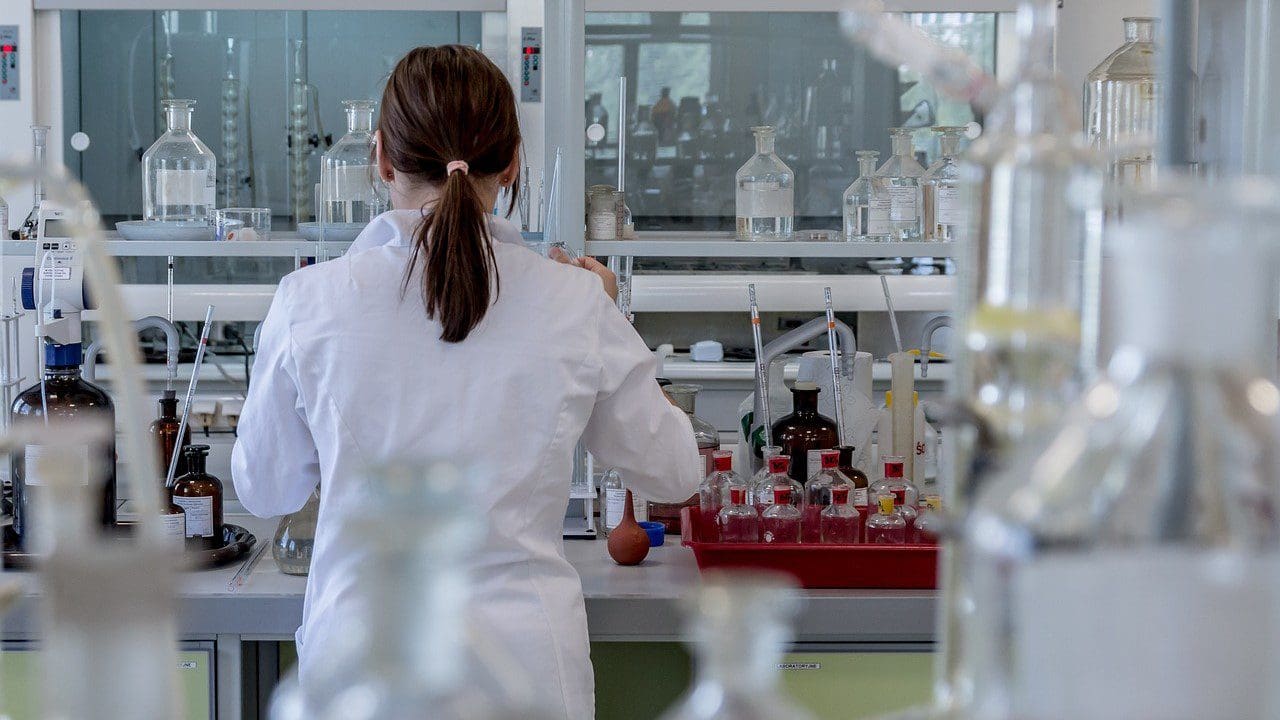
Researchers at the University of Szeged have achieved significant results in pharmaceutical research and development through a four-year programme funded by the National Research, Development and Innovation Fund, the university’s public relations directorate said.
The project, supported by 1.6 billion forints, focused on the early stages of drug development, which build on chemical and biological basic research to identify potential drug candidate molecules. Scientists involved in the programme produced new bioactive compounds, in many cases derived from natural plant-based active ingredients.
According to the statement, the newly developed molecules may prove effective in treating cardiovascular, cancerous and neurodegenerative diseases, as well as bacterial infections and obesity. In several therapeutic areas, treatment strategies target the inhibition of protein–protein interactions. Researchers developed modular biomimetic active agents designed to mimic proteins for this purpose. Another priority of the chemical research was the application of green synthesis methods. In several cases, bioactive molecules were produced using sustainable processes suitable for industrial-scale application, reducing environmental impact.
The next phase of drug development involves non-clinical health and environmental safety studies to assess safe application. These tests supported the evaluation of potential bioactive molecules identified during chemical research, assisting both project teams and cooperating partners. Applied methods also helped clarify mechanisms of action for known molecules, identify new therapeutic uses and confirm effective combinations. The models developed by researchers may be suitable for investigating anti-tumour, antidiabetic, neuroprotective and cardiovascular effects, as well as examining changes in absorption, distribution, metabolism and excretion during pregnancy.
If preclinical studies confirm efficacy and safety, pharmaceutical development begins, including the selection of dosage forms and routes of administration and the development of manufacturing technologies. Specialists at the University of Szeged modified the physicochemical properties of certain active ingredients, while in other cases they incorporated them into innovative carrier systems to optimize therapeutic effect and patient safety. In addition to traditional oral formulations, pharmaceutical technologists developed dosage forms applicable through mucosal surfaces or the skin, often creating new methods for their production and testing.
Clinical pharmacists at the university contributed to strengthening rational, patient-centred pharmacotherapy at both national and international levels, including research aimed at preventing antibiotic resistance and evidence-based evaluation of herbal active ingredients.
During the project, researchers working in drug research and development published more than 300 scientific papers, around one third of which appeared in top-tier international journals ranked in the top 10 per cent, the statement said.
Related articles: