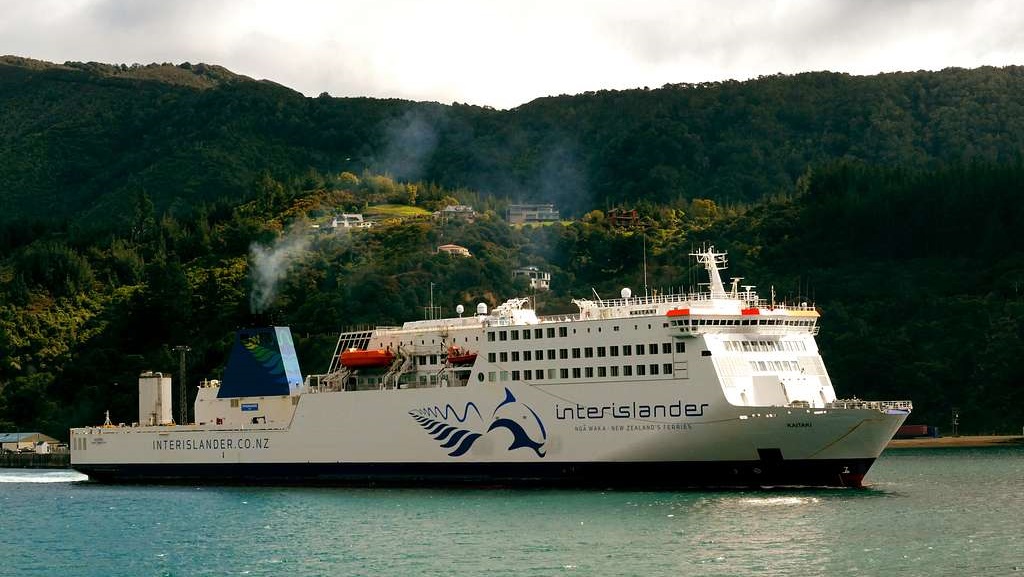
A new ferry connecting the North and South Islands of New Zealand, set to launch service in 2029, will be named after Captain James Cook. Since the 18th-century British Naval officer had a huge influence on the island nation’s history—being the man from Europe who first had extensive contact with the native Māori, and who brought the Anglo-Saxon culture that is dominant in the country today—this should not merit any news coverage outside of New Zealand.
Yet here we are giving digital column inches to the story. That is because it is a great reminder that the Neo-Marxist progressive ideology of the 21st century is present in every country in the Anglosphere.
To be fair, backlash over the naming of the ferry has been subdued. The Telegraph quotes Professor of History at the University of Otago Tony Ballantyne, who argues against it, citing the ‘injuries and death as a result of Cook’s expeditions’ experienced by the Māori natives. The quote was lifted from an article Professor Ballantyne published on the progressive news site The Conversation.
Minister for Rail Winston Peters of New Zealand, the man behind the decision to name the new vessel after Cook, preemptively came out against his anticipated critics.
‘We know what will happen. The snivelling wokesters will work themselves into a lather over the name. A mature country does not run from its history. A serious country does not vandalize its memory to satisfy the latest fashion in whinger politics,’ he said on the floor of the New Zealand Parliament.
Minister Peters had reasons to anticipate more than the eventual backlash. As the piece by The Telegraph points out, New Zealand has recently seen a movement to replace English-language geographical names with Māori alternatives.
Mount Egmont, for example, has officially become Taranaki Maunga. The country’s highest mountain peak, Mount Cook—also named after the British explorer—has similarly been given the Māori name Aoraki, although the original name remains permissible in some official contexts.
However, there is a good reason why the ‘snivelling wokesters’ chose to be relatively quiet this time.
New Zealand is holding its parliamentary election in November. Prime Minister Christopher Luxon’s coalition, led by the right-wing conservative New Zealand National Party and in part made up of members of the right-wing populist New Zealand First Party, is enjoying a comfortable lead in the polls over the left-wing liberal Labour-Greens-Te Pāti Māori opposition group.
Hence, most likely, the progressive, anti-European forces in New Zealand simply feel that they would hurt their own electoral chances less than three months away from the election if they were to try to fight the naming of a new vessel after one of the best-known figures in New Zealand history. Especially given that another ferry, launching at the same time as the one named after Cook, will be bearing the name of Kupe, the Polynesian navigator whom Māori tradition says first reached New Zealand.
The Māori Protest Incident in New Zealand Parliament in 2024
The last time domestic New Zealand politics received significant international attention was in November 2024.
Then, a group of Māori MPs decided to perform their traditional ‘haka’ dance in protest of the Treaty Principles Bill, which aimed to redefine treaties between the Māori and the British Crown regarding jurisdiction. The strange spectacle in a modern legislative setting drew a lot of mockery and criticism on the social media platform X at the time.
Related articles:
At a time when public debate is increasingly polarized and superficial, Hungarian Conservative remains committed to depth, intellectual honesty, and independent conservative thought.
Producing high-quality journalism requires resources. Your contribution helps us expand our coverage, reach new audiences, and keep our content accessible.
Please consider supporting our mission.