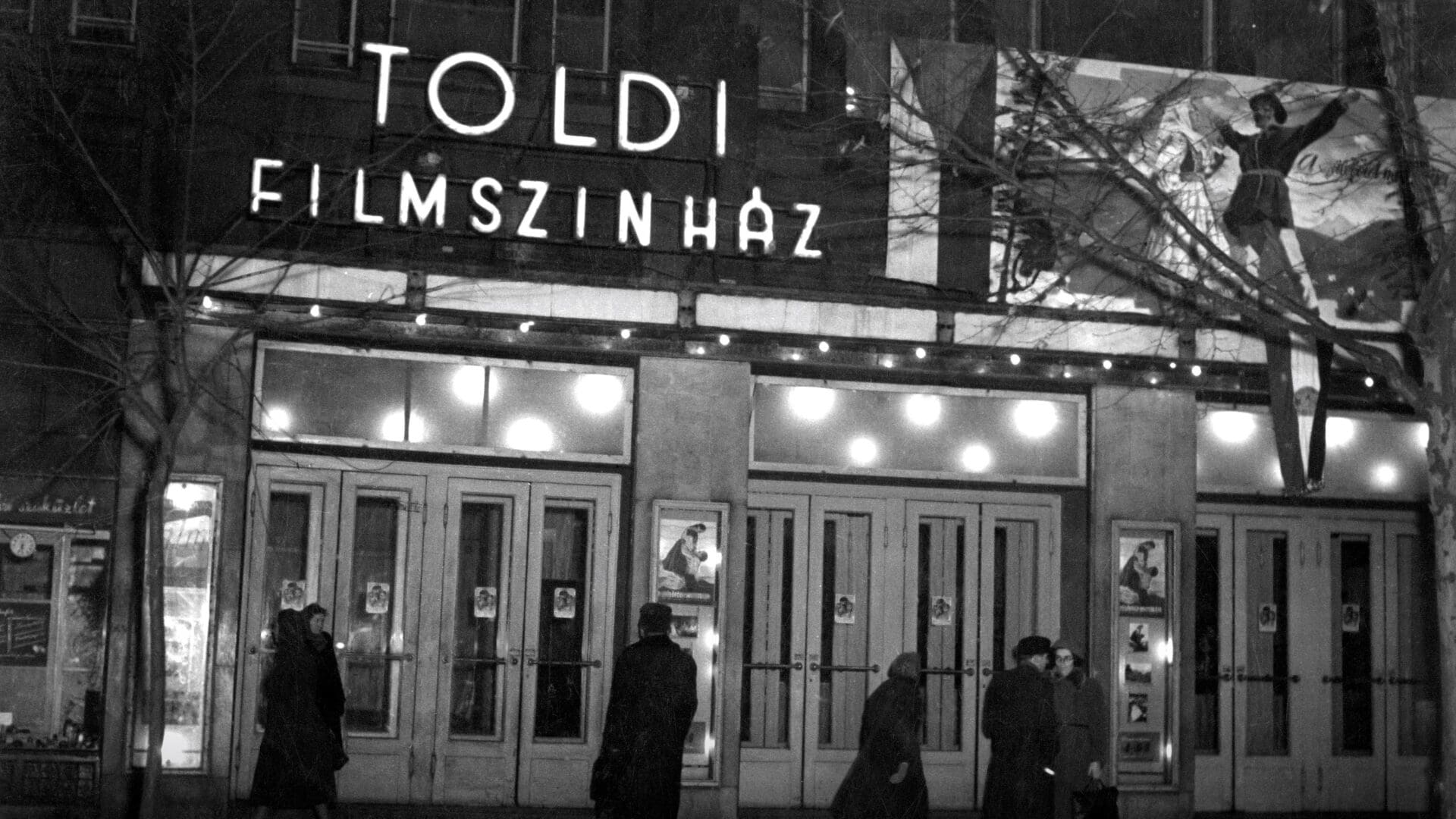
The 32nd edition of the Polish Film Spring will open on 23 April at Toldi Cinema in Budapest, offering a week-long selection of contemporary Polish films.
Organized by the Polish Institute Budapest, the event will feature seven films over seven days, providing audiences with an overview of recent trends in Polish filmmaking.
The programme includes a wide range of genres, from family dramas and romantic stories to coming-of-age films and large-scale productions. Two films with Hungarian connections are also part of the line-up, including a screening honouring the centenary of Andrzej Wajda with an adaptation inspired by writer Sándor Márai, as well as a new Polish–Hungarian co-production featuring actress Dorka Gryllus.
The opening film will be Chopin, a Sonata in Paris, a large-scale biographical production directed by Michał Kwieciński, focusing on the life of composer Frédéric Chopin. The film portrays his career in Paris, including his collaboration with Franz Liszt.
Other highlights include Brother by Maciej Sobieszczański, which explores family tensions through the story of a teenage judo enthusiast, and Home Sweet Home by Wojciech Smarzowski, a psychological drama addressing domestic violence that attracted more than two million viewers in Poland.
The programme also features LARP – Love, Trolls and Other Quests by Kordian Kądziela, focusing on youth, identity and live-action role-playing culture. Actor Andrzej Konopka received a supporting actor award at the Gdynia Film Festival for his performance.
A tribute screening will present Wajda’s 2009 film Tatarak, inspired in part by a work by Sándor Márai, starring Krystyna Janda.
Another film in the line-up, Photosensitive by Tadeusz Śliwa, tells the story of a blind woman and a photographer whose meeting changes both their lives. Lead actress Matylda Giegżno received a best actress award at the Gdynia Film Festival.
The closing film will be Budapest Diary, a Polish–Hungarian co-production directed by Rafał Kapeliński. Set in 1981, it follows a young boy travelling to Budapest with his mother, in a story inspired by the director’s own experiences.
According to Jarosław Bajaczyk, the festival aims to strengthen cultural dialogue and deepen ties between Poland and Hungary through cinema.
Related articles:
At a time when public debate is increasingly polarized and superficial, Hungarian Conservative remains committed to depth, intellectual honesty, and independent conservative thought.
Producing high-quality journalism requires resources. Your contribution helps us expand our coverage, reach new audiences, and keep our content accessible.

Please consider supporting our mission.