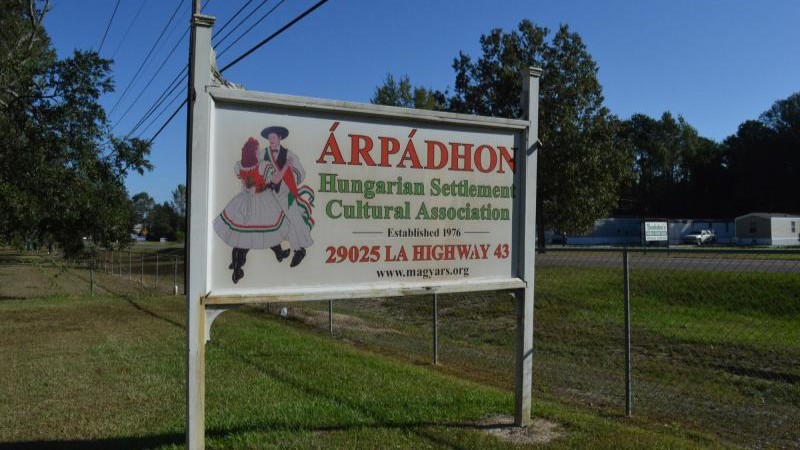
Árpádhon is a small rural settlement in the state of Louisiana. It is the home of the descendants of Hungarians, many of whom settled in the last years of the 1800s. It was founded in 1896 and comprised a good number of Hungarian workers, farmers and their families. They came from poverty-ridden regions of Austria–Hungary at the time to all parts of the United States, finally settling in Albany. There is a whole area developed out of the wild forests and untamed fields. Árpádhon grew into a Hungarian settlement, a place with a Hungarian soul. Its name is derived from the old Hungarian leader Árpád, who led the Hungarian united tribes into the Carpathian Basin. Árpádhon literally means ‘the home of Árpád’, a sort of reference point for gathering Hungarians in the area. The name was fitting, and it functioned very well.
At first, Hungarians from Austria–Hungary settled in the northern states of the United States. They worked a variety of odd and often dangerous jobs. Later, a considerable number of them moved down into the more southern states. One such place was Albany, Louisiana. Initially, they found work at a local factory, the so-called Charles Brakenbridge Lumber Company. The company recruited Hungarian workers and provided them with employment. As a result, many families settled in the area. This is when structures like the Immigrant House were erected to support the families moving in. Later, the company closed, leaving the community without a stable source of income and the need to look for other opportunities.
Very quickly, the settlement became a centre of strawberry production. Hundreds of Hungarian families were growing strawberries, and the region gained a strong reputation as a result.
I visited Árpádhon a couple of years back. The streets carried a lazy silence, but with strong meaning for me as a Hungarian. The whole place resonated with me somehow. I, as a Hungarian American, could connect on a deep level with these people who made it to the continent before I did. They came to a new world and lived amid unknown conditions, building their lives. These conditions were tough, but so were the inhabitants. They managed to work in the lumber business and then establish farms on foreign soil while also becoming a part of the new nation they joined.
‘Those settlers got through the harshest days in a foreign environment, keeping their cultural flame alight’
I went to the so-called Hungarian Szüreti Bál (Harvest Dance) in the area, a long-standing tradition. The descendants of the Hungarian settlers were gathered there in large numbers. Arriving, I thought that I was going to be greeted with lots of first-generation Hungarians like myself. Lots of people who still remembered the old country and could speak the language well, and so on. This was far from the truth, as I quickly came to discover. The attendees were generally at least the great-grandchildren, and often even more distant relatives, of the original Hungarians. They spoke little to no active Hungarian but knew the traditions and the tales well. They were a living memory, a well-integrated one of the once settlers. These people were Hungarian in lots of ways. Why? Since Hungary and its culture were so important to them, and consciously important. It was not a matter of something obvious, but of a silent affirmation of what they still truly care about. This is their heritage. Those settlers got through the harshest days in a foreign environment, keeping their cultural flame alight.
Religion is also a notable factor in their story. The settlement erected one Presbyterian Church in 1908 and soon after a Catholic one in 1910. The majority of the inhabitants were Catholic Hungarians.
The main source of income was strawberry production after the lumber company left the area. Basically, most of the families grew strawberries. It was hard work, but they could live off of it. Originally, the way most got there at this time was through the lure of farming. It was advertised that they could grow a crop worth $500 on just one acre. This piqued their interest, and so they flooded south in hopes of a better life.
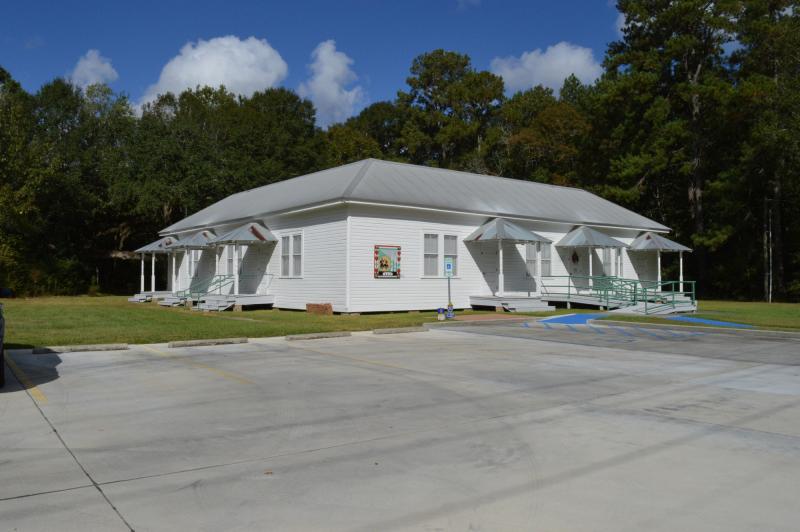
It has now been well over a century since the Hungarians settled in Árpádhon, now Albany, Louisiana. Few of the original inhabitants still speak Hungarian, but many retain Hungarian roots. Those who remain remember their origins, and some even continue to cook traditional Hungarian dishes. The culture lives on through food, sentiment, memory, and art—less so through language today.
Árpádhon saw brief periods when Hungarian was taught in schools, but these were few and far between compared to the vast expense of time which has passed. Yet the story remains a bright one of a resilient, proud, and patriotic Hungarian community.
As in Hungary, they built their lives—their streets, their social gatherings—and created a good life for themselves. Their legacy endures, and millions of Hungarians are still happy to hear about their fellow compatriots in America. May their memory burn bright with a flowing flame, and may their magyar legacy live on far and wide.
Related articles:
At a time when public debate is increasingly polarized and superficial, Hungarian Conservative remains committed to depth, intellectual honesty, and independent conservative thought.
Producing high-quality journalism requires resources. Your contribution helps us expand our coverage, reach new audiences, and keep our content accessible.

Please consider supporting our mission.