Hungary’s HUNOR (Hungarian to Orbit) national research astronaut programme was the first step toward a much larger initiative, research astronaut Tibor Kapu said on Wednesday morning in an interview with the M1 television channel.
The mechanical engineer, who received the Order of St Stephen of Hungary and became the country’s second professional astronaut, said there has been little pause since returning from his space mission six months ago. Together with fellow research astronaut Gyula Cserényi, he has been travelling across Hungary almost continuously.
Alongside professional work, greater emphasis is now being placed on presenting the programme and sharing their experiences with the public. Kapu said he regularly meets interested audiences and receives enthusiastic responses during these events.
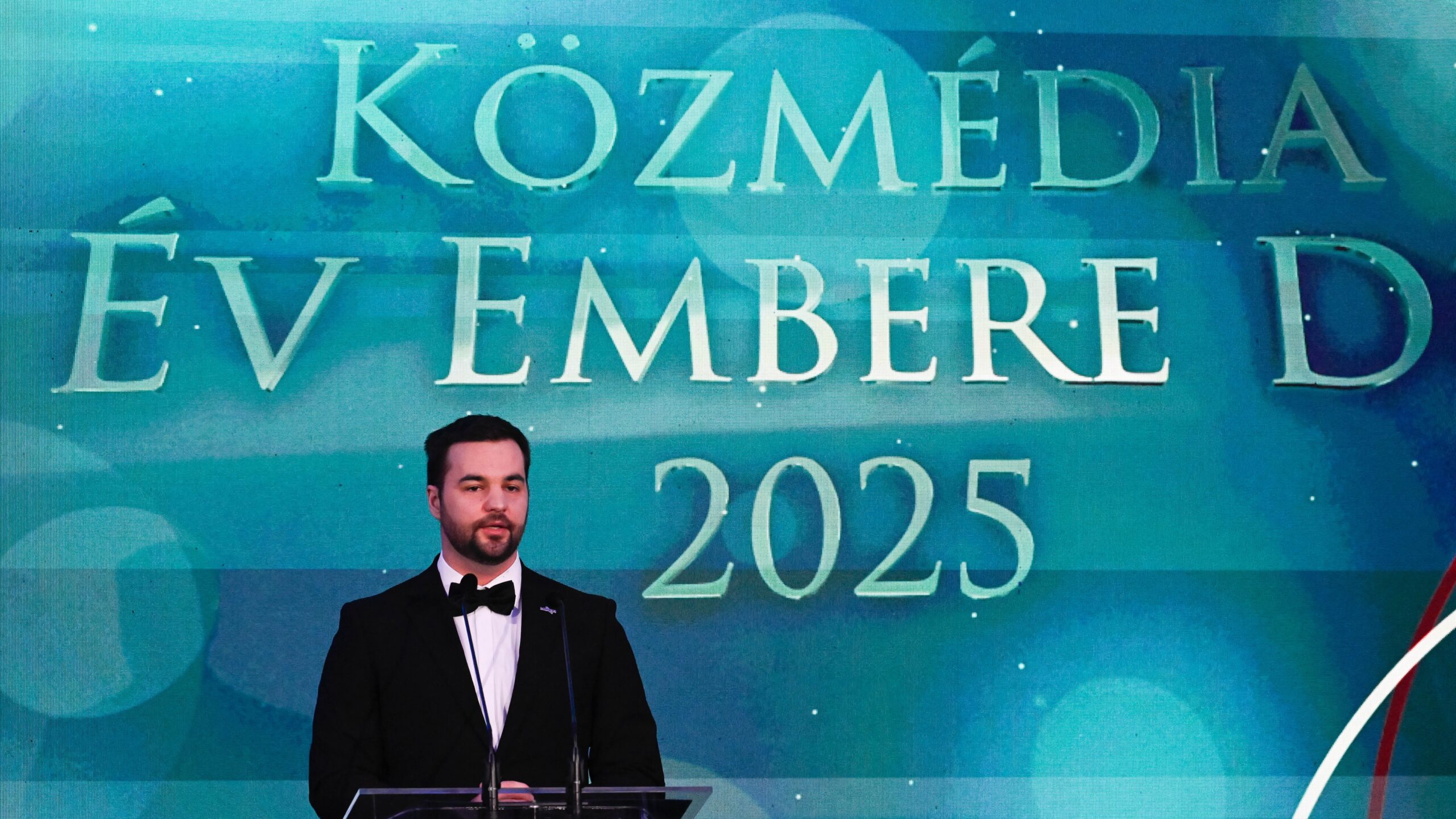
The astronaut, who received the Public Media Person of the Year award last Friday, described the recognition as a major honour, noting that previous recipients included figures such as Katalin Karikó, Ferenc Krausz and Áron Szilágyi. He added that the award carries significant responsibility, as recipients can become role models for young people.
Speaking about future plans, Kapu said many experts are already working on the next crewed mission, with progress being made almost daily. He noted that once major announcements are made, organizers must be ready to invite research groups to submit proposals for new experiments, which requires extensive preparation.
He also said organizers aim to bring together the expertise of Hungarian space researchers who were not directly involved in the national programme but have significant experience, in order to help them access funding opportunities and other resources more easily.
During a separate interview on Kossuth Radio, Kapu said that over the 18 days of his mission, he carried out 25 experiments aboard the International Space Station, most of which were prepared by Hungarian research groups and universities.
Although many of the studies were linked to space exploration and space travel, he noted that the resulting technologies could also benefit everyday life. Examples include a dosimeter weighing just 55 grams that can be used in medical fields or in nuclear reactors to measure radiation, as well as research related to the properties of clothing materials.
Related articles: