In 2024 the EU introduced a regulation against strategic lawsuits that are directed against the public participation of certain civil or media organizations—these legal cases are often referred to as SLAPPs. The EU regulation’s aim is to protect NGOs, journalists and the press from lawsuits that intend to flood them in legal fees or otherwise cause them serious financial or reputational damage.
The EU argues that protection from SLAPPs is necessary to ensure that civil organizations or indeed the press is not silenced through the abuse of legal procedures. Whilst shielding advocacy groups that work on matters such as fundamental rights, the environment and transparency, the so-called Anti-SLAPP regulation also intends to deter potential unfounded accusations against these organizations by allowing targets of SLAPPs to seek compensation from those they accuse to have used strategic litigation against them. The Directive must be transposed by EU Member States, including Hungary, by 7 May 2026.
While on the surface the Anti-SLAPP regulation intends to protect free speech, there are multiple reasons to assume that it can just as easily lead to its opposite. According to Article 1 of the regulation, it ‘provides safeguards against manifestly unfounded claims or abusive court proceedings’ (emphasis added). In other words, advocacy groups can initiate Anti-SLAPP trials even when the claims made against them are not ‘manifestly unfounded’. That is, citing ‘abusive’ motivations behind lawsuits initiated against them, civil organizations and the press may escape liability for smear, defamation and even financial damage that they did commit. The first Anti-SLAPP trial that Europe is bracing for as countries are implementing the regulation might already be serving as an early warning how this regulation can be potentially misused.
‘While on the surface the Anti-SLAPP regulation intends to protect free speech, there are multiple reasons to assume that it can just as easily lead to its opposite’
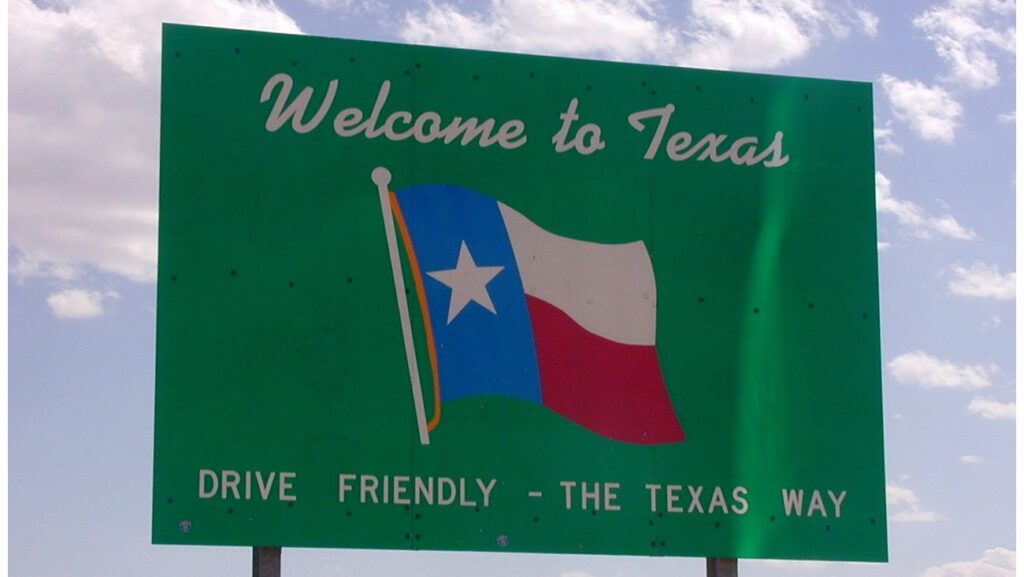
While as of today not all Member States have already transposed the Anti-SLAPP Directive, Greenpeace International is already building a case against Energy Transfer based on this piece of EU regulation. The litigation between Energy Transfer and Greenpeace leads back to 2016–2017, when Native American protestors and green activists resisted the construction of the Dakota Access pipeline built by the Texas-based petroleum company. The demonstrations attracted a large crowd and some protestors resolved to violence. Due to the protests President Barack Obama halted the construction of the pipeline. In 2017, however, President Donald Trump resumed works.
Energy Transfer claims that Greenpeace’s participation in the protests disrupted the construction works, therefore caused financial harm to the company. Greenpeace denies that it led the protests, while admitting that it has organized ‘nonviolent, direct-action training’ to protesters. Energy Transfer sues Greenpeace for defamation, conspiracy, trespass and tortious interference in a North Dakota court, while the environment advocacy organization claims that it cannot face fair trial in the oil-rich state.
After years of legal battle, in 2025 Greenpeace was ordered to pay 660 million USD in damages to the US company. The compensation fee was reduced to 345 million USD in early 2026. According to the court order, the largest sum of the fine, 149 million USD is due to the ‘direct harms’ the company suffered because of the protests. Already in 2024 Greenpeace announced that it is unable to pay for the damages the US company seeks and described the lawsuit as a strategic lawsuit against the organization aiming to silence the work they do. At the end of 2024 Greenpeace reported to possess total assets amounting to 23 million USD.
Building on the Anti-SLAPP legislation that the EU introduced in 2024, Greenpeace International, headquartered in Amsterdam, started to build a case against Energy Transfer. Greenpeace now aims to dismiss the North Dakota case and sue the Texas-based company in the EU to receive compensation for the ‘abusive litigation’ it had to go through. Considering how Greenpeace attempts to use the EU regulation, the Anti-SLAPP Directive received criticism for potentially shielding advocacy groups from accountability. As the directive is being transposed in Member States only now, Greenpeace’s lawsuit, which has its first hearing on 16 April, is the first test of the EU regulation.
As Greenpeace was already found guilty of causing financial damage to the Texas-based company, Energy Transfer clearly did not sue Greenpeace for a ‘manifestly unfounded’ claim. That is, Greenpeace can only accuse the US company of running an ‘abusive’ legal procedure against it. The damage done to the pipeline construction is real, however, and therefore, Energy Transfer’s desire for compensation is at least understandable. So, who is really being silenced? A company who rightfully seeks justice for damage or an advocacy group who is unable to pay for the damage it contributed to? Shielding Greenpeace from liability could send a message to other civil organizations that they, too, can resort to smear campaigns, defamation, or even violence without facing legal consequences.
Since Hungary is also obliged to implement the EU’s Anti-SLAPP directive, its shortcomings are not irrelevant for Budapest. The Anti-SLAPP framework could become a tool for civil society organizations to silence legitimate criticism of their activities, while also potentially undermining plaintiffs’ right to a fair trial.
Related articles:
At a time when public debate is increasingly polarized and superficial, Hungarian Conservative remains committed to depth, intellectual honesty, and independent conservative thought.
Producing high-quality journalism requires resources. Your contribution helps us expand our coverage, reach new audiences, and keep our content accessible.

Please consider supporting our mission.