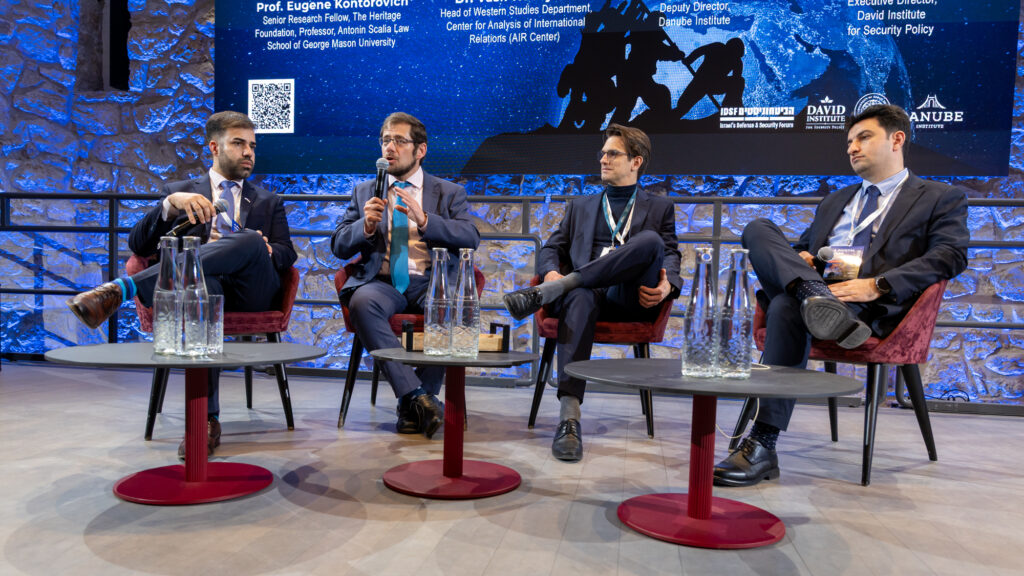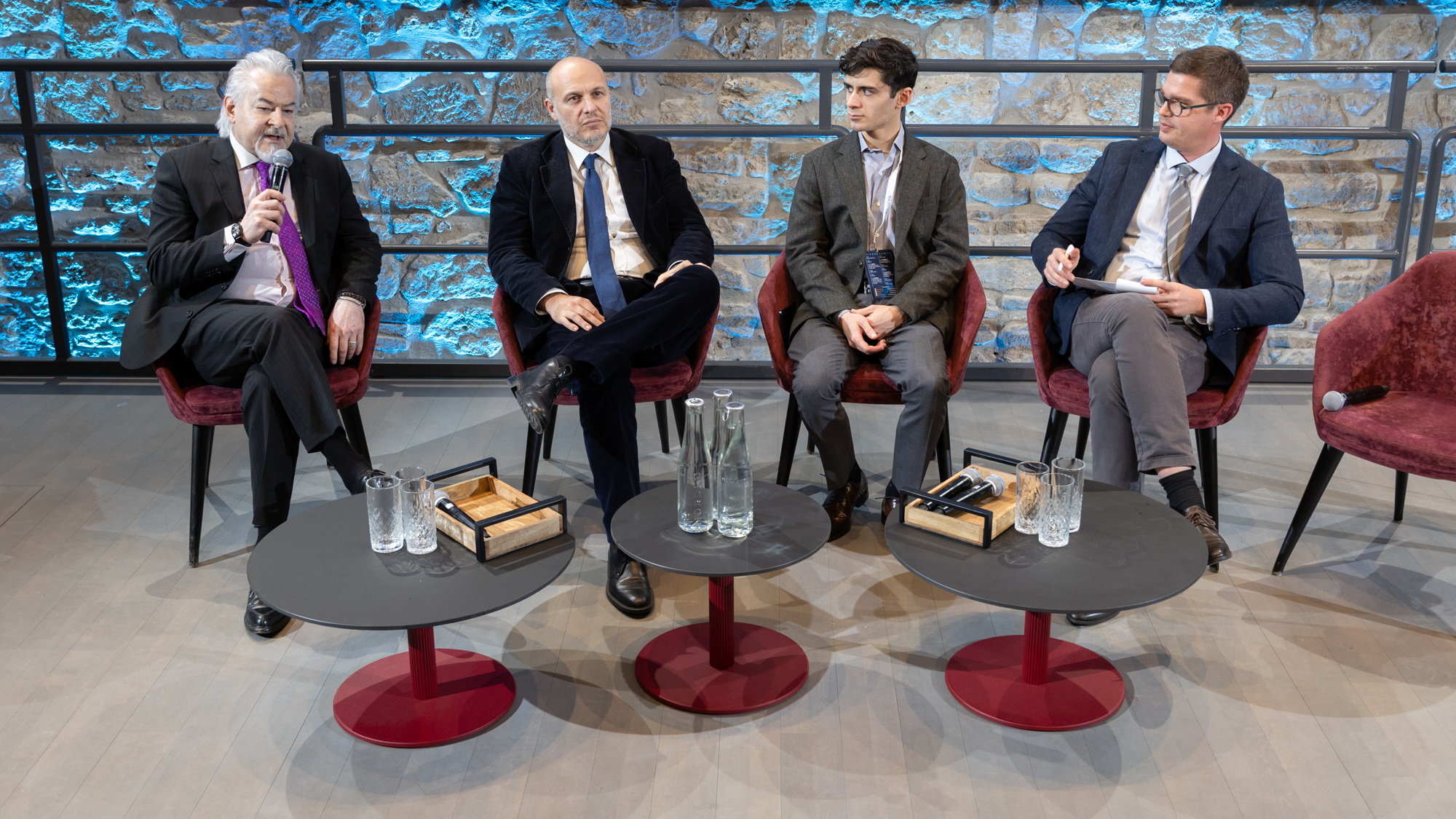
Budapest-based think tank Danube Institute launched its new Turkic–Western Engagement Initiative (TWEI) on 9 December with a high-level summit on the possibilities of cooperation between the increasingly important Turkic countries and the European Union and the United States. One of the panel discussions focused on Central Asia’s growing role in the critical mineral supply chain, involving distinguished experts Han Ilhan, Advisor to Chairman, Uzbekistan Technological Metals Complex (TMK); Gianclaudio Torlizzi, Advisor to the Italian Minister of Defence, Founder of T-Commodity; and Vladimir Paddack, Fellow, Nightingale Intelligence, Senior Analyst, AKE International.
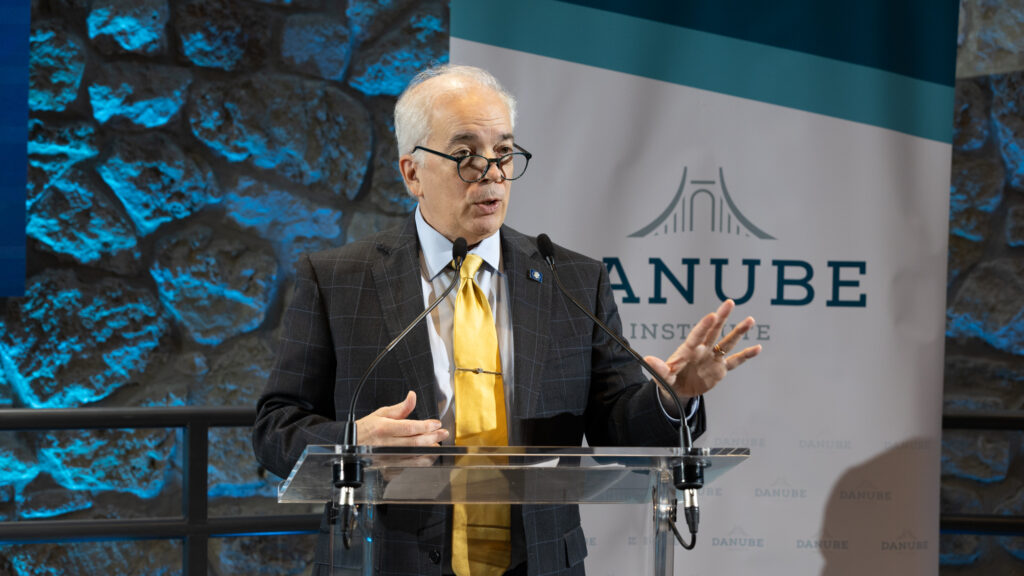
A keynote address by Research Director at the Caspian Policy Center Eric Rudenshiold set the broader strategic context. He noted that China’s leverage over global critical mineral supply chains has become a defining geopolitical challenge, especially for the United States, where supply chain strategy is now treated as an integral component of national security. Europe faces a similar reality: the energy transition, EV production, and digital infrastructure create growing demand for minerals to which Western powers have had limited access. The Russo–Ukrainian war, however, reshaped the landscape. Central Asia and the Trans-Caspian International Transport Route—the Middle Corridor—have emerged as essential alternatives, becoming the primary East–West corridor not controlled by Russia or Iran.
Rudenshiold highlighted massive Western and regional investment into expanding shipping capacity, modernizing transport infrastructure, and developing digitalization and coordination along the corridor. With traffic increasing sixfold over the past five years, the Middle Corridor has become a ‘strategic lifeline’ for Western companies seeking to diversify mineral supply chains. At the same time, he emphasized growing Japanese engagement—particularly with Uzbekistan—and the organic integration of Central Asia into wider connectivity networks. Hungary, he noted, is well-positioned to support institutional harmonization through the Organisation of Turkic States (OTS) and to seize new opportunities in supply chain restructuring, even as persistent regulatory inconsistencies and logistical challenges remain.
The panel on diversifying critical mineral supply chains explored these dynamics from business, defence, and technological perspectives. Opening the discussion, Han Ilhan underscored that rare earth elements form just one subset of the broader universe of critical raw materials essential to modern life. Without reliable access to these inputs, he argued, the manufacturing sector—from EVs and green energy to pharmaceuticals—would face dramatic disruption. His colleagues agreed, each outlining additional sectoral vulnerabilities.
Gianclaudio Torlizzi stressed that the EU’s current list of critical materials is heavily shaped by electrification priorities but overlooks several materials vital for defence, including aluminium and specialized military-grade steel, for which Europe has extremely limited production. Effective policymaking, he argued, must begin with intelligence gathering: many companies lack visibility beyond their immediate suppliers and do not fully understand where raw-material risks lie within components sourced from abroad. This data gap, coupled with industry reluctance to share sensitive information, remains a major structural obstacle.
Vladimir Paddack extended the analysis to the technology sector, noting that semiconductors and data centres—indispensable to the AI revolution—rely on vulnerable raw-material chains and remain subject to concentrated downstream dependencies, particularly in Taiwan. Even if Central Asia strengthens its role in extraction, Western exposure persists in later stages of the supply chain.
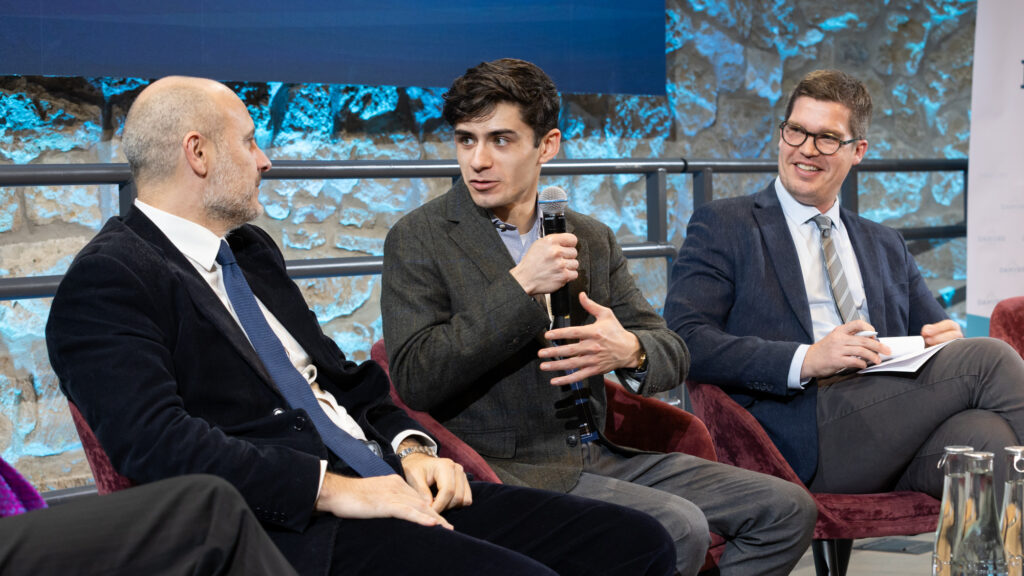
In a debate on the geopolitical impact of critical minerals, Ilhan argued that Central Asia has a unique opportunity to offer not only extraction but also midstream processing. Uzbekistan’s strategy, he explained, centres on establishing midstream metal-production hubs within special economic zones designed to attract end users. He emphasized that sustainable partnerships require tactical execution, not endless strategizing, and that Central Asian suppliers should proactively approach Western demand centres with concrete value propositions. Ilhan also floated an unconventional logistical idea—airlifting processed metals to end users rather than relying on slow, capacity-limited overland corridors—which he acknowledged was controversial but economically justifiable for high-value sectors.
Torlizzi supported deeper cooperation but warned that Western firms lack the institutional mechanisms to pursue a coherent critical-minerals policy. Because commodities intersect with defence, industry, health, and foreign policy, responsibilities are fragmented, and progress is slow. He called for national-level structures—ideally coordinated directly by prime ministers—to streamline decision-making and launch partnerships with resource-rich countries.
Paddack underlined another gap: while Central Asia seeks to build full production capabilities, China is already offering what the region wants—capital, technology, and rapid human-resource deployment. Beijing is integrating Central Asian states into its supply chains through large-scale localization projects, including electric-vehicle and battery production. Western engagement, he argued, must address these aspirations rather than focus solely on securing raw inputs.
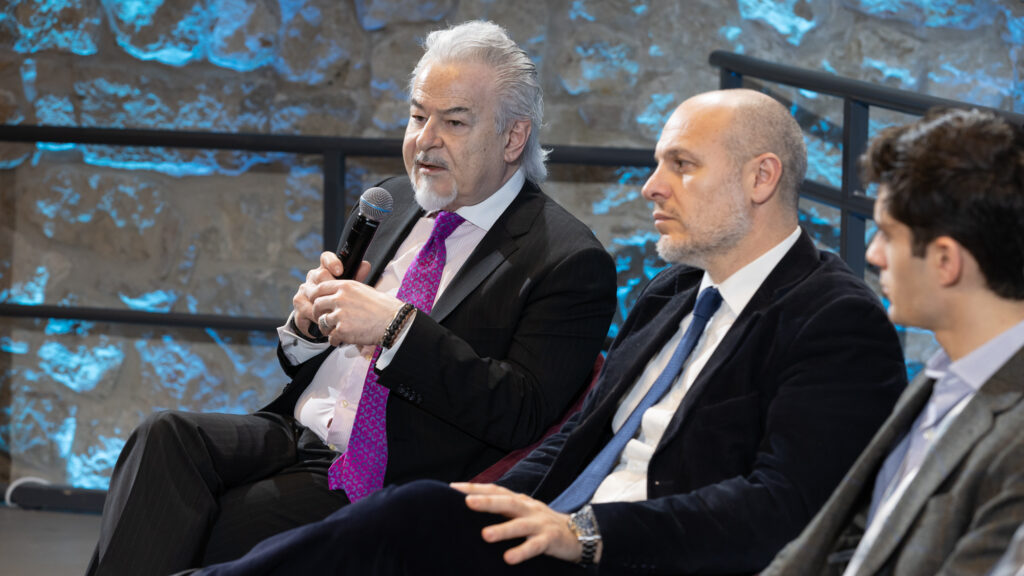
The discussion concluded with an assessment of Hungary’s potential role. Ilhan suggested that Budapest could become a bridge between Western end users and Central Asian suppliers, helping to map supply-chain complexities and facilitate dialogue. Torlizzi said Italy would welcome cooperation with Hungary on mining and refining ventures once domestic bureaucratic obstacles are resolved. Paddack pointed to Hungary’s growing financial presence in Central Asia—including OTP Bank’s expansion—as a possible foundation for enabling Western investment flows into the region.
Above all, Ilhan stressed that critical minerals are not primarily a question of available capital but of investment criteria and risk-sharing mechanisms. Without public-sector risk absorption from Western demand centres, private capital will remain cautious. With Central Asia executing significant projects and eager for co-investment, he urged Western stakeholders to move from discussion to action: visit the region, assess available resources, and begin building long-term, diversified, tactical partnerships.
The discussion closed with a strong consensus: the restructuring of critical-mineral supply chains is both urgent and unavoidable, and Central Asia—supported by initiatives such as TWEI—will be central to any credible Western strategy.
Related articles: