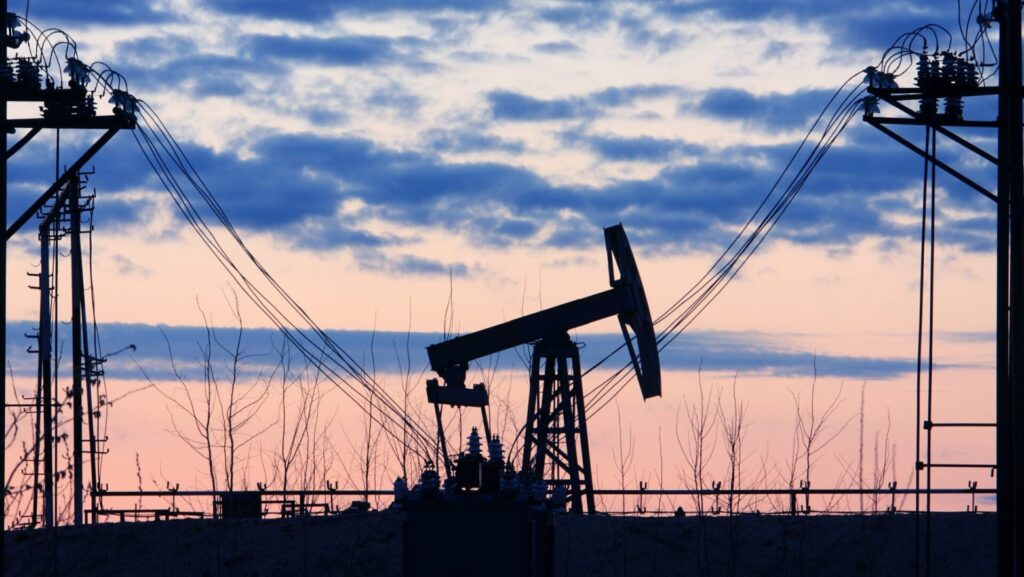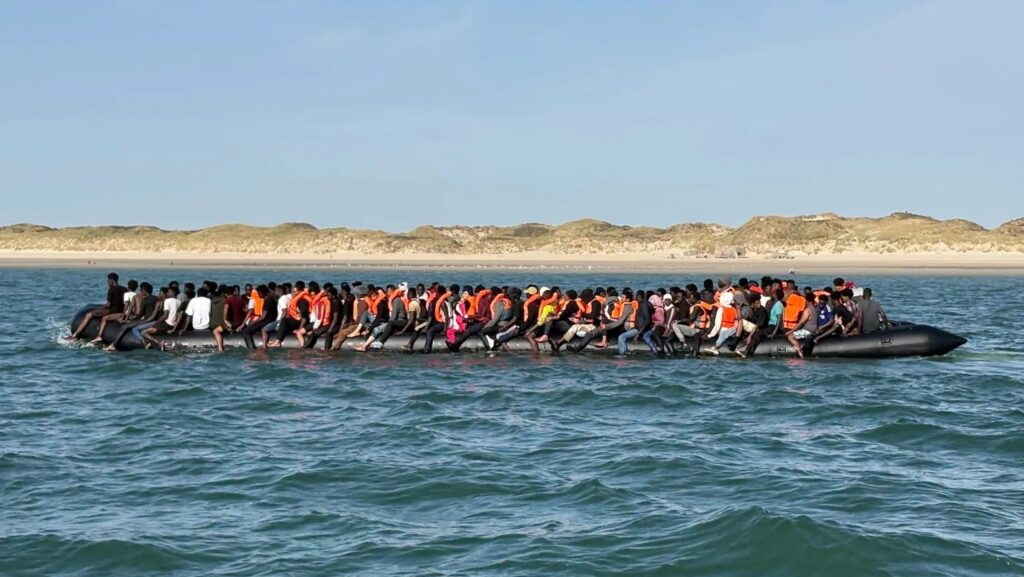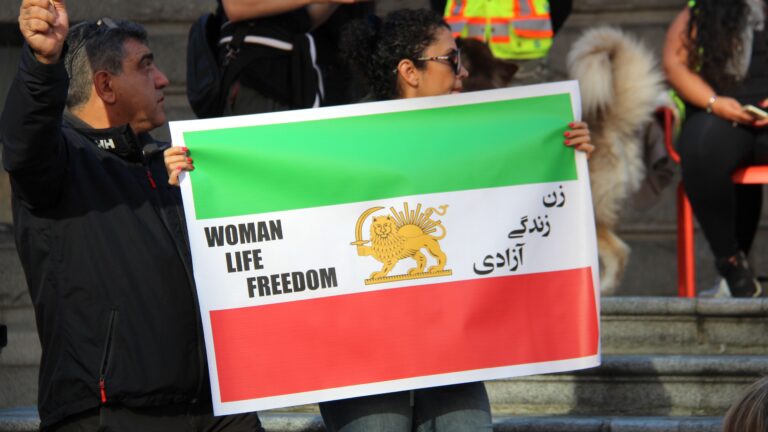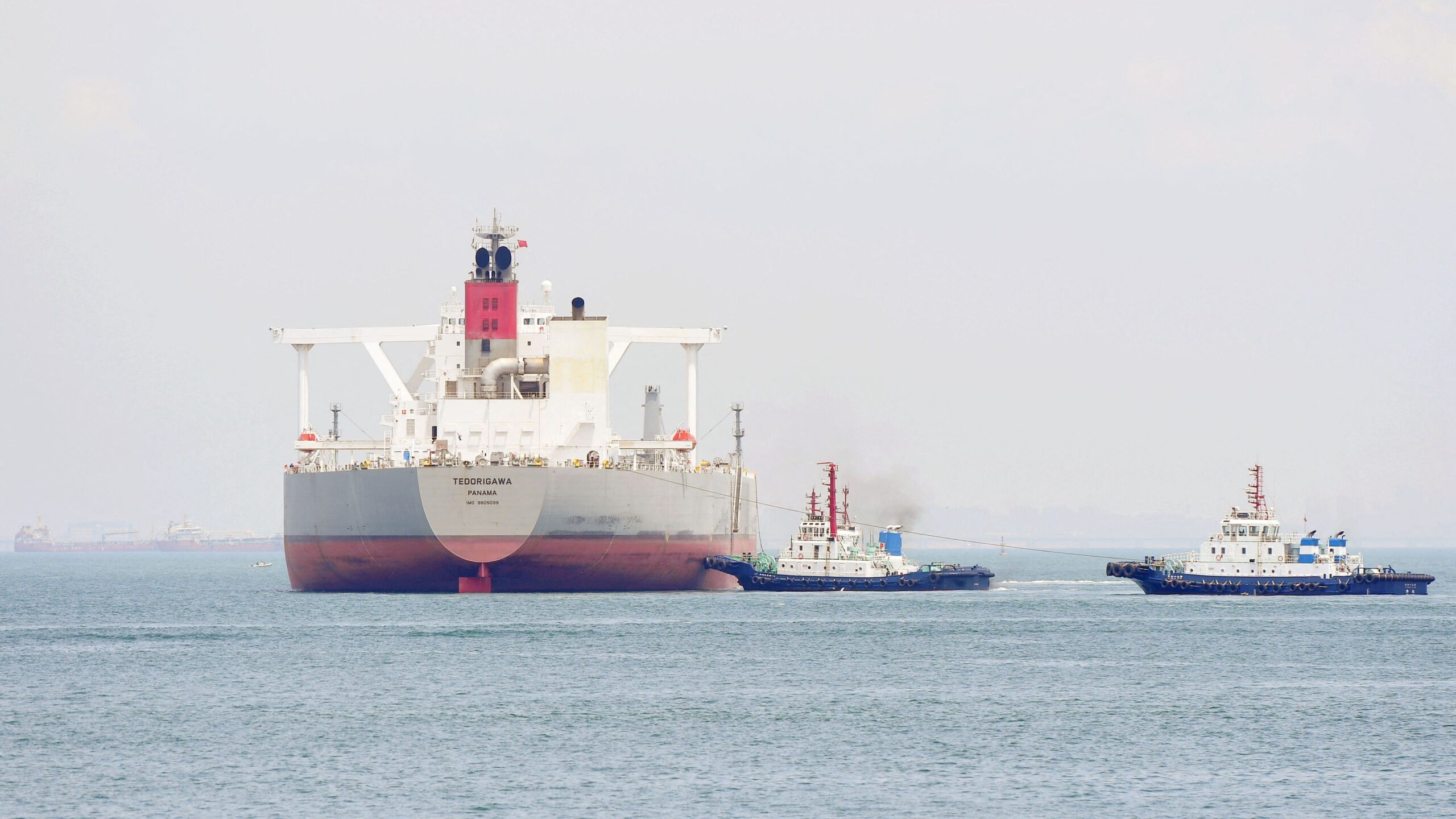
The U.S.-Israeli war against Iran has perhaps resulted in the most significant supply disruption in the history of petroleum after the Iranians shut down the Strait of Hormuz, through which almost 20 per cent of the world’s oil supplies pass.
Financial forecasters, during the peak of hostilities, had predicted that the price of oil would escalate to $150 per barrel, which would have triggered a global financial crisis worse than the one in 2008, when oil was at $147 per barrel. This did not transpire, in part because the so-called petro-monarchies of Oman and Saudi Arabia took measures to redirect an additional 5 million b/d through alternative pipelines—the United Arab Emirates (UAE) had less success, despite possessing ports and pipelines specifically designed for that purpose. The United States and Japan released an unprecedented 2 million b/d from emergency reserves.
The global catastrophe was ultimately mitigated as a result of choices made by the ruling Chinese Communist Party (CCP). In fact, no nation has adjusted to the conflict as efficiently as China, notwithstanding that 13 per cent of China’s oil imports come from Iran, which amounts to 5.4 million b/d from other Gulf nations.
In a move for self-preservation, China reduced its crude oil imports by 50 per cent between February and June—oil imports were down over 40 per cent compared to the previous year, resulting in decreased demand and lower oil prices. As global oil prices rose, China curtailed its oil purchases.
Notably, this reduction surpassed half of the global decline observed during the COVID-19 lockdowns, when worldwide demand fell by 9 million b/d. Unlike the pandemic period, which drove the global economy into recession, China’s GDP has continued to demonstrate robust performance.
By demonstrating its ability to withstand a significant supply shock while altering regional and global fuel distributions, China has indicated that it is considerably less dependent on international energy markets. This represents a significant departure from the era of profound energy interdependence that characterized the last 20 years. In this context, the most critical outcome of the Iran war may not be the disruptions it has caused, but rather the indication that China now has the capacity to manage such shocks largely on its own.
‘China has indicated that it is considerably less dependent on international energy markets’
This development could not only transform the global oil market but also alter financial transactions in its favor.
Increasing the yuan’s role in international transactions has become a central focus of Beijing’s latest five-year plan, which includes financing overseas development projects in its own currency. The Financial Times noted that the urgency of Beijing’s goals has been heightened by President Donald Trump’s unpredictable trade policies, while historically low interest rates in China have further enhanced the appeal of the yuan for lenders.
The Chinese yuan still faces considerable challenges vis-à-vis the U.S. dollar, which remains the foundation of the vast majority of international finance, with 64 per cent of global debt issued in that currency—the dollar’s market share presently stands at 50.1 per cent, while the yuan’s is just 3 per cent. Hence, the reason Beijing has been actively pursuing the goal of enhancing the global usage of its currency, aiming to diminish reliance on the U.S. dollar.
In late June, for example, China’s central bank revealed a range of initiatives designed to facilitate the internationalization of the currency. These measures include permitting financial entities, such as central banks and sovereign wealth funds, to borrow directly from the People’s Bank of China by using Chinese bonds as collateral, similar to the operations involving U.S. Treasury bonds, which are among the most favored reserve assets globally.
Furthermore, the six largest state-owned banks in the country have been granted permission to conduct offshore transactions (traded in foreign markets) directly from their main offices, within yuan transaction quotas, rather than relying on their overseas branches. Recently, Deutsche Bank became the first non-Chinese bank authorized to conduct yuan transactions in Europe, representing a notable step forward in China’s initiatives to contest the supremacy of the U.S. dollar.
In this anti-U.S. crusade, the CCP has also resorted to ‘lawfare’—which involves the application of legal frameworks and institutions to shape international relations.
Since joining the World Trade Organization (WTO) in 2001, most in the West credulously believed that WTO membership would require China to enhance the rule of law, implement specific civil reforms, including the publication of regulations, and adopt democratic reforms. Instead of integrating into the ‘free nations of the earth’ by 2025, as predicted in 2007 by Harry Rowen, the Assistant Secretary of Defense for International Security Affairs (1989–1991), China has rapidly ascended to become the largest exporter globally, with a reported GDP growth of 1,400 per cent under a one-party socialist system, while consistently breaching the foundational principles of the WTO.
‘Instead of integrating into the “free nations of the earth”…China has rapidly ascended to become the largest exporter globally’
At the same time, the ruling CCP has engaged in the theft of intellectual property through cyber operations and human intelligence recruitment; it imposes restrictions on foreign companies operating in China, compelling them to share their technologies with local firms, while spending ten times more than the US to subsidize domestic enterprises.
China has also bested the U.S. in trade. The recently reported record trade surplus of $1.19 trillion by Beijing indicates that, despite President Donald Trump’s attempts to curb China’s manufacturing exports through tariff policies, this geopolitical and economic competitor has not only discovered alternatives in global markets but has also flourished. Trade and supply chain data reveal that two significant factors contribute to China’s ability to mitigate the effects of U.S. tariffs: the use of secondary manufacturing markets, especially in Asia, to complete products, and the use of forced labor.
In May, Washington exerted pressure through sanctions, export controls, and legal actions against Chinese companies—the U.S. Department of Commerce recently enacted new sanctions aimed at restricting Chinese advanced computing chips, particularly targeting Huawei’s Ascend series of artificial intelligence (AI) chips. This came off as a tit-for-tat response after China’s Ministry of Commerce in May instructed Chinese companies to ignore U.S. sanctions affecting five domestic refiners linked to Iran’s oil trade, invoking its 2021 ‘blocking’ law aimed at shielding firms from what it calls unjustified foreign measures.
Currently, the CCP is striving to attract more foreign investment by enhancing the efficiency and professionalism of its legal system. Giving the impression that it adheres to the rule of law, Beijing has sought to fortify the Party’s authority by enabling it to influence judicial decisions and fulfill its objectives, while also extending the application of Chinese law beyond its borders.
On the global stage, China aims to reshape international law to its advantage by undermining established norms, exporting authoritarian aspects of its legal system, and influencing the development of laws and norms in emerging areas such as space and cyber governance. The problem for the U.S. is that its credibility as a reliable partner has been severely undermined by its inability to achieve its goals in the Iran war: halting the uranium enrichment program, diminishing long-range missile capabilities, halting regional proxies such as the Houthis, Hamas, and Hezbollah, and pursuing regime change—not to mention its inability to end the war in Ukraine.
Related articles:
At a time when public debate is increasingly polarized and superficial, Hungarian Conservative remains committed to depth, intellectual honesty, and independent conservative thought.
Producing high-quality journalism requires resources. Your contribution helps us expand our coverage, reach new audiences, and keep our content accessible.

Please consider supporting our mission.