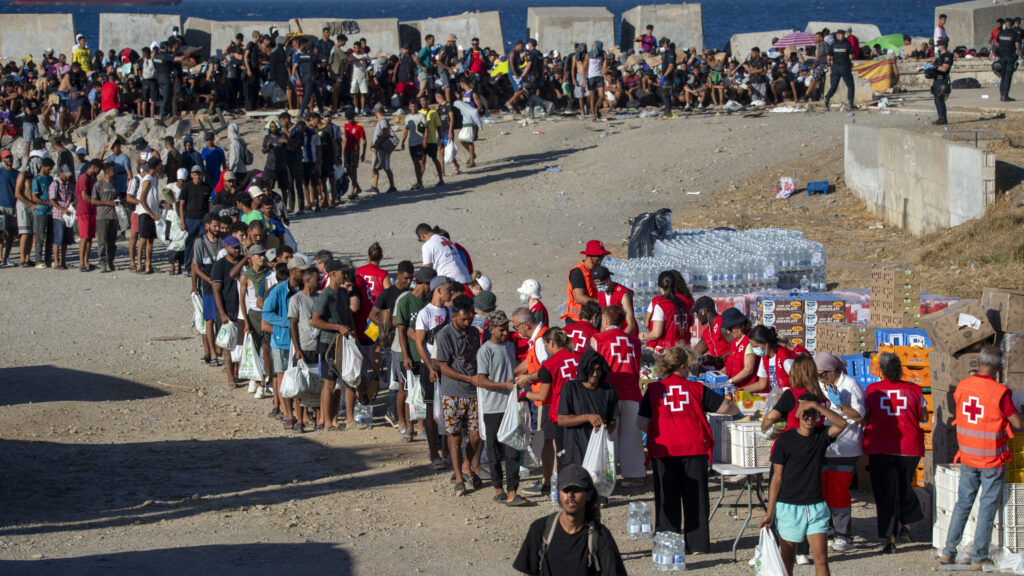
Dutch humanitarian organizations withdrew from the forecourt outside the Ter Apel asylum-registration centre, citing security concerns and escalating violence inside the packed reception facility, which they said had made their work impossible.
Both the Red Cross and VluchtelingenWerk Nederland recently suspended their respective operations, which included distributing meals, water, and blankets, as well as providing shelter and electricity to asylum seekers staying outside the centre. The organizations also provided procedural information and identified ‘vulnerable arrivals’ on the ground.
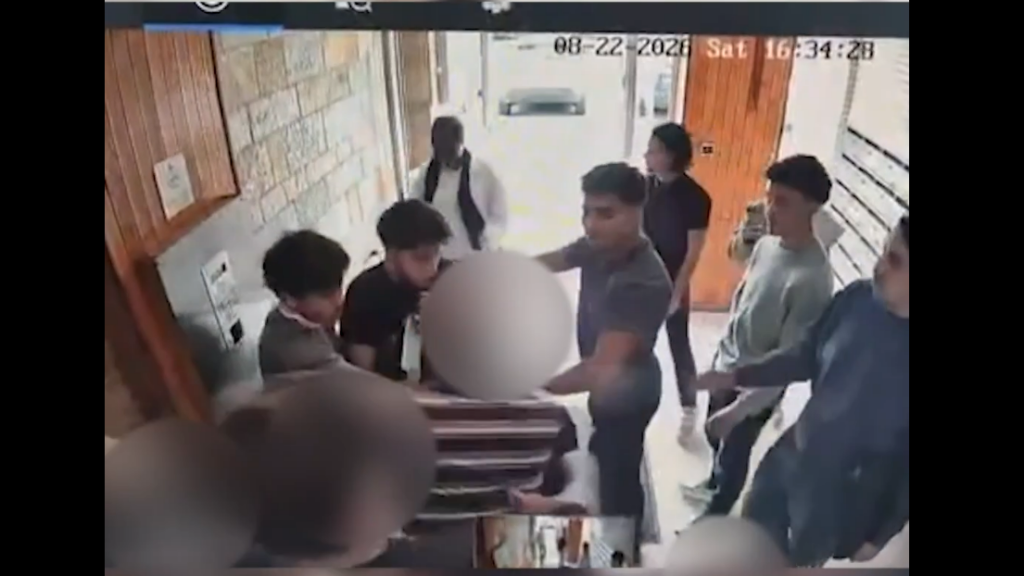
The withdrawal followed a recurring pattern of violent incidents involving migrants, with both organizations citing intimidation, fights, fears of money or mobile phones being stolen, and an increasingly threatening atmosphere. According to reports, aid workers noted that the violence was being committed by a relatively small group of male asylum seekers with ‘little prospect of receiving asylum’. According to Red Cross director Harm Goossens, some of the individuals had ‘previously stayed inside the centre’, while others appeared to ‘come from outside’.
The first night after the organizations left saw chaos erupt. On 11 July, ANP reported scuffles and fights on the forecourt. A small group of men, again, repeatedly confronted one another and asylum seekers from the centre. Security personnel and police intervened, although reportedly not during every confrontation.
After one fight, security staff took a man inside the compound as four police vehicles and an ambulance arrived. Police broke up another confrontation without making arrests. Beer bottles were smashed during several disturbances, although no injuries were reported from those incidents.
Ter Apel is the Netherlands’ main entry point for asylum registration. Its maximum occupancy is 2,000; however, the site is overcrowded, with 2,316 asylum seekers reported as of 20 May. The Central Agency for the Reception of Asylum Seekers, the country’s government agency responsible for providing shelter, guidance, and support to asylum seekers, restricted entry and prioritized ‘vulnerable’ applicants only.
Since then, dozens have spent their days outside before being bused to temporary overnight sites; 53 slept in Nieuwe Pekela on the night of 10–11 July.
Ter Apel reflects broader problems in the Dutch asylum system, with 19,000 recognized refugees remaining in similar facilities because there is no housing for them. The problems are not entirely new: in 2022, hundreds slept outside Ter Apel in unhygienic conditions with inadequate access to medical care, prompting the global medical NGO Médecins Sans Frontières to intervene on site.
Security problems and disorder are not necessarily concentrated only at Ter Apel, but rather extend to many more migrant centres across the country. Protests began in Loosdrecht in late April after authorities announced plans to accommodate 110 single male asylum seekers in a former town hall, with residents accusing officials of inadequate consultation and of disregarding local safety concerns. The proposed number was later reduced to 70. On 12 May, as the first 15 residents arrived, hundreds of demonstrators gathered outside; rioters threw fireworks and flares, ignited vegetation against the building, and clashed with riot police. The protests went on for weeks, and the situation remains tense in Loosdrecht.
Taken together, Ter Apel and Loosdrecht show a Dutch asylum system that is no longer merely under pressure but structurally broken. New arrivals cannot always be offered even an immediate place indoors; a violent minority already within the reception system has created conditions in which humanitarian organizations no longer consider their work safe; and municipalities are confronting growing public resistance to additional centres.
Related articles:
At a time when public debate is increasingly polarized and superficial, Hungarian Conservative remains committed to depth, intellectual honesty, and independent conservative thought.
Producing high-quality journalism requires resources. Your contribution helps us expand our coverage, reach new audiences, and keep our content accessible.

Please consider supporting our mission.