Western assumptions about state-building and coexistence in the Middle East are increasingly being challenged. This debate framed A Majority of Minorities? A New Look at the Middle East, a joint conference organized by the Mathias Corvinus Collegium (MCC) and the Danube Institute on 11 February 2026. The second block of the event focused on the reassessment of international aid and political structures in a post-liberal context, with speakers across panels and keynotes questioning whether Western-driven development models and centralised state systems can address the region’s deep social fragmentation.
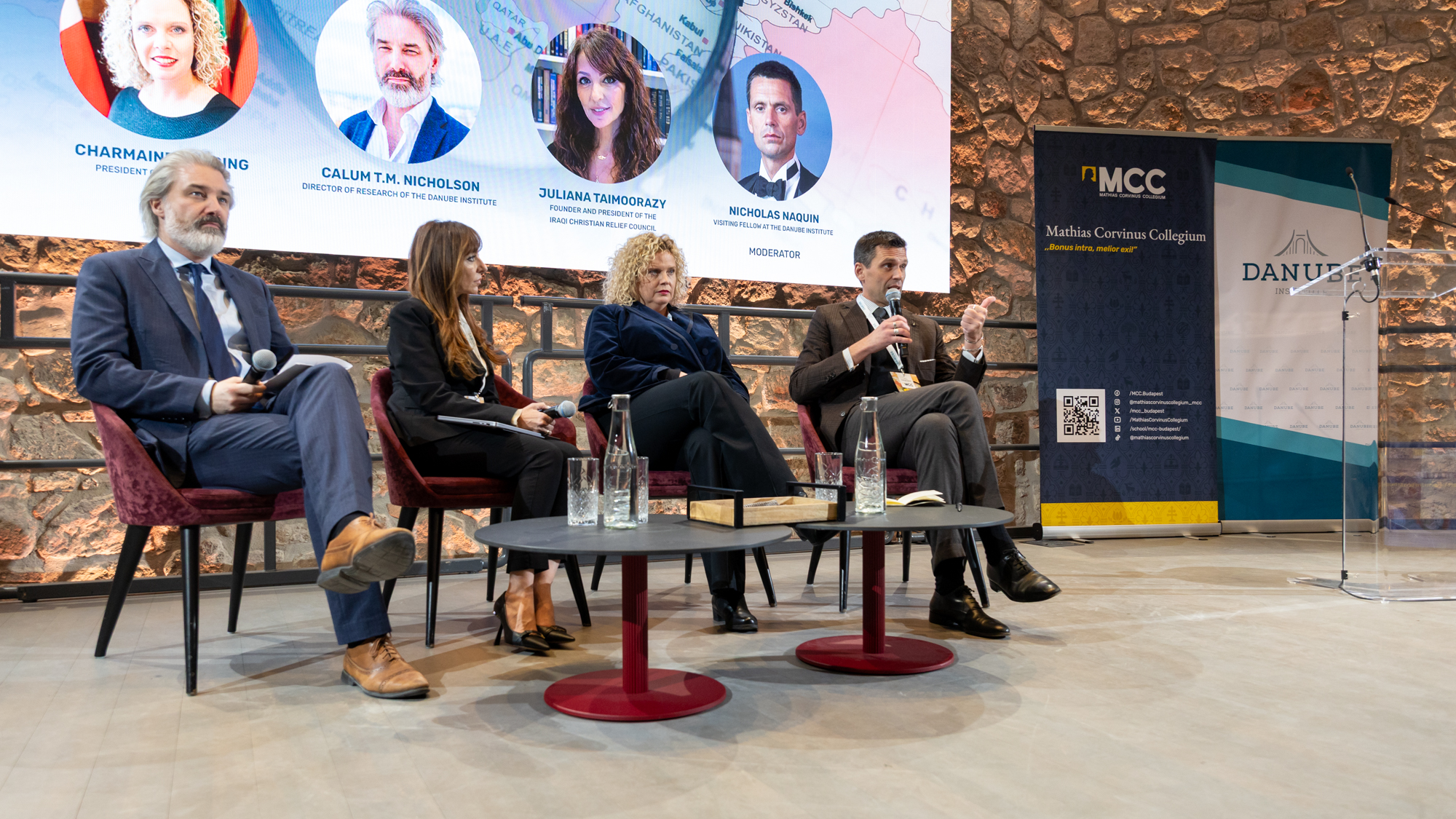
In the panel on post-liberal international aid, Director of Research of the Danube Institute Calum T M Nicholson; Founder and President of the Iraqi Christian Relief Council Juliana Taimoorazy; President of the Shai Fund Charmaine Hedding and moderator Nicholas Naquin, Visiting Fellow at the Danube Institute reflected on the impact of the effective shutdown of USAID-linked programmes.
While large-scale aid had previously played a central role, its disappearance exposed how inaccessible such mechanisms were for smaller, volunteer-run or faith-based organizations. Several speakers argued that bureaucratic requirements often excluded those most embedded in local communities, leaving countries like Hungary and programmes such as Hungary Helps to fill critical gaps.
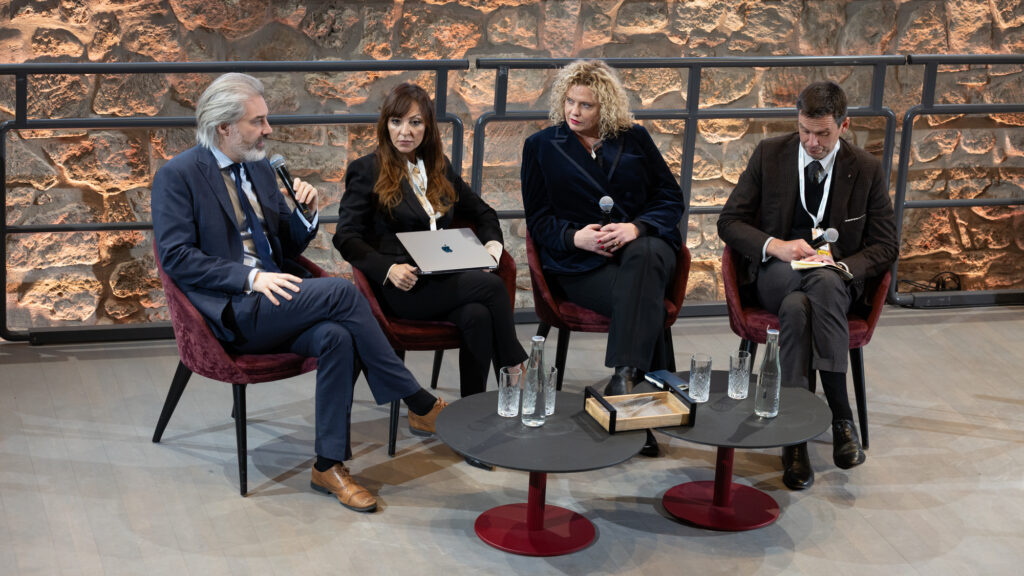
Beyond funding structures, the panel challenged the underlying assumptions of international development. Nicholson argued that aid has always been a political tool shaped by ideology and power, and that excessive idealism has led to unrealistic expectations and harmful outcomes.
Taimoorazy and Naquin emphasized that discussions of development must remain anchored in human dignity, as communities continue to face displacement, broken healthcare systems and the long-term effects of trauma. Concerns were also raised about dependency, misallocation of funds and unintended consequences, particularly when aid reinforces weak institutions or exacerbates communal tensions.
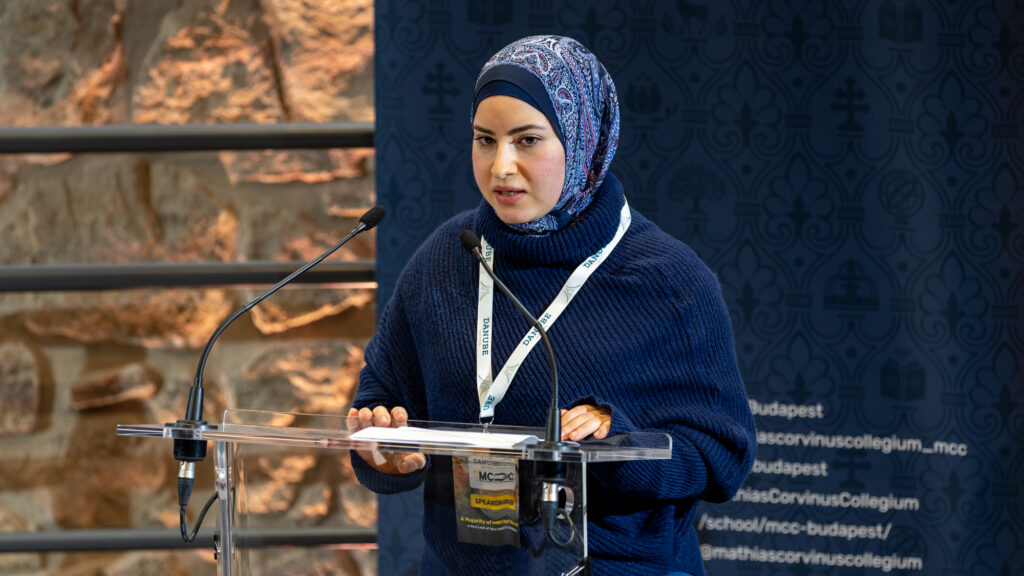
In his keynote address, Head of the Islamic–Arab Council Mohamad Ali El-Husseini framed minority inclusion as a question of citizenship rather than identity. Using Lebanon as an example, he argued that recognizing diversity does not weaken states, but can strengthen them if equality and inclusion are genuinely upheld. Minority marginalization, he warned, is often intensified by external power struggles rather than internal coexistence itself.
Panel four, moderated by Director of International Relations at IDSF Elie Pieprz, examined political models and their viability in the Middle East. Speakers Non-Resident Fellow at the Danube Institute Marwan Abdallah; Senior Research Analyst at Foundation for Defense of Democracies Ahmad Sharawi and Founder and President of the Israeli Christian Aramaic Association Shadi Khalloul debated unitary systems, federal frameworks, sectarian arrangements and various forms of autonomy.
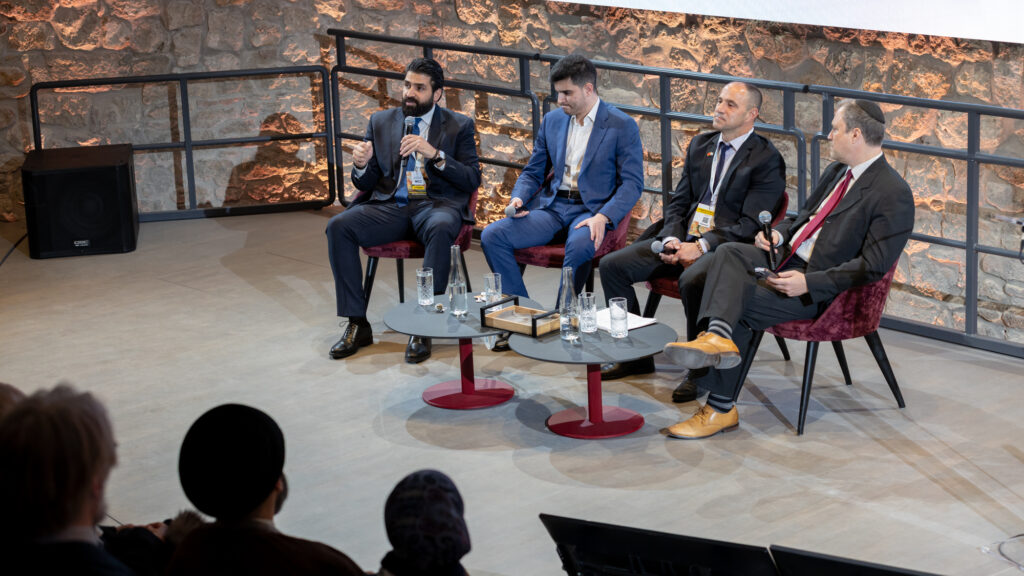
The panel examined political models across the region, weighing centralized, federal and decentralized systems. Speakers agreed that no single model can be universally applied, as historical, social and geopolitical conditions differ sharply.
Centralization was seen by some as necessary for stability and rule of law, while others argued that decentralization or confederation offers minorities the only credible protection against erasure. Despite disagreements, panellists converged on the importance of education, accountability and trust as prerequisites for any sustainable reform.
Taken together, the second block underscored a shared conclusion: both international aid and political reform in the Middle East suffer when abstract ideals override local realities. Speakers called for more realistic, context-sensitive approaches that prioritize social cohesion, credible governance and the lived experience of communities on the ground.
Read more from the conference: