Serbia has reached an agreement for Hungary’s oil and gas company MOL to purchase the majority Russian-owned stake in Serbia’s national oil company NIS from Gazpromneft, Serbian Energy Minister Dubravka Djedovic Handanovic announced on Monday.
According to the minister, the terms of the deal will also be forwarded to US President Donald Trump’s administration.
Djedovic Handanovic said the deal would improve Serbia’s position in NIS, allowing the Serbian state to increase its ownership share by 5 per cent in the future. This would push the government’s stake above one-third, granting broader decision-making rights and, she argued, better protection for Serbian citizens’ interests.
The minister also noted that potential partners from the United Arab Emirates are expected to participate in the purchase agreement as well. She said the deadline to conclude the related talks is 24 March.
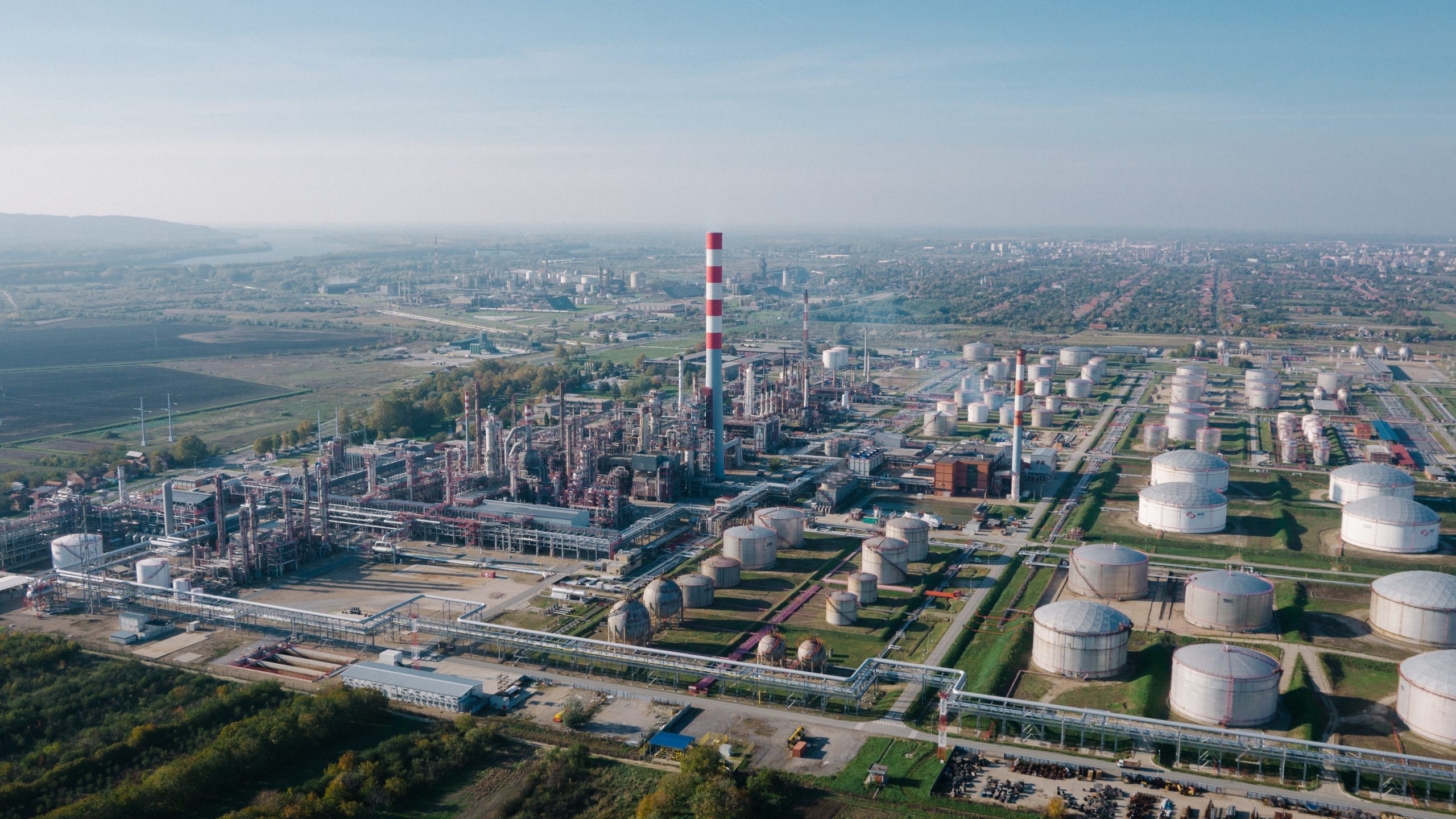
Djedovic Handanovic emphasized that MOL has committed to keeping the Pančevo oil refinery open and maintaining production levels, with the option of increasing output if necessary. The Pančevo facility is Serbia’s only oil refinery.
‘The region’s integrated oil market could be a strategic advantage for Hungary and Central Europe. The Hungarian government will actively support MOL’s acquisition of NIS through diplomatic channels,’ Minister of Foreign Affairs and Trade Péter Szijjártó said recently.
‘The region’s integrated oil market could be a strategic advantage for Hungary and Central Europe’
NIS was sanctioned in October by the US Treasury Department’s Office of Foreign Assets Control (OFAC) as part of broader punitive measures targeting Russia’s energy sector. The sanctions led to a halt in crude oil deliveries through the Adria pipeline (JANAF) via Croatia, while production at the Pančevo refinery was also suspended.
However, on 31 December, OFAC issued a special licence for the company. This enabled the restart of refinery processing, crude oil imports, and certain financial transactions.
The United States has also approved a negotiation period for NIS to arrange the sale of the Russian-owned portion of its refinery assets until 24 March 2026.
Crude oil deliveries resumed through JANAF on 13 January after a pause of around 100 days. In the first week, 85,000 tonnes of crude were delivered, with an additional 35,000 to 45,000 tonnes expected the following week.
Gazprom currently holds an 11.3 per cent stake in NIS, while its subsidiary Gazpromneft owns 44.9 per cent. The Serbian government’s share stands at 29.87 per cent, with the remaining shares held by minority shareholders.
Related articles: