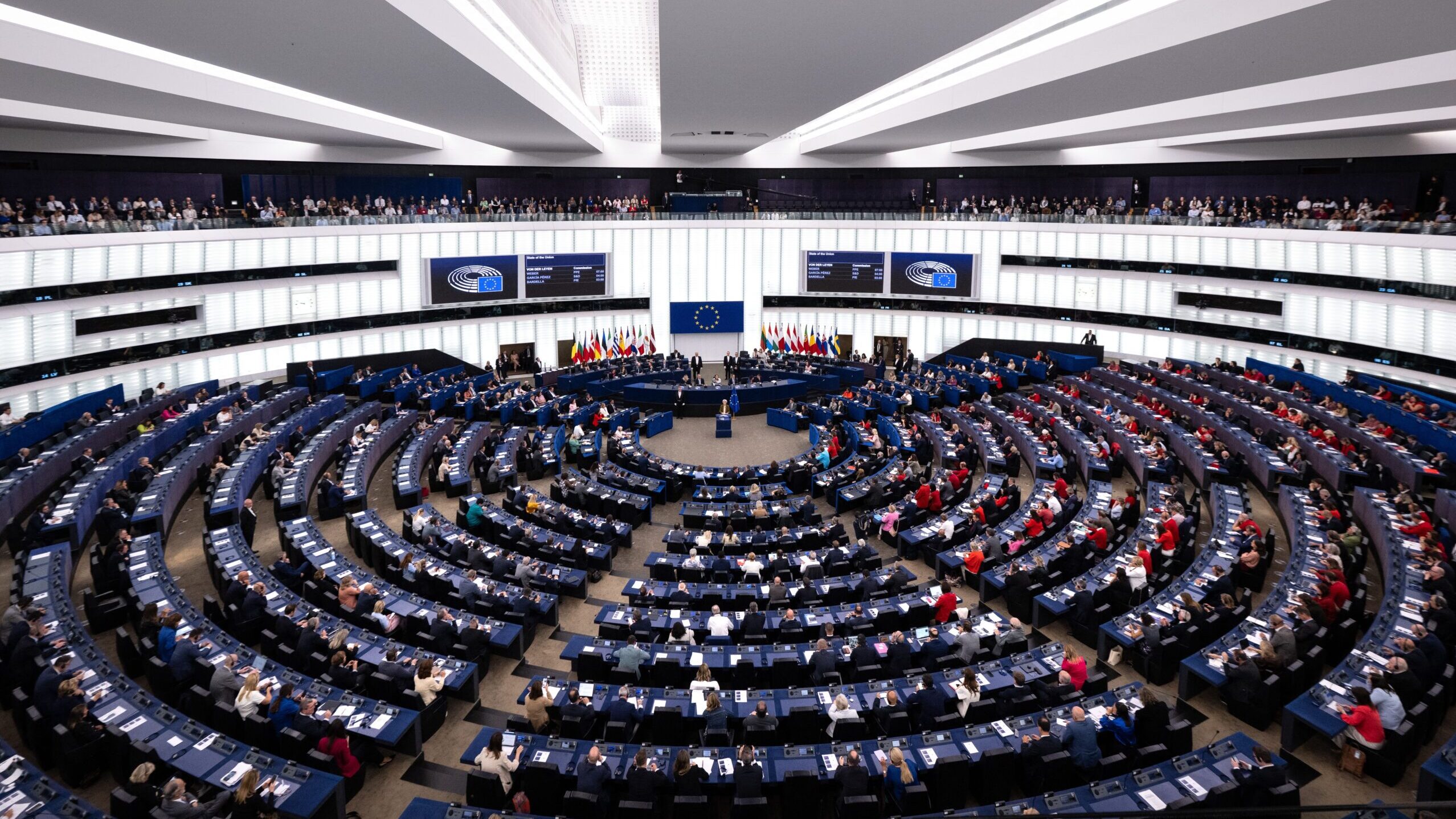
In a landmark decision, the European Parliament has voted overwhelmingly to begin negotiations on the creation of a digital euro. The Strasbourg plenary session approved the mandate with 416 votes in favour, 169 against, and 22 abstentions, the parliament announced Thursday.
The digital euro represents a bold step into the future of finance: a new electronic payment instrument issued by the European Central Bank (ECB) that would be available to all residents of the eurozone, usable both online and offline. Rather than replacing traditional banknotes and coins, this new currency would complement them, offering citizens an additional choice in how they pay while preserving the option to use cash.
The proposed digital currency is designed with accessibility and consumer protection at its core. Basic services, including account opening, fund management, holding, sending, and receiving digital euros would be free of charge for consumers. The ECB would guarantee the digital euro’s value just as it does for traditional cash, and crucially, the digital euro would not be classified as cryptocurrency, distinguishing it from the volatile digital assets that have captured headlines in recent years.
Privacy protections feature prominently in the proposal. The digital euro would ensure high-level data protection for payments while remaining compliant with EU regulations on fraud prevention and anti-money laundering. Transactions would be monitored without revealing personal data, and information would only be processed to the extent strictly necessary for the system to function.
Recognizing the potential risks that a central bank digital currency could pose to the financial system, the proposal includes limits on how many digital euros an individual can hold. These caps would ensure the digital euro is used primarily as a means of payment rather than as a store of value, preventing the kind of large-scale shifts away from bank deposits that could threaten financial stability.
The digital euro would extend beyond the eurozone itself, with banks and payment service providers in EU countries outside the currency area also permitted to distribute it. Eurozone countries would remain obligated to ensure cash remains accessible, and businesses would be prohibited from banning cash payments, preserving the rights of citizens who prefer traditional payment methods.
Consumers would access their digital euros either through dedicated digital euro accounts or digital wallets provided by their banks or other intermediaries. The creation and use of basic digital euro wallets would also be free of charge, ensuring that the new payment option is available to all citizens regardless of their financial circumstances.
The digital euro is not designed to displace existing payment methods. It would not replace cards or mobile payment applications but rather complement them, offering an additional digital payment option backed by the full faith and credit of the European Central Bank.
Related articles:
At a time when public debate is increasingly polarized and superficial, Hungarian Conservative remains committed to depth, intellectual honesty, and independent conservative thought.
Producing high-quality journalism requires resources. Your contribution helps us expand our coverage, reach new audiences, and keep our content accessible.

Please consider supporting our mission.