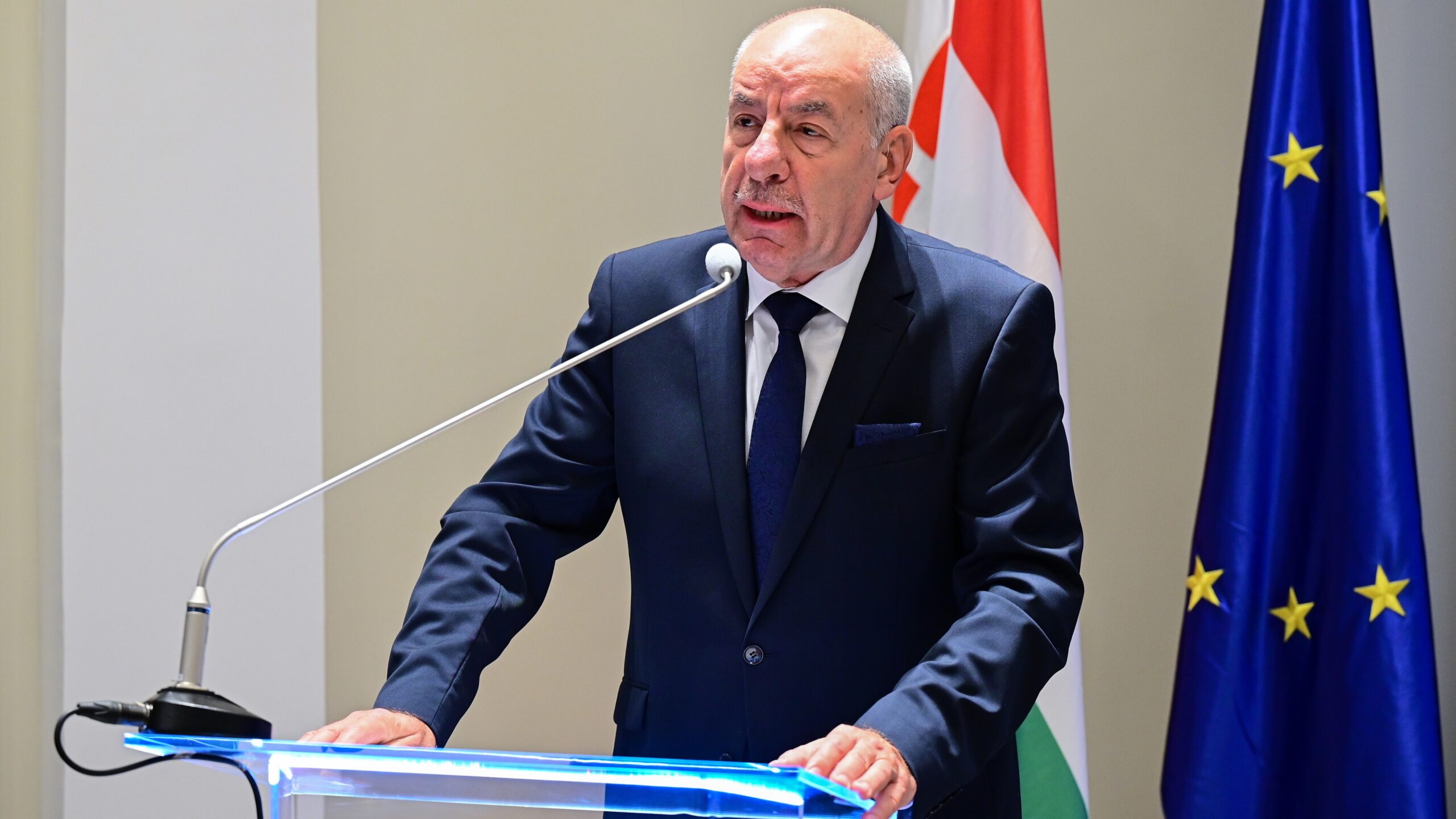
Hungarian President Tamás Sulyok has officially set the date of Hungary’s tenth parliamentary election since the democratic transition. As widely expected, the head of state chose the earliest date permitted by law, Sunday, 12 April 2026.
‘Free elections are one of the cornerstones of democracy. I encourage everyone to exercise this right,’ Sulyok wrote in a Facebook post announcing the decision. The date was quickly acknowledged by Prime Minister Viktor Orbán and Tisza Party leader Péter Magyar.
Dr. Sulyok Tamás
Az alaptörvényben és a választási eljárásról szóló törvényben foglaltaknak megfelelően, az erről szóló határozatommal kitűztem az országgyűlési képviselők 2026. évi általános választását. A…
Under Hungarian law, parliamentary elections must be held on a Sunday in April or May, excluding public holidays as well as Easter and Pentecost Sundays. 12 April falls one week after Easter, which will be celebrated on 5 April in 2026, making it the first legally available option.
Following the announcement, authorities will begin notifying voters with registered addresses in Hungary about their inclusion in the electoral roll. At the same time, the registration process will open for adult Hungarian citizens living abroad without a Hungarian address, including registration for voting at foreign missions.
Voters without a Hungarian address may apply to be added to the postal voting register until 18 March. Requests for voting in a different constituency and applications for mobile ballot boxes can be submitted from 5 February, the 66th day before the election. Constituency transfers are possible until 3 April, while requests for mobile voting and other assistance may be submitted up to two days before polling day.
From 3 February, political parties and organizations intending to nominate individual candidates or national lists may formally declare their intention to run with the National Election Commission. Only parties legally registered at the time the election was called may participate, alongside national minority self-governments. Independent candidates may also request recommendation forms from local election offices starting on the same date.
The official campaign period begins on 21 February, 50 days before the election. From that day, campaign posters may be displayed and the collection of supporting signatures may begin. Candidates must gather at least 500 valid signatures in each constituency to appear on the ballot.
Major parties such as Fidesz and the Tisza Party are expected to meet this requirement quickly, often competing symbolically to submit recommendations first across all constituencies. For smaller parties, however, collecting enough signatures in the 71 constituencies required to field a national list represents a significant logistical challenge.
Individual constituency candidates must be officially registered by 6 March. This year, candidates must also declare that they are not using foreign funding for their campaigns. Once approved, candidates gain legal immunity equivalent to that of sitting MPs until the election result becomes final.
National party lists must be submitted by 7 March. The leading candidates of the main parties are already known: Prime Minister Viktor Orbán will head Fidesz’s list, Péter Magyar leads the Tisza Party, László Toroczkai represents Our Homeland (Mi Hazánk), Klára Dobrev heads the Democratic Coalition list, and Dávid Nagy leads the Hungarian Two-Tailed Dog Party.
Related articles: