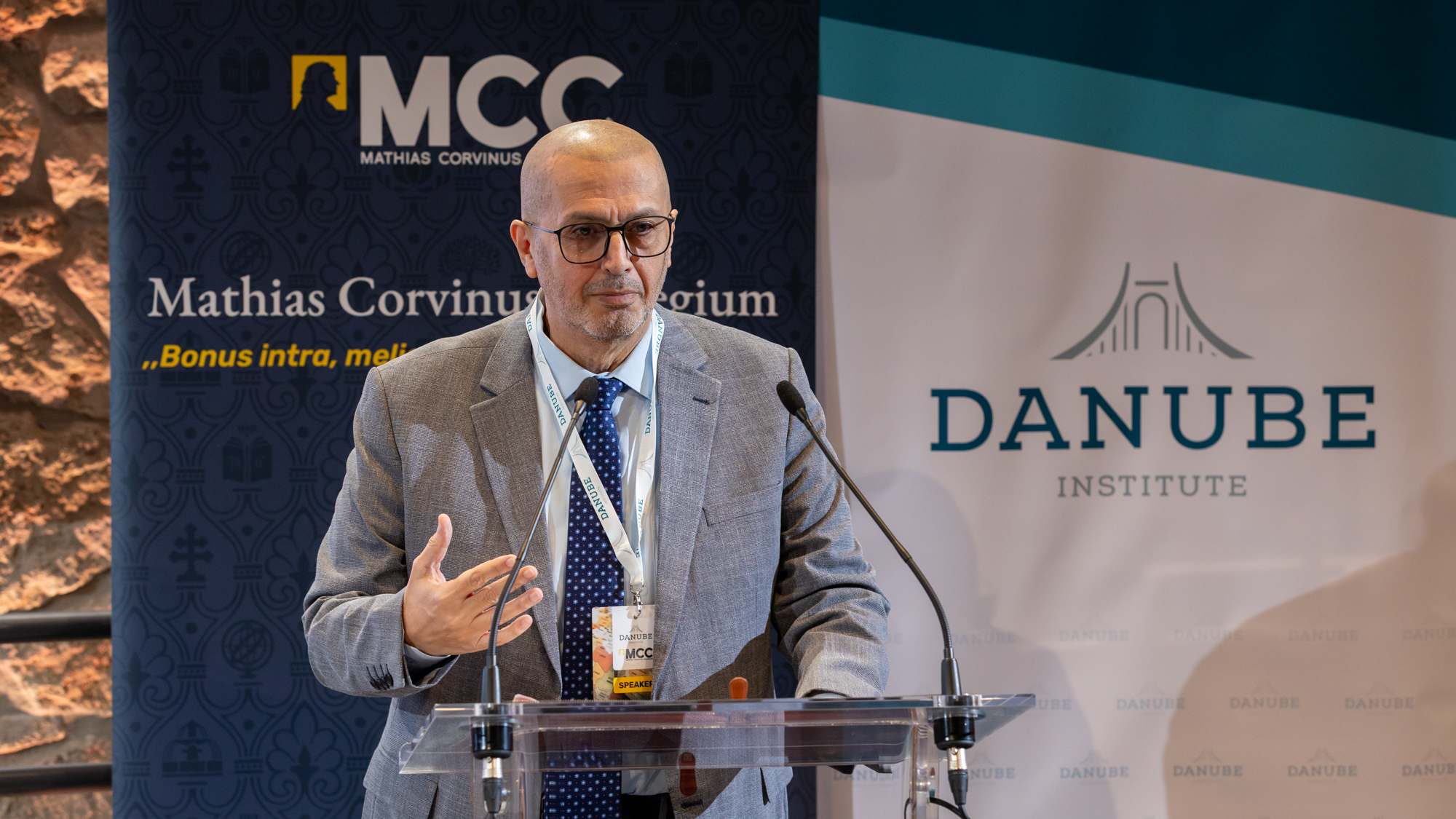
The Middle East is often discussed through the lens of majorities and dominant powers, yet for many living in the region, minority status is the norm rather than the exception. This was the central premise of A Majority of Minorities? A New Look at the Middle East, a joint event organized by the Mathias Corvinus Collegium (MCC) and the Danube Institute on 11 February 2026, which brought together policymakers, researchers and regional experts to examine the fate of minorities, models of coexistence and the limits of Western approaches to state-building.
Opening the conference, Director of the Danube Institute István Kiss highlighted the relevance of hosting such a discussion in Hungary. He pointed to the country’s own historical experience after Trianon, when shifting borders left large Hungarian communities as minorities beyond the state’s frontiers. According to Kiss, this legacy creates a natural point of reference with the Middle East, where borders drawn by great powers continue to shape political instability and minority vulnerability. He also emphasized Hungary’s commitment to free speech and its pragmatic relations with the region, thanking partners including MCC and Hungary Helps for making the event possible.
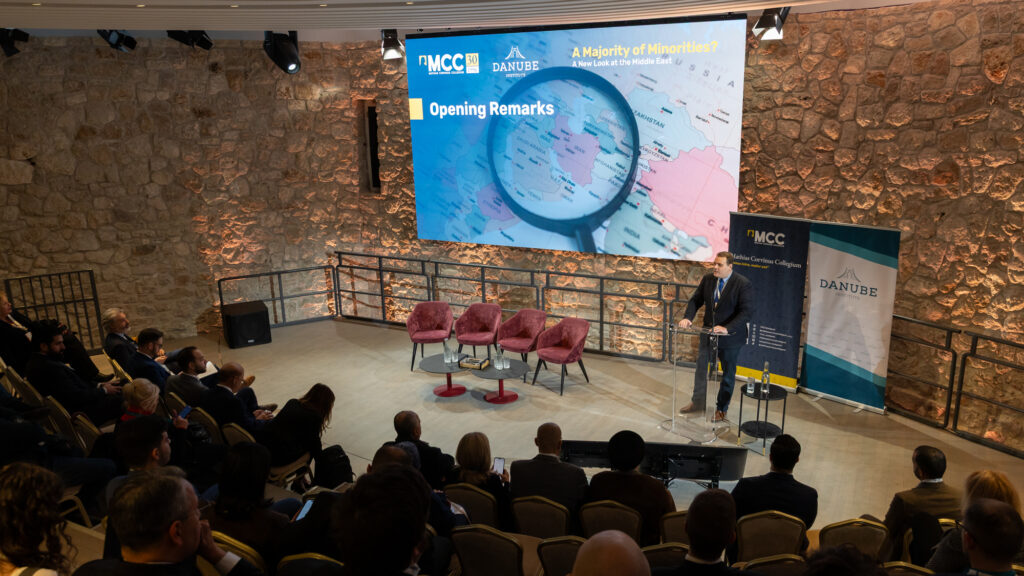
International Relations Coordinator at MCC Krisztián László followed by framing the conference around the long-term consequences of minority marginalization. Drawing a direct parallel to Hungary’s past, he noted that after Trianon roughly one third of Hungarians became minorities in neighbouring countries, often facing discrimination and cultural pressure. The Middle East, he argued, now stands at a similar crossroads, where unresolved minority issues threaten long-term stability.
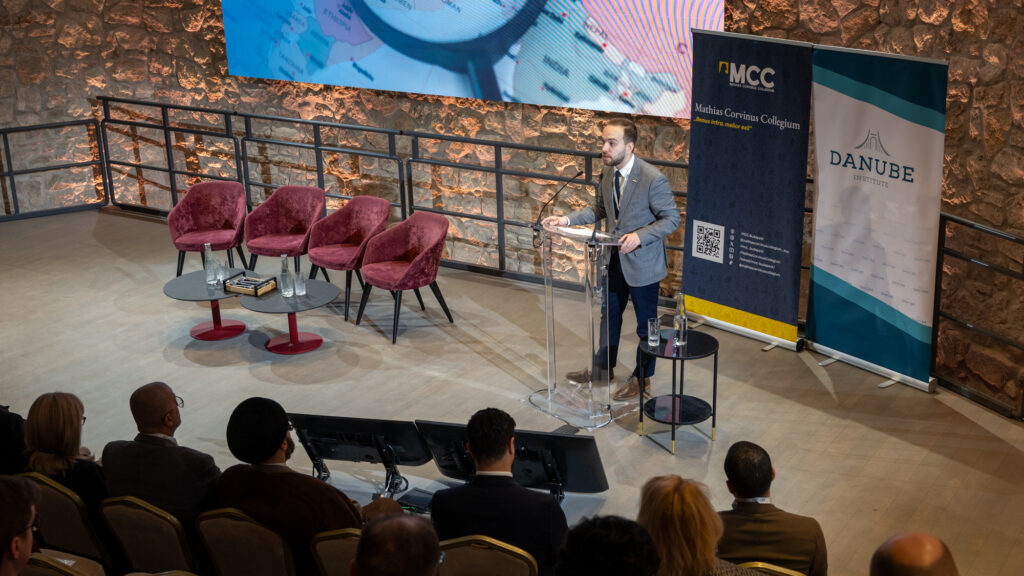
The first panel revolved around a simple but provocative idea: everyone is a minority somewhere. Vice-President of the Herzl Institute of Jerusalem Ofir Haivry opened the discussion by challenging conventional majority–minority thinking, noting that while many groups may be a majority in one place and a minority in another, some minorities have no state or majority position anywhere at all. He argued that the dominant state models in much of the Arab world have failed, particularly in protecting minorities, leaving most Arab countries either collapsed or barely holding together.
Against this backdrop, the panel sought alternatives that could empower minorities without fuelling further conflict. Haivry pointed to Hungary as an example of how a state can support minority communities beyond its borders without destabilizing neighbouring countries, stressing that the conference itself was meant to begin a difficult but necessary conversation.
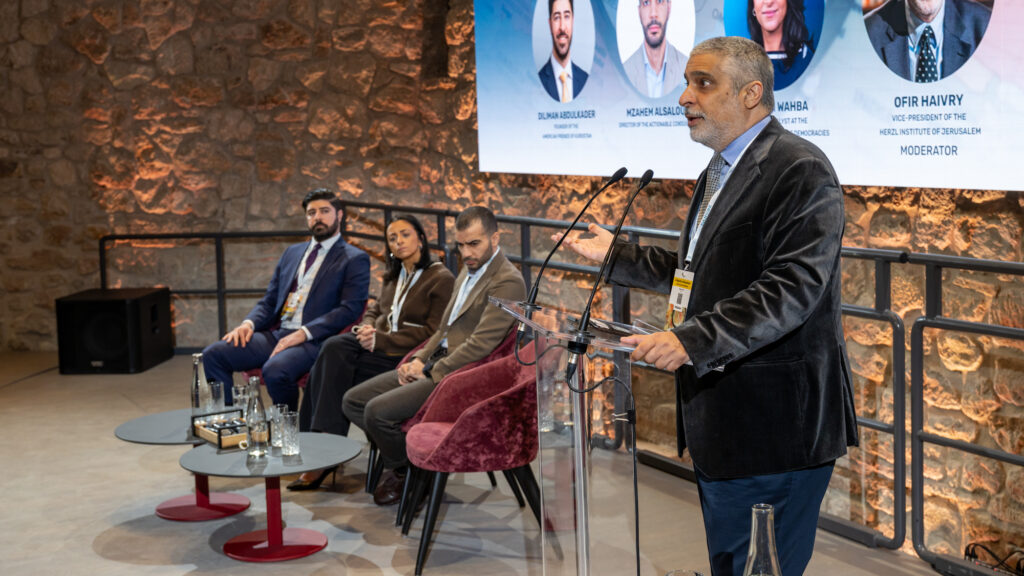
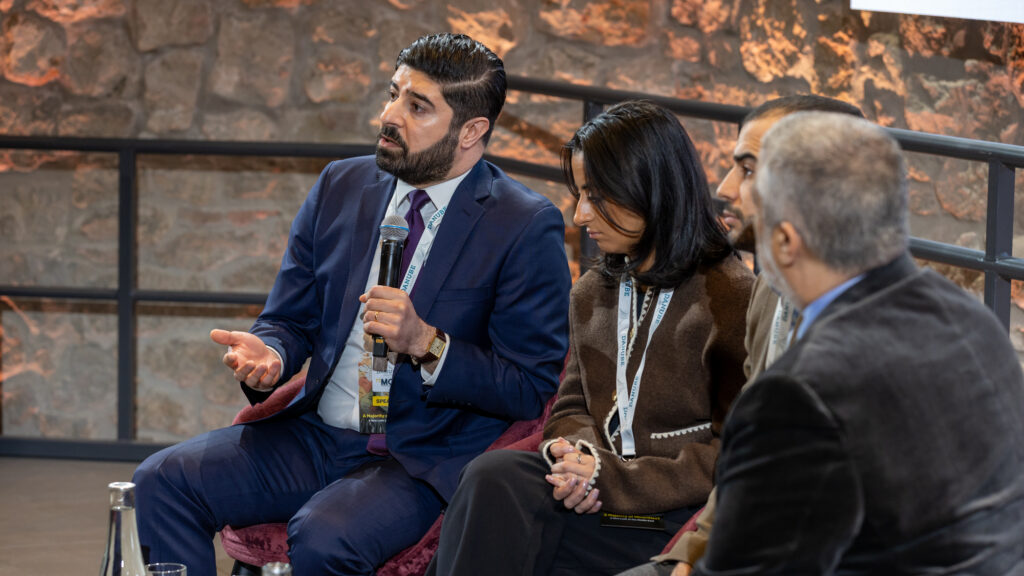
Founder of the American Friends of Kurdistan Dilman Abdulkader described the discussion as especially timely in light of the ongoing Kurdish issue. He characterized the Kurds as a uniquely vulnerable group: minorities in every country they inhabit, yet the fourth largest ethnic group in the Middle East after Arabs, Turks and Iranians.
Drawing another historical parallel with Hungary, he recalled that Kurdish aspirations were also derailed by externally imposed borders. From this perspective, he argued that some form of self-governance should not be viewed as a threat, but rather as a potential stabilizing factor.
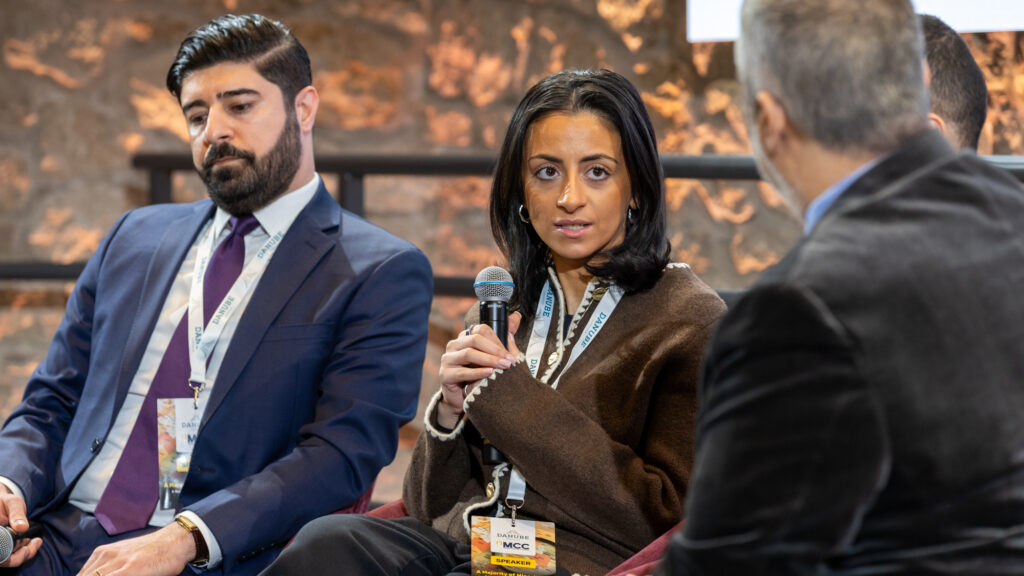
Research Analyst at the Foundation for Defense of Democracies Mariam Wahba pushed back against the very idea of a single, universal ‘solution’ to minority questions. In her view, the search for one model is itself a mistake, as each minority faces distinct historical, political and security challenges. She stressed the need for multiple, context-specific approaches, while also praising the Trump administration for its stance on defending Christianity in the region.
Director of the Actionable Consultancy Mzahem Alsaloum offered a more hardline perspective, arguing that stability ultimately requires a strong, unified state. He rejected the notion of an ‘alliance of minorities’, describing it as a liberal construct that failed in practice, particularly after what he saw as Western betrayal of forces fighting jihadist groups during the Obama era.
According to him, the absence of decisive leadership and the West’s tendency to work with warlords and extremist-minded leaders have perpetuated violence. For countries such as Syria and Iraq, he maintained that law and order enforced by a moderate but firm central army remains the only viable path.
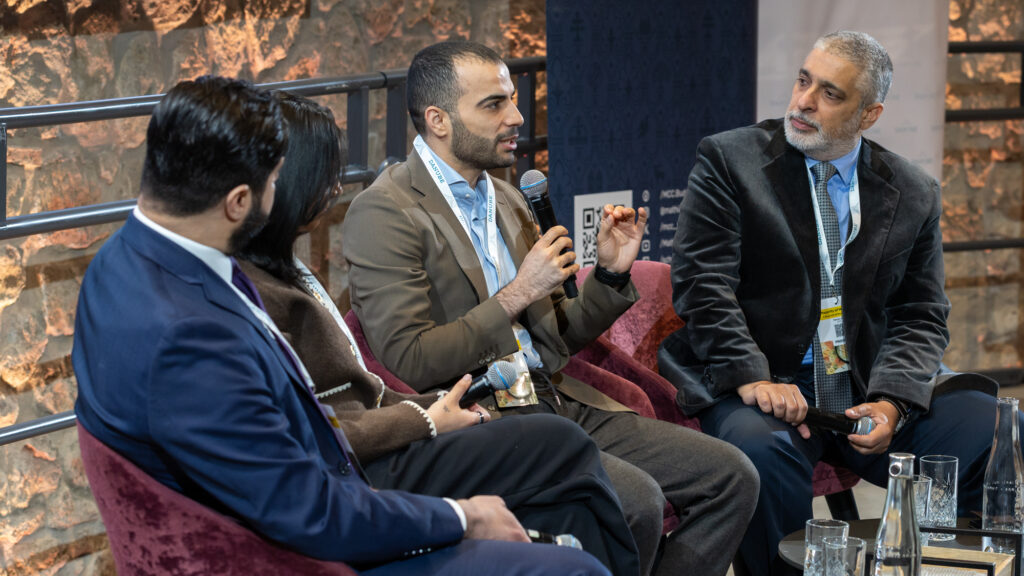
Foreign influence quickly emerged as a fault line in the debate. Abdulkader argued that Western powers, particularly the United States, have little interest in genuine state-building. He described a situation in Syria where mistrust of the central government is so deep that armed civilians seek safety within their own communities rather than turning to Damascus.
Mariam echoed this critique, suggesting that Western actors often project their own simplified understandings of minority relations onto the Middle East. While the stated goal is usually stability, she said, this often results in allowing tensions to fester rather than risking diplomatic friction. Alsaloum added that modern conflicts are sustained by leaders who profit from instability and therefore reject any peace initiative that might weaken their grip on power.
When the discussion turned to practical paths forward, divisions remained clear. Abdulkader argued that minorities are often forced into painful compromises with dominant powers, sometimes requiring acceptance of authoritarian rule, as history shows that disarmed minorities are frequently targeted by central governments. Mariam highlighted the distinct case of the Copts in Egypt, who lack armed protection and therefore cannot be analysed in isolation. She described them as a litmus test for Egyptian stability, particularly in a society where a significant portion of the population is too young to remember earlier political turning points. Alsaloum concluded the panel by advocating for a civil state model in Syria, combining one army and one diplomacy with a degree of self-autonomy.
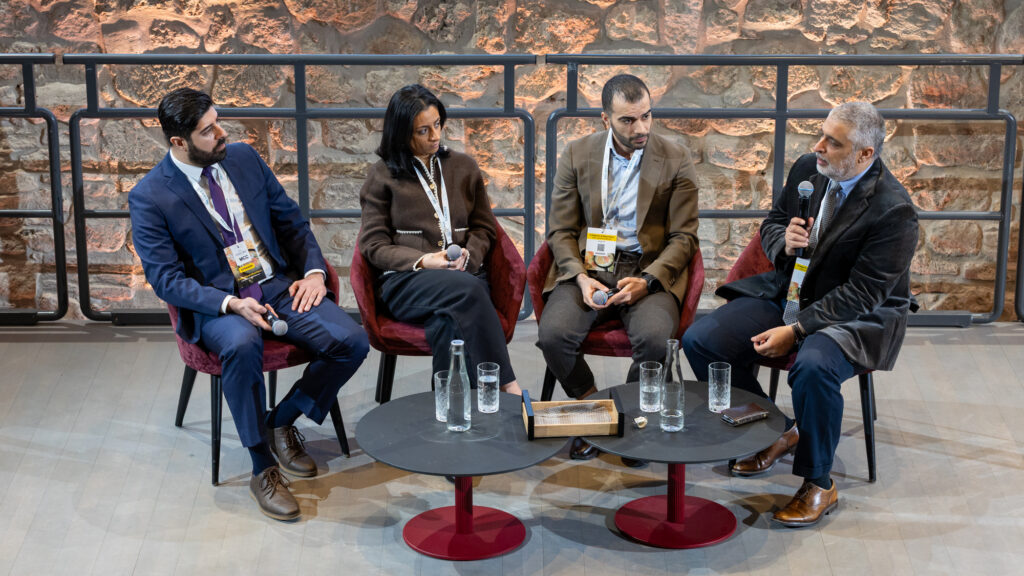
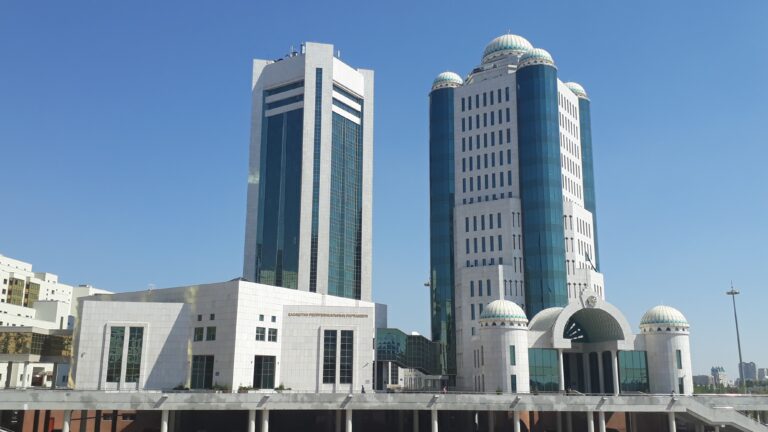
The keynote address shifted the focus from conflict to a functioning alternative, presenting the United Arab Emirates as a rare success story. Dherar Belhoul Al Falasi, Former Speaker of the Federal National Council of the United Arab Emirates argued that the UAE’s federal system defied widespread predictions of failure and has instead produced the Middle East’s only stable federation.
Central to this success, he said, was the rejection of Western democratic templates in favour of local realities, where tribes function in ways comparable to political parties. Equal citizenship, non-segregation of minorities, inclusive land distribution and early investment in education were identified as key factors. With more than 200 nationalities living in the UAE and a parliament evenly divided between women and men, the country was described as a ‘modern monarchy’ built on national dialogue and symbolic unity. The message was clear: coexistence is possible when citizenship is treated as a shared family bond and when societies are willing to turn the page on past conflicts.
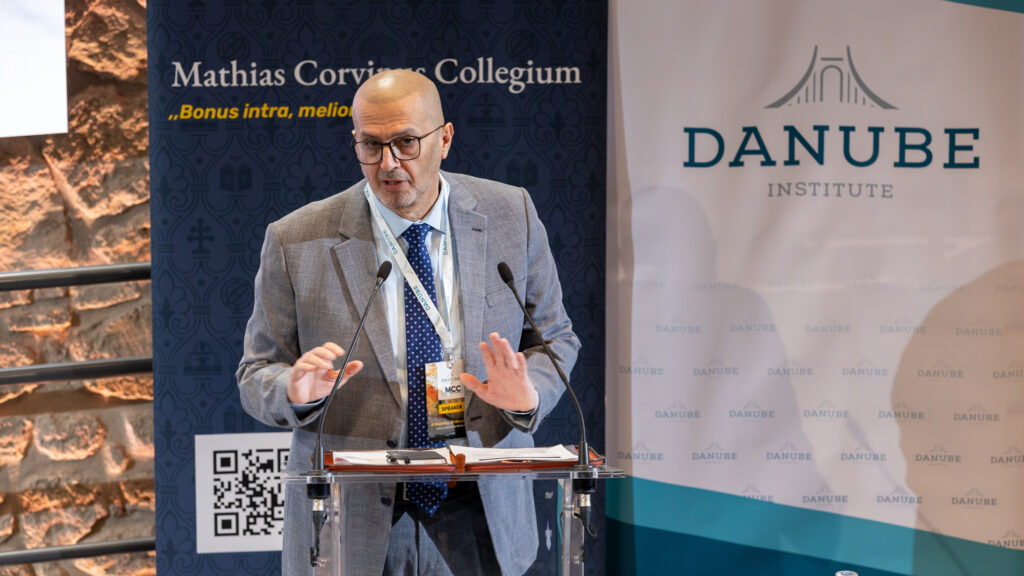
The second panel broadened the discussion to migration and displacement. Executive Director of the Migration Research Institute Viktor Marsai described the Middle East as a historical crossroads, shaped by constant movement of peoples, while Head of Research of the Migration Research Institute Omar Sayfo warned that minorities, particularly Christian communities, are often the first to leave when tensions rise.
Tsega Gebrekristos Mezgebo, Associate Professor at the Ethiopian Public Service University, Visiting Fellow at MCC highlighted irregular migration routes from Africa through Yemen towards the Gulf, stressing the dangers posed by smugglers and the difficulty of integration for those who survive the journey.
Looking ahead, panellists identified Syria, Yemen and Lebanon as key pressure points that could reshape migration patterns. While Sayfo argued that a repeat of the 2015 migrant crisis is unlikely due to tighter borders and shifting regional dynamics, economic fragility remains a serious concern. Marsai added that the Middle East is also emerging as a talent hub, with high-skilled migration increasingly facilitated by diaspora networks in Europe.
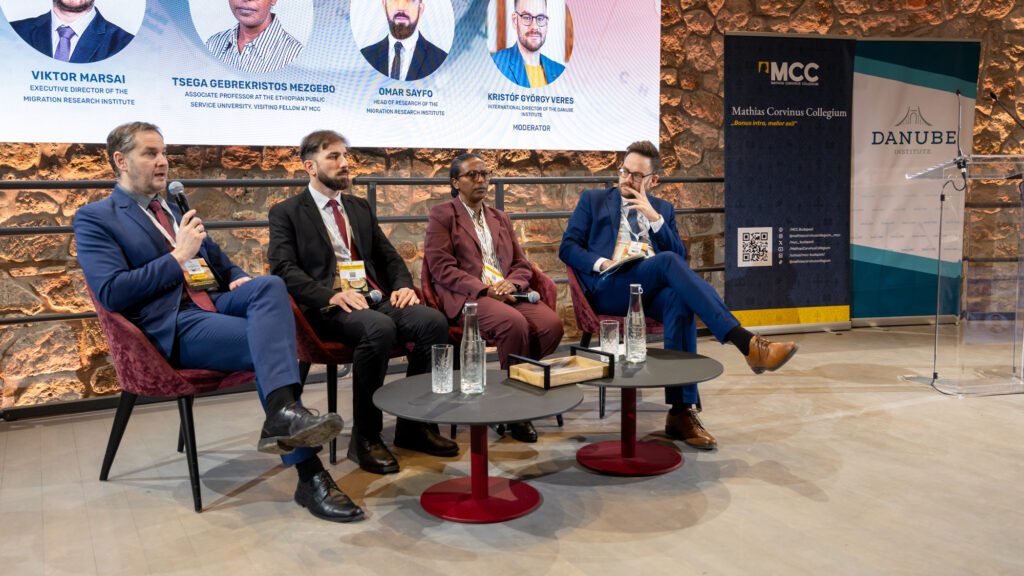
On refugee return, the discussion underscored the gap between political intent and practical reality. While some Syrians have returned from neighbouring countries due to economic pressure and declining hospitality, returns from Europe remain minimal. Marsai noted Europe’s growing efforts to distinguish between refugees and illegal migrants, while Sayfo pointed out that destroyed infrastructure and the integration of many Syrians into European labour markets make large-scale return unlikely in the near future. Mezgebo concluded by stressing shared responsibility, arguing that both origin countries and host states contribute to cycles of irregular migration and difficult deportation processes.
Related articles: