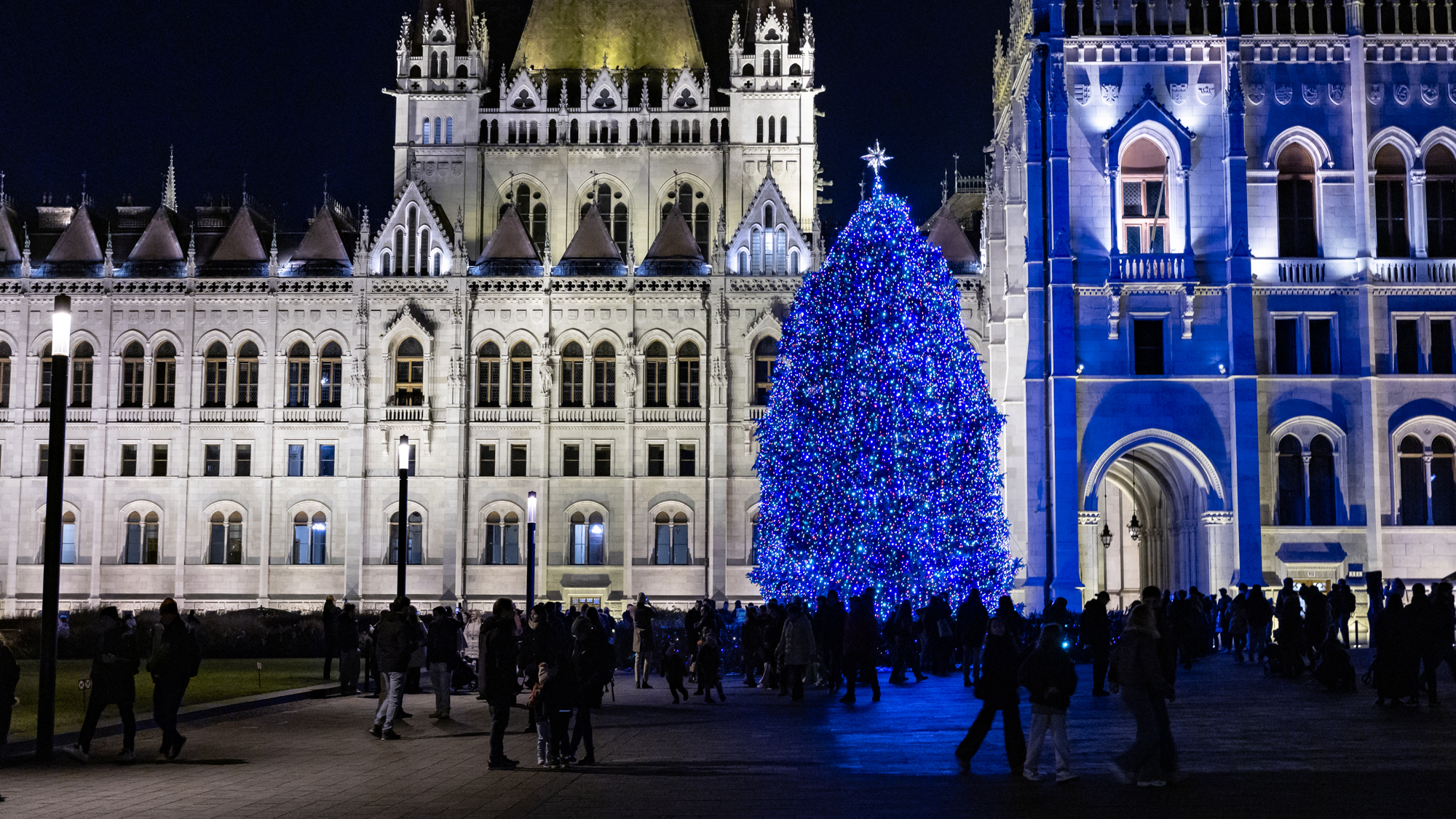
From an ecological perspective, purchasing a real pine tree for Christmas is a better choice than opting for an artificial one, Réka Aszalós, researcher at the Ecological Research Centre of the Hungarian Research Network (HUN-REN), says.
While alternative Christmas tree solutions are also worth considering, Aszalós advises that those who choose a live tree should, if possible, buy one grown in Hungary, avoid oversized specimens and compost the tree after the holidays.
She stressed that Christmas trees are cultivated on dedicated plantations and do not come at the expense of native forests, countering a common misconception. In this respect, Christmas tree farming is no different from other forms of intensive agricultural or plantation-based forestry: the trees are grown specifically for human use.
By contrast, artificial Christmas trees are the least recommended option, the researcher said. Most artificial trees are made from polyvinyl chloride (PVC), a non-biodegradable plastic that eventually becomes long-lasting waste, contributing to environmental pollution. Their production and transport also carry a significant environmental footprint, as many artificial trees are shipped thousands of kilometres before reaching shops and online retailers in Hungary.
Research has also shown that artificial trees can release microplastics, which contaminate both the environment and the human body, Aszalós added.
Producer-side considerations also support choosing real trees. Christmas tree plantations are tended for years, and income from tree sales provides livelihoods for farming families. This creates a clear economic incentive to replant harvested trees. During their growth, the trees provide valuable ecosystem services: they absorb carbon dioxide, trap airborne dust, improve air quality, help regulate the local climate, enhance soil water retention and offer habitats for a wide range of species.
Related articles: