A wide range of influential works, from Albert Einstein’s scientific writings to novels by Thomas Mann and designs by Hungarian architect Alfréd Hajós, entered the public domain on 1 January, 2026, Hungary’s Intellectual Property Office (HIPO) announced.
Under European and Hungarian copyright law, protection lasts until the end of the 70th year after an author’s death. As a result, works whose last surviving creator died in 1955 lost copyright protection on 31 December 2025, and may now be used freely without permission or royalties.
Among the most prominent figures is Albert Einstein, one of the most influential theoretical physicists in history. From 2026, his writings and publications are considered public domain. While mathematical formulas and natural laws were never protected, the explanatory texts accompanying them were, making this change particularly significant for education, publishing and the history of science.
The same applies to the works of German writer Thomas Mann, including novels and short stories widely taught in Hungary such as The Magic Mountain, Mario and the Magician and Tonio Kröger. The original English text of Dale Carnegie’s How to Win Friends and Influence People has also become freely usable, although copyright on translations may still apply depending on the translator’s date of death.
In the visual arts, the legacies of key figures of French avant-garde painting have entered the public domain, including surrealist Yves Tanguy and cubist master Fernand Léger. In music, the works of American composer James P Johnson, a pioneer of early jazz and the Charleston style, are now also free to use.
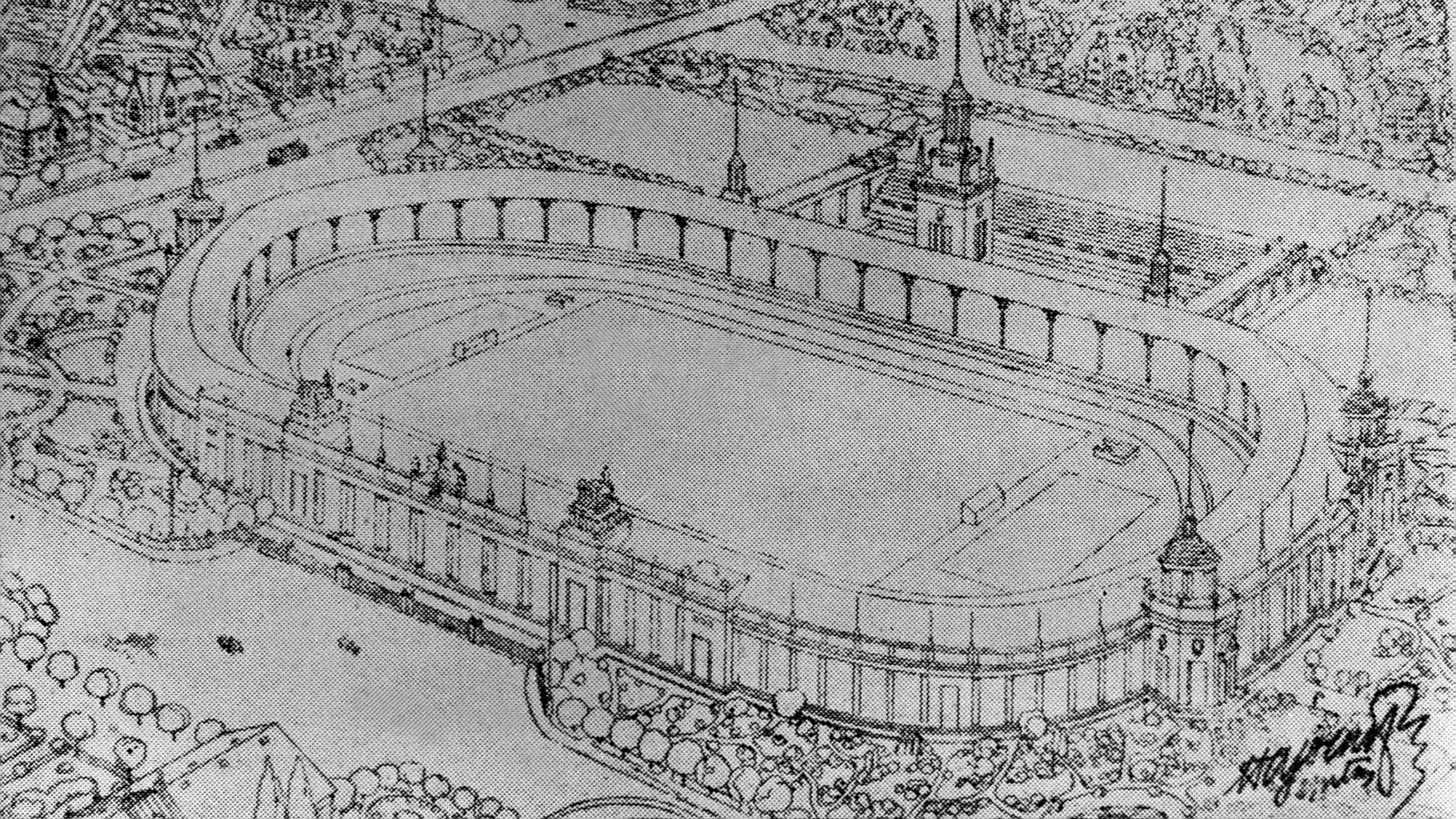
From a Hungarian perspective, the inclusion of Alfréd Hajós is especially notable. Hungary’s first Olympic champion was also a renowned architect, responsible for projects such as the Aranybika Hotel in Debrecen. The oeuvre of architect Albert Kálmán Kőrössy, a leading figure of Hungarian Art Nouveau, has likewise entered the public domain, along with works by writer Sophie Török, ceramic artist Frigyes Borszéky and several other Hungarian authors and artists who died in 1955.
The HIPO noted that international differences remain. In the United States, some works become public domain based on publication date rather than the author’s death, typically after 95 years. As a result, certain works are now free to use in the US but remain protected in Hungary.
According to the National Széchényi Library, more than 1,000 works will become publicly accessible in 2026 through its Hungarian Electronic Library, where hundreds of newly released titles have already been made available for free download.
Related articles: