

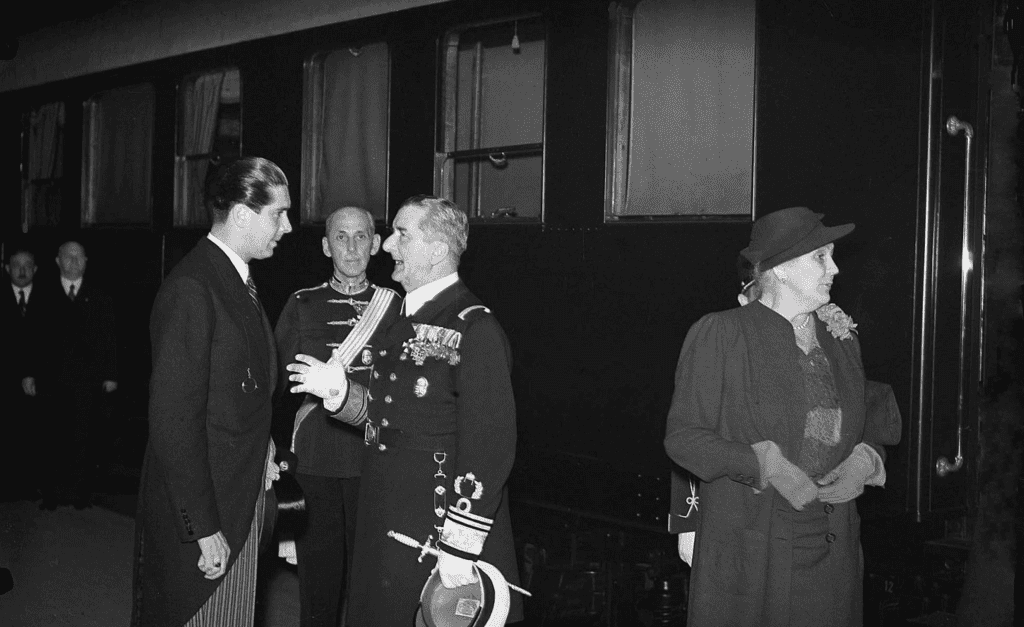
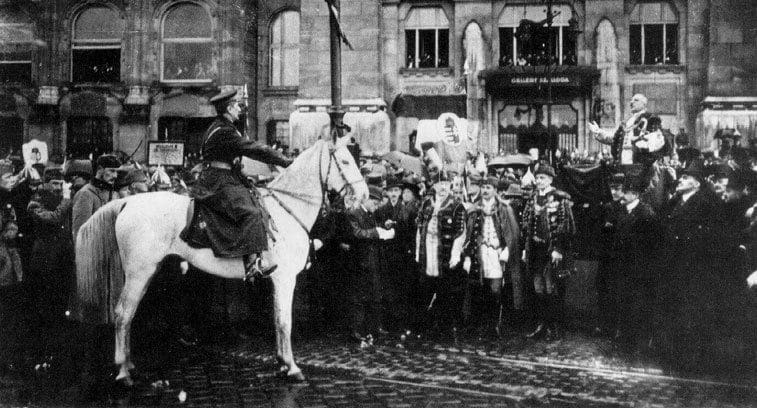
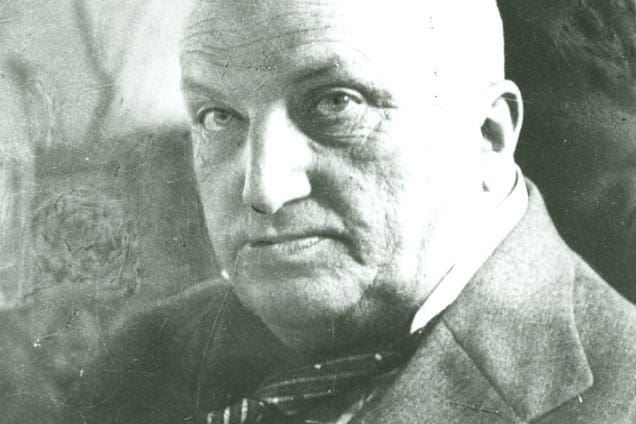
From the spring of 1920, the regent travelled around the country in his private train to observe the results of his national leadership in all the important settlements.
It is important to point out that the anti-Semitic authorities were just as cruel to Jewish policemen as they were to any other Jew.
It must have been clear to everyone that a decision had to be made about whether they wanted to be on the side of the government, collaborating with the German invaders, or whether they would resign or perhaps join the resistance.
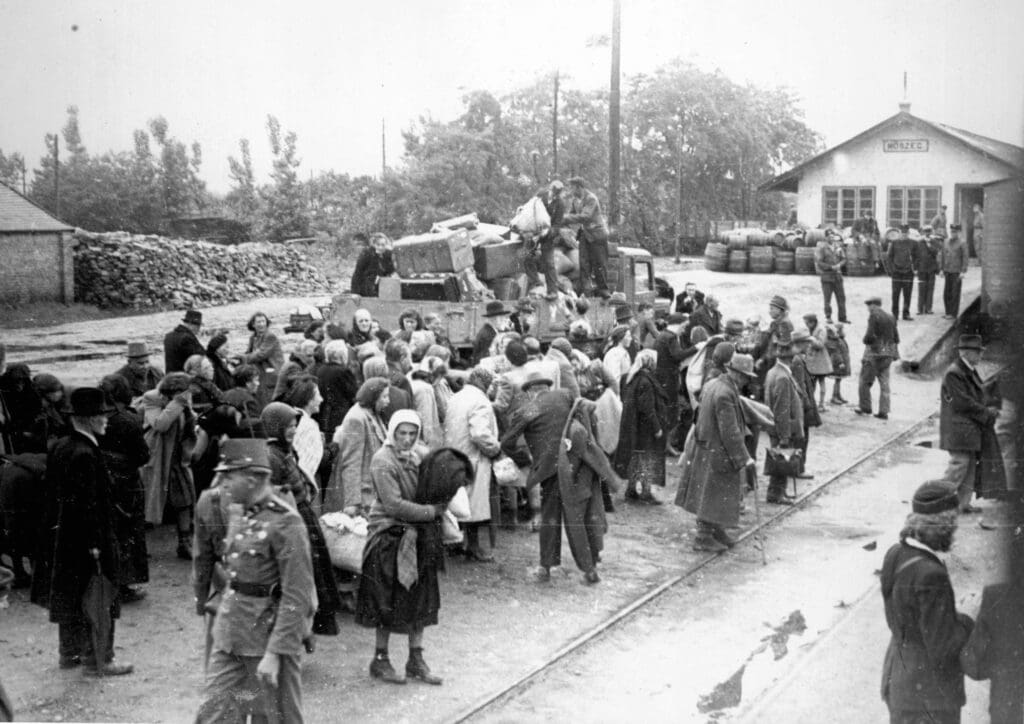
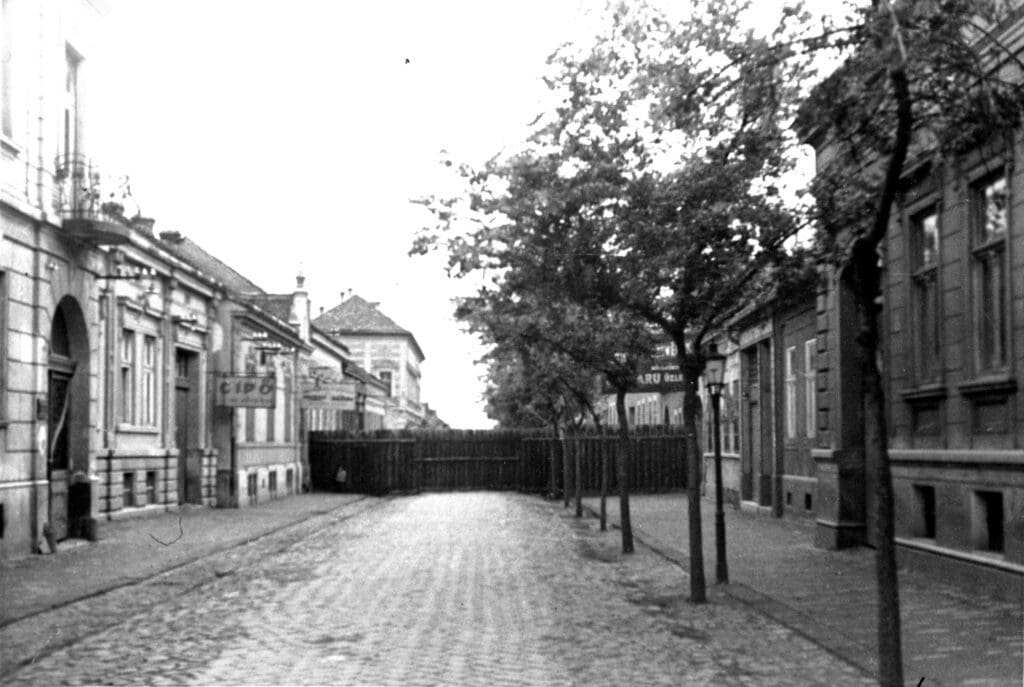
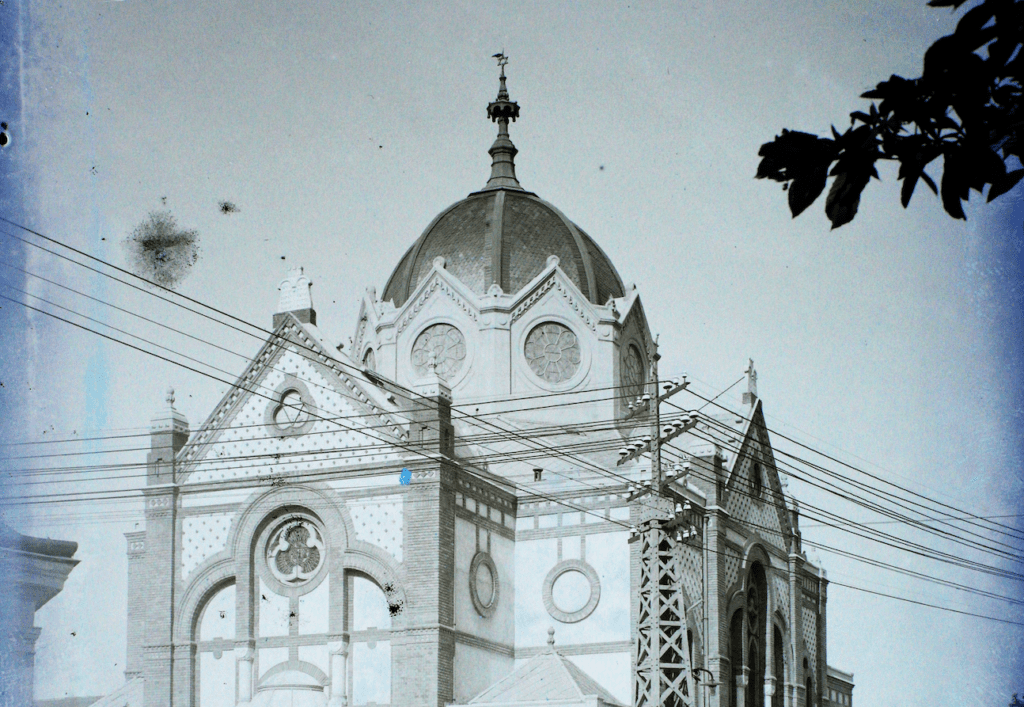
The ghettoisation of Jews and the establishment of Jewish police units took place in rural Hungary after the German occupation of 19 March 1944. The police was set up with the aim of maintaining the internal order of the ghettos and internment camps, as well as controlling entry and exit. In contemporary records, the police was variably referred to as ghetto police, auxiliary police, house police, internal police, but the most common name was Jewish police.
The picture of Horthy that emerges from the contemporary reports of Western ambassadors is hardly that of a gullible politician, but rather of a shrewd, albeit immoral manipulator.
Objectively speaking, hundreds of unauthorized executions took place in the country, the victims of which were either ex-functionaries of the communist system or innocent Jewish traders and citizens.
This final piece deals with his even more chaotic relationship to the contemporary governing right, and his rocky road from Liebling-author to opposition prophet during the twenties and the rest of the Horthy-era.
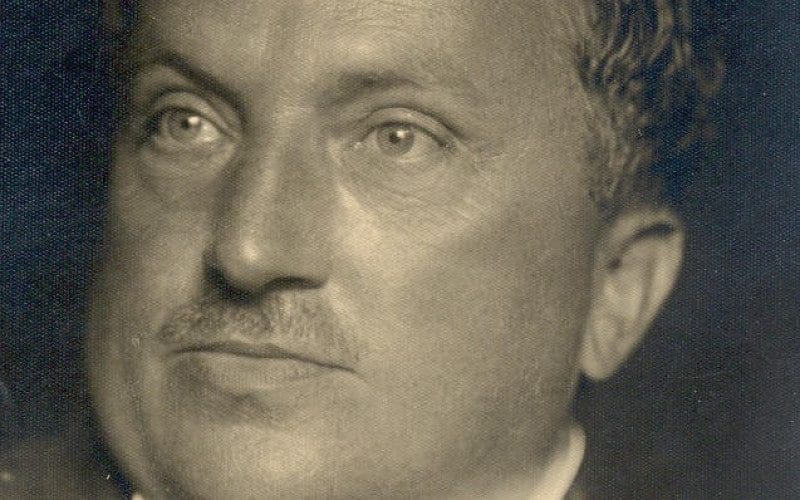
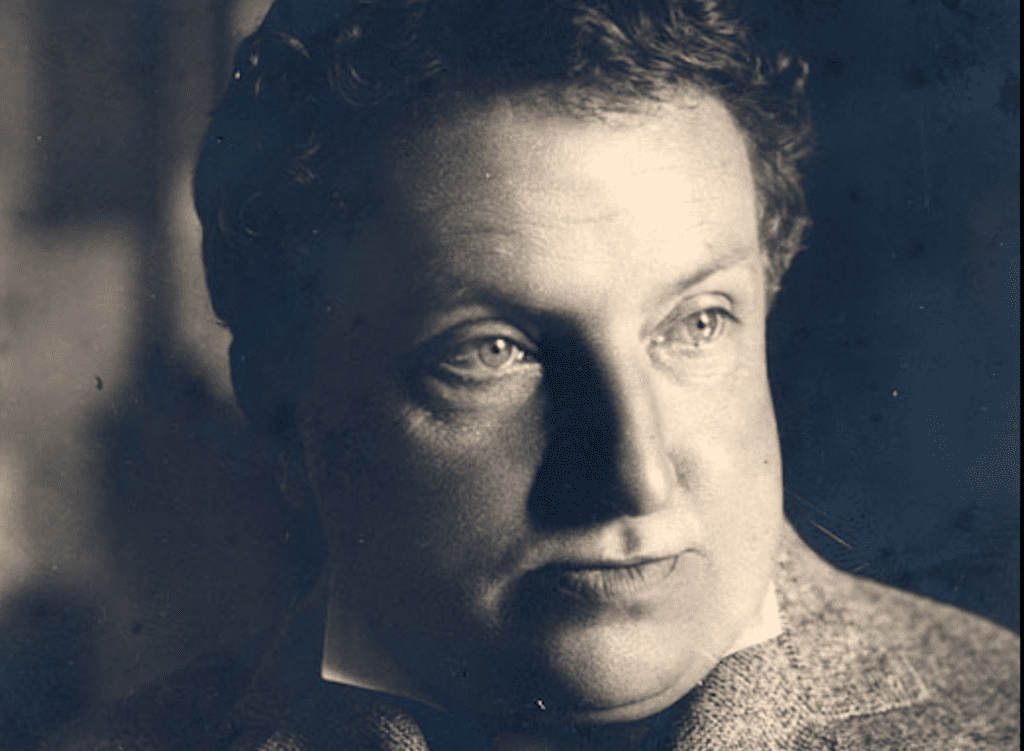
The writer Dezső Szabó had many periods in his career—pro-Catholic, strongly protestant, bourgeoise radical, communist, anti-semitic and finally, anti-Nazi—, but in the early twenties, he was definitely going through a nationalist and anti-semitic phase. His contemporary speeches and articles provide much of the reason why contemporary historians label him an extremist.
Dezső Szabó was not only a nationalist, but also a strong opponent of capitalism during his entire life. The fact that this was hidden by socialist historiography only shows that many more myths have to be debunked by the Hungarian historians of today.
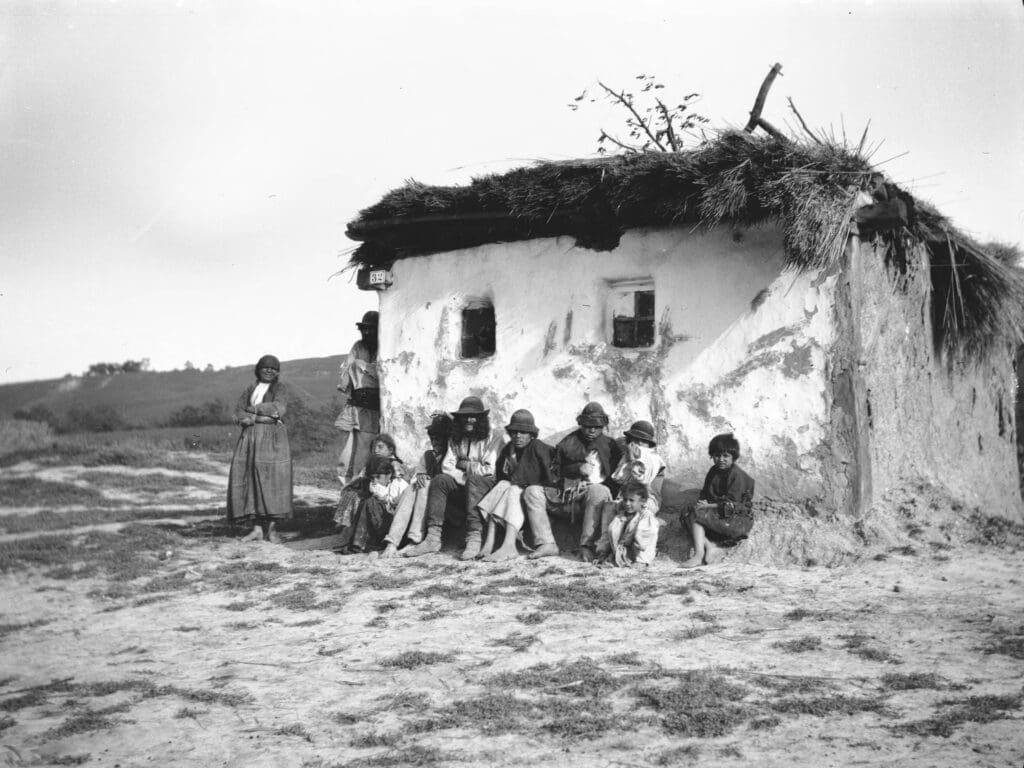
In the articles of the years of transition, it was a basic guideline that the Roma are the people who avoid work and have a criminal tendency; who must be forcefully integrated into the system of the new, “democratic”, socialist Hungary.

At a time when public debate is increasingly polarized and superficial, Hungarian Conservative remains committed to depth and independent thought.
Donate Now
Please consider supporting our mission.