



Turkey’s relations with NATO have been contentious over the years, but this is not unique among the member states and the parties have always managed to resolve their differences.
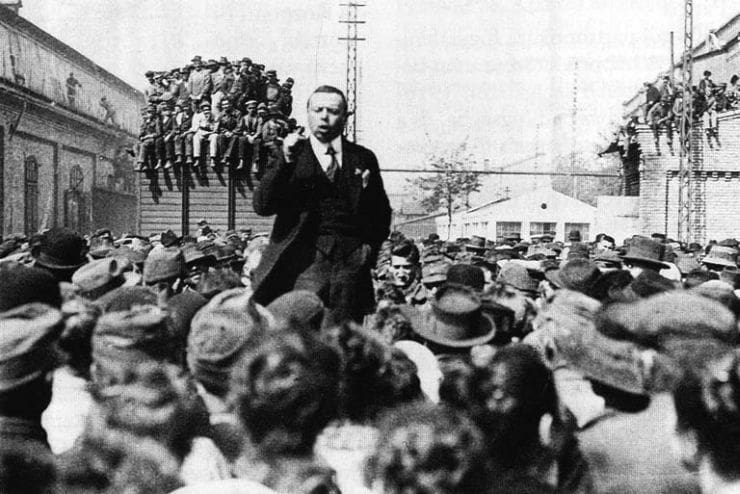
Paradoxically, Communist Béla Kun and the contemporary nationalist racists had more in common in terms of their views than the Communist leader had with the social-democratic and the left-leaning bourgeois émigrés.
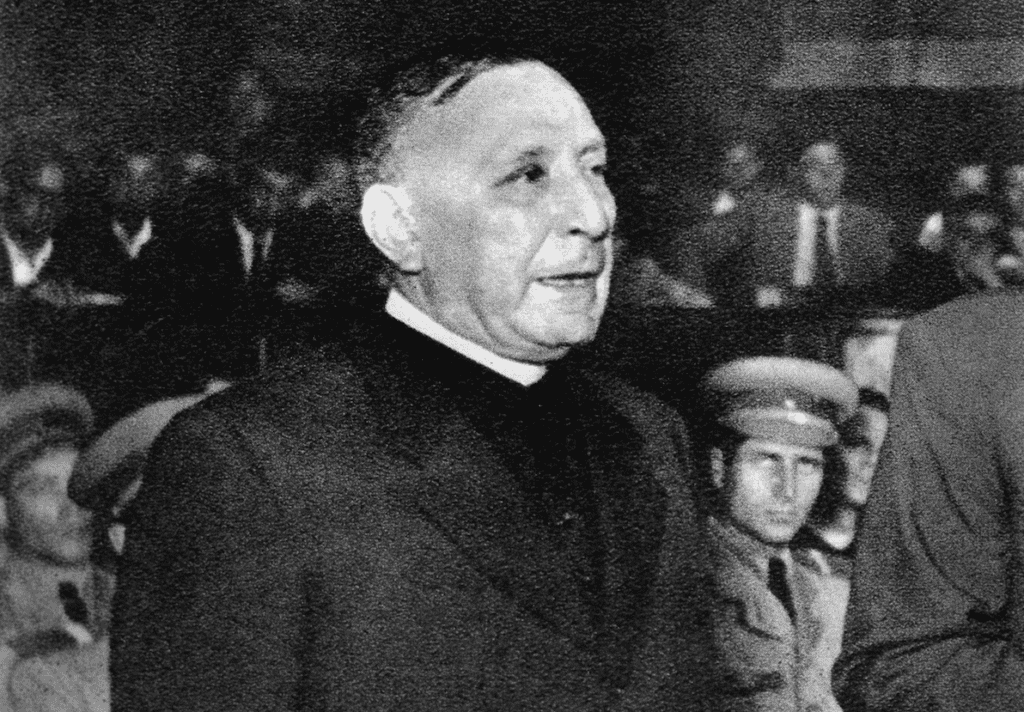
During the great show trials of the late 1940s and 1950s, the Communists often held small ‘side trials’, which provided ample opportunity to extract and collect further compromising data and testimonies against the primary targets, as well as to conduct silent showdowns and to set the course for later trials. This is how the Archbishop Grősz trial led to the arrest and imprisonment of some 50 people, including well-known Hungarian monarchists.
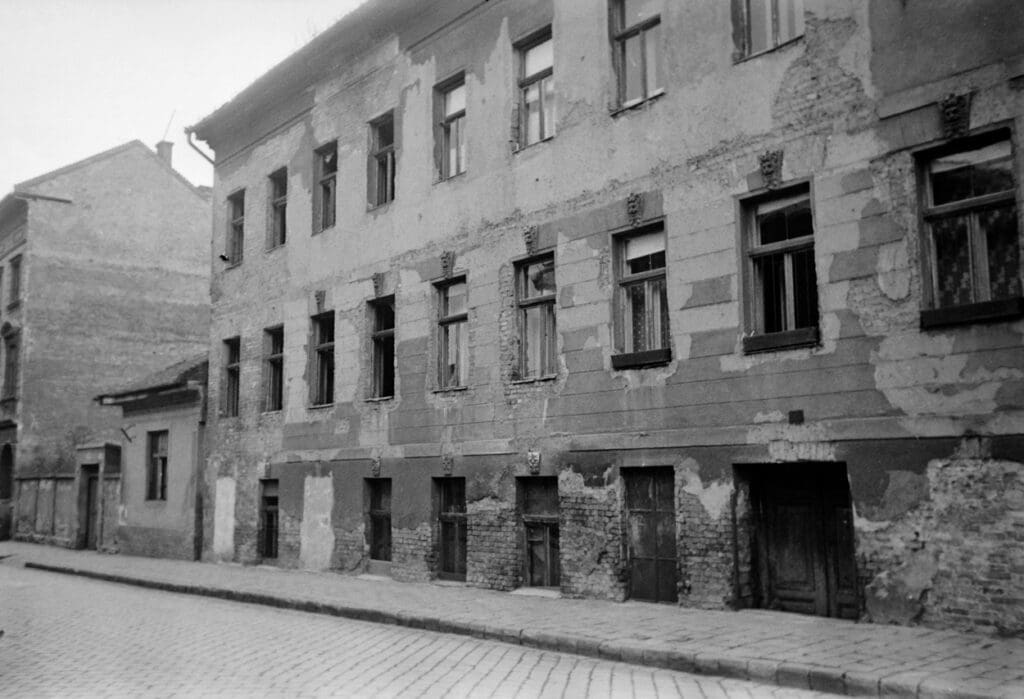
Under the housing scheme, six thousand flats were handed over to families living in wagons in Budapest alone, and nearly two hundred in country towns such as Miskolc.
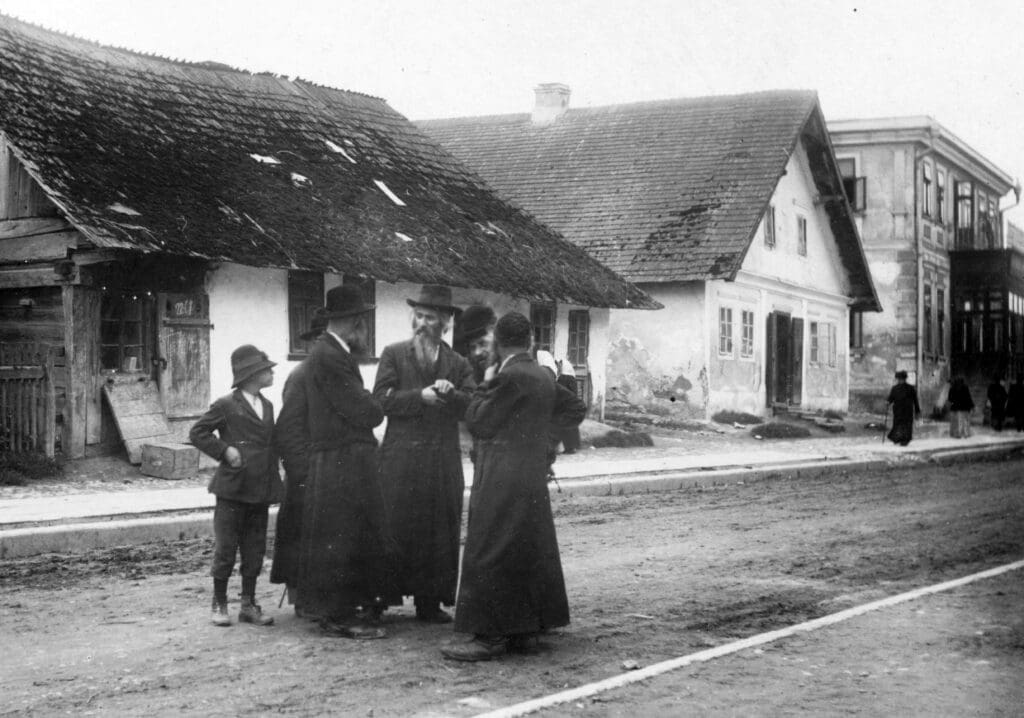
Just as some Christians had trouble accounting for their role in the 1918 Aster Revolution and the 1919 Communist coup d’état, some Jews also had difficulty facing their former position in terms of these events.
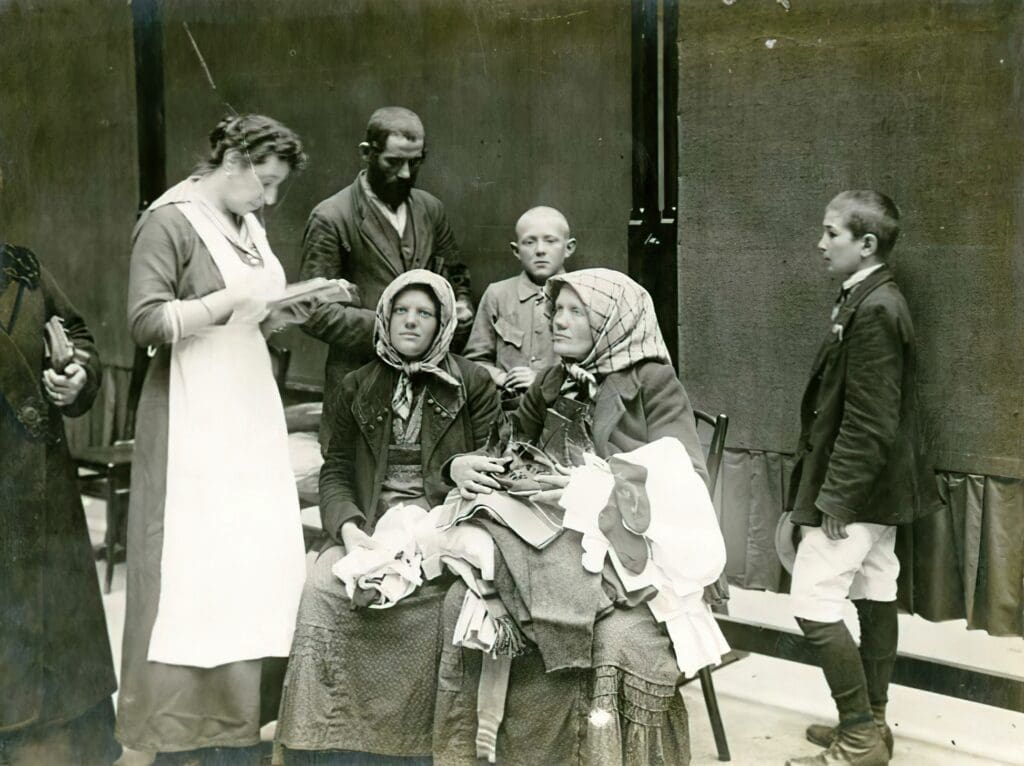
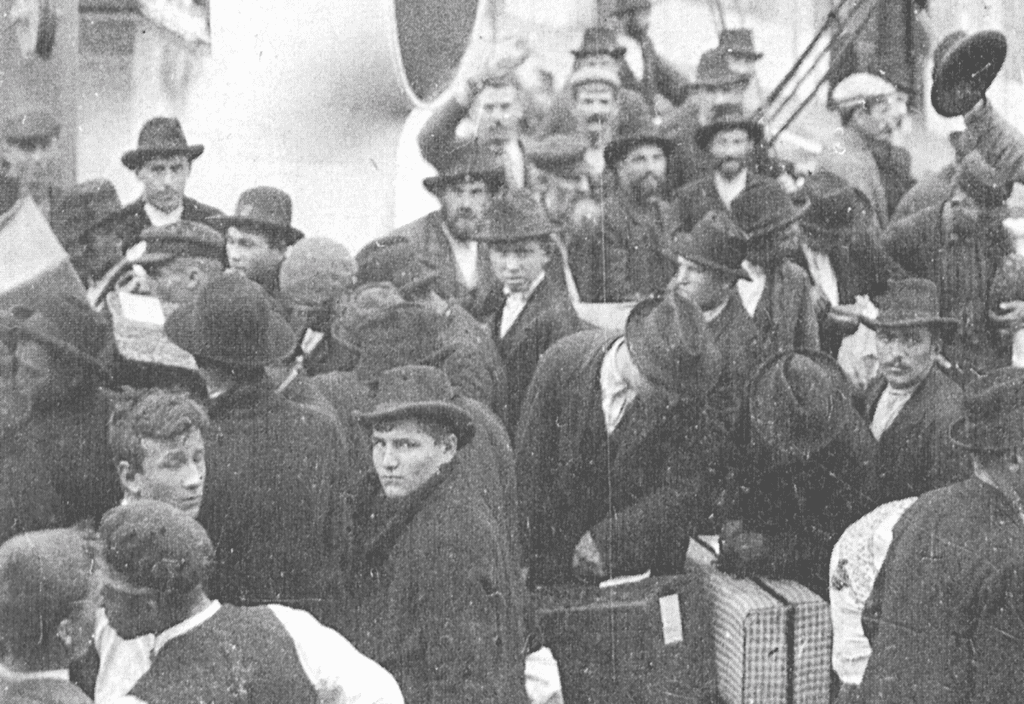
The majority of the refugees were intellectuals, mostly from Transylvania, followed by those from what is Slovakia, Serbia and Austria today, but there were also some who fled to Hungary from Bosnia-Herzegovina.
A good politician comes to power with a ‘government of his friends’ already in his mind. The book emphasizes the concept of ‘friends’, because when you want to run a government, you have to appoint people to key positions, who have to be people that you as a leader trust.
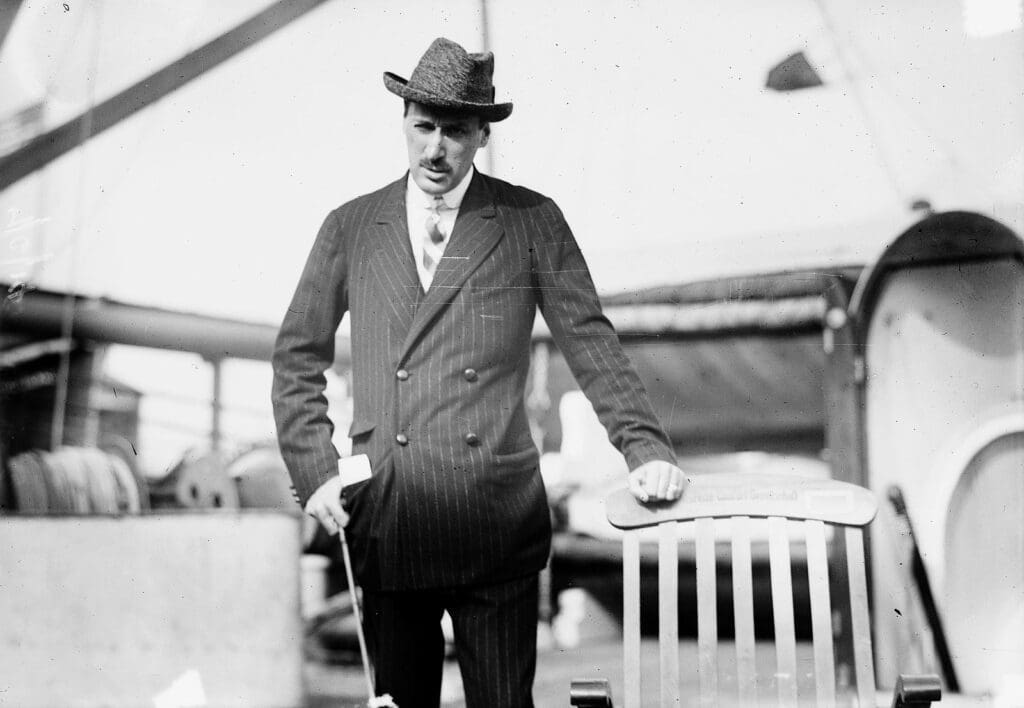
Aversion to work was not unique to the leaders of the emigration. After a while, Mihály Révész, a social-democratic journalist in exile, had enough of living abroad and tried to get a job in Budapest. But when his left-wing friends found him a job as a manual worker, he turned it down, indignantly declaring ‘I won’t be a street sweeper’.
The gap between reality and the striving for a pure Christian social life angered many conservative public figures in the Horthy era. In his diary, Prohászka wrote that for Hungarian men, ‘using a prostitute is like drinking a cup of coffee’.
Although the official Hungarian propaganda constantly portrayed the ‘dark figures’ of the leftist emigration as plotting from abroad against Hungary, the surviving primary sources show a picture of ineffectual losers fighting among themselves.

At a time when public debate is increasingly polarized and superficial, Hungarian Conservative remains committed to depth and independent thought.
Donate Now
Please consider supporting our mission.