



Uncertainty about a ‘Huxit’ scenario is not fuelled by the Hungarian Prime Minister but rather by EU bureaucrats using a one-sided interpretation of the rule of law. The Hungarian government possesses a clear mandate for EU reform, distinct from the binary narratives of full Eurofederalism or immediate exit.
Reflections on how the European Commission selectively applies the rule of law conditionality procedure and manipulates public perception in this regard.
While many had hoped for a more balanced portrayal of Hungary’s legal system and reforms, the report still appears to maintain a negative image of the country.
Hungary should assert its national sovereignty and resist the imposition of global norms on aggressive sexual progressivism through UN documents, Austin Ruse, president of the Center for Family and Human Rights (C-Fam) argues.
As concerns regarding Ukraine’s minority law continue to linger, FUEN President Loránt Vincze provides valuable insights into the Venice Commission’s recent findings and their implications for the fundamental rights of individuals belonging to ethnic minorities.
‘Although the outcome is yet unknown, I think that any kind of ascent should start with the (re)construction of the infrastructure to connect the partners. After the completion of this task, we should think about declaring, promoting and following the basic values and principles shared by the Central European countries and nations. These principles will allow us to find a common language, free from the ‘progressive’ ideologies that characterise the West now.’
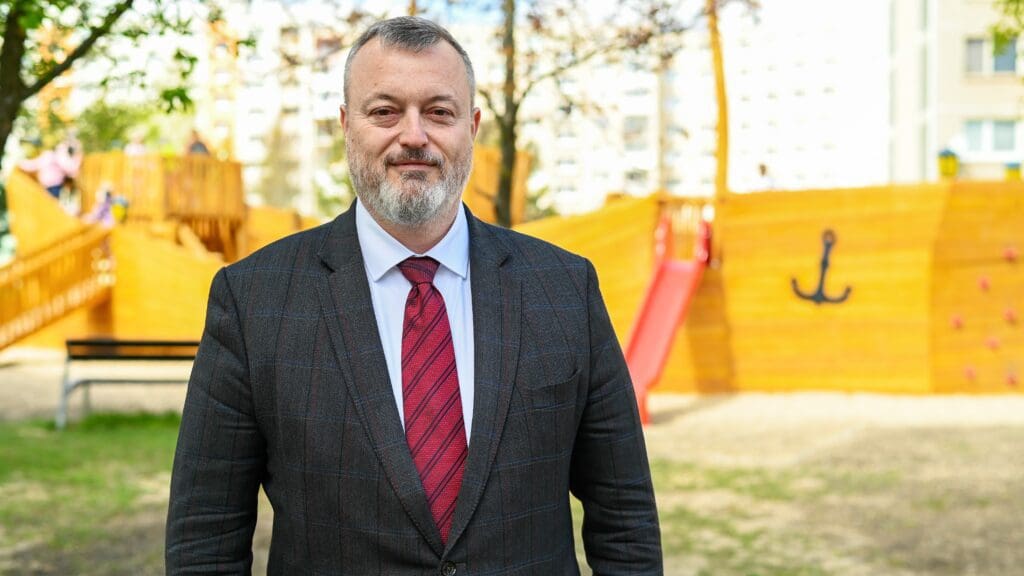
Hungary and Slovakia stand together in the EU when it comes to child protection and family policy, Slovak Minister of Labour, Social Affairs and Family Milan Krajniak states. An interview on wokeism, communism and conservative family policy.
‘It is strange to see that some people in the West think that Hungary is reactionary simply because of having a sane family policy,’ Professor Daniel J. Mahoney opines. An interview about statesmanship, human nature and the pitfalls of liberal democracy.
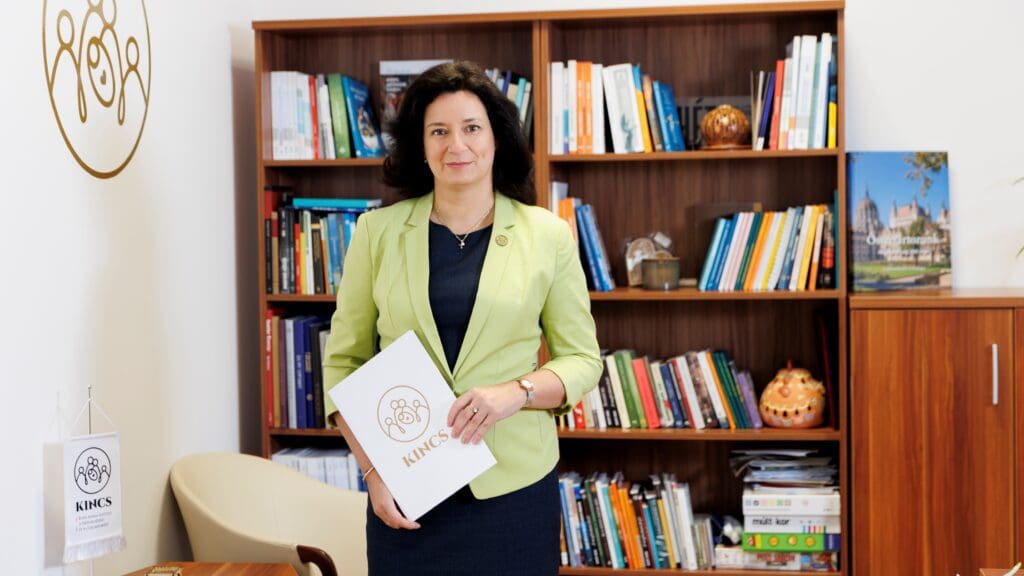
‘For us, every Hungarian child is a treasure, no matter where they are born in the world,’ Tünde Fűrész, President of The Mária Kopp Institute for Demography and Families says. An interview about a real conservative success story.
In the past decade, Hungary has been able to reach the EU average in several respects in the fields of oncology, states Prof. Csaba Polgár, Director General of the National Institute of Oncology. An interview about ‘devastating’ OECD statistics, the Hungarian cancer strategy and the suspended EU funds.

At a time when public debate is increasingly polarized and superficial, Hungarian Conservative remains committed to depth and independent thought.
Donate Now
Please consider supporting our mission.