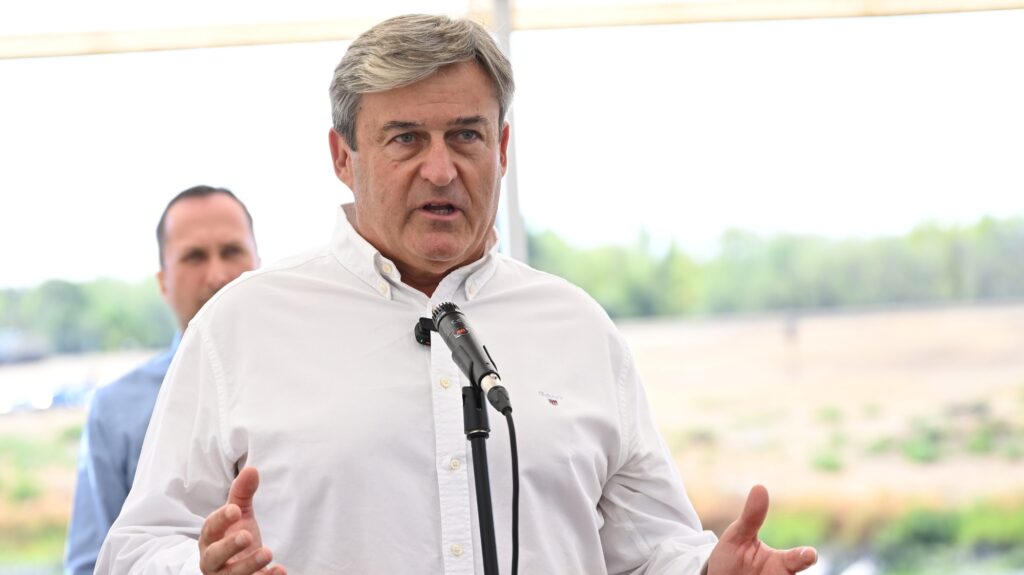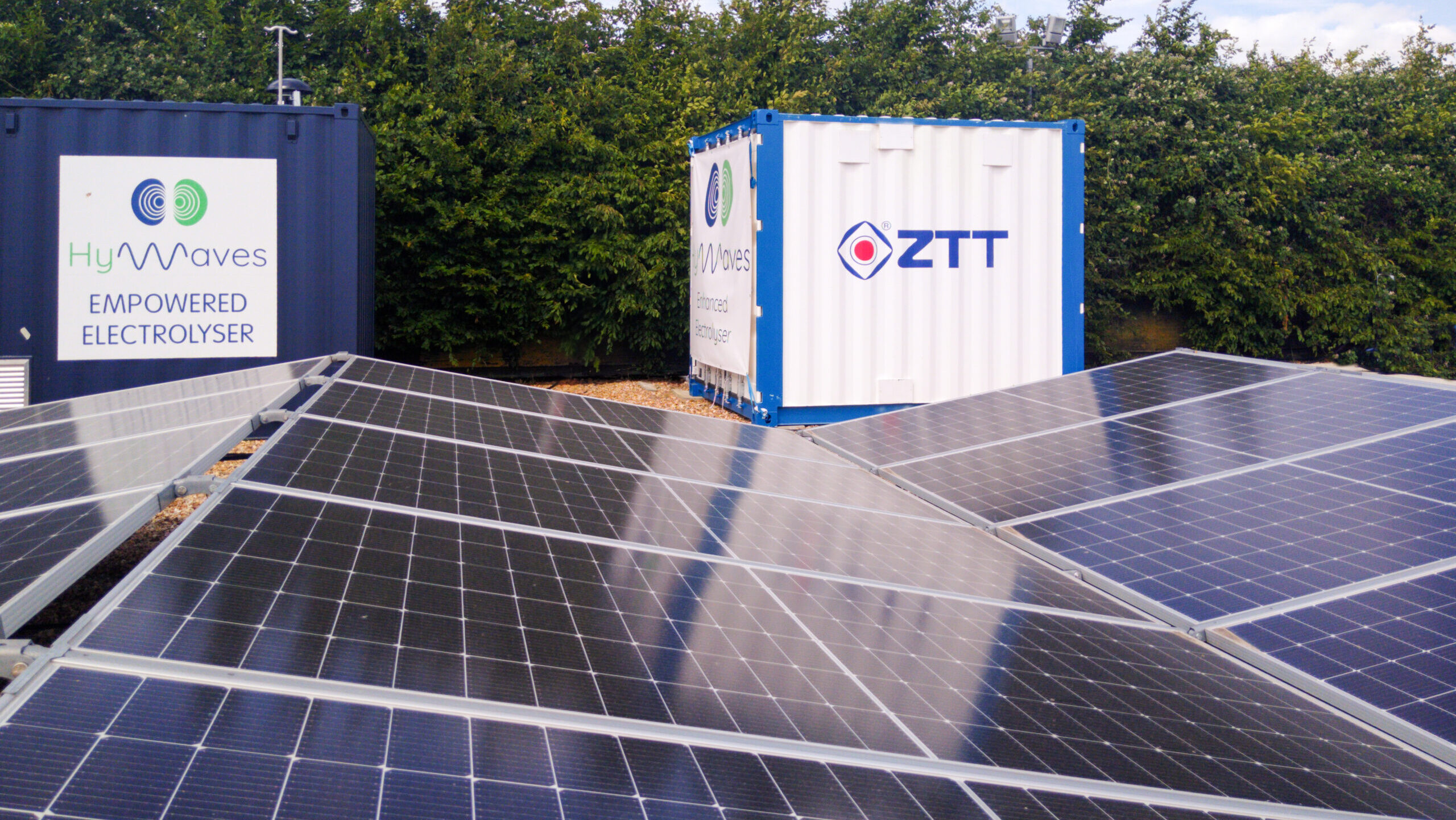
Kalocsa-based Smarttable CEE Kft has agreed to take delivery of about €1.5 million worth of energy-storage systems from Chinese technology group Jiangsu Zhongtian Technology (ZTT), with the equipment expected to enter operation at customer sites by the end of the year, managing co-owner Zsolt Bökönyi told MTI.
The lithium-iron-phosphate cabinet and container systems will be used mainly alongside solar plants and as network buffer capacity for high-power electric-vehicle chargers. Smarttable integrates ZTT batteries with its own energy-management system and Infypower DC-charging technology, allowing charging stations, storage and building consumption to be managed together.
The agreement follows around a year and a half of preparation and audits and comes as Smarttable expands towards larger utility-scale storage projects. The company said falling equipment costs had cut expected project payback periods to between 1.8 and five years.
The deal arrives in a markedly tougher political environment for Chinese-linked investment and battery activity in Hungary. Prime Minister Péter Magyar’s Tisza government launched nationwide inspections of the battery industry’s entire operating chain from 1 August, covering capacity, materials, emissions, water use and waste. It is also preparing a new environmental authority with stronger sanctioning powers after Chinese-owned Semcorp’s Debrecen battery-separator plant was suspended over groundwater pollution.
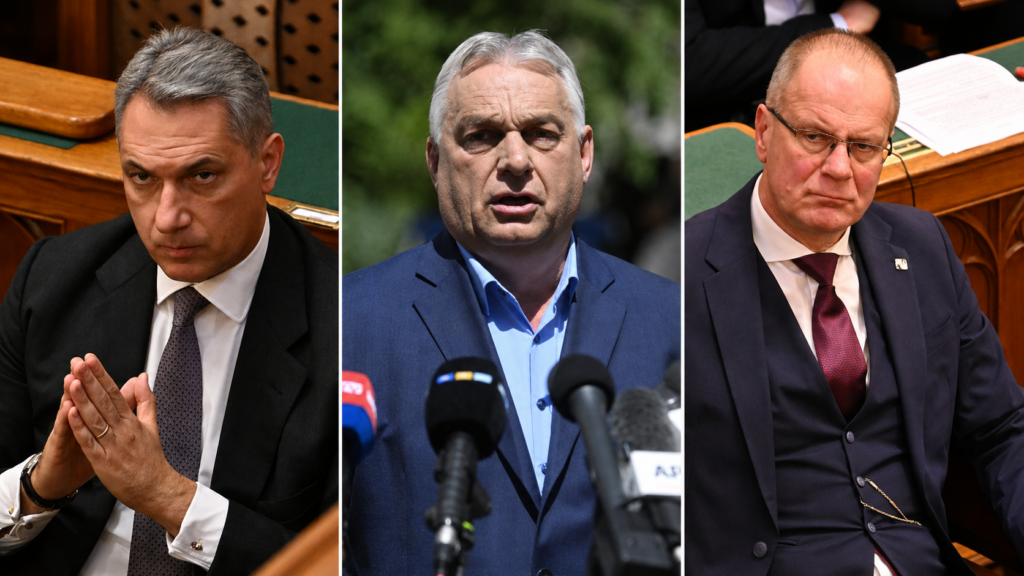
That marks a shift from the previous Fidesz government’s strategy of directly courting Asian battery and electric-vehicle manufacturers. Hungary attracted around €26 billion in mainly Chinese and South Korean battery-sector investment under Viktor Orbán, becoming one of Europe’s principal EV-battery hubs.
The tightened scrutiny follows similar decisions made at the EU level. Brussels moved in May to block EU funding for projects using power inverters from ‘high-risk’ countries including China, citing security concerns around remotely accessible equipment. Chinese suppliers account for about 70 per cent of Europe’s inverter market, while analysts estimate the restrictions could affect around 12 per cent of EU energy-storage deployments through 2030. The bloc also adopted tougher foreign-investment screening rules in June covering strategic sectors including energy and critical infrastructure.
The issue has become particularly urgent in Hungary after the August energy crisis demonstrated both the value and the limitations of the country’s rapidly expanding solar fleet. Solar generation helped offset an unprecedented collapse in output at the 2-gigawatt Paks nuclear plant, at times supplying more than 55 per cent of Hungary’s electricity, while fast-growing battery storage also helped keep overall generation close to normal.
The crisis simultaneously highlighted the need to store more of that daytime solar production for use when output falls and evening demand remains high. The Tisza government responded on 5 August with an energy-development plan explicitly prioritizing expanded storage and grid modernization, alongside wind and geothermal investment.
Hungary had already targeted storage capacity of nearly 500 MW by the end of 2026, up from just 21 MW at the end of 2023, and 1 GW by 2030. That makes projects such as Smarttable’s increasingly timely even as Chinese energy technology faces growing political and security scrutiny.
Related articles:
At a time when public debate is increasingly polarized and superficial, Hungarian Conservative remains committed to depth, intellectual honesty, and independent conservative thought.
Producing high-quality journalism requires resources. Your contribution helps us expand our coverage, reach new audiences, and keep our content accessible.

Please consider supporting our mission.