The following is an adapted version of an article written by Emese Hulej, originally published in Hungarian in Magyar Krónika.
The girl, who was born in Oradea (Nagyvárad in former times) and was training to be a pianist, died at the age of 100 on the other side of the world. Her life story was published only in English, even though she always spoke her native language beautifully and without an accent.
‘Are you guys Hungarian?!’ the question came from a beach chair on a Jamaican seashore in the early 1980s. The young Hungarian family had been drawn to the other side of the world by the husband’s job; during the week, he taught at the local medical university, and on weekends, the family took their little girl to the beach. There, they met Kató Farkas, then in her sixties, whose life story had taken her from Oradea through Auschwitz to Jamaica. And beyond.
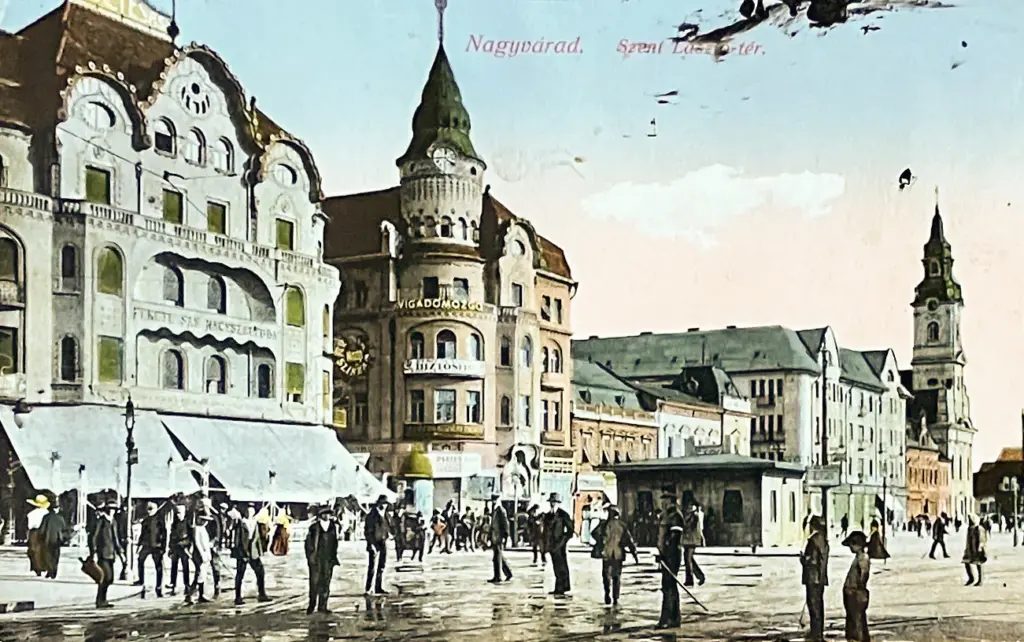
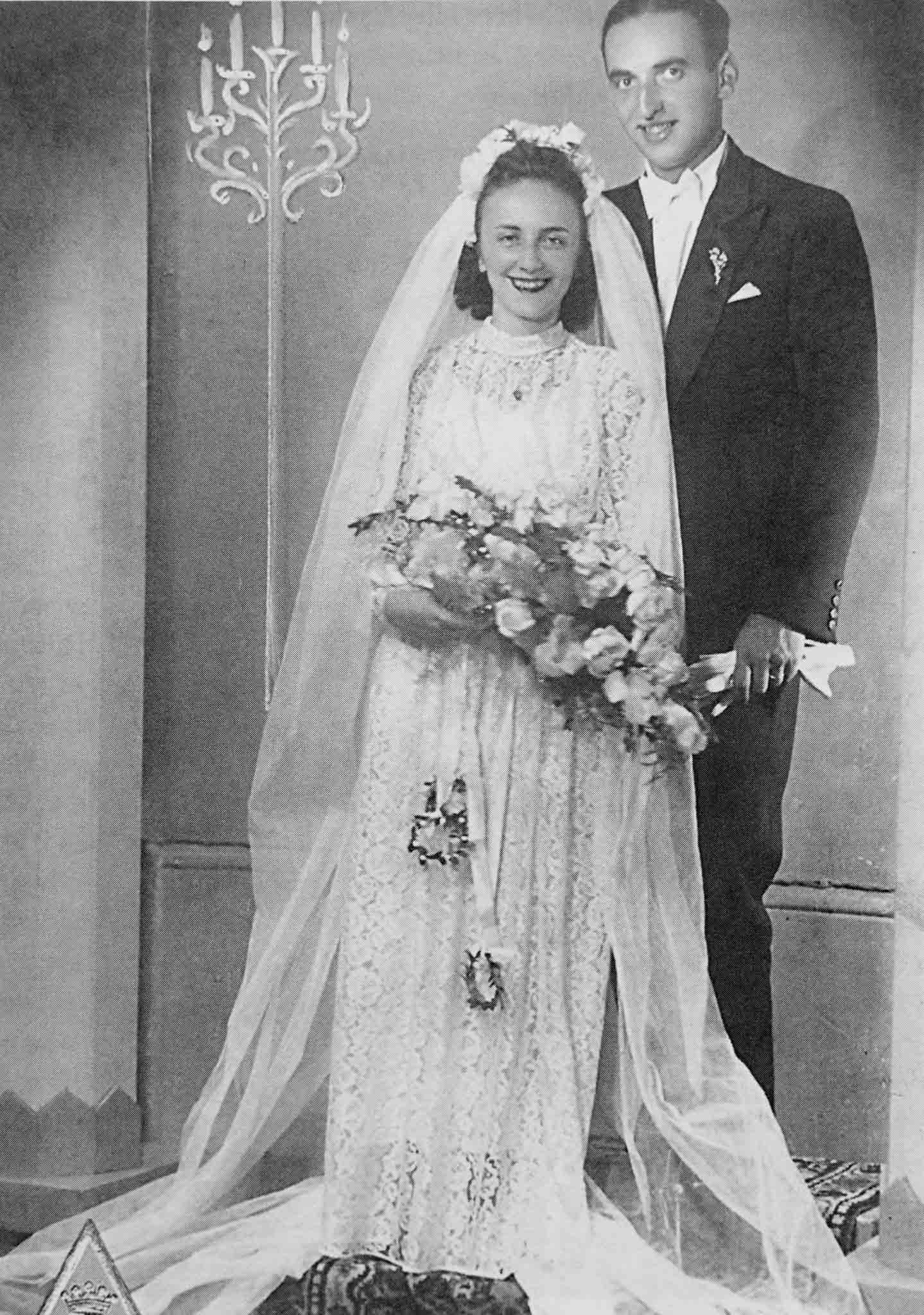
In the 1920s and 1930s Sándor Hartmann’s suitcase factory in Oradea produced travel bags, briefcases, handbags, and backpacks; in their elegant shop, it was his wife—the daughter of Rabbi Fried—who sold these fine goods. The woman did not speak Romanian, so they hired a young man to assist her who could communicate with Romanian customers as well. The family raised their three children—Ilus, András, and Kató (Catherine)—in prosperity. Ilus married and moved to Mexico; it was from there that a young Jewish man arrived, determined to marry a Hungarian Jewish girl. András studied chemistry in Germany, while Kató, the youngest, was training to be a concert pianist and was making good progress. After the Vienna Decision, an extremely handsome and very kind officer appeared in Oradea, and they fell in love. They held a wedding, but after barely eight months of living together, László was taken away for forced labour. No letters or messages ever came from him again.
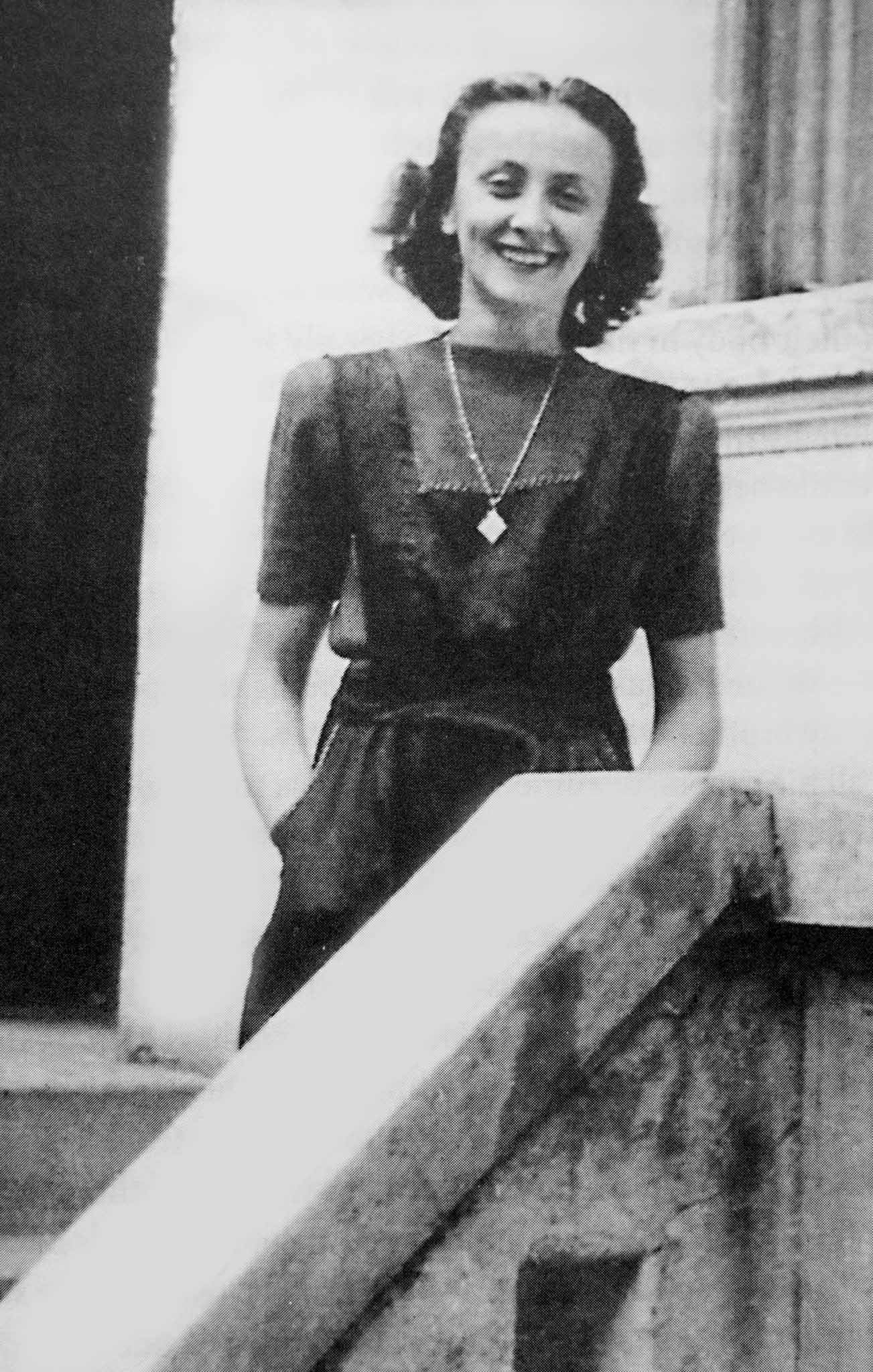
Her parents then sent Kató to Budapest to continue her piano studies at the Academy of Music. She could go home on weekends because the Orient Express, bound for the East, stopped in Oradea, too. Shortly before the German occupation, her teacher sent Kató home for good, saying that it would be better for her to weather whatever was coming at home.
The Jewish community of Oradea was soon confined to a ghetto; the Hartmann family were given only half an hour to pack their belongings. András happened to be at home; he had secured a job in Venezuela but wanted to say goodbye to his family first. When the order arrived, he decided he wouldn’t leave his family behind, so despite having valid papers, he went with them to the ghetto.
‘The Jewish community of Oradea was soon confined to a ghetto; the Hartmann family were given only half an hour to pack their belongings’
Wealthy Jews, including Kató’s father, were singled out and beaten because the guards wanted to know where they had hidden their valuables. This was the so-called ‘money-extraction’ process… Shortly thereafter, the family was put on a train bound for Auschwitz, and upon arrival, they were sent before the selection process. Kató’s last memory of her mother is of her smiling encouragingly and waving to her. She never saw her parents again. Her older brother, András, was sent to one of the men’s barracks, and as it turned out, he starved to death just a few days before the camps were liberated.
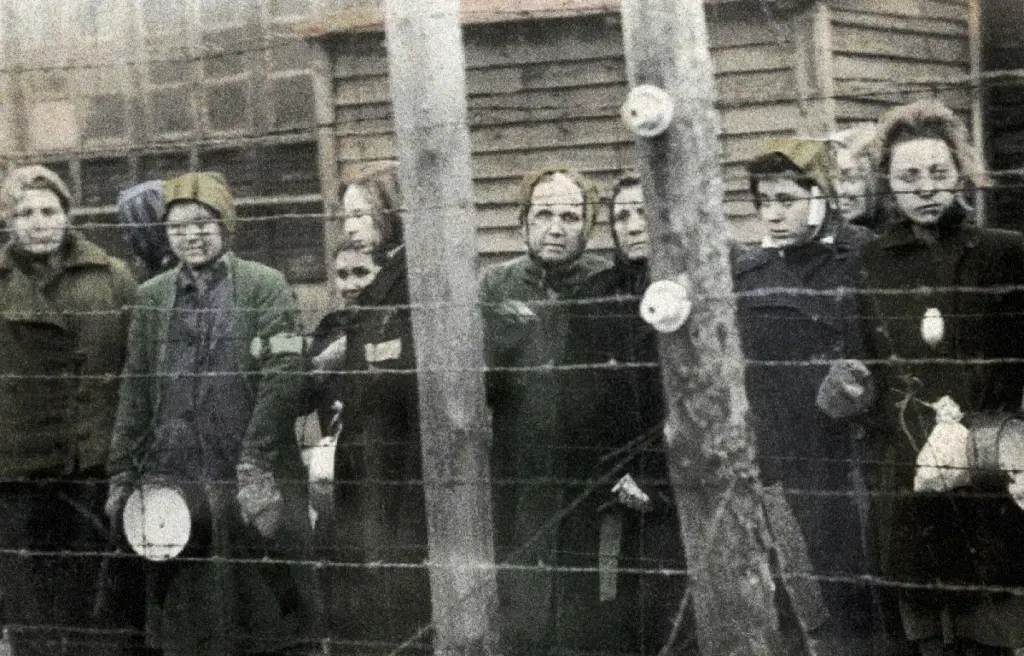
Kató’s head was shaved bald; she slept on a bunk with two other women, went hungry, and was cold, and the only reason she did not succumb to death was that a cousin of hers was able to get her some extra food. The girl became close to one of the guards, and in doing so, she saved both their lives. There was a time when Kató tried to escape; she started running toward an open gate, and it was a miracle that the guard did not shoot her. Instead, he set the dogs on her. The scar from the dog bite, just like the number tattooed on her arm in the camp, remained with her for the rest of her life.
They were already in Ravensbrück when they woke up one morning to an unusual silence. It turned out that the guards had left, leaving the prisoners unguarded. At a nearby farm, a German woman took in the three Hungarian girls who left the camp together, gave them water to wash with, clean clothes, and food, and let them stay until they regained their strength. She knew exactly where they had come from.
In Oradea, nothing remained of Kató’s old life. The Russians had occupied and ransacked their home, and the factory lay in ruins. She had no one and nothing left, but she tried to make something of the remaining machines and materials. A young man she knew helped her; the two of them sold the larger machines and began making leather goods on a smaller scale. They grew closer and closer, and when the man asked for her hand in marriage, she said yes. She was grateful, and she had also come to love the handsome young man, Vilmos Farkas. They were already planning their future together when one evening there was a knock at the door, and standing there was her long-lost husband, László. He had returned from a prisoner-of-war camp, and his first stop was to see his wife. What should she do now? It felt as if a hundred years had passed since their wedding—at least, that’s how she felt. She was grateful to Vilmos, who had stood by her through the hardest times; she felt she had to choose him. László accepted her decision and offered to divorce her; he wouldn’t stand in her way. When they said goodbye and the man started to walk out, Kató felt she should call out to him to stay; something told her she should choose him. But she remained silent. Decades later, she knew she had paid a heavy price for that decision.
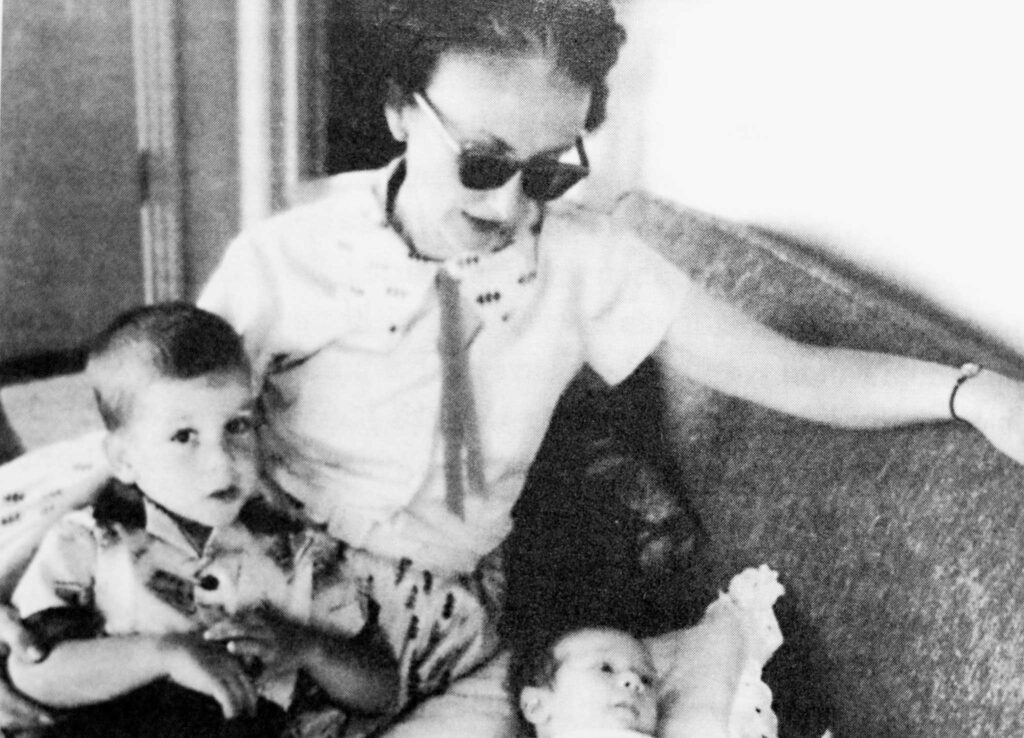
Vili and her got married, but life in Oradea was tough. They decided to emigrate, so after a detour through Austria and a terrible sea voyage, they arrived in New York. They stayed with relatives, a family of kosher butchers; the woman taught Kató how to cook, because the girl, who was training to be a pianist, knew nothing about housework other than sewing. She found a job at a doll factory, but couldn’t keep up with the pace, so they lived off Vili’s earnings. The man took on any job, but there was one thing he was incapable of: fidelity. He soon returned to the leather industry, first finding work in Puerto Rico and then in Jamaica; Kató and their children, Ray and Linda, who had been born in the meantime, went with him. However, over the years, their marriage had deteriorated so much that Kató, who was in her sixties by then, decided to separate and move to Miami. Vili remained in Jamaica until a surgical complication—more precisely, a medical malpractice—left him paralyzed from the waist down. There was no one else to care for him but Kató, and she did just that. For ten years, she changed his diapers, fed him, and hired nurses with her meagre funds.
‘To survive—that was the guiding principle of Kató Farkas’s life’
After Vili’s death, her health began to fail as well. She underwent eye surgery and was unable to care for herself; a Mexican girl came to look after her, and after a while, she moved to Mexico to live with that girl’s family. She dictated her life’s story to the girl in English, and the book was published in the United States. In the final years of her life, Kató had no home, only a roof over her head. After her release from the camp, her greatest wish was never to be vulnerable again, yet that is exactly what happened. Auschwitz also took something else from her: her ability to play the piano. Even though she acquired an instrument in America, she was unable to sit down at it. However, she loved music all along; as long as she could, she went to concerts—she liked Mozart, Beethoven, and Chopin the most. She travelled to Oradea with her daughter and son-in-law, and they also visited the Hungarian family she had met earlier in Jamaica in Budapest; she went with them to the Academy of Music as well—to the place where she had arrived with such high hopes decades earlier.
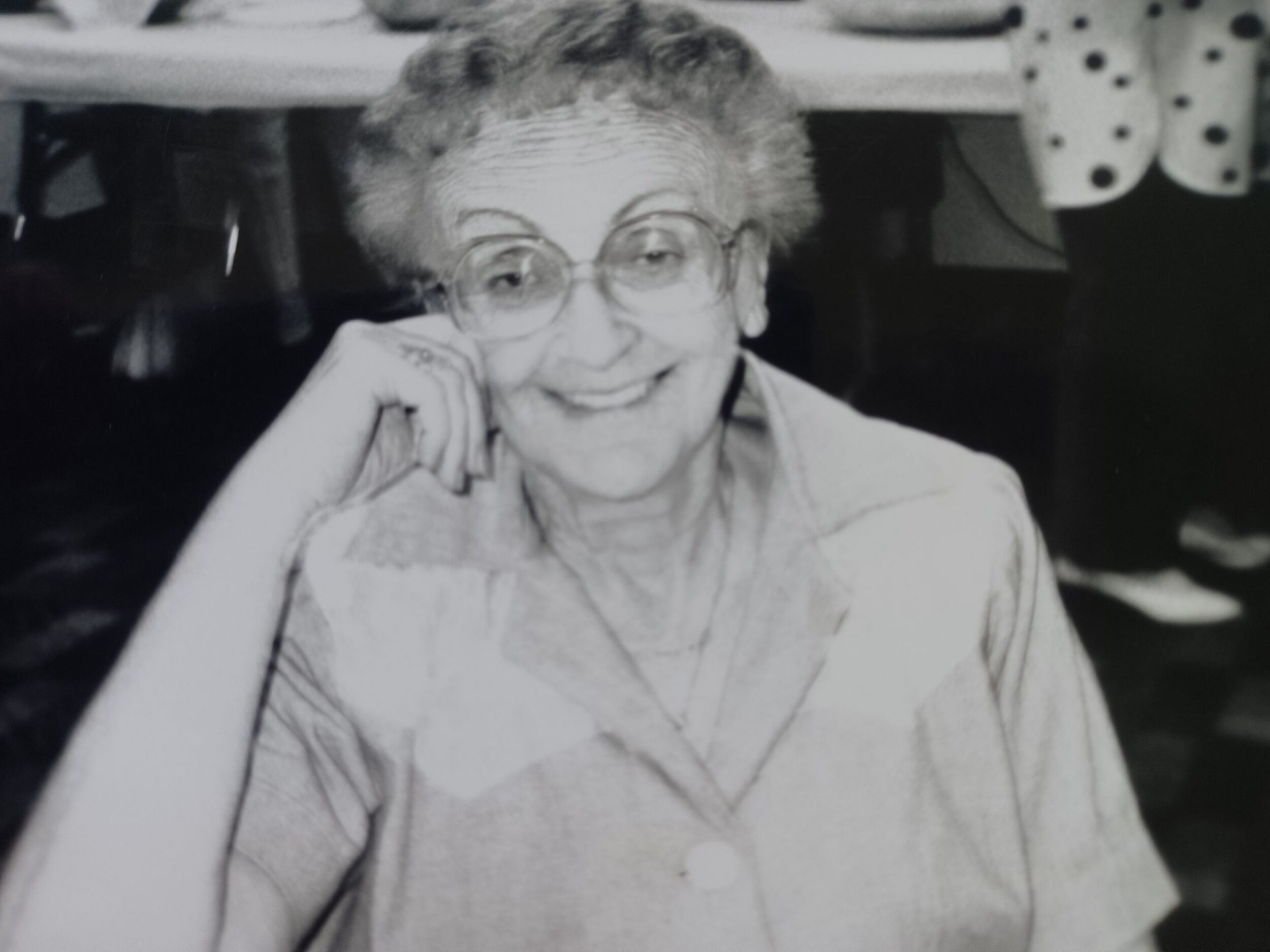
To survive—that was the guiding principle of Kató Farkas’s life, who passed away in her 100th year. No matter what happens, that is all you have to think about, she always told herself and others.
She was strong and cheerful; even in the most difficult situations, she found something to laugh about. At first, she was a spared young lady, then a prisoner barely regarded as human, a betrayed wife, and, with her meagre wealth, also a source of income for those who parasitized off her.
Thanks to Judit Ördögh for her help in writing this article.
Read more about famous Hungarian women:
Click here to read the original article.
At a time when public debate is increasingly polarized and superficial, Hungarian Conservative remains committed to depth, intellectual honesty, and independent conservative thought.
Producing high-quality journalism requires resources. Your contribution helps us expand our coverage, reach new audiences, and keep our content accessible.

Please consider supporting our mission.