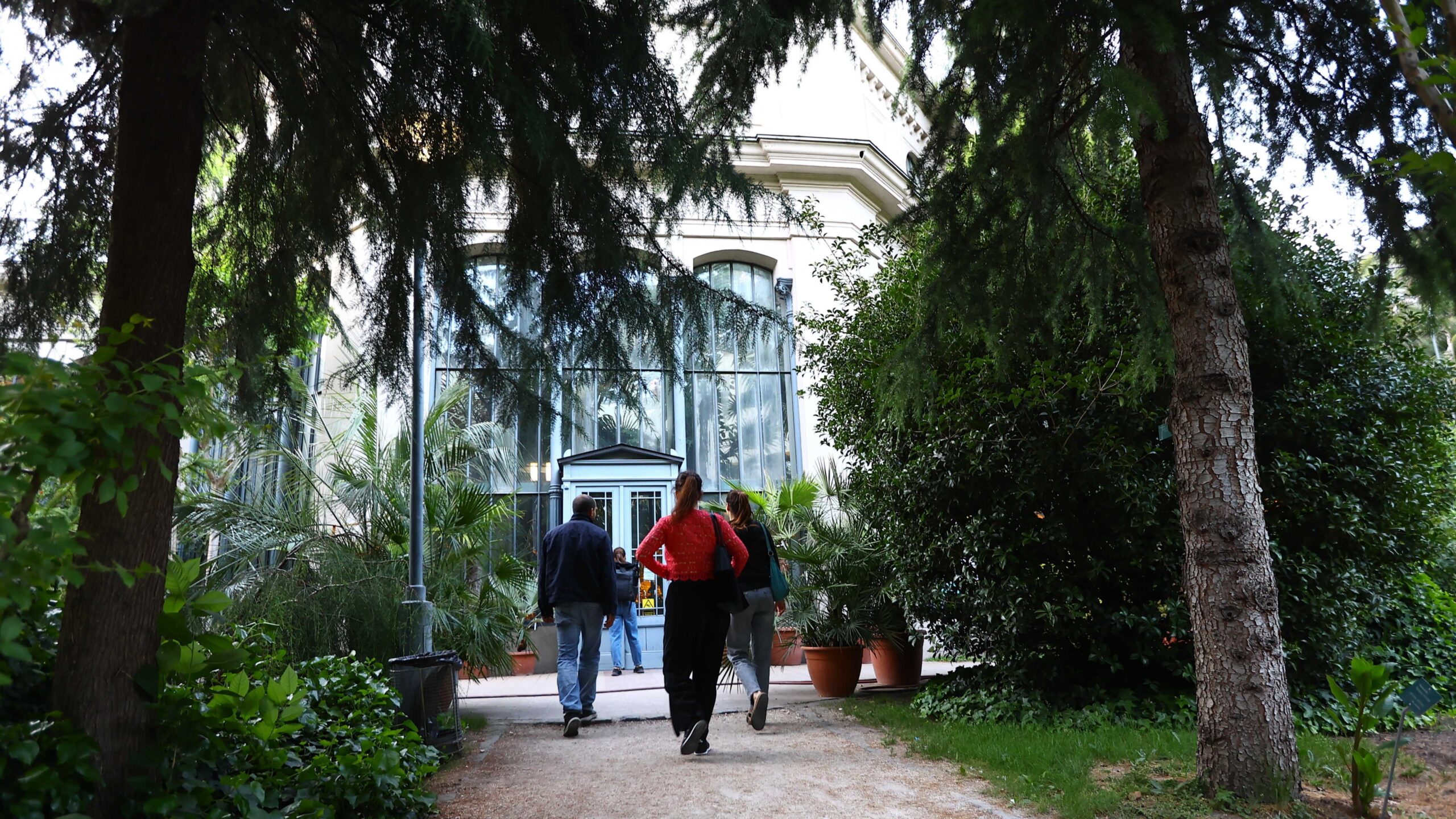
Botanical gardens and natural green spaces are gaining importance in cities as climate change accelerates, according to botanist, plant breeder and geneticist László Orlóci. Speaking on the latest episode of former President János Áder’s Blue Planet podcast, Orlóci said urban greenery now plays a crucial role not only in mental well-being but also in public health.
Orlóci, who directed Budapest’s Füvészkert for two decades and was named Gardener of the Year in 2020, explained that increasingly frequent summer heatwaves place heavy strain on the human body. At the same time, previously unknown urban health issues, such as widespread allergies, have emerged. Many native plant species, he added, can no longer thrive in modern urban environments.
Researchers are therefore working on breeding plant varieties capable of sustaining urban ecosystems under changing conditions. In dense urban areas, the lack of dew formation during hot summers deprives plants of essential moisture, causing prolonged stress compared with those grown in open agricultural fields. This makes plant resilience a key issue in today’s climate crisis.
Botanical gardens serve as research laboratories where such stress factors can be studied in controlled conditions. Orlóci noted that experiments carried out in these settings can guide future urban vegetation planning.
Áder pointed out that if plants fail to filter dust effectively, respiratory illnesses will rise, and more people will be hospitalized due to heat stress. Whether vegetation can mitigate these effects depends on the health of urban plant life itself. Cities, therefore, face an ecological turning point, as many plant species struggle with adaptation.
Orlóci emphasized the need for a comprehensive approach, since urban plants form part of an artificial ecological community. With growing urban populations, allergies are also spreading, making the search for better-adapted plant varieties increasingly urgent. A new research group at the Hungarian University of Agriculture and Life Sciences is being planned to address these challenges.
Both speakers agreed that botanical gardens also serve an educational purpose. Orlóci highlighted the children’s gardening programme established 15 years ago at the Füvészkert, where young visitors can plant, learn about composting and identify different species, helping foster environmental awareness from an early age.
Related articles:
At a time when public debate is increasingly polarized and superficial, Hungarian Conservative remains committed to depth, intellectual honesty, and independent conservative thought.
Producing high-quality journalism requires resources. Your contribution helps us expand our coverage, reach new audiences, and keep our content accessible.

Please consider supporting our mission.