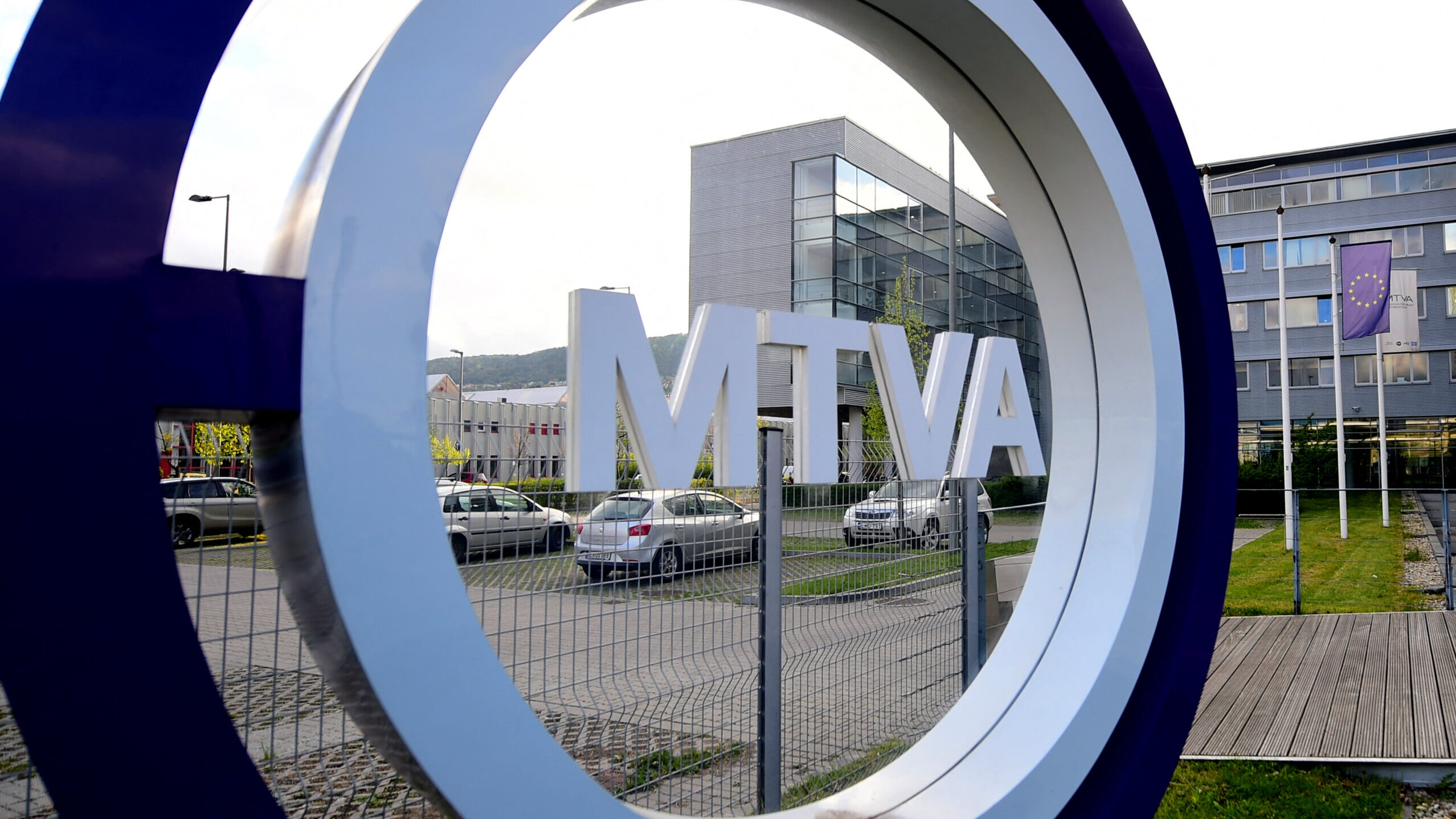
PM Magyar Calls on Two Public Media CEOs to Resign

While pressuring President Tamás Sulyok to resign, Prime Minister Péter Magyar has also called for the resignation of the heads of two public media companies. The demands followed reports by RTL that leaked emails from public broadcasters showed a news director instructing staff to cover stories damaging to Magyar’s Tisza Party.

‘Both sides were to blame for the cooling of the relations’ — An Interview with Géza Jeszenszky

How did Hungarians view the United States in the 1980s? What were the US-related policies of the Orbán governments? Will the new Hungarian government be as significant to the United States as the Orbán government was? We asked a former Hungarian foreign minister about the past, present, and future of Hungarian–American relations, including their ups and downs and their often turbulent nature.

The figure of King Louis I (the Great) on the cover of the Illustrated Chronicle

King Louis the Great’s Imperial Model That Worked Until Trianon

‘Louis created a state union between the two countries; he did not unite them, and he left the structure of Poland intact…Thanks to the common ruler, the two states did not compete but supported each other militarily and economically. A new kind of power structure was born.’

Two children collecting water in a rural area using jerry cans

Central European Development Aid in the Age of Resource Scarcity: Challenges and Opportunities

As global development aid declines amid mounting geopolitical and economic pressures, Central European countries may need to rethink how assistance is delivered. Closer regional coordination, targeted ‘pilot projects’, and partnerships in regions such as the Sahel could help smaller European states preserve influence, build soft power, and shape a distinct model of development cooperation.

Hungary Revokes Hundreds of Diplomatic Passports in Major Foreign Policy Overhaul

Hungary’s new government has proposed revoking nearly one thousand diplomatic and service passports issued under the previous Fidesz administration after completing a review of non-automatic allocations, government spokesperson Vanda Szondi announced on Wednesday. The move also forms part of the Tisza government’s broader effort to overhaul Hungarian diplomacy and foreign policy.

BBC Launches Hungarian-Language News Site in June

BBC Hungary is set to launch in June following the British broadcaster’s announcement on 22 May, marking a symbolic re-entry into the country only weeks after the electoral defeat of former prime minister Viktor Orbán. BBC and Orbán frequently clashed over the past 16 years, with conservative circles accusing the broadcaster of biased reporting and systematically targeting right-wing governments around the world.

Orbán Launches Legal Defence Network Amid Claims of Political Persecution

Former Hungarian prime minister Viktor Orbán’s Fidesz party on Friday launched a nationwide legal and activist network called Védvonal (‘Defence Line’), claiming conservatives face growing harassment and ‘liberal terror’ under the new Tisza government. Critics dismissed the initiative as an attempt by Fidesz to recast itself as a persecuted movement after 16 years in power.

Please consider supporting our mission.

At a time when public debate is increasingly polarized and superficial, Hungarian Conservative remains committed to depth and independent thought.

Donate Now

Please consider supporting our mission.