


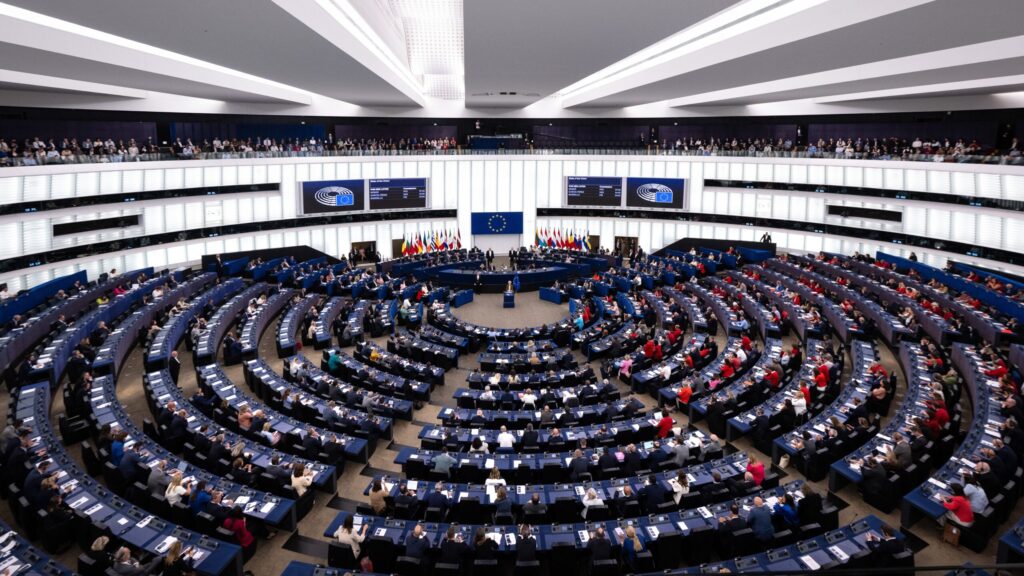


The European Public Prosecutor’s Office stands ready to cooperate with Hungary if it joins the body, its chief Laura Kövesi said, adding that the timeline depends largely on legislative steps in Budapest.

Without outgoing Viktor Orbán of Hungary and with President Volodymyr Zelenskyy of Ukraine in attendance at the EU Summit in Cyprus, the EU is expected to approve its €90 billion loan package to Ukraine and impose a 20th sanctions package on Russia. However, the most pressing issue will be the energy crisis on the Old Continent, as the Strait of Hormuz remains closed in the US–Iran conflict.

Hungary’s Foreign Minister Péter Szijjártó said the election result must be respected, acknowledging the government’s defeat while defending its record and calling for a less hostile political climate.

‘The debate thus essentially revolves around two models: efficiency- and performance-based resource allocation, and an approach that prioritizes catching up and cohesion. The current proposal clearly reinforces the former, thereby opening new political fault lines among member states.’
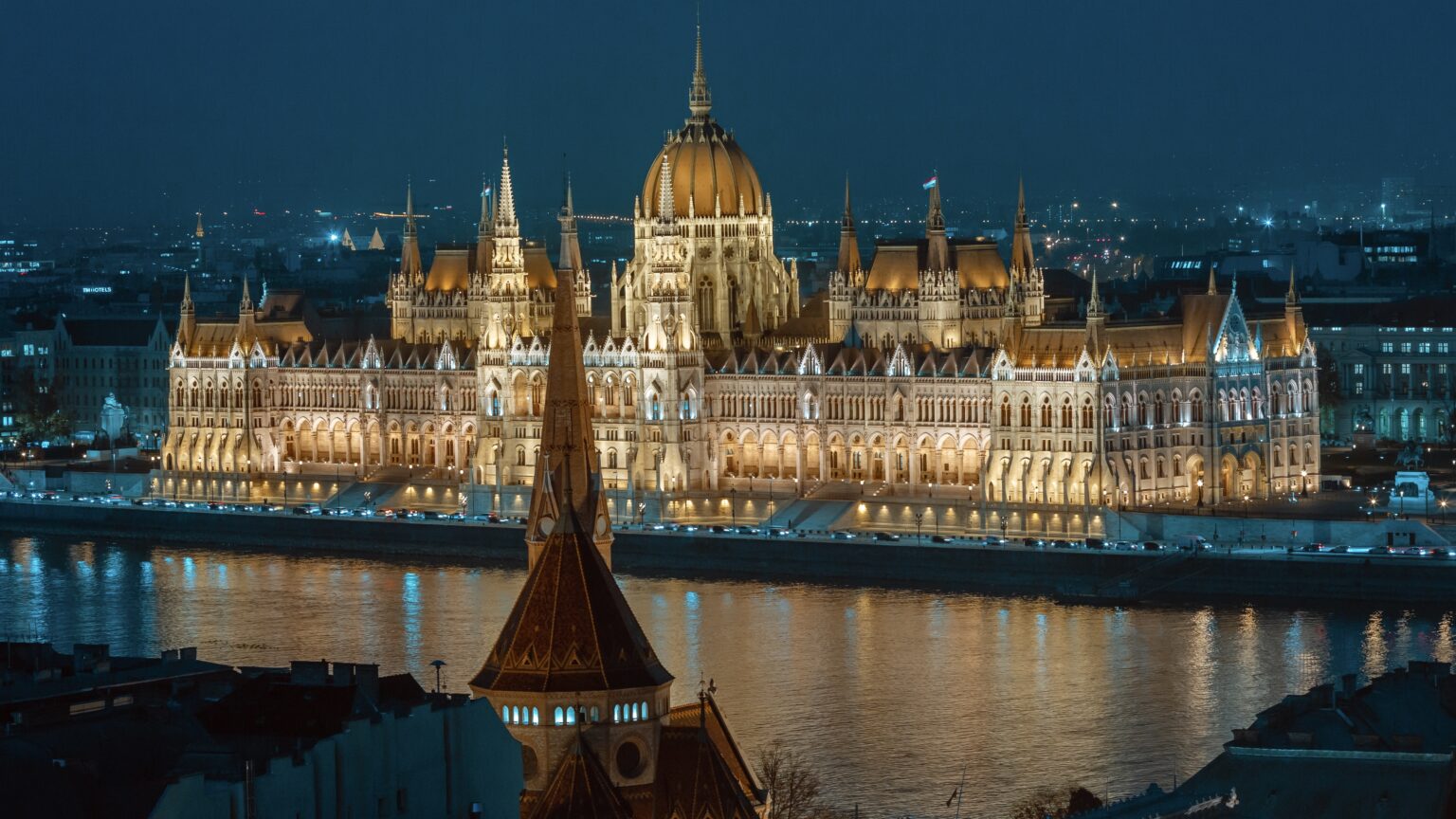
Hungary’s new parliament will convene on 9 May in a historic session, but the real story lies in who is missing. For different reasons, left-wing and liberal parties have disappeared from the legislature, raising serious questions about their political future: what lies ahead for the Hungarian left?

‘As of now, the Age Verification App is a voluntary tool for both digital platforms and users. However, often the EU’s “voluntary” tools soon become mandatory dictates.’

Hungary’s prime minister-elect Péter Magyar held talks with RMDSZ leader Hunor Kelemen, seeking to repair strained ties following sharp campaign clashes. Magyar pledged to preserve the acquired rights of Transylvanian Hungarians, and the two agreed to cooperate on the community’s future.

The Hungarian Atheist Association has urged prime minister-elect Péter Magyar to prioritize non-religious voters after data showed overwhelming support for the Tisza Party among this group. The call underscores growing expectations and potential divisions as the movement transitions from an opposition alliance into a governing force.
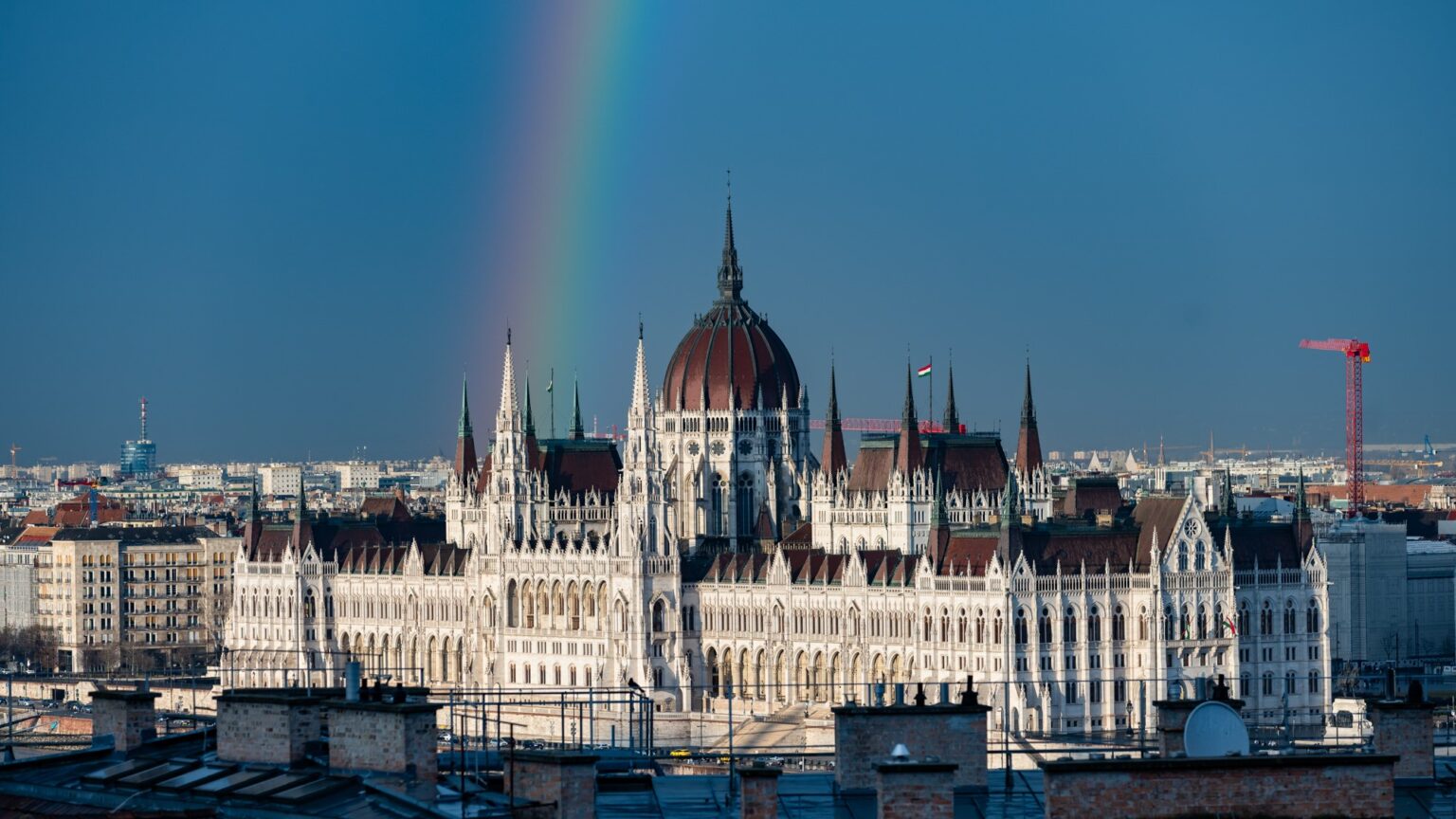
Hungary’s newly elected parliament will hold its inaugural session on 9 May, following consultations between President Tamás Sulyok and party representatives on the transition process and parliamentary setup.

Hungary’s incoming prime minister Péter Magyar has proposed introducing a two-term limit for the office of prime minister as part of a broader constitutional reform package aimed at reshaping the country’s political system. The proposal has sparked debate due to its potential retroactive application, which could bar Viktor Orbán from returning to power.
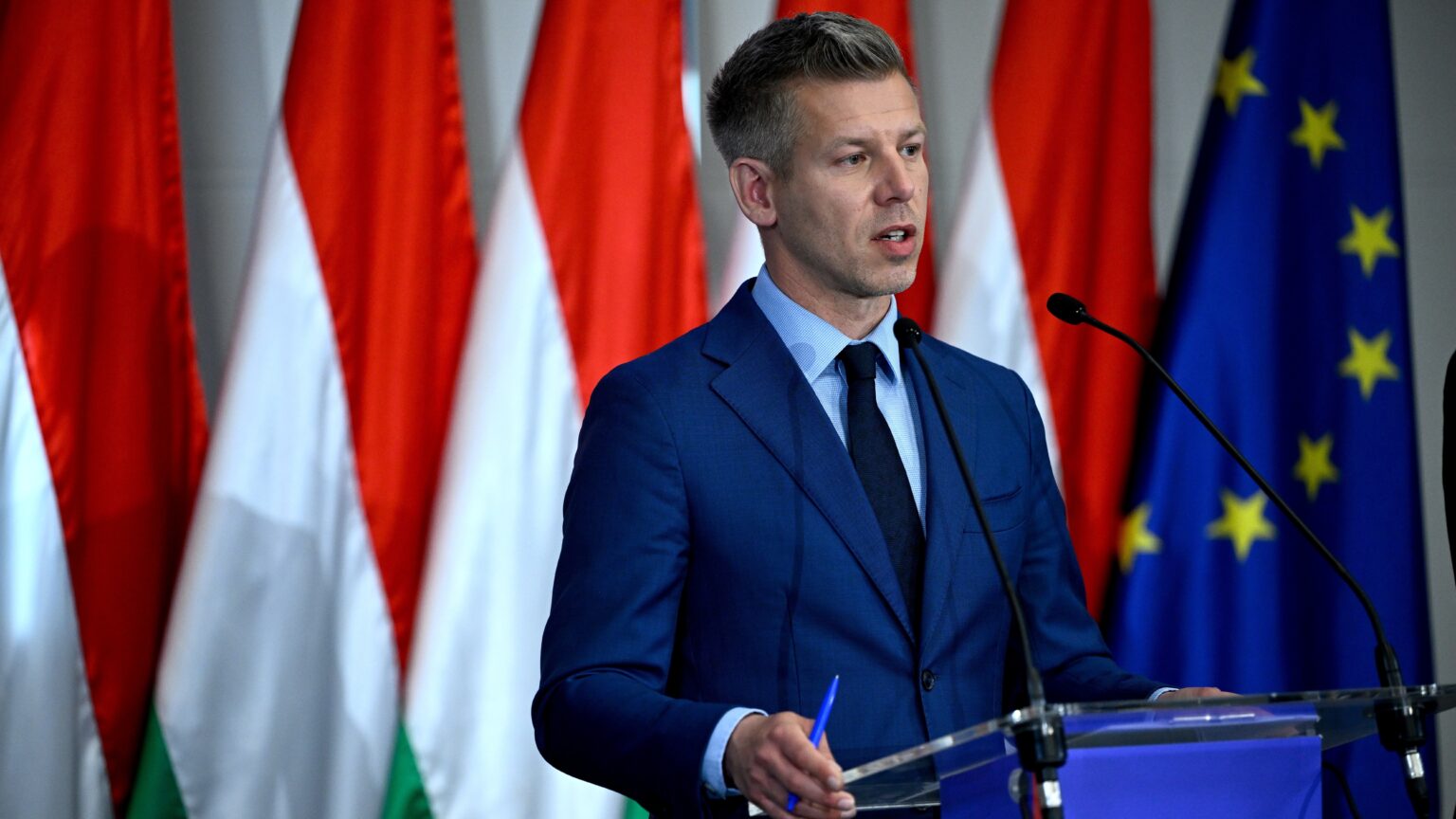
Hungary’s incoming prime minister Péter Magyar said future policy talks with Slovakia depend on guarantees over the rights of ethnic Hungarians, including protections related to disputed legislation and the Beneš Decrees.

Budapest has received a temporary exemption from paying the solidarity contribution until mid-June, giving the capital time to negotiate a longer-term financial arrangement with Hungary’s incoming government.
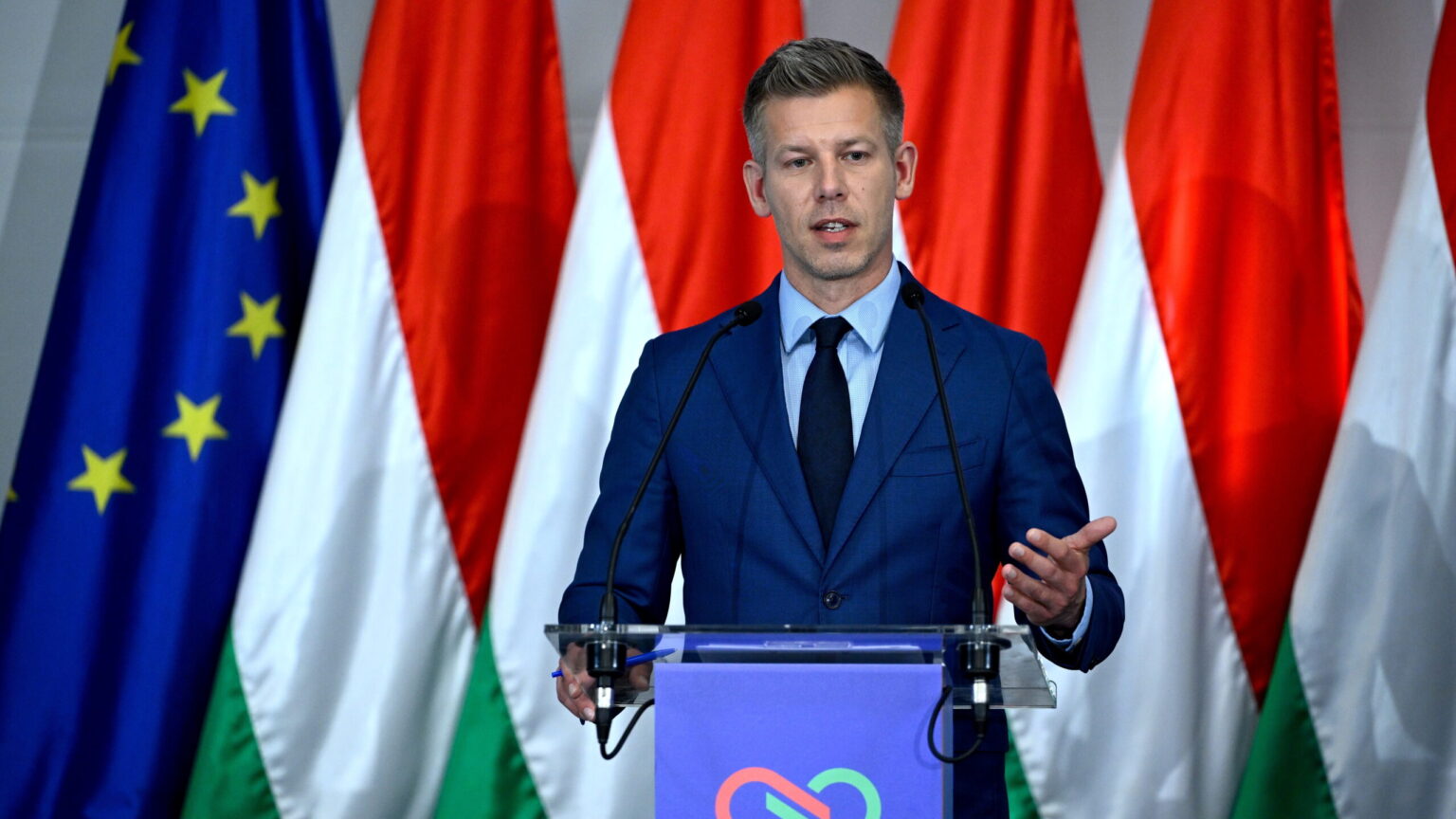
Prime minister-elect Péter Magyar announced the structure of the incoming government of Hungary, consisting of 16 ministries. He also named seven incoming ministers and the speaker of the next parliament.

Slovenia’s government formation has stalled after Prime Minister Robert Golob admitted failure to build a coalition, opening the door for Janez Janša’s potential return. Despite lacking a majority, Janša now faces several paths to power, including a fragile coalition or a minority government.

Mayor Zohran Mamdani of New York City’s wife, Rama Duwaji, has publicly apologized after The Washington Free Beacon uncovered that she had used a racial slur on social media in the past. In the meantime, Mayor Mamdani is also facing criticism for supposed anti-white policies from the right.

Former president Rumen Radev’s Progressive Bulgaria won a decisive victory with 44 per cent of the vote and a majority of seats, while traditional parties suffered historic losses. Often dubbed the ‘Bulgarian Orbán’, Radev’s victory suggests that Sofia could assume a role similar to Hungary’s over the past decade in challenging EU consensus on Russia and sanctions.

With overseas votes counted in Hungary’s election, the Tisza Party secured 141 mandates after flipping three symbolic Fidesz strongholds—each illustrating a core driver of the broader electoral defeat, including a distorted echo chamber, a breakdown of its rural base, and growing demands for accountability.

‘In order to get the Popular Vote Compact into effect, multiple swing states of today would need to join as well.’

The European Commission is visiting Budapest on Friday to discuss over €30 billion in frozen funds with Péter Magyar’s incoming government, as Hungary races to meet strict EU conditions by August. The 27 ‘super milestones’ were long rejected by outgoing prime minister Viktor Orbán as an attack on sovereignty.
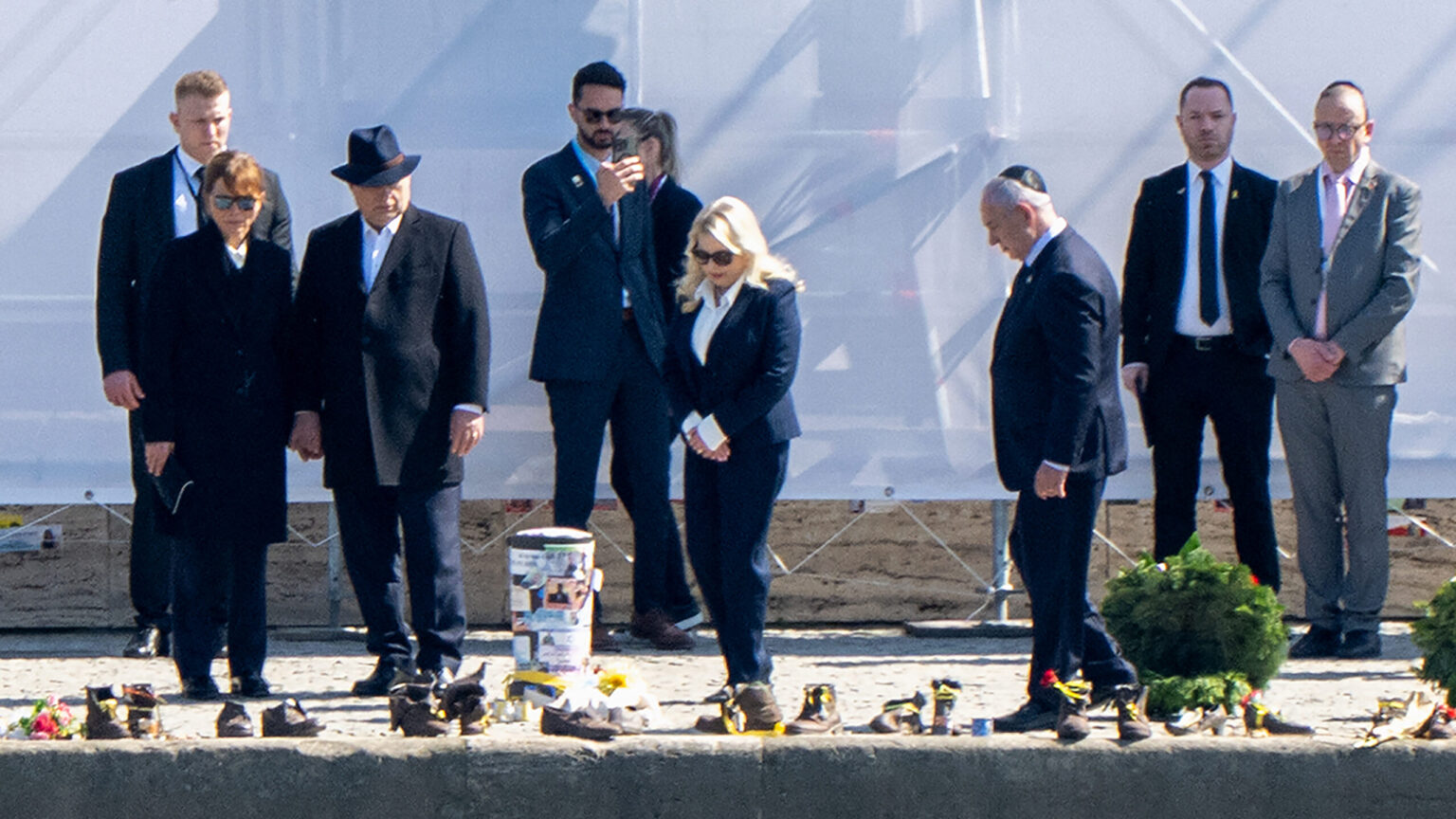
Hungarian prime minister-elect Péter Magyar has invited Israeli Prime Minister Benjamin Netanyahu to Budapest, setting up an early foreign policy test that could place his incoming government at the intersection of EU expectations, ICC obligations, and Hungary’s traditionally close ties with Israel.
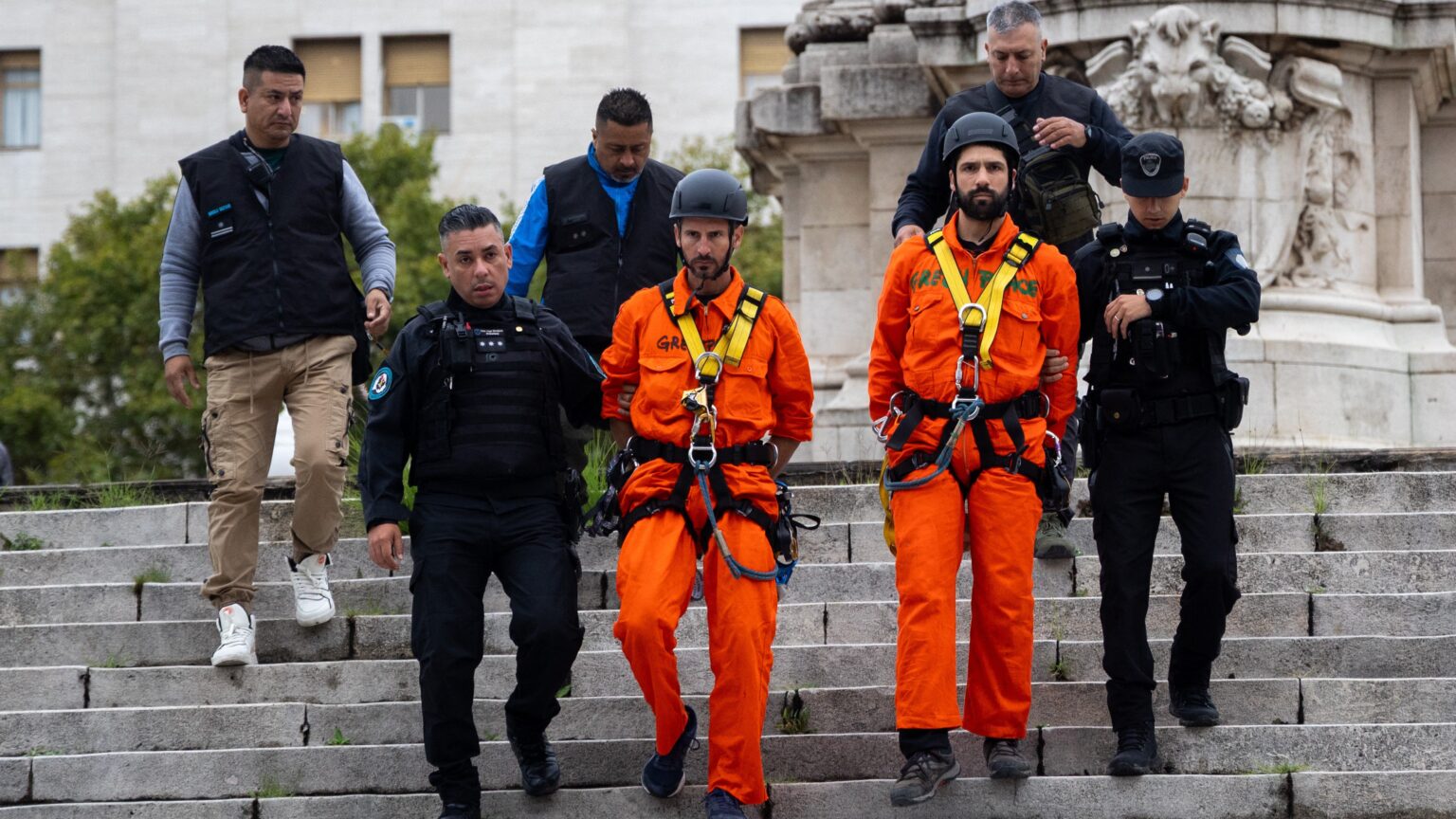
‘Since Hungary is also obliged to implement the EU’s Anti-SLAPP directive, its shortcomings are not irrelevant for Budapest. The Anti-SLAPP framework could become a tool for civil society organizations to silence legitimate criticism of their activities, while also potentially undermining plaintiffs’ right to a fair trial.’

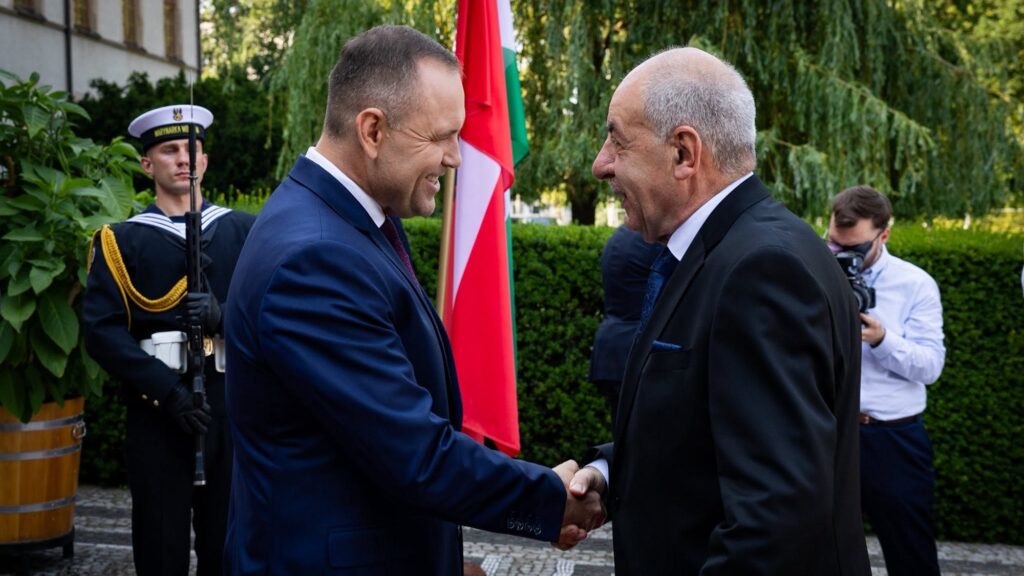
Viktor Orbán will reportedly skip his final European Council summit, scheduled for 23–24 April, closing a 16-year chapter defined by repeated clashes with Brussels and the extensive use of veto power that reshaped Hungary’s role within the European Union.
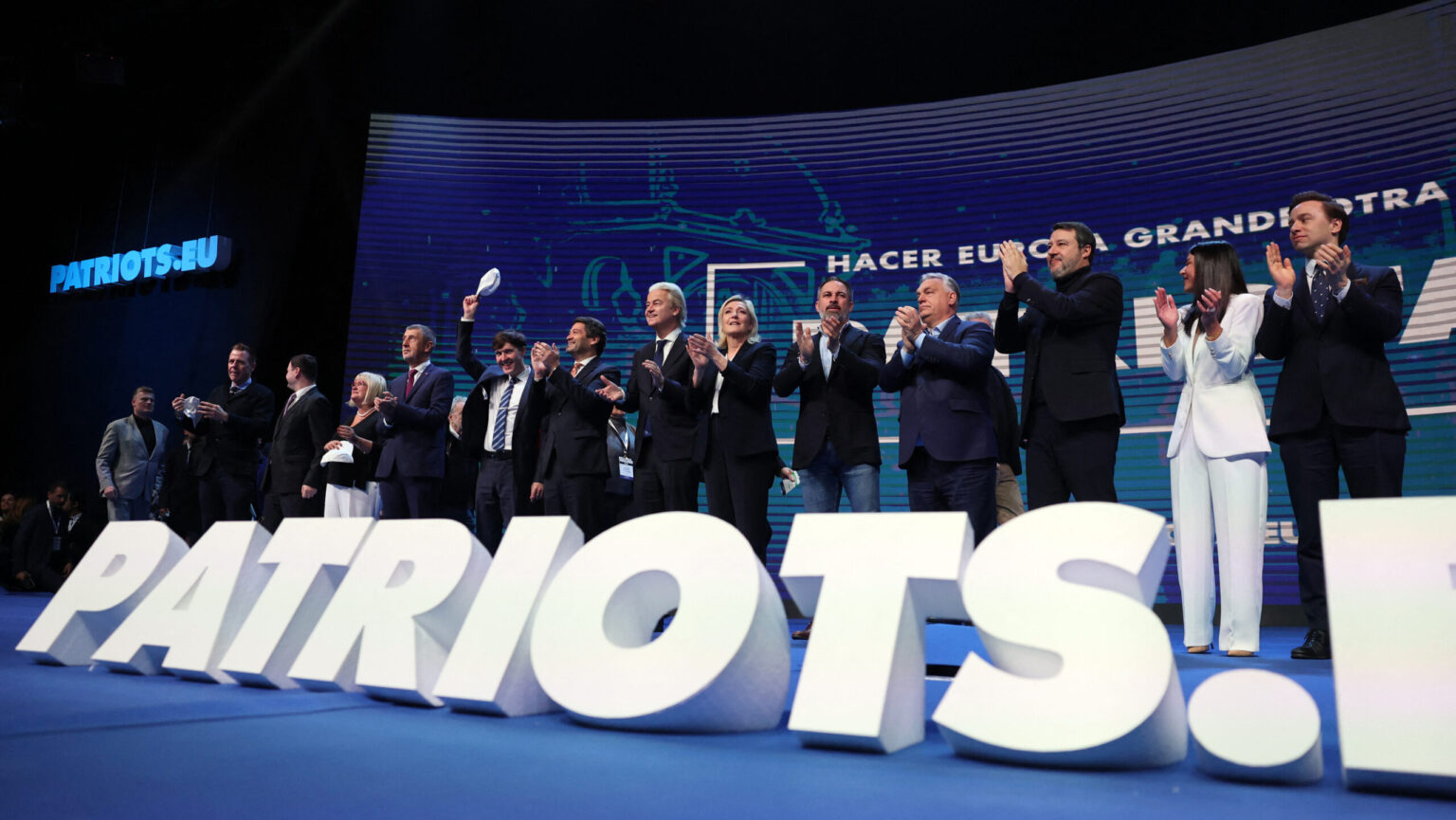
‘The Patriots Group expresses its support for Fidesz and Viktor Orbán and underlines the importance of defending national sovereignty and conservative values in Europe…The Patriots Group is more united than before and determined to intensify its efforts, committing to continue and strengthen the political struggle for sovereignty, prosperity, and freedom for all European nations.’
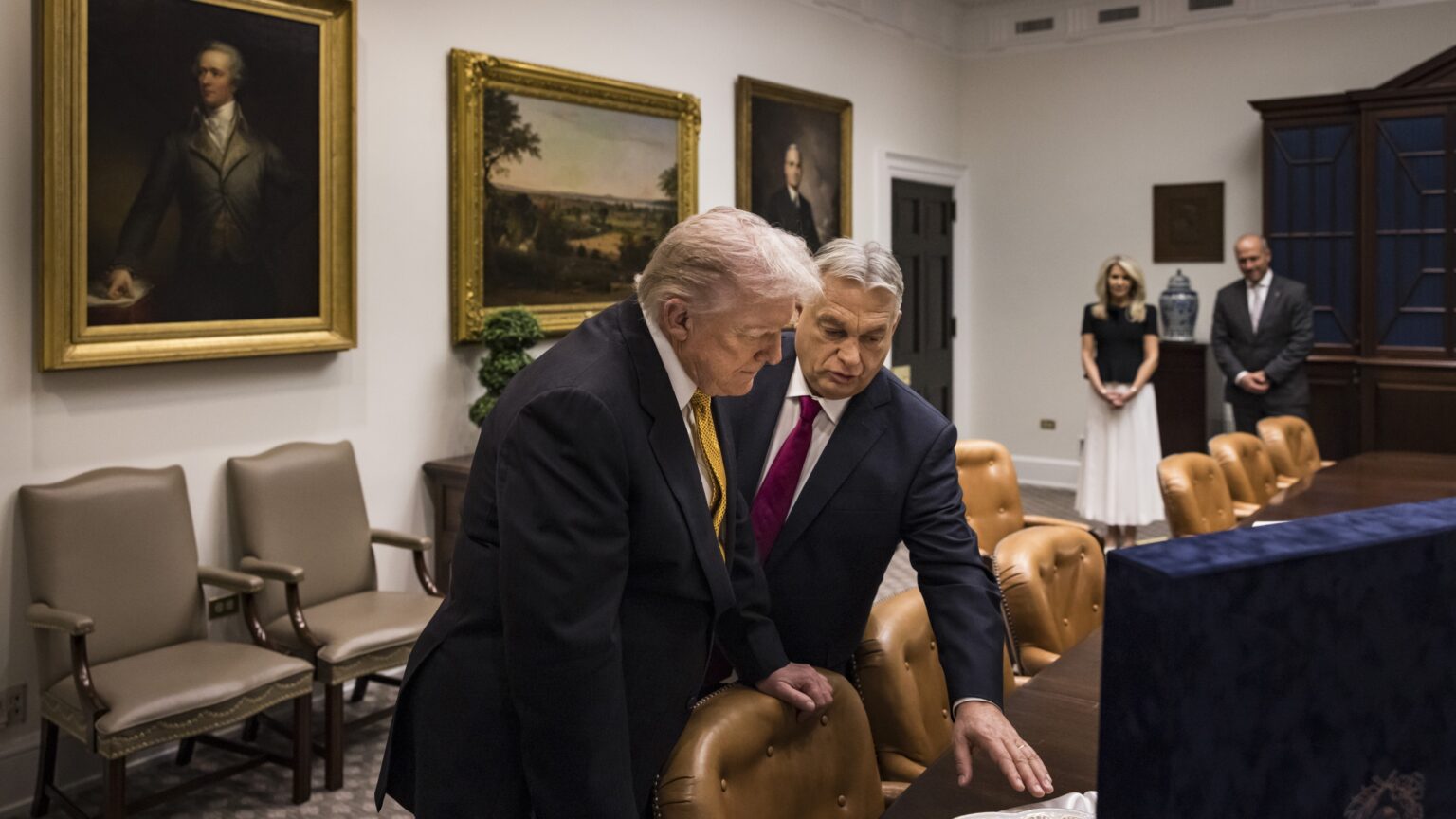
In his first remarks after Hungary’s election, Donald Trump praised Viktor Orbán’s hardline immigration policy, saying he ‘didn’t let people come in and ruin his country,’ while signalling openness to Hungary’s incoming leadership. Moscow struck a similar tone, welcoming Péter Magyar’s readiness for ‘pragmatic dialogue’, with Kremlin spokesman Dmitry Peskov stating that Orbán was ‘never our friend.’
‘In short, what the majority of the world has perceived as the United States trying to do away with the status quo is, in reality, the US’s attempt to preserve it.’

‘As a result of intense negotiations, Margaret Thatcher secured a rebate of two-thirds of British contributions from the Community budget. The agreement was a huge success for Margaret Thatcher personally, and it also clearly demonstrated the British government’s ability to assert its national interests.’

During his international press conference, Hungary’s prime minister-elect Péter Magyar outlined a foreign policy strategy that partly echoes Viktor Orbán’s positions on migration and Russian energy, while pledging closer ties with the EU, a reset in relations with Ukraine, and anti-corruption reforms.

‘This enormous mobilization of the population should be the final nail in the coffin of the increasingly desperate narrative, favoured by EU elites and the Brussels media, that Orbán was a dangerous autocrat who had built an anti-democratic system. Orbán remained a democrat to his core.’

Péter Magyar of the Tisza Party has been elected the ninth Prime Minister of the Third Hungarian Republic. Here are ten interesting facts about the man who unseated Prime Minister Viktor Orbán of Hungary after 16 years of consecutive reign.

‘The question before us is not whether we can perfect our legal systems or eliminate all misuse of law…The question is whether we will recognize lawfare for what it is—a corruption that hollows out law from within—and whether we will have the courage to name it, oppose it, and restore the principle that truth, not power, not procedure, not expedience, makes law.’
At a time when public debate is increasingly polarized and superficial, Hungarian Conservative remains committed to depth and independent thought.
Donate Now
Please consider supporting our mission.