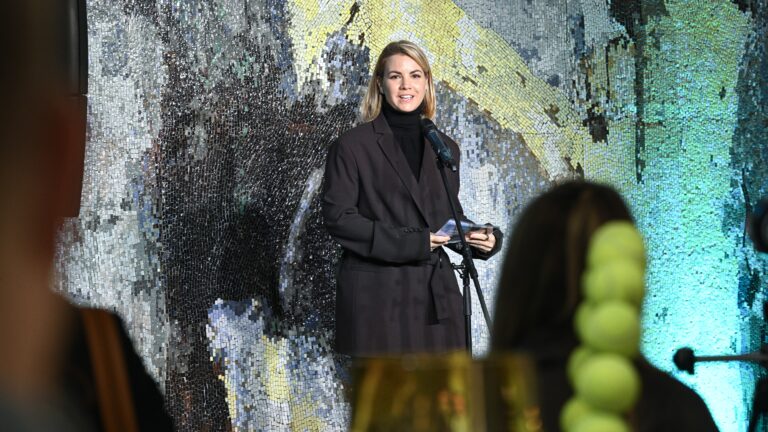
The European branch of the Arlington, Virginia-based political site POLITICO has released its annual POLITICO 28 list, their selection of whom they deem the 28 most influential people in Europe every year.
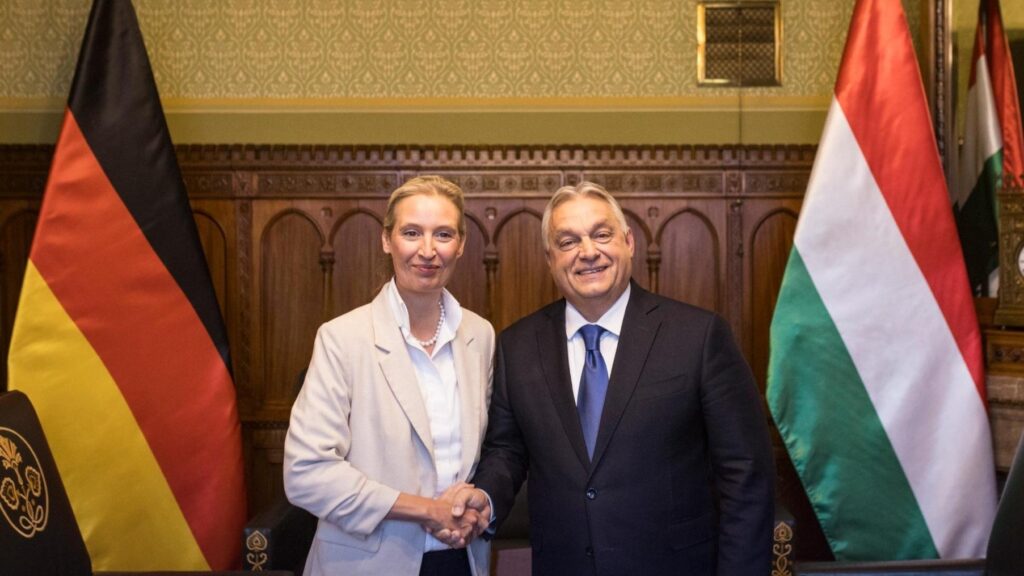
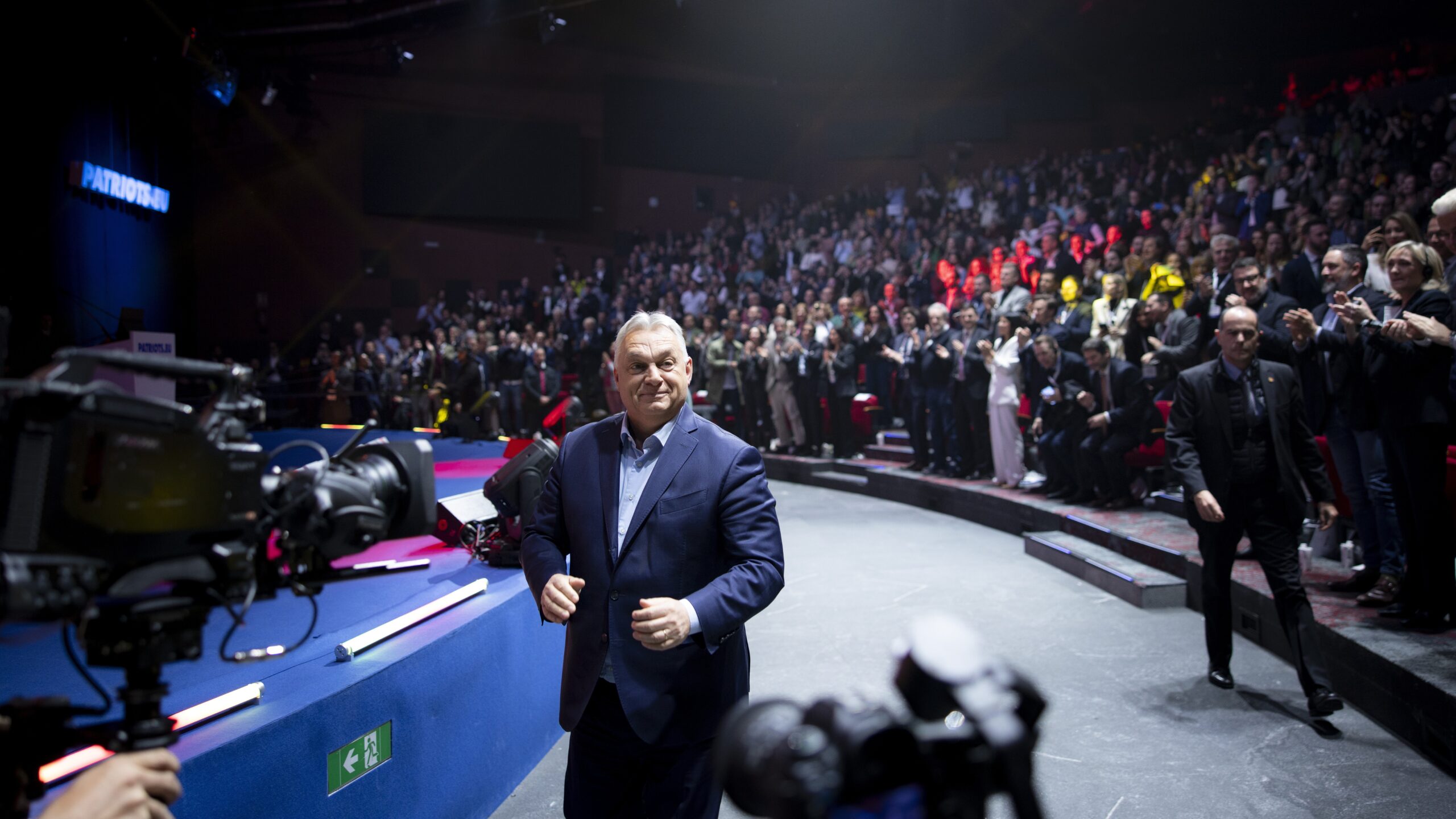
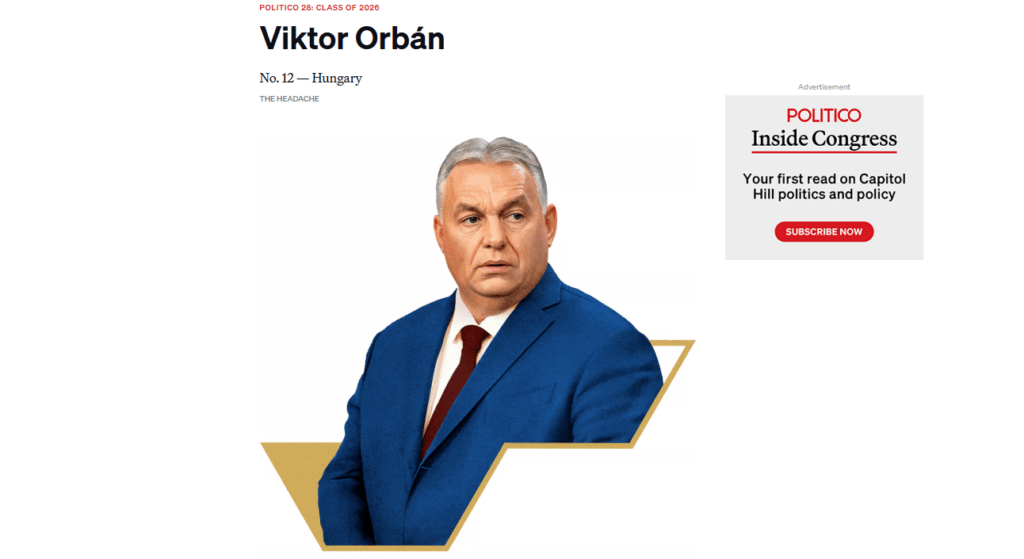
Prime Minister Viktor Orbán of Hungary has made the Class of 2026, coming in the #12 spot.
This may come as a little bit of a surprise to our readers, who are likely well aware of POLITICO’s left-leaning editorial slant. However, upon reading PM Orbán’s page, you can tell that the bias did not disappear, despite his inclusion on their list.
First off, they gave PM Orbán the less-than-flattering tagline ‘The Headache’. As they explain, ‘The war in Ukraine turned Viktor Orbán from a peripheral irritant into a structural headache for the European Union—and Brussels still hasn’t found a cure. Once a liberal reformer, Orbán, 62, has spent more than a decade recasting Hungary into what he proudly calls an “illiberal democracy”—consolidating media control, undermining the judiciary and cementing his Fidesz party’s grip on power.’
The term ‘illiberal democracy’ is ad nauseam cited in Western mainstream media about PM Orbán—in fact, it was included in his write-up when he made the POLITICO 28 last year as well. It is taken from a speech by the Prime Minister at the 2014 Tusványos Festival.
The POLITICO piece claims PM Orbán is ‘gaming the system’ when it comes to EU vetoes. He, however, would reasonably argue that he is using the EU institutional system the way it was laid out in its treaties to protect his nation’s sovereignty against federal overreach from Brussels.
The authors also describe PM Orbán as ‘a sustained governance crisis in human form’ for Brussels, which, to his right-wing populist supporters in his home country and abroad, may even count as a compliment.
Even POLITICO notes his close relationship with ideologically similar leaders within his region, such as newly re-elected Prime Minister Andrej Babiš of Czechia and Prime Minister Robert Fico. Patriots for Europe, founded by Orbán in 2024, is now the third largest political group in the European Parliament.
It is also important to note that, unlike last year, PM Orbán’s primary challenger in the 2026 Hungarian election, MEP Péter Magyar of the Tisza Party, has not made POLITICO’s list of the most influential figures in Europe this time. However, they do mention him in PM Orbán’s short piece, pointing out that he is currently leading the polls and claiming that he is ‘one of the first credible challenges to Orbán’s 15-year rule’; although they do concede that ‘Whether Magyar can turn his polling lead into power remains uncertain. His party lacks structure and campaign muscle, while Orbán commands a vast political machine.’
Somewhat controversially, POLITICO named US President Donald Trump as their Most Powerful Person in Europe for 2025.
President Trump returned to the White House for a non-consecutive second term in January of this year. He quickly caused a frenzy in American and European markets alike with the abrupt announcement of highly increased tariff rates. This ultimately resulted in a new trade deal between the EU and the US in July, and both the primary US and European stock indices, Dow Jones and Euro Stoxx 50, respectively, are poised to end the year with healthy yearly gains. However, the ultimate fate of the EU and many other international trade deals is up in the air, as President Trump’s unilateral tariff declarations are being adjudicated by the US Supreme Court right now.
Related articles: