Wind and solar power together produced more electricity than fossil fuels in the European Union for the first time in 2025, driven mainly by the rapid expansion of solar energy, according to an analysis published on Thursday by energy think tank Ember.
The report shows that wind and solar accounted for just over 30 per cent of the EU’s electricity generation in 2025, while fossil fuels, including coal, gas and smaller amounts of oil, made up 29 per cent. Renewable energy sources as a whole, including hydropower and biomass, reached a 47.7 per cent share, while nuclear power contributed 23.4 per cent.
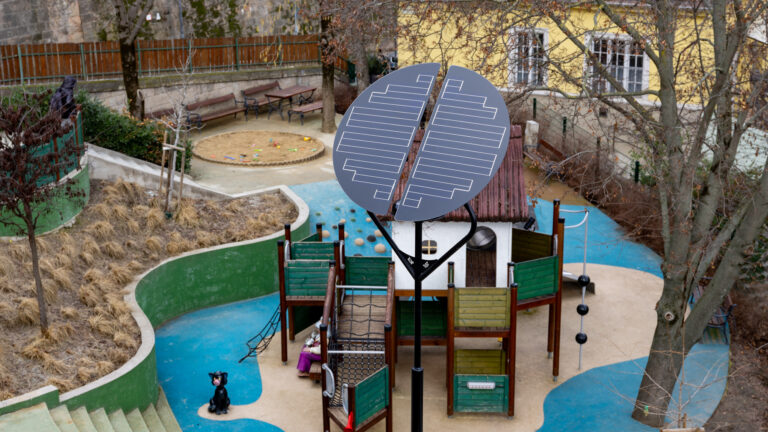
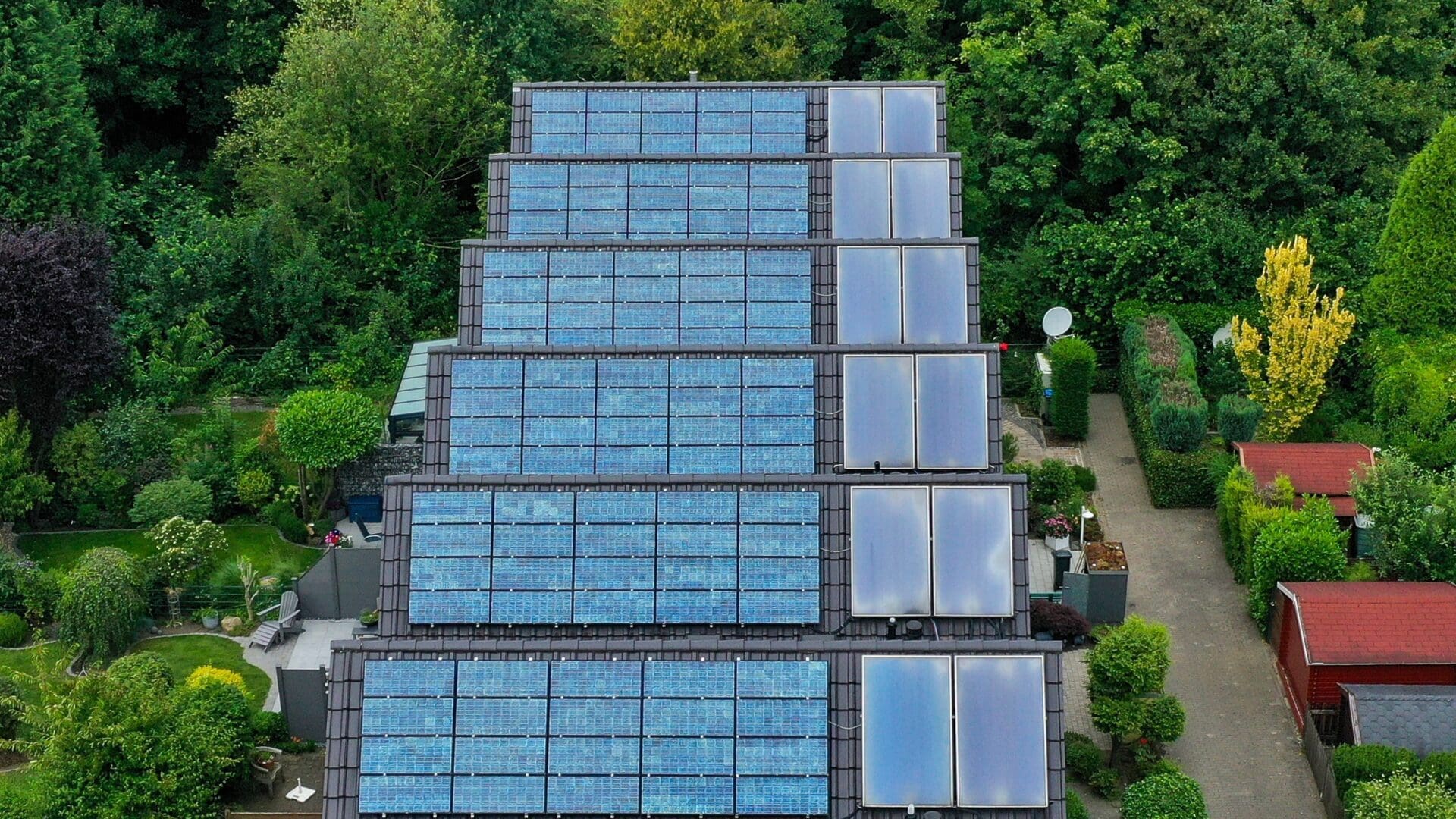
Solar energy alone accounted for 13 per cent of EU electricity generation and has been expanding at an annual rate exceeding 20 per cent for the fourth consecutive year. Growth was largely driven by a 19 to 20 per cent increase in installed capacity. In several countries, including Hungary, Spain and the Netherlands, solar power already covers more than one-fifth of electricity consumption.
The analysis notes that despite a record year for renewables overall, hydropower output was hit by drought and wind generation declined slightly. As a result, gas-fired electricity generation rose by 8 per cent, increasing its share to 16.7 per cent. Ember said this led to higher costs for imported gas and contributed to rising wholesale electricity prices.
Coal’s share of electricity generation fell to a historic low of 9.2 per cent in 2025. Reuters recalled that Germany and Poland, the EU’s largest coal users, also reached record lows, which Ember described as evidence that coal phase-out is a structural and irreversible process.
Ember analysts also warned that the EU remained exposed in 2025 to the risk of political pressure from energy-exporting countries. The think tank said boosting investment in renewable energy should be a central strategy to reduce geopolitical vulnerability.
The report recalled that the EU aims to fully end its dependence on Russian natural gas by the end of 2027. Under current plans, imports of Russian pipeline gas under long-term contracts are to be completely phased out by 1 November 2027.
According to Ember, further development of electricity grids, expansion of large-scale battery storage and stronger demand side management would allow higher integration of wind and solar power, improving energy security while supporting more stable and predictable energy prices.
Related articles: