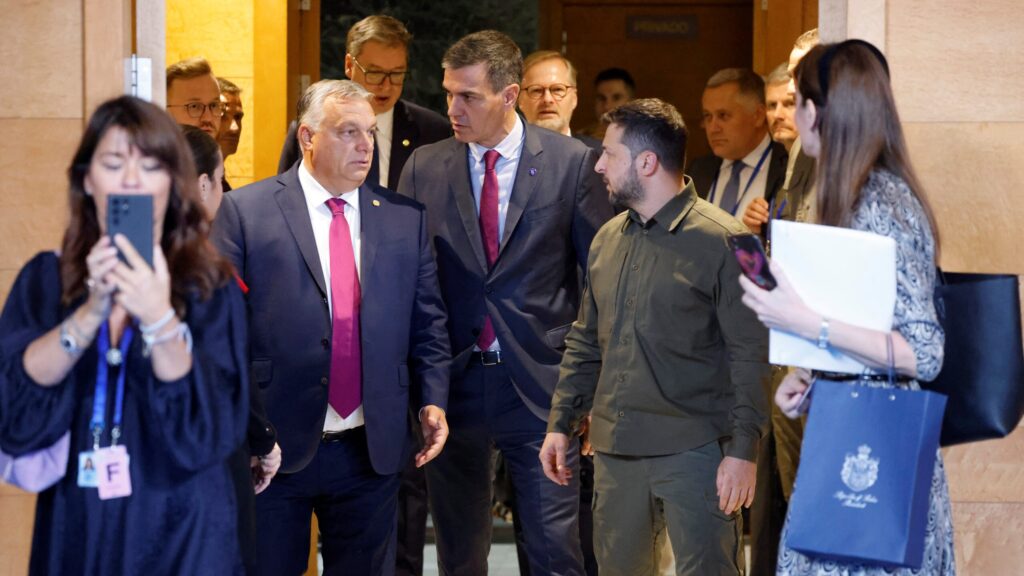
Hungarian Prime Minister Viktor Orbán has accused Ukraine’s leadership of ‘bandit behaviour’ toward Hungary and rejected what he described as political pressure from Kyiv during an interview on Kossuth Radio on Friday.
Speaking on Kossuth Radio, Orbán addressed several issues from the past days, including the Middle East conflict, the impact of rising energy prices, tensions with Ukraine over oil transit, and migration-related security concerns.
The Prime Minister responded to remarks from Ukrainian President Volodymyr Zelenskyy, saying he did not feel frightened but did not appreciate what he described as a death threat. According to Orbán, the tensions stem from disagreements over Ukraine’s demands toward Hungary. He argued that Kyiv wants Budapest to cut ties with Russian energy supplies and take a stronger stance in support of Ukraine in the war with Russia.
Orbán said Hungary would not comply with those demands. He reiterated that Hungary would not abandon Russian oil supplies, would not provide financial support for the war, and would not support Ukraine’s accession to the European Union, arguing that such a move would harm the Hungarian economy. According to the prime minister, Hungary must resist both pressure and threats. He suggested that Ukraine’s leadership wants a government in Budapest that is more favourable to Kyiv and that political pressure could intensify ahead of Hungary’s next parliamentary election.
Jó reggelt, Magyarország! 2026.03.06.
Jó reggelt, Magyarország! 2026.03.06.
Orbán also claimed that the suspension of oil shipments through the Druzhba pipeline was politically motivated rather than caused by technical problems. He said Ukraine had an international obligation to allow the oil transit but was instead using the issue as leverage against Hungary. The Hungarian government, he added, would continue blocking certain European Union decisions until the situation is resolved. Budapest has already opposed the EU’s 20th sanctions package against Russia and an EU loan intended for Ukraine.
Orbán argued that Hungary was simply exercising its rights as an EU member state, noting that decisions involving the EU budget require approval from member countries. He also warned that Hungary could take additional steps if the dispute continues, including suspending deliveries of certain goods important to Ukraine. At the same time, the prime minister acknowledged that Hungary faces pressure from two directions: the geopolitical tensions in the Middle East and the disruption of oil supplies from the east.
Orbán said Hungary could manage higher energy prices if cheaper Russian oil continues to reach the country, but warned that the government could intervene if fuel prices become unbearable for consumers. He noted that market forces currently determine petrol and diesel prices but stressed that the government would step in if necessary to protect households.
The prime minister also argued that multinational energy companies could benefit from the current situation. He singled out Shell, claiming that if Hungary loses access to cheaper Russian oil, it would have to buy more expensive supplies from Western energy firms.
Orbán also addressed the issue of prisoners of war with Hungarian ties who were recently released from captivity in the Russia–Ukraine conflict. He said two ethnic Hungarians from the Transcarpathia region had regained their freedom and that Hungary would continue negotiations to secure the release of others who may have been forcibly conscripted into the Ukrainian military.
Turning to the escalating tensions in the Middle East, the prime minister said the Hungarian government was working to evacuate citizens from the region. Special flights have already been launched, and several thousand people could require assistance returning home. He urged Hungarians currently in the region to remain patient, noting that evacuation flights can only operate once the airspace is considered safe.
‘Hungary would continue negotiations to secure the release of others who may have been forcibly conscripted into the Ukrainian military’
Orbán also warned that instability in Iran and the broader Middle East could trigger a new migration crisis affecting Europe. Drawing parallels with the Syrian civil war, he said large numbers of migrants could once again attempt to reach the European Union. According to the prime minister, Hungary remains firmly opposed to the EU’s migration policy and will continue to resist what he described as pressure from Brussels to accept migrants. He also linked migration to security risks, arguing that rising migrant numbers in Western Europe have increased the threat of terrorism and public disorder in cities such as London, Paris, and Stockholm.
Hungary, he said, has avoided these problems due to its strict border policies, although authorities have strengthened border controls and monitoring in response to the current geopolitical tensions.
Orbán concluded by warning that the coming years could be particularly dangerous for Europe. He said the European Union’s evolving military strategy and continued confrontation with Russia could lead to heightened global instability.
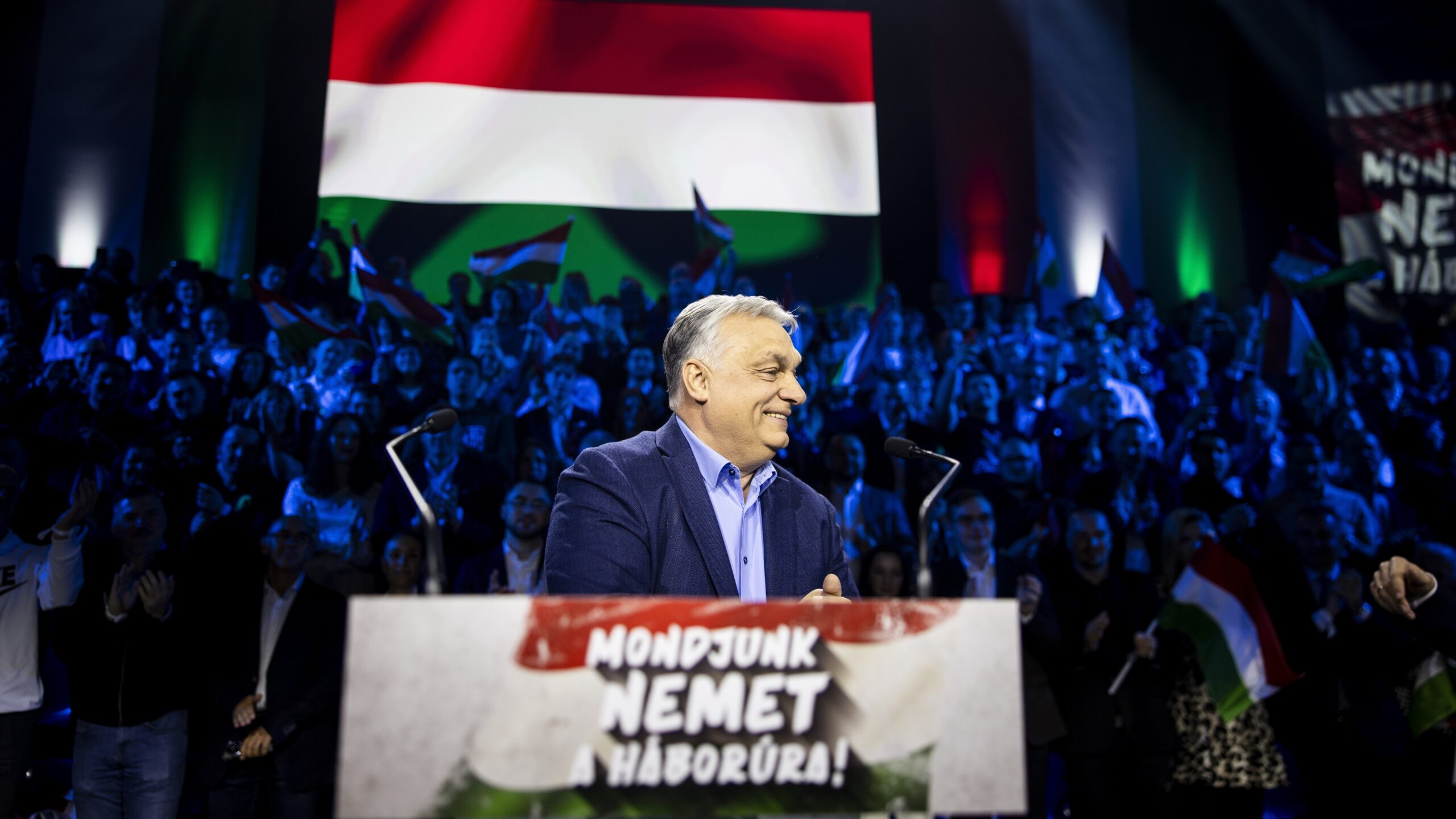
‘The key words of the next four years will be security and staying out of war,’ Orbán said, arguing that Hungary’s primary objective should be avoiding involvement in armed conflicts.
Related articles: