Hungary’s government will conduct a full audit of the Hungary Helps Agency, reviewing every previously signed contract and completed payment, Deputy Foreign Minister György László Velkey announced on Monday.
‘We have to inspect the agency from top to bottom,’ Velkey said, adding that the government still intends to use Hungary Helps as a central instrument for assisting communities affected by conflict, natural disasters, inequality and poverty in their home regions. A public competition has also been opened for a new chief executive, with applications due by 15 September.
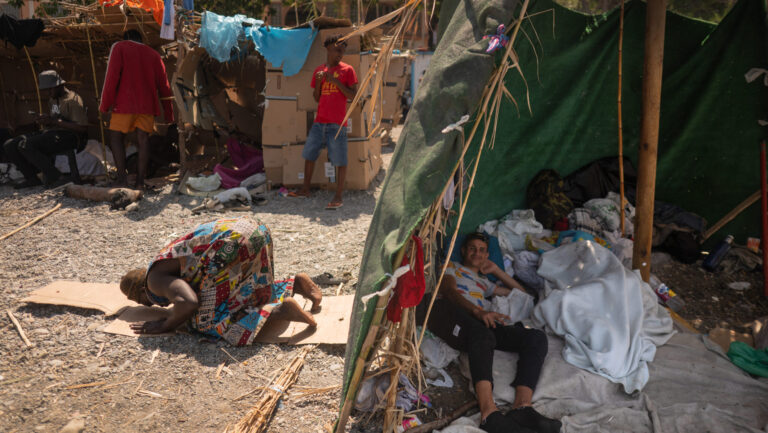
Hungary Helps was launched as a government programme in 2017, with a particular focus on persecuted Christians and other religious communities, while the implementing agency was established in 2019. Its approach has combined humanitarian assistance, reconstruction and development projects with the previous government’s policy of delivering assistance locally rather than encouraging displaced communities to move to Europe.
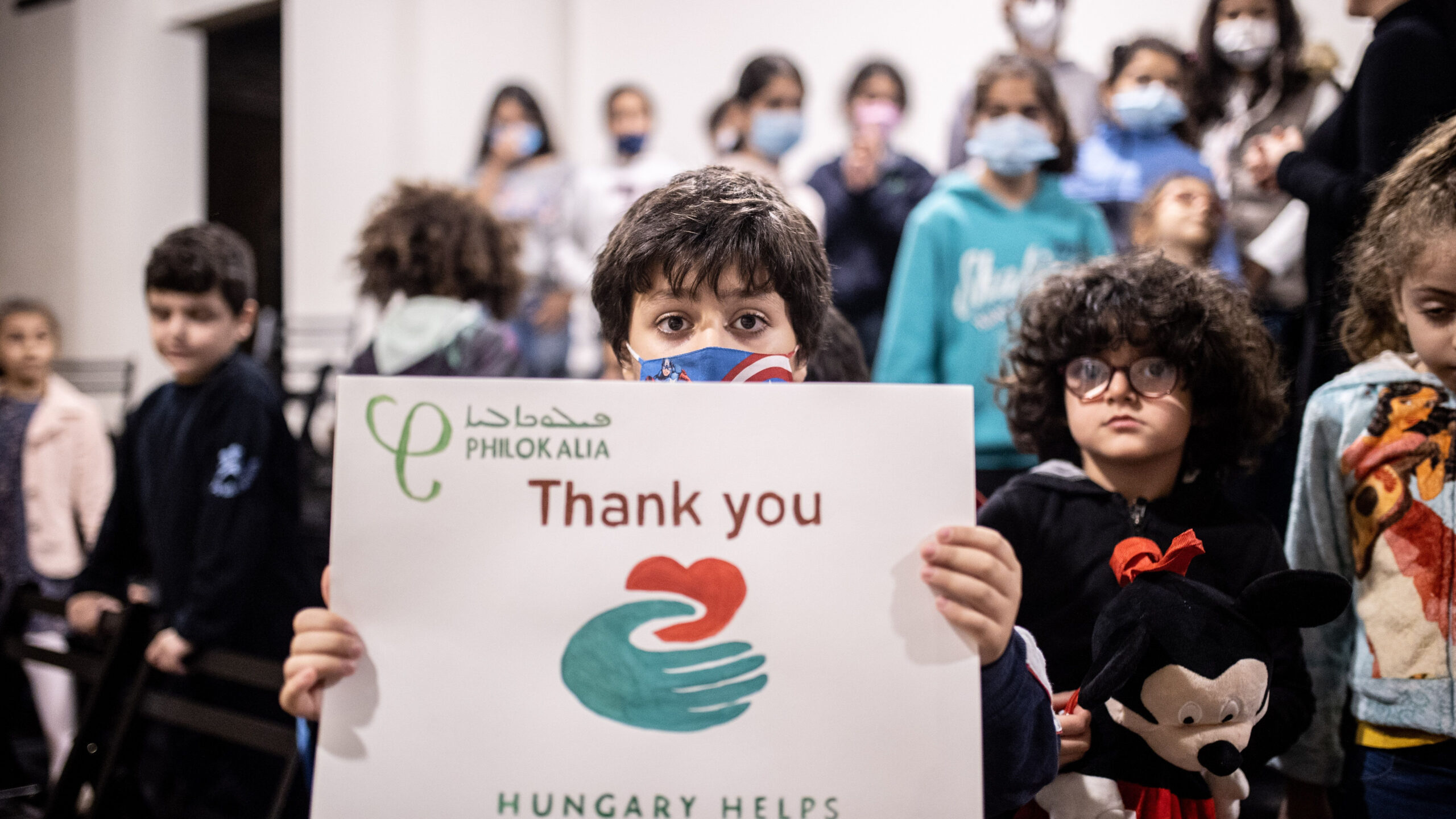
The programme has since developed into one of Hungary’s main channels for bilateral humanitarian assistance. According to Hungary Helps, more than 500 projects have been implemented in over 60 countries since 2017, reaching 2.5 million people by helping them remain in their homeland, return home or improve their living conditions. In March, then-deputy prime minister Zsolt Semjén put the number of countries at 68.
‘The programme has since developed into one of Hungary’s main channels for bilateral humanitarian assistance’
Hungary Helps also received international recognition in Washington in February this year for its work supporting persecuted Christians and religious minorities. Days later, the agency signed a memorandum of understanding with the US State Department covering religious freedom, public-private partnerships, peace and reconciliation.
The programme has also received substantial public funding. An analysis of published Hungary Helps data by transparency watchdog K-Monitor found that HUF 28.3 billion (over €76 million) had been distributed through 247 grants by the first half of 2022. The original 2026 central budget provided HUF 2.15 billion (around €5.8 million) for Hungary Helps grants, HUF 950 million (around €2.6 million) for the Scholarship Programme for Christian Young People and HUF 1.64 billion (around €4.4 million) for the agency’s professional operations—around HUF 4.74 billion (€12.7 million) combined.
The audit could therefore cover a wide range of programmes in the Middle East, Africa and elsewhere. Velkey did not identify individual projects for investigation, but his pledge to review every contract and payment means both completed and ongoing programmes may come under scrutiny.
Among the most politically sensitive is Hungary Helps’ expansion into Chad. The Foreign Ministry provided HUF 817 million (around €2.3 million) for a humanitarian, training and development centre there. Reporting based on the agency’s business plan found that HUF 311 million (around €860,000) was earmarked for humanitarian programmes, with other spending covering staff, vehicles and fuel. The funding attracted scrutiny because preparations preceded the public announcement of Hungary’s broader Chad mission.
Large Middle Eastern programmes will also fall within the audit’s broad remit. Syria and Iraq have been long-standing priorities, with funding used for schools, churches, housing and community reconstruction. Earlier this year, Hungary Helps said planned 2026 assistance included renovating schools and churches in Syria, helping children in Pakistan, rebuilding a church in Iraq and providing healthcare support in Nigeria.
The agency also administers the Scholarship Programme for Christian Young People and operates offices in N’Djamena and Amman. Its published records include EU-supported projects as well as direct Hungarian grants and operational contracts.
The government has so far given no indication that Hungary Helps itself will be abolished. Velkey instead said the agency would continue to play a key role, but would be placed on ‘new foundations’, with transparency and clean operation made explicit requirements for its next leadership.
Related articles:
At a time when public debate is increasingly polarized and superficial, Hungarian Conservative remains committed to depth, intellectual honesty, and independent conservative thought.
Producing high-quality journalism requires resources. Your contribution helps us expand our coverage, reach new audiences, and keep our content accessible.

Please consider supporting our mission.