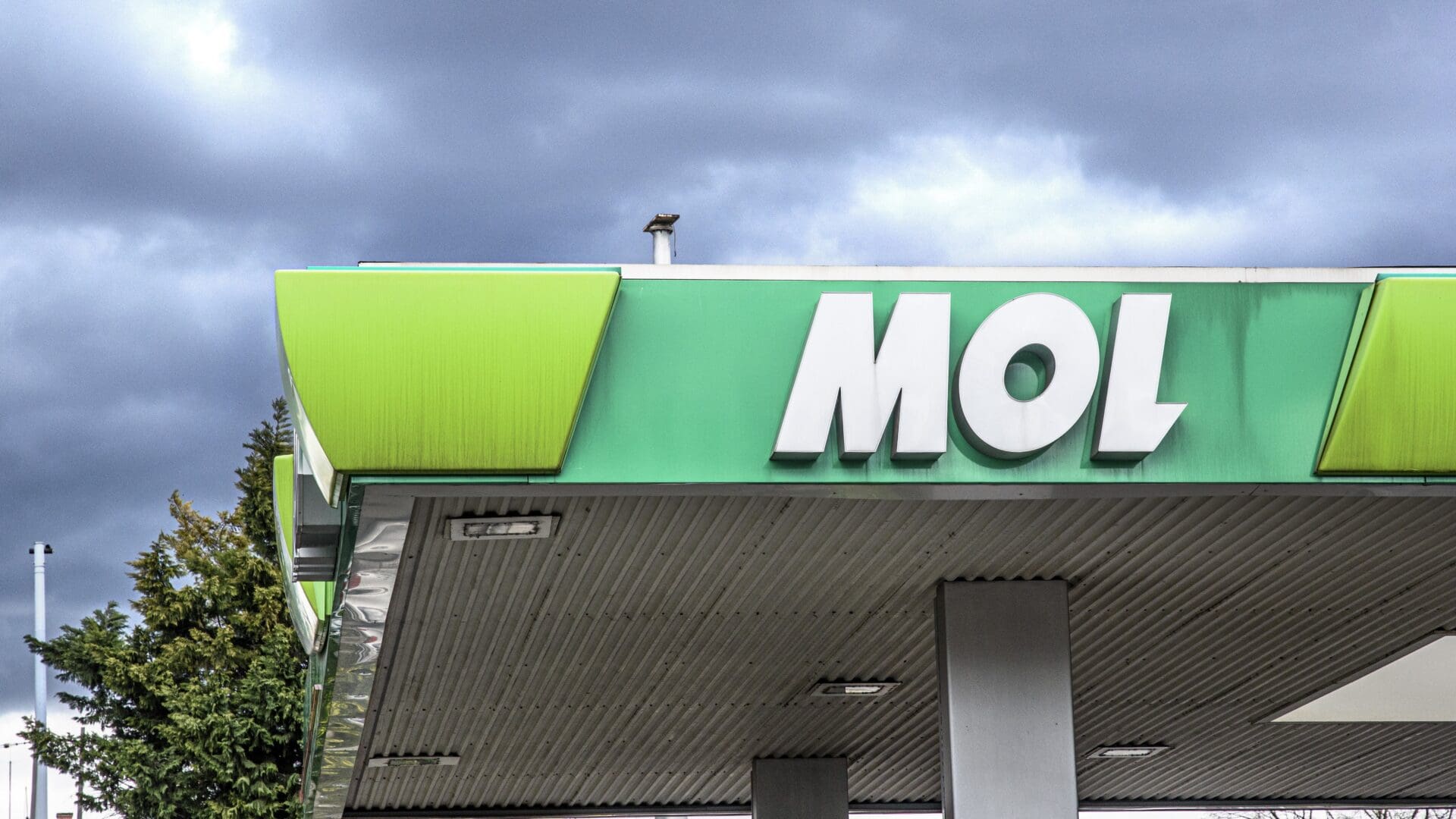
Hungarian fuel prices have risen above the regional average following the removal of the government’s protected-price scheme, leaving motorists able to find cheaper petrol or diesel in several neighbouring countries.
European Commission data for 6 July put the average Hungarian price of 95-octane petrol at approximately HUF 582 per litre and diesel at HUF 591. Petrol was around HUF 19 cheaper in Croatia and was also less expensive in Slovenia, while diesel cost approximately HUF 9 less in Croatia. Slovenia likewise offered lower prices for both fuels, while Slovak diesel remained considerably cheaper than in Hungary.
Although Hungary was not the most expensive country in Central Europe—Austria, Slovakia, and Romania recorded higher petrol prices in the same bulletin—its prices exceeded the average of neighbouring EU member states. The difference has been attributed partly to Hungary’s 27 per cent VAT rate and the special retail tax imposed on filling-station operators.
The shift came less than two weeks after Hungary abolished the fuel-price cap introduced by the previous Orbán government during the spring energy shock. The scheme, which ended on 26 June, had limited petrol to HUF 595 and diesel to HUF 615 per litre for eligible Hungarian vehicles. Prime Minister Péter Magyar’s government decided to remove it after declining international oil prices pushed market prices below the regulated levels.
The decline may prove temporary. Renewed hostilities involving Iran have again raised concerns about shipping through the Strait of Hormuz, through which a substantial share of global oil supplies passes. Oil prices jumped after the US–Iranian ceasefire began to unravel and attacks threatened tanker movements through the strategic waterway.
Meanwhile, Russia’s temporary diesel-export ban has tightened international supplies and pushed European diesel-refining margins to record levels. The Hungarian Petroleum Association warned that these pressures could return domestic prices to the former cap levels within a short period.
Economy and Energy Minister István Kapitány has meanwhile said that the strategic oil released to support the protected-price system has been fully replenished, restoring Hungary’s combined oil and fuel reserves to the equivalent of 87 days of imports. Subsequently, the ministry told ATV that Hungary’s domestic supply remained secure and that it was monitoring market developments. It added that it currently saw no justification for government intervention.
Related articles:
At a time when public debate is increasingly polarized and superficial, Hungarian Conservative remains committed to depth, intellectual honesty, and independent conservative thought.
Producing high-quality journalism requires resources. Your contribution helps us expand our coverage, reach new audiences, and keep our content accessible.
Please consider supporting our mission.