Hungary’s official campaign period for the upcoming parliamentary election begins on Saturday, marking the point from which voters can formally endorse individual constituency candidates for the 12 April vote. From the same date, voters who have extended their registered nationality status to parliamentary elections may also support the list of their respective minority communities.
Under the election procedure law, prospective candidates can collect endorsement sheets from constituency election offices starting on Saturday. Only these official forms may be used to gather voter endorsements. Requests for endorsement sheets could already be submitted to the constituency offices before 21 February, but the documents themselves may only be issued from the start of the official campaign period.
Each endorsement sheet carries a unique identifier and includes details provided by the election office, such as the type of election, the name of the aspiring candidate, the nominating organization or the fact that the candidate is running independently, as well as the relevant constituency.
A voter may support more than one candidate. However, individuals become official candidates only if they collect at least 500 valid endorsements and are subsequently registered by the constituency election committee. The validity of endorsements requires the voter’s handwritten signature, although other personal details may be filled in by another person in the presence of the voter. Data appearing on endorsement sheets may not be used to create voter databases or for any other purpose.
The law also prohibits offering financial compensation to voters in exchange for endorsements. At the same time, activists working for candidates or political parties may be paid for their work during the campaign. Constituency election offices verify endorsements by checking whether the voter’s details match those in the official electoral register and whether the endorsement was made within the voter’s place of residence constituency.
Authorities may still accept endorsements if minor discrepancies exist between the data on the sheet and the electoral register, provided the voter can be clearly identified. Such minor differences may include omitting an academic title, listing only one of several given names, or using an abbreviated version of the settlement name in the address.
After the endorsement collection period ends, candidates and nominating organizations must return all endorsement sheets to the election office, including those that remain unused. Sheets containing endorsements must be returned by 6 March at 4pm, while blank sheets must be submitted no later than 7 March at 4pm. Failure to meet these deadlines can result in a fine of 1,000 forints per sheet.
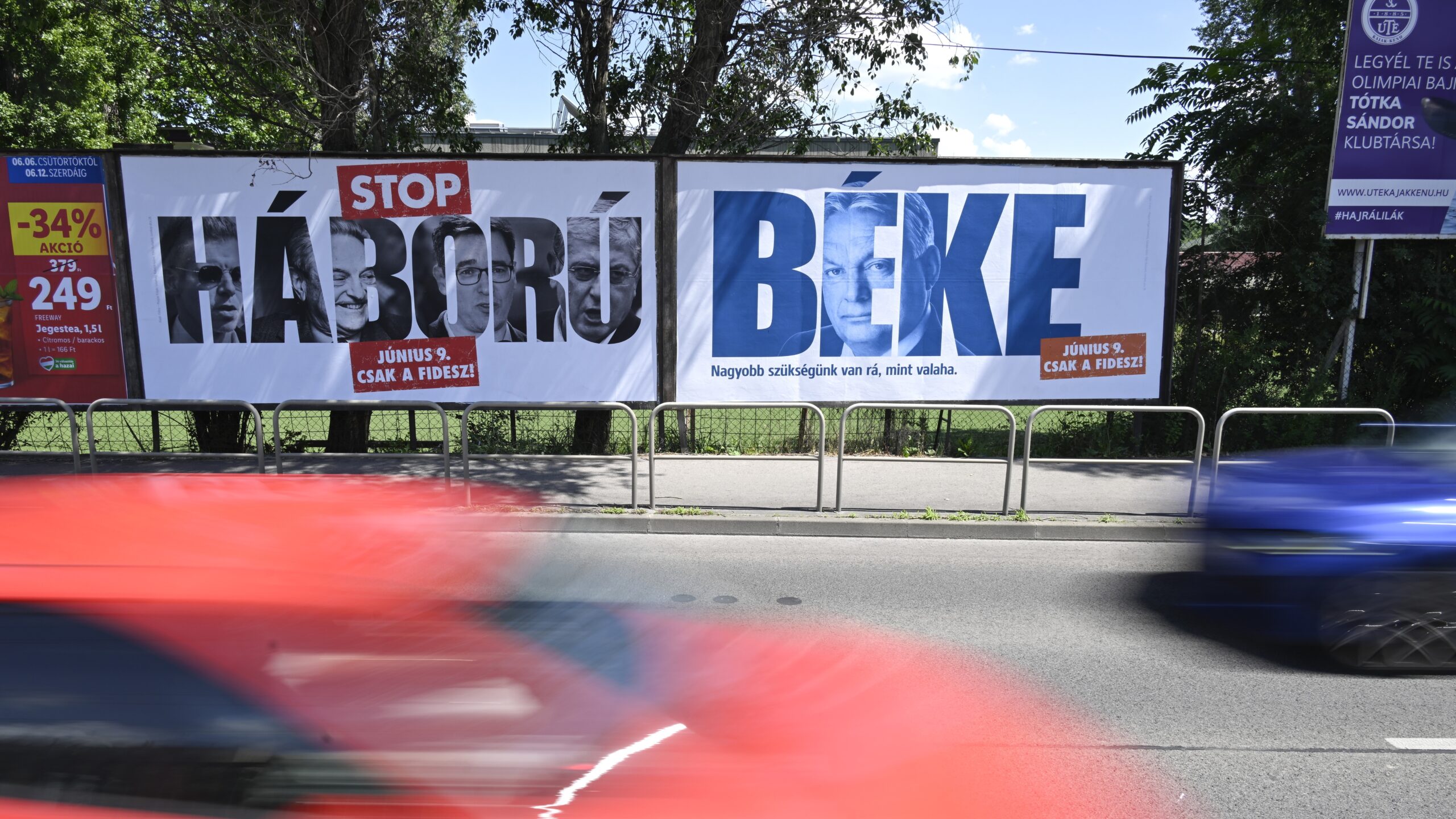
The start of the campaign period also brings into force the rules governing campaign activities. According to the law, campaign activity includes any action aimed at influencing or attempting to influence voters. Campaign tools may include posters, direct outreach to voters, political advertising, political promotions and campaign events.
Certain activities are not considered part of the election campaign. These include the work of election authorities, personal communication between private individuals regardless of its content or form, and activities carried out by institutions such as the Constitutional Court, courts, local governments or other state bodies in the course of their legally defined duties.
Until the end of the campaign period, which lasts until voting concludes, candidates and nominating organizations may produce campaign posters without prior permission, regardless of size or material. However, all campaign materials must clearly indicate the publisher’s details, including the name, headquarters and the person responsible for publication.
Posters may be displayed freely during the campaign, but placing them on privately owned property requires the consent of the owner or tenant. On state or municipal property, prior written approval must be obtained from the relevant authority managing the property. Posters may not be placed on protected monuments, architectural heritage sites, protected natural areas or buildings used by state or municipal authorities.
They must also be positioned in a way that does not cover posters of other candidates or organizations and can be removed without causing damage. Unlike previous regulations, local governments may no longer introduce additional restrictions on poster placement beyond those set out in the law.
Social media platforms provide users with channels to share messages and opinions, including political advertisements. Responsibility for any content and potential legal violations rests with the creator, publisher or distributor of the material. During the campaign period, candidates and nominating organizations are permitted to publish political advertisements and promotional content.
Related articles: