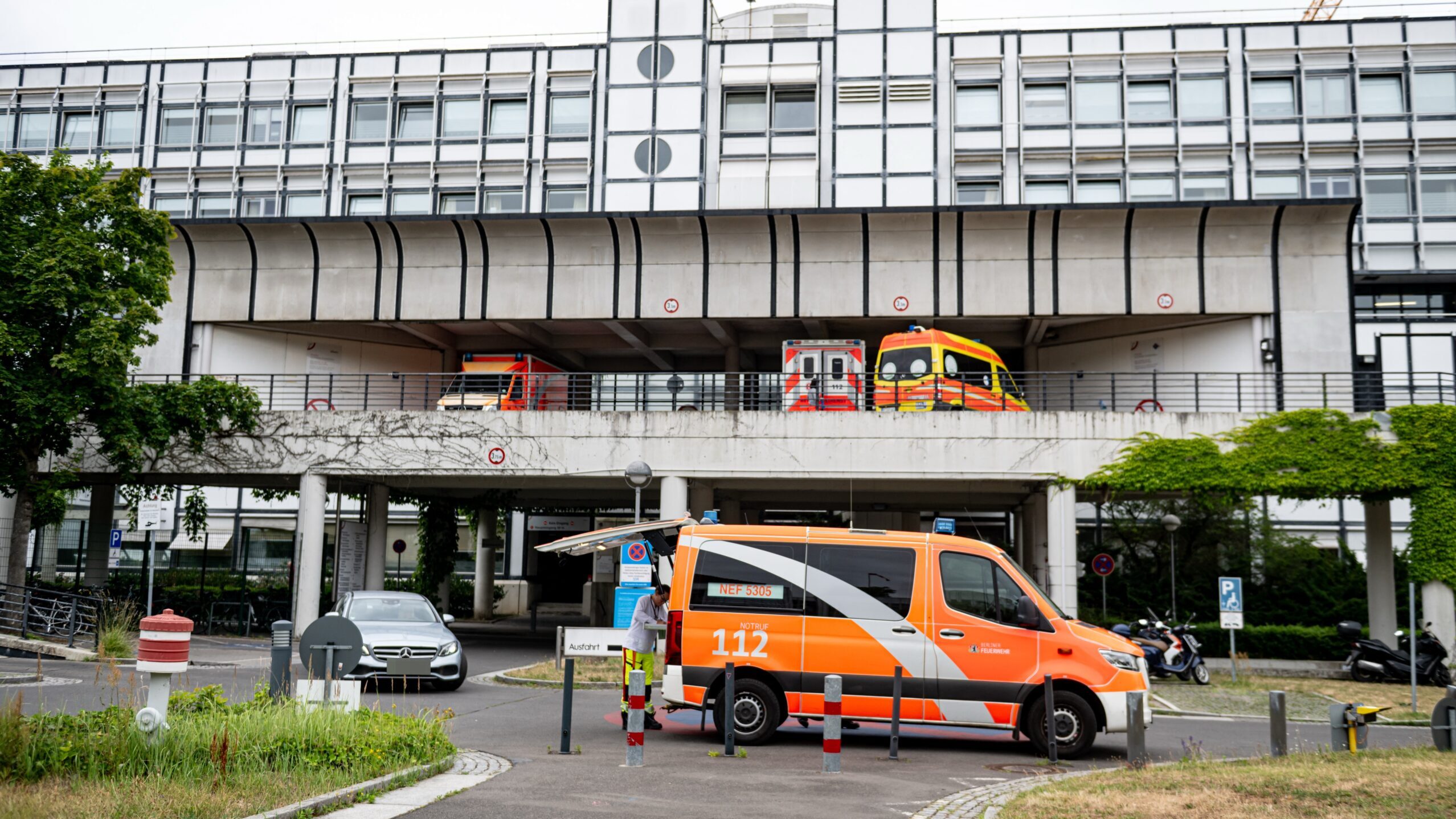
A Berlin emergency nurse has described how treating members of Arab criminal clans can turn hospital wards into security operations, with police called in, large groups of family members flooding into facilities and medical personnel taking precautions to protect themselves.
Speaking to Welt under the pseudonym Felix Wolf, the nurse said he has worked in a Berlin hospital for around ten years. He described gunshot and stabbing victims as a recurring feature of emergency work and said some of those involved are increasingly young. When certain surnames associated with known Arab clan families appear, he said, staff alert security and police.
Wolf said relatives can arrive rapidly after a clan member is admitted, mobilizing through dedicated Telegram groups. He described situations in which medical personnel face intimidation and threats if an injured relative’s condition deteriorates. According to a separate account of his testimony, he no longer wears a name badge because he fears being identified outside the hospital.
The nurse said he also changes how he deploys staff when treating young Arab or Muslim men. ‘If two Arab boys have to be treated, I don’t send two girls in,’ he told Welt, saying he ensures a male colleague is present. Wolf also said he tries to keep colleagues with recognizably Jewish surnames away from such cases.
His account comes as Berlin records rising clan-related crime. The city’s latest official situation report identified 685 people as belonging to the clan-crime milieu. Police recorded 952 offences involving 342 suspects in 2025, with violent and coercive offences accounting for 23 per cent. Recorded offences increased by 12 per cent from the previous year.
The underlying and main driver of Germany’s Arab clan problem is decades of mass immigration. Many of Berlin’s established clan structures trace their roots to Lebanese and Palestinian Lebanese migrants who arrived during and after Lebanon’s civil war in the 1980s and early 1990s. Among them were Mhallami extended families whose earlier roots lie in south-eastern Türkiye and who had settled in Lebanon before migrating to Germany.
More recently, German authorities have increasingly investigated whether similar structures are developing among parts of the much larger Syrian population that arrived following the migration crisis beginning in 2015. An analysis by North Rhine-Westphalia police found clan-crime links among Syrian-origin suspects in individual cases and warned of the potential for more entrenched criminal organizations to emerge.
Related articles:
At a time when public debate is increasingly polarized and superficial, Hungarian Conservative remains committed to depth, intellectual honesty, and independent conservative thought.
Producing high-quality journalism requires resources. Your contribution helps us expand our coverage, reach new audiences, and keep our content accessible.

Please consider supporting our mission.