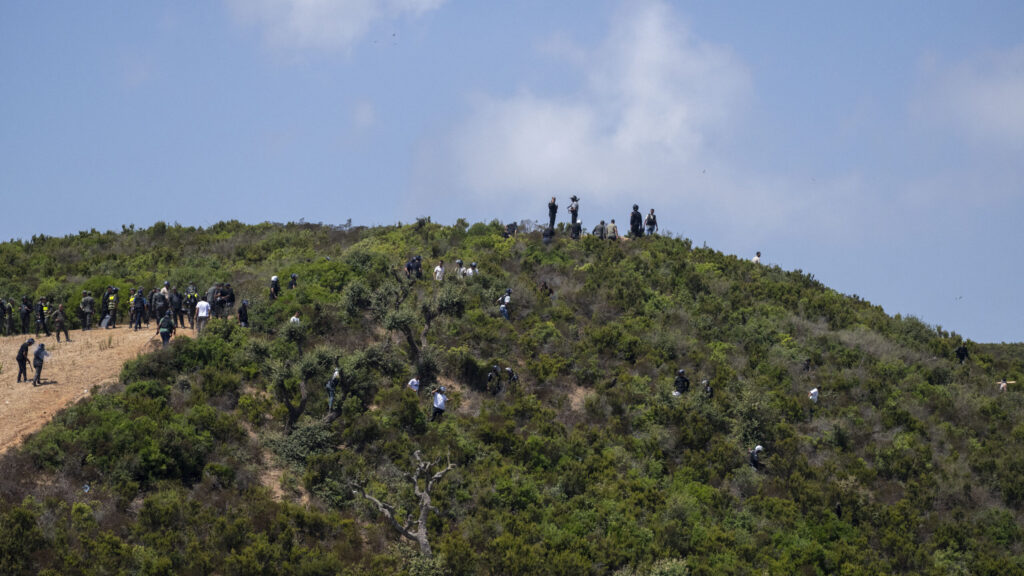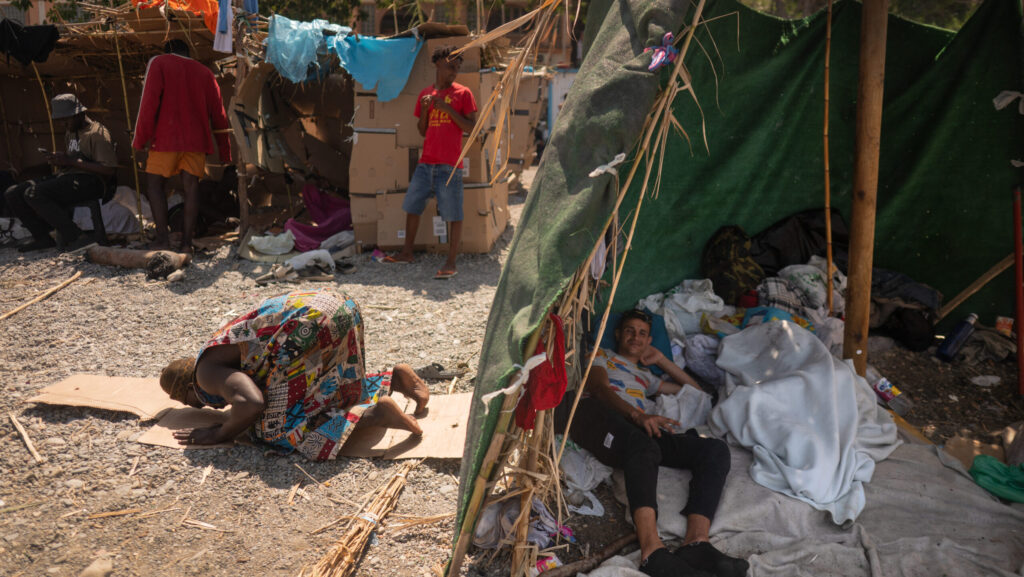
At least four migrant boys have been sexually assaulted and remain hospitalized in Ceuta, according to Laura García, spokeswoman for JUPOL, Spain’s largest National Police union. She said the boys were among a growing number of victims being treated following the 30–31 July illegal invasion of around 80,000 migrants from Morocco.
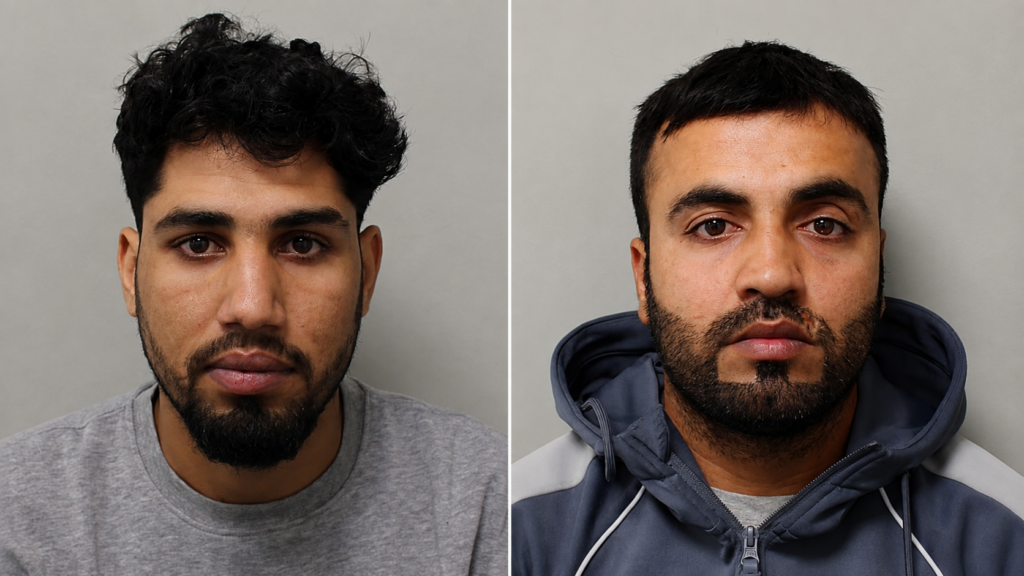
The cases are among ‘well over a dozen’ such incidents, according to police sources, with El Faro de Ceuta reporting that at least 13 judicial proceedings involving rape and sexual assault had been opened, covering 14 victims as of 20 August. Twelve of the victims were Moroccan; two of the four suspects also arrived during the invasion. Many of the cases involve minors.
While both the number of illegal migrants remaining in the city and the proportion of minors among them remain uncertain, the administration of the Spanish enclave said that its child protection system was operating at more than 4,600 per cent of normal capacity, adding that it was directly caring for about 1,350 minors as of 19 August.
Madrid said police had identified 2,168 minors since the invasion, while NGOs put the number even higher, claiming that around 4,000 are still in the enclave.
The National Police have meanwhile sent specialists in trafficking and sexual exploitation to Ceuta amid fears that unaccompanied girls could be ‘drawn into prostitution’.
Pedro Sánchez’s Socialist government, which has claimed from the very beginning that it controls the situation, is preparing to rapidly move about 500 migrant girls to specialized facilities in mainland Spain to ease pressure on the local child protection system.
The plan has already triggered opposition from conservative regional governments and migration-control groups, which argue that the minors should be returned to their families or countries of origin rather than distributed across mainland Spain. They argue that Sánchez would use the emergency situation to push another redistribution mechanism for permanent settlement on the peninsula.
The government’s migration policy has already come under heavy criticism since the invasion, with opponents arguing that its extraordinary regularization scheme—which received 1.17 million applications between April and June—acts as a powerful pull factor for further mass migration.
‘The plan has already triggered opposition from conservative regional governments and migration-control groups’
Independent reporting indicates that a disinformation campaign on Moroccan social media surrounding the regularization scheme, as well as a recent Supreme Court ruling prohibiting immediate pushbacks for sea arrivals, contributed significantly to the scale of the invasion.
The European Commission, reacting to the plan, reiterated that it expected illegal migrants to be returned to Morocco, suggesting that Brussels is far from enthusiastic about Sánchez’s handling of the crisis. EU member states, led by Italian Prime Minister Giorgia Meloni and Danish Prime Minister Mette Frederiksen, had already condemned Sánchez’s wider migration policy, with Rome reintroducing border checks on non-EU nationals arriving from Spain, prompting a diplomatic escalation between the two countries.
Related articles:
At a time when public debate is increasingly polarized and superficial, Hungarian Conservative remains committed to depth, intellectual honesty, and independent conservative thought.
Producing high-quality journalism requires resources. Your contribution helps us expand our coverage, reach new audiences, and keep our content accessible.

Please consider supporting our mission.