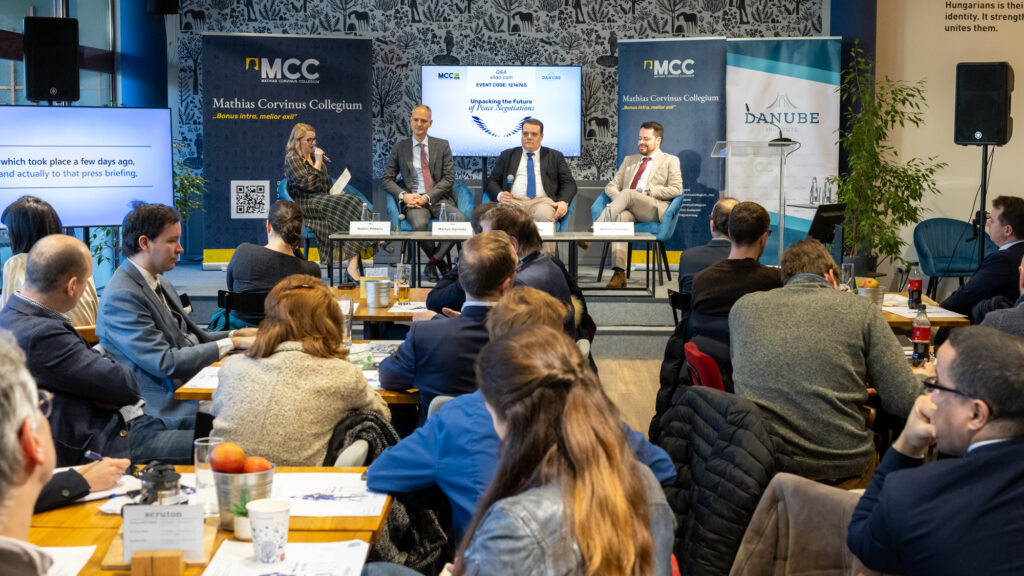
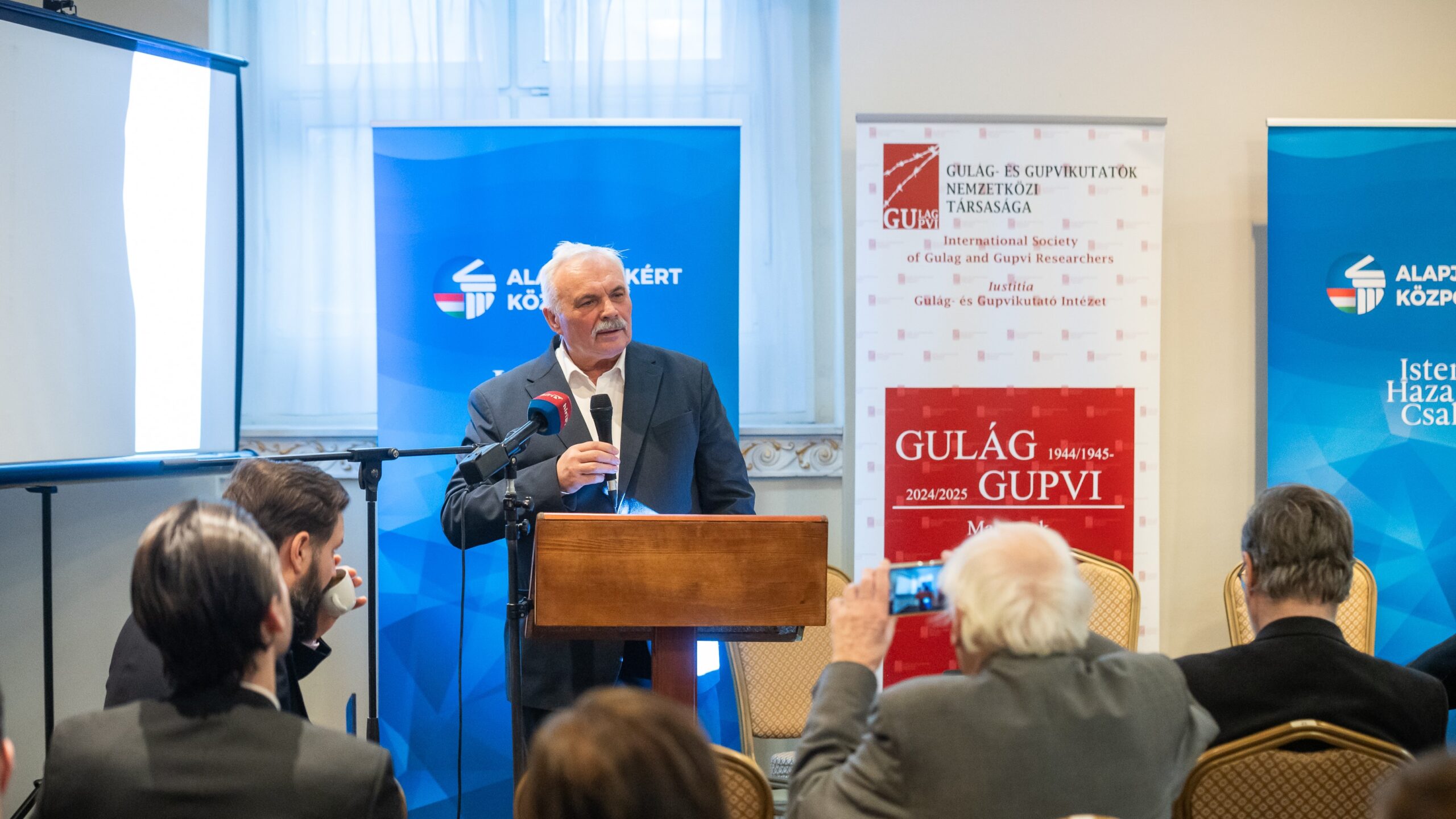
The International Society of Gulag Researchers, in cooperation with the Transcarpathian Alliance and the Center for Fundamental Rights, hosted a launch event for a new book titled The Human Cost of War by the people at the Gulag Researcher Society. The event took place at the research organization’s headquarters near the City Park in Budapest, Hungary, on Wednesday, 18 February; while the book is about the memory of the 1 million Hungarian people who were relocated to Soviet forced labour camps following World War II.
This grave tragedy of Hungarian history is known as ‘the Malenkiy Robot’. The phrase itself is bitterly ironic: it is the Hungarianized version of the Russian phrase ‘маленькая работа’, meaning ‘a little work’.
Strategic Director of the Center for Fundamental Rights István Kovács gave the first speech of the evening. He told the audience that the Center proudly stands by the publication of this book. While the word ‘cost’ in the title typically refers to a numerical value, it is way more than just numbers in the case of war. Hence, the word ‘human’ was added to it as a qualifier, the speaker explained.
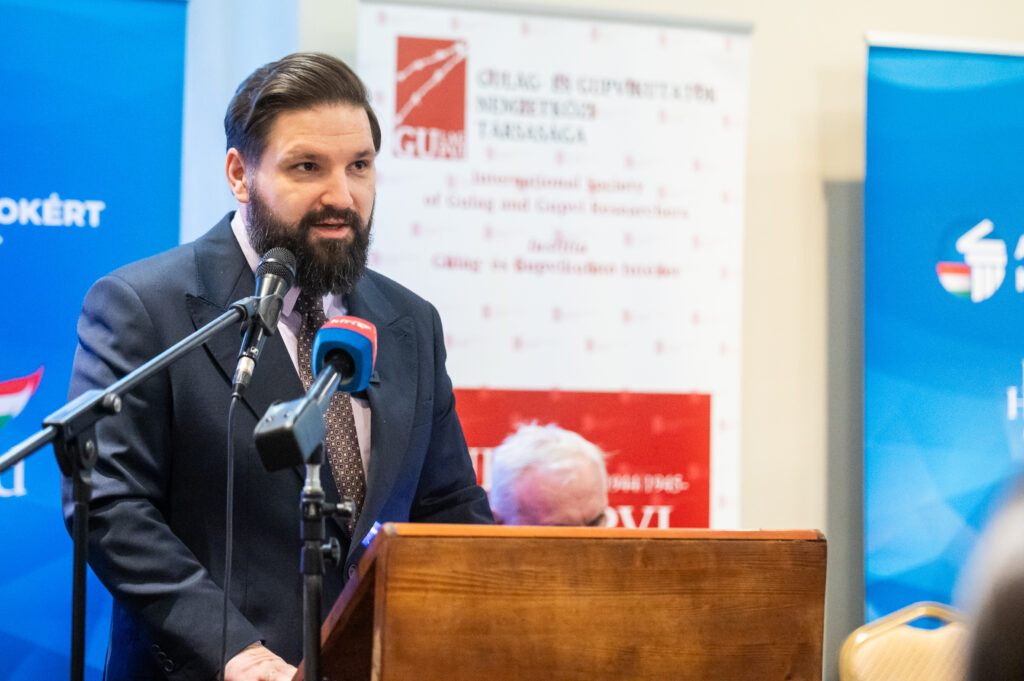
He also shared that Hungary was trying to avoid getting involved in either of the World Wars, which he backed up with contemporary quotes by the two then-Prime Ministers, István Tisza and Pál Teleki. However, the country ended up joining the war in both cases: 661,000 people of the Kingdom of Hungary perished in World War I, and around one million Hungarians died in World War II, he pointed out. Similar to the intentions of the old Prime Ministers, the current Hungarian government is doing everything to keep out of the Russo–Ukrainian war, he noted.
Mr Kovács commemorated the around one million Hungarians who were forcefully relocated to Soviet labour camps after World War II, many of whom were civilians and not military men, and about a third of whom never returned, he shared.
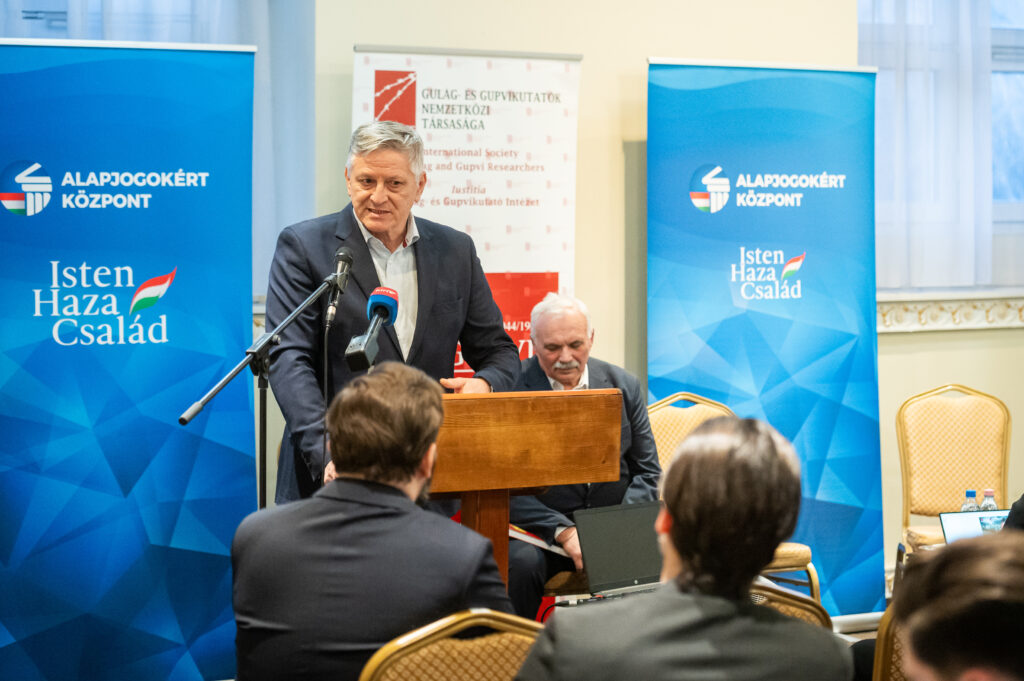
Chairman of the Transcarpathian Alliance István Grezsa spoke of more topical issues. He stated that peace or war is a major theme in the campaigns in the Hungarian parliamentary election, taking place less than two months from now. There is also a ‘generational divide’ on this topic, he went on to say, with the younger generation thinking that caution about getting involved in the Russo–Ukrainian war is just fearmongering. Meanwhile, the older generation, who have more personal experience with the major international conflicts of the 20th century, see it as a much more realistic threat. Mr Grezsa warned that the high gold prices, mandatory military service returning in European countries, and increased military spending by countries are all very reminiscent of the lead-up to World War I.
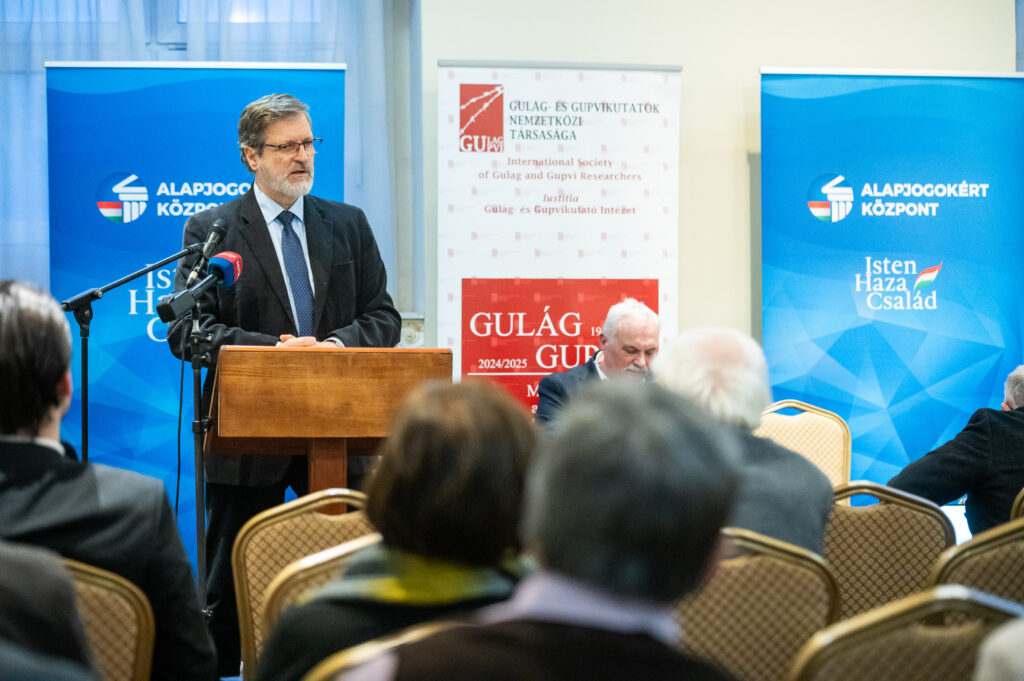
Zalán Bognár, Professor of History at the Károli Gáspár University of the Reformed Church in Hungary and President of the International Society of Gulag Researchers, pointed out that a large portion of the Hungarians forced into Soviet labour camps were from Transcarpathia, and that the region suffered the most in the period after World War II. Not just those serving in the military, he added, but civilians as well, such as the women raped by the occupying Red Army, and the entire families that endured life-long trauma. That is why he is concerned by some politicians in Europe who are now in a ‘war psychosis’, as he put it. He ended his piece with the famous quote by Spanish philosopher George Santayana: ‘Those who cannot remember the past are condemned to repeat it.’
‘High gold prices, mandatory military service returning in European countries, and increased military spending by countries are all very reminiscent of the lead-up to WWI’
Next, Professor Bognár was joined by György Dupka, CEO of the International Society of Gulag Researchers and the Secretary of the Committee of the Szolyva (Svaliava) Memorial Park, and doctoral candidate Brigitta Bimba for a panel discussion.
Mr Dupka recalled the fight he had to take on to convince the local Ukrainian governments to establish the memorial parks in Szolyva and Staryi Sambir in the late 1980s. He eventually managed to convince them to allow the project after showing historical records of the Ukrainian victims of Soviet forced labour. Getting into the history of Transcarpathia, he shared that the local population would have much preferred to join Czechoslovakia (given that the option to join Axis Hungary, the country most people had national sympathies for, was off the table) after World War II. However, the land was eventually awarded to the Soviet Union based on an agreement between Edvard Beneš and Joseph Stalin, against the popular will.
On today’s issues, Mr Dupka talked about the constant stress of potential conscription into the Ukrainian Army that ethnic Hungarians in Transcarpathia have to live with. He brought up the example of a young man in the region, who, according to the speaker, is afraid to leave his home in the daytime, fearing that military surveillance drones would spot him and alert the conscription service. Therefore, he does agricultural work at night and stays home during the day.
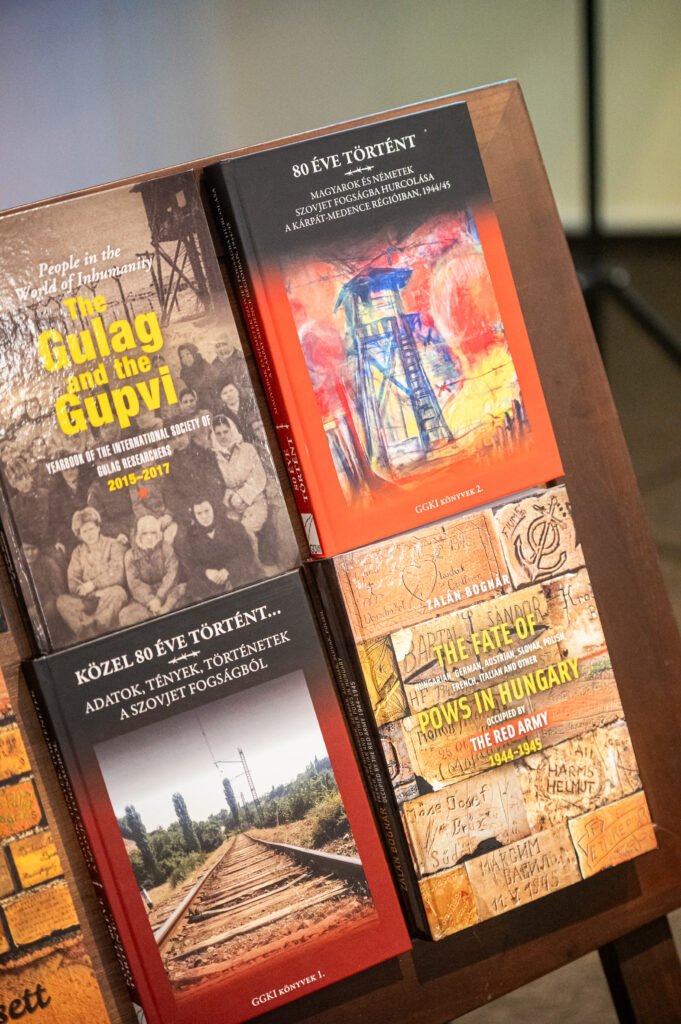
Ms Bimba’s area of doctoral research is the women who suffered sexual assault during the Soviet occupation of Transcarpathia. She told the audience that there is no family in Transcarpathia that does not have someone who suffered personal trauma in the period after World War II, either men forced into Soviet labour camps or women who were raped. These memories, however, were surpassed and rarely talked about even among family members—her family is no exception, she shared. Ms Bimba also honoured the sacrifices of women who walked miles and miles to give some life-saving extra food to their husbands held at labour camps that were located close enough to their hometowns.
Professor Bognár noted the technical distinction between a ‘gulag’—a forced labour camp to which convicted criminals were sent—and so-called ‘GUPVIs’, which were forced labour camps for captured enemy combatants within the USSR. About 99 per cent of the Hungarian victims of the Malenkiy Robot were sent to GUPVIs, he explained, even civilians who were maliciously mislabeled as Prisoners of War. The professor also lamented the lack of sufficient coverage in standard secondary school history textbooks about this tragic period of Hungarian history.
Related articles: