The US–Hungarian relationship is in its heyday.
However, the now regular friendly exchanges between the American president and Hungarian Prime Minister is not a surprising turn in bilateral relations, but rather a culmination of decades of efforts by Hungary to position itself as an accepted partner of the United States.
This process is not just about America. Our country, in one way or another, has been persistently striving to be seen as an equal partner of the Western nations since the end of the Ottoman Conquest age. It was materialized in many economic and political reforms. Hungarian elites were forming political relationships. Academics followed Western intellectuals. The society was embracing Western consumer culture.
There were also long-term projects with long-term goals, which at one point surprisingly materialized in dozens of Hungarian health professionals travelling to Saudi Arabia from the Hungarian winter. It was not just another gesture to the Americans; it was a landmark event in getting back to the Western fold.
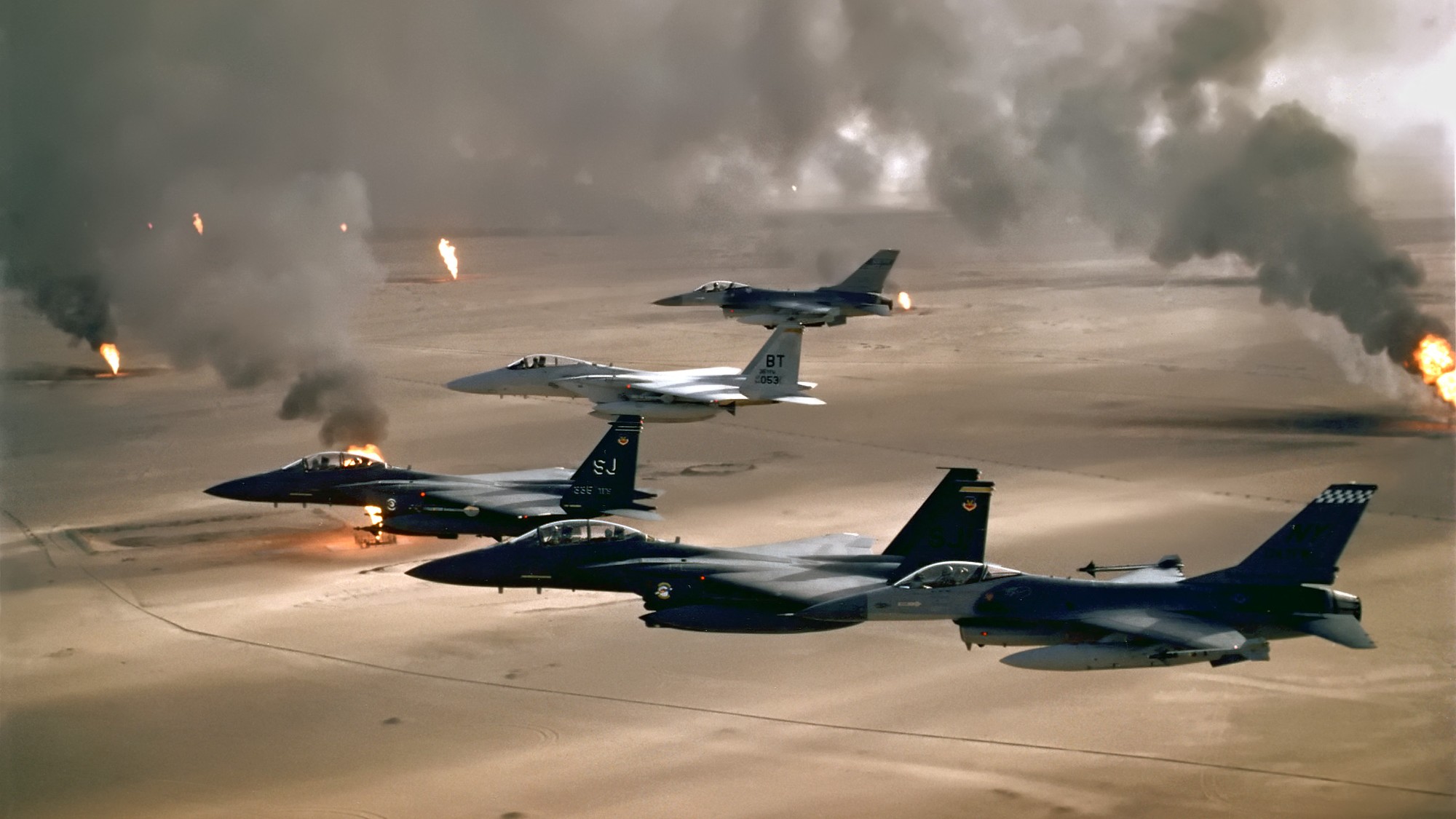
It was about the Gulf War. The Iraqi dictator, Saddam Hussein, occupied the small oil-rich state of Kuwait in August 1990. The West, fearing the region’s destabilization, responded sternly. The United States successfully assembled an international coalition against Iraq, and hundreds of thousands of soldiers of this coalition descended to the Gulf in late 1990 to retake Kuwait if needed.
Most of these were Americans, but there were substantial amounts of personnel from other Western nations, as well as from small Warsaw Pact countries, including Hungary.
The Hungarians simply switched sides when the Soviets withdrew from Central Europe, allowing them to relaunch their historical quest to integrate into the West. The Americans needed international clout behind their action, and the small Central European states wanted to gather a bit of kudos from the primary power of the now-unipolar world.
‘By that time, Hungarian frontline medicine was already at the forefront of contributions to international aid’
Most of Europe tried to contribute in some way, especially the recently democratized post-Soviet states. The Czechoslovakians sent a chemical defence unit to help if the feared Iraqi chemical attacks happened. The Poles sent two ships and a medical unit, and Hungary sent a medical unit as well. The House of Assembly voted for it in a closed session on 18 December 1990, but it was not publicized until the doctors’ group got underway on 14 January, 35 years ago today.
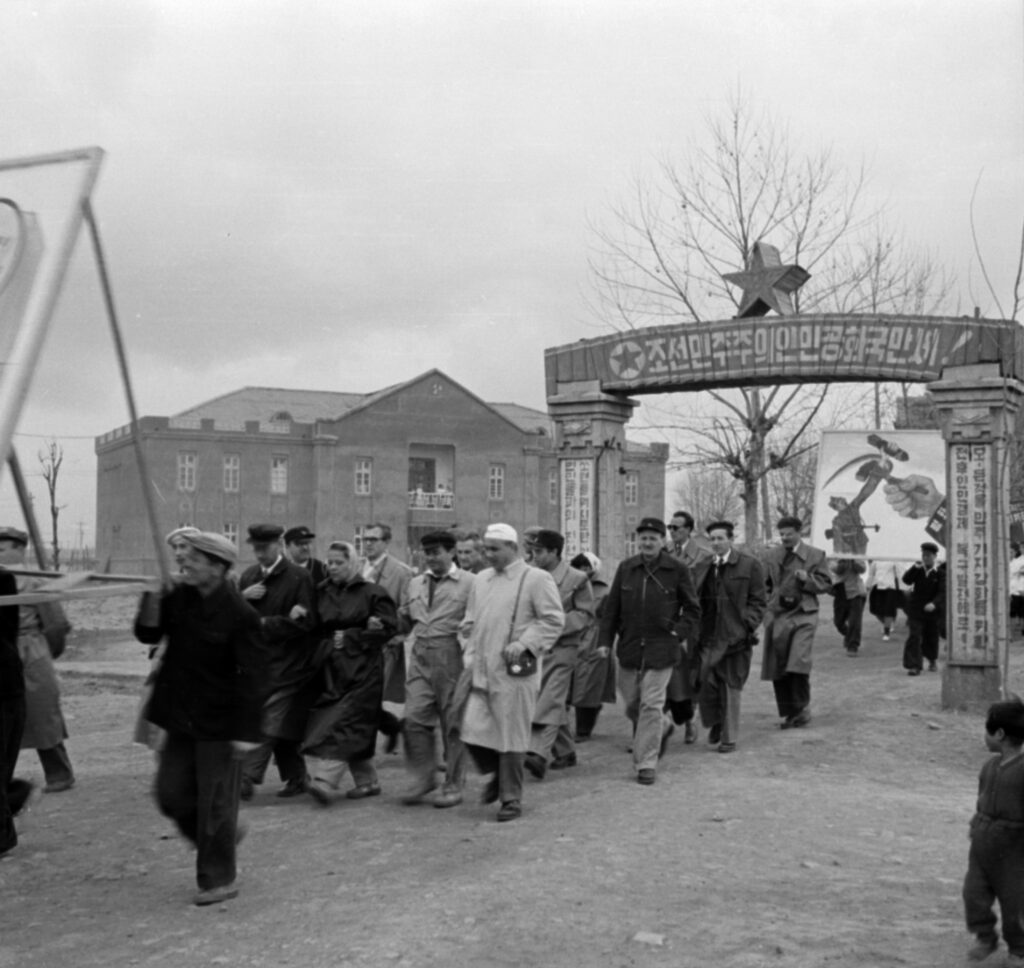
By that time, Hungarian frontline medicine was already at the forefront of contributions to international aid, just on the opposite side from Western armies. Hungarian doctors helped treat North Korean soldiers in the 1950s during the Korean War, setting up an entire hospital under American bombing.
The wounded of Communist Vietnamese, Arab, Latin American and African guerrilla armies flowed into Budapest, to the Honvéd Hospital for extended care or special medical interventions.
A group of 37 was sent to Saudi Arabia in this situation. Two of them were already experienced in Socialist-era frontline medical missions—one, in fact, in Vietnam, on the opposing side of the frontline from US forces. The Hungarian medical group was integrated into the personnel of the King Fahran hospital in the Gulfside city of Dhahran.
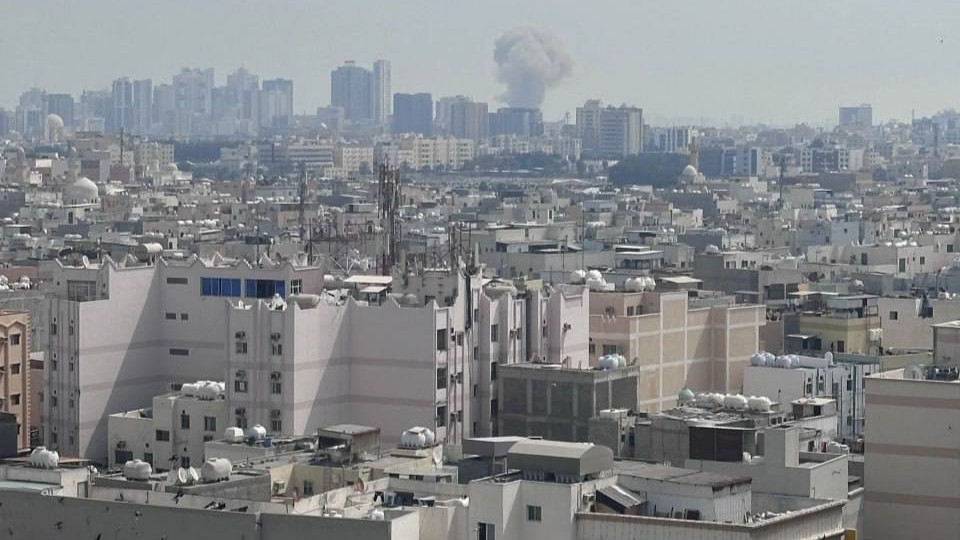
The group occupied a position far from the front lines, but it was nevertheless not far from the action. Just days after the air campaign of Operation Desert Storm started, the Iraqi ballistic missiles started to fall. Dhahran was a major logistics centre of coalition forces, and accordingly, the Iraqis targeted the town.
It was a significant fear that the warheads of these missiles would contain poisonous gases, the ones with which Saddam exterminated whole Kurdish cities in 1988. The Hungarians sat out all missile strikes with their gas masks on their heads.
They found a bit of calm, however, when they discovered that the Iraqis never launch missiles during the designated periods of Islamic prayer during the day, marking out short, peaceful periods.
The Hungarians worked together for the first time after the Cold War with American soldiers, marking the beginning of a long history of modern Hungarian–American comradeship. The Hungarians were just in the right place at the right moment of crisis.
On 25 February 1991, an Iraqi ballistic missile hit the barracks housing a reservist unit of the US Army, leaving 28 dead and more than a hundred wounded. Hungarian doctors operated on multiple casualties of this event, saving American lives. The US ambassadors in Saudi Arabia and Hungary later commended the group, especially for their efforts in the recovery operations.
After six weeks of intensive operations, Iraq was defeated, and the war ended. The Hungarians returned to their homeland in May 1991, leaving behind them the first of many successful Hungarian operations alongside Western allies. Many more were to come.
Related articles: