

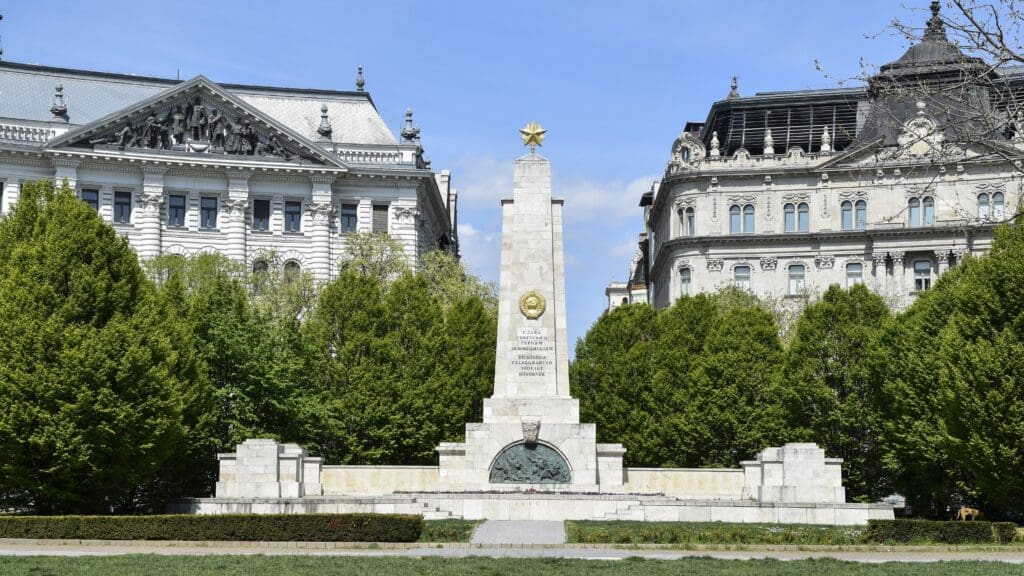
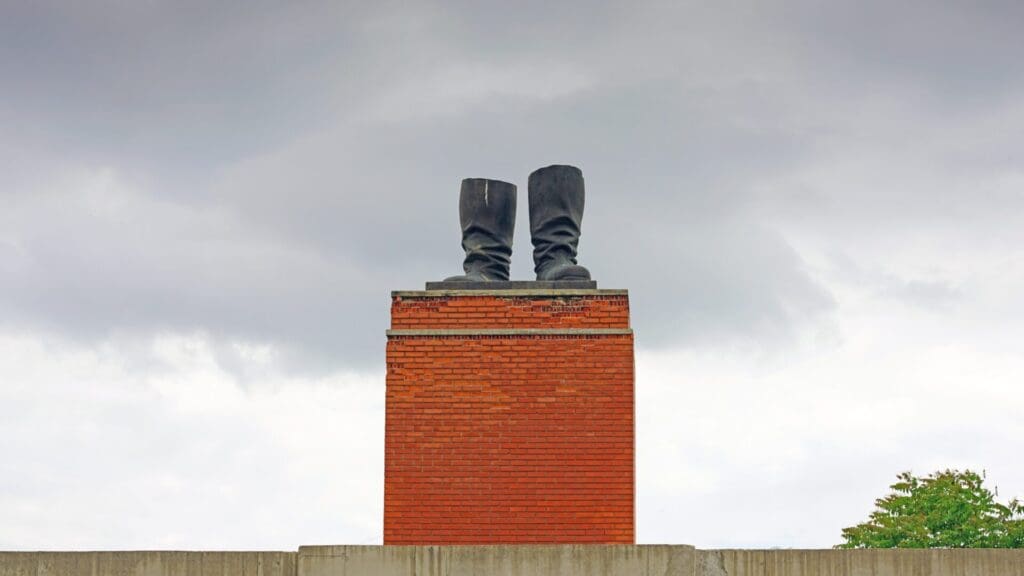
Hungary is not the only country in East-Central Europe that sees unwanted commentary and meddling by Russia with regard to interpretations of its history. The periods the evaluation of which is the most frequently contested by Russia are the Cold War era and World War II. While Russia glorifies the USSR’s effort to defeat Nazi Germany, CEE countries, including Hungary, highlight the 45 years the Red Army spent in Central Europe as an occupying force after the end of World War II.
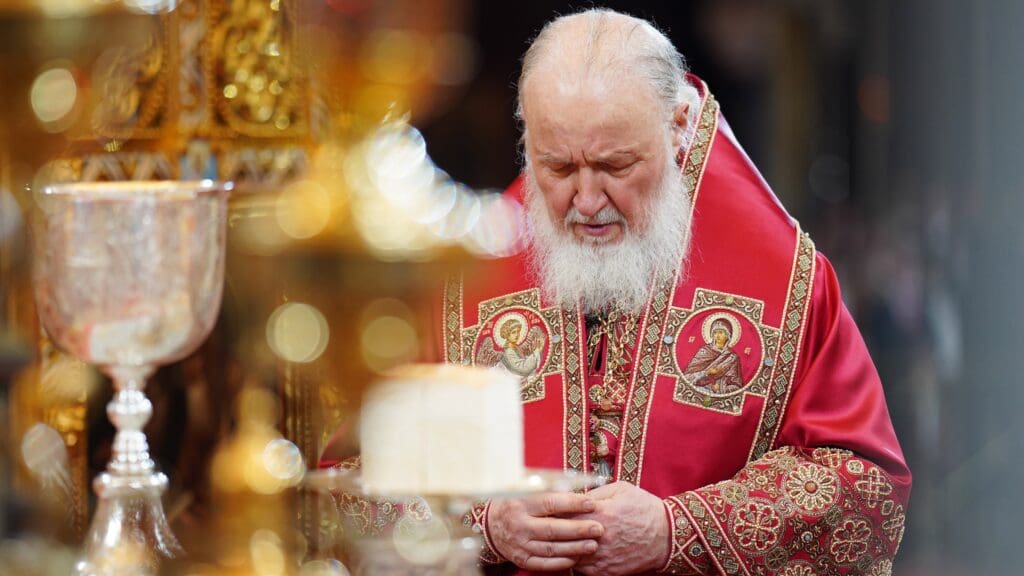
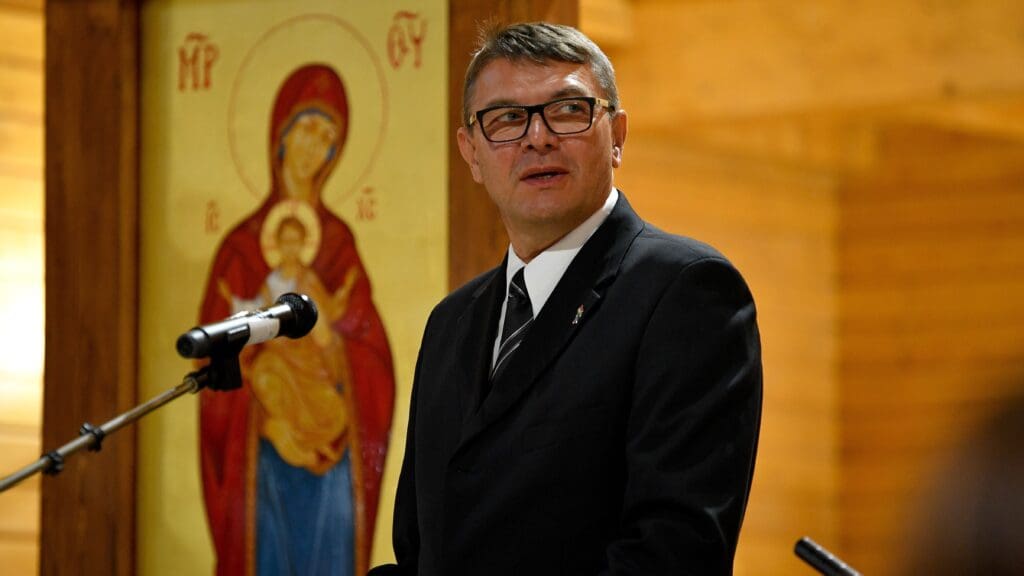
Answering the call of the representatives of Orthodox communities, Hungary recognised that the Russian Orthodox Church has some 100 million members worldwide, and the sanctioning of its leader would isolate religious people from their spiritual leader. The Patriarch is regularly prayed for and commemorated during church services in Hungary, too, as it is home to a Hungarian Orthodox community under the Moscow Patriarchate.
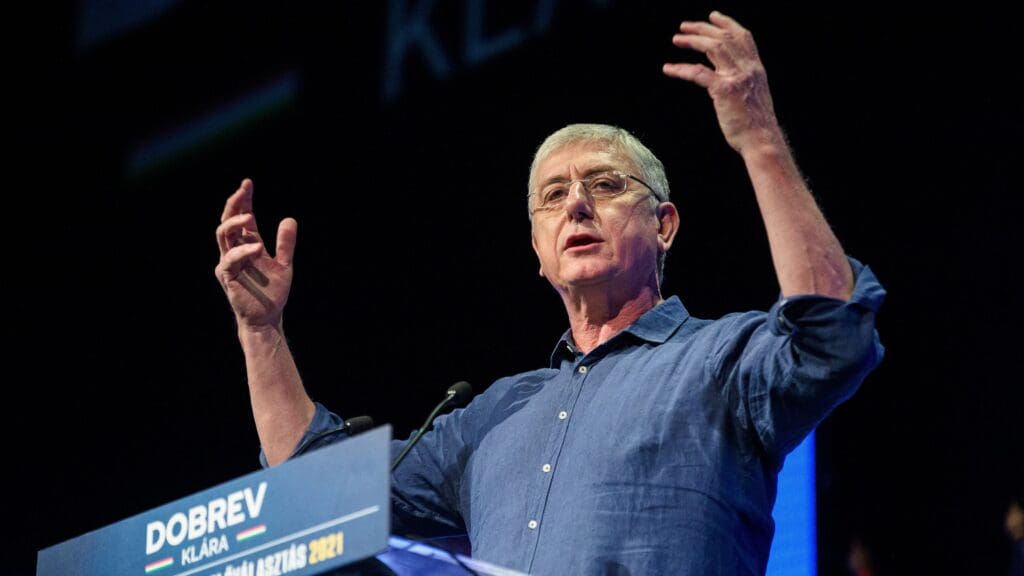
It remains to be seen, however, if this desperate craving for attention, and the aggressive and violent actions that some of the opposition forces engage in are appealing to the Hungarian electorate. It is more likely that meaningful, constructive actions, and a comprehensive and relevant political agenda would benefit these opposition parties more than any of the stunts they have been recently engaging in.
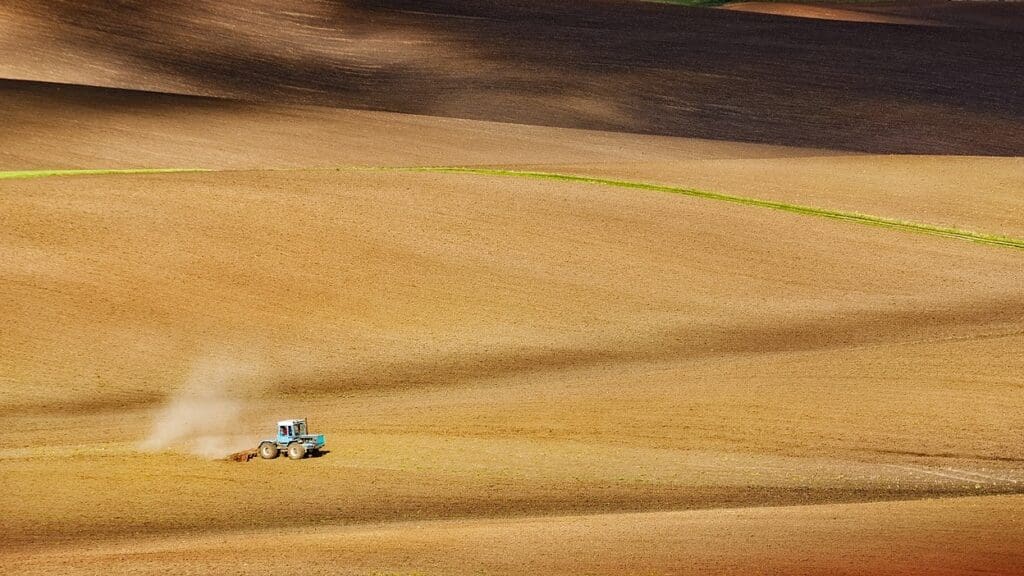
Four Central European countries, Poland, Hungary, Slovakia, and Bulgaria, have announced bans on foodstuff imports coming from Ukraine. Meanwhile, Romania has joined them in demanding action from the EU to address these concerns. The five countries are estimated to have lost 417 million EUR combined due to cheap Ukrainian food imports.
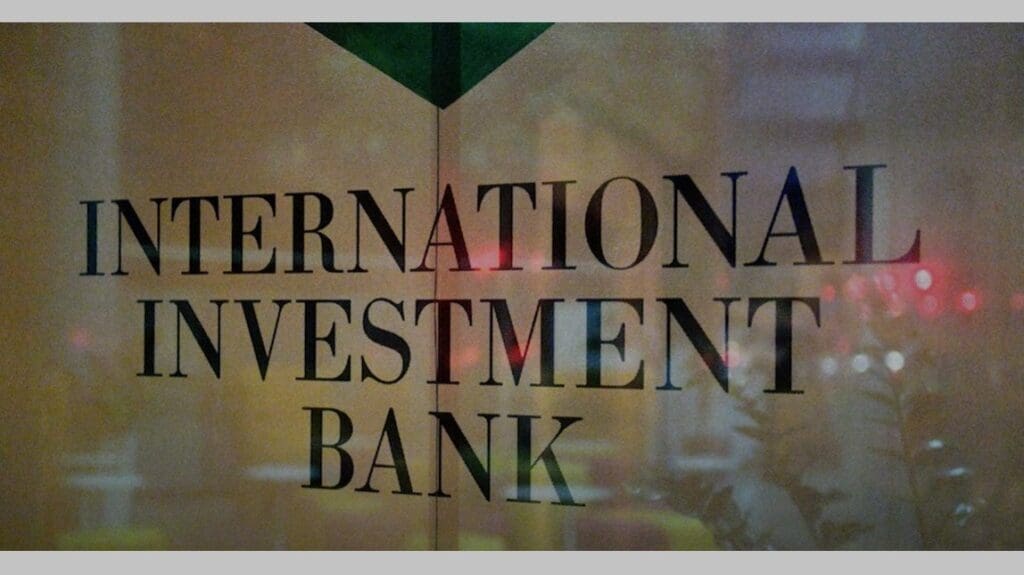
Hungary has recently announced that it is leaving the International Investment Bank, soon after the US Treasury imposed sanctions on the IIB and its leadership. But what is the story behind this controversial financial institution and what led to its demise?
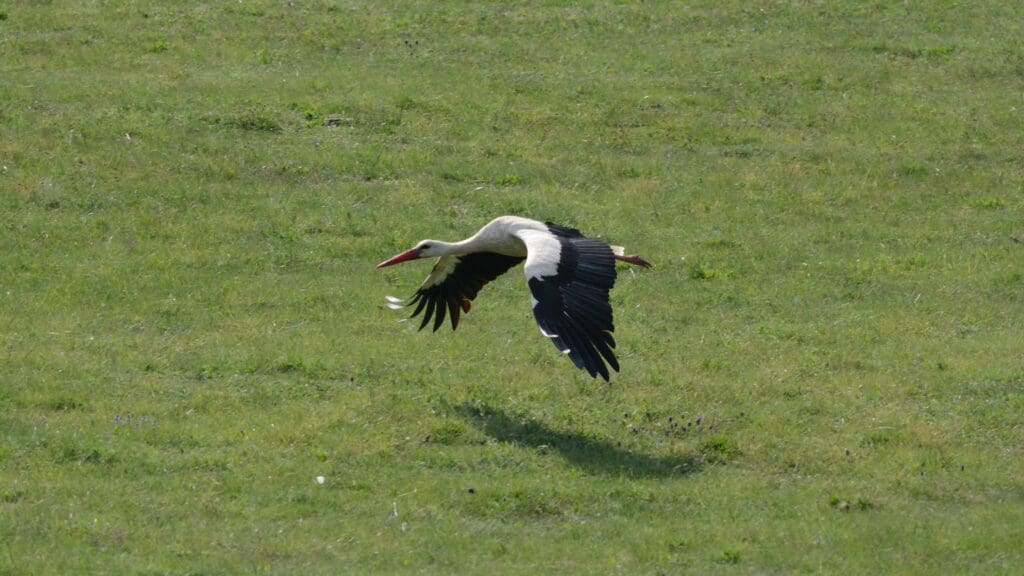
Every year, storks make a long and perilous journey from their wintering grounds in Africa back to their breeding grounds in Central Europe and Asia, and in the Hungarian culture, their return in spring is always a cause for celebration.
Traditional Hungarian drinks range from the bittersweet Unicum and the fizzy fröccs to the Hungarian lager Dreher and the sparkling Törley. Some of the iconic brands were created by distinguished families, whose legacy lives on, even if the companies manufacturing the drinks they created do not necessarily belong to those dynasties any more.
For over a thousand years, Hungarians and Rusyns have lived peacefully together. This shared history offers important lesson of cooperation and mutual respect.
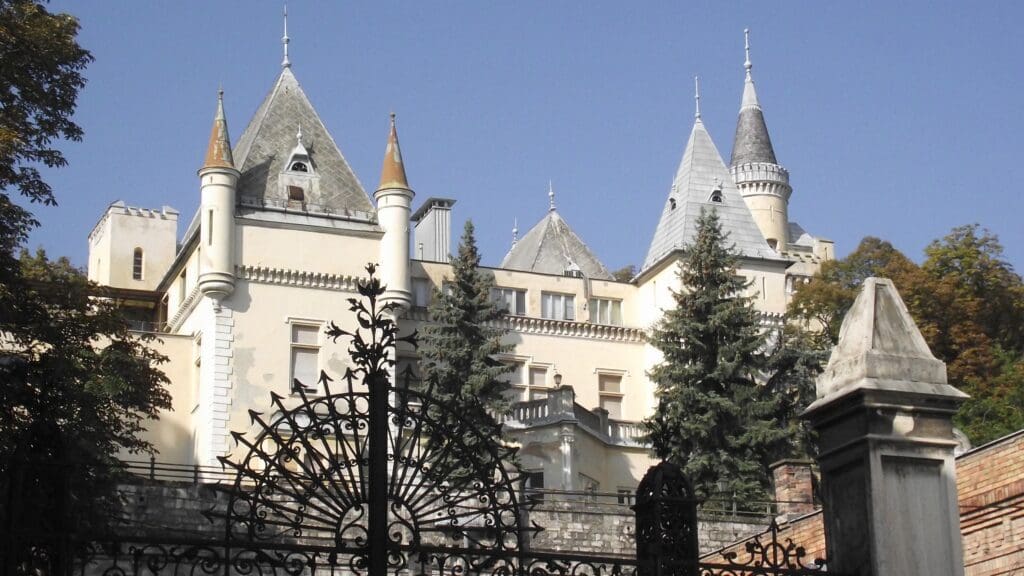
The International Day of Monuments and Sites, celebrated annually on this day, is dedicated to appreciating the cultural heritage around us, as well as raising awareness about the need to maintain and safeguard our built environment.
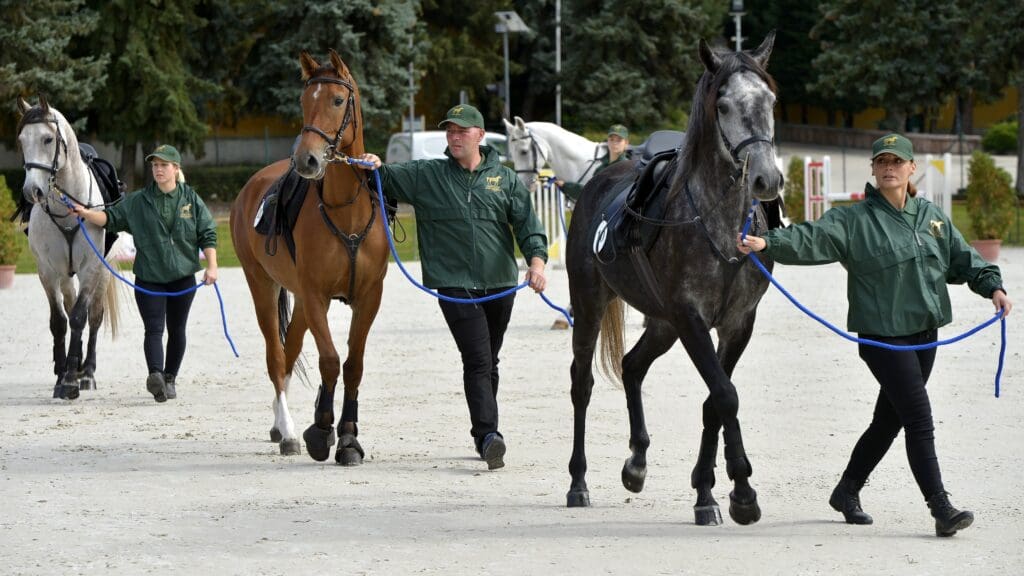
While there are only two cold-blooded horses that originate from historical Hungary, there are several warmbloods. Of the Hungarian warmblood horses, the most famous one is probably the Hucul pony, also known as the Carpathian pony. This breed is a direct descendant of wild horses.

At a time when public debate is increasingly polarized and superficial, Hungarian Conservative remains committed to depth and independent thought.
Donate Now
Please consider supporting our mission.