

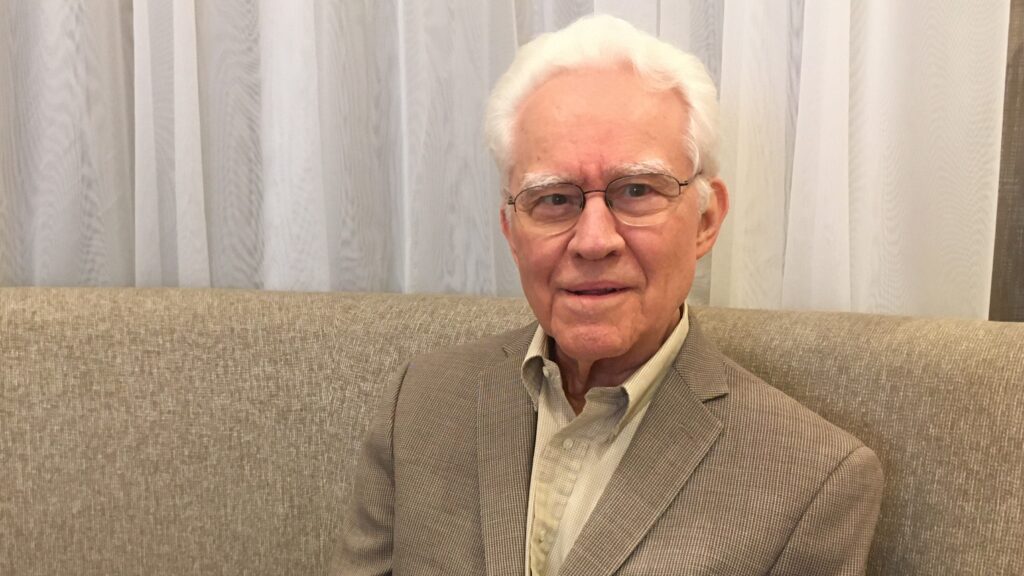
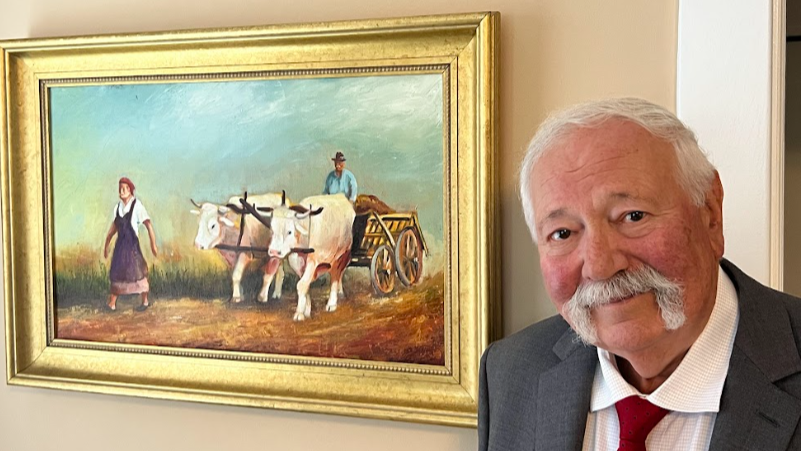
In October 1951, Zoltán Vasvári, a.k.a. ‘Zolibá’, a former Hungarian military officer, gathered the sons of many Hungarian families in his New York apartment to introduce them to Hungarian scouting. Viktor Fischer joined the first patrol in the spring of 1952, and, as he puts it, ‘the scout bug has remained’ in him ever since. A conversation about a long and fruitful life, dedicated to teaching and to the Hungarian American community of the New York area.
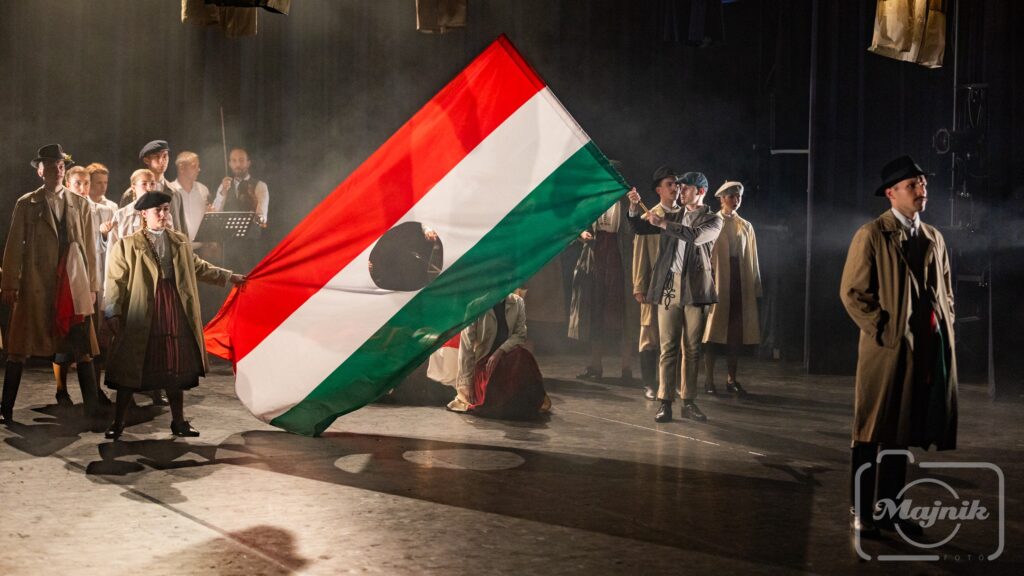
Vadrózsa Dance Ensemble is the most prominent non-professional folk dance ensemble in Hungary. With 40 dancers and five musicians, the main mission of their American tour, which included five stops (New York, Washington, DC, Cleveland, Boston, and New Brunswick) was to showcase the diversity and virtuosity of the Carpathian Basin’s folklore through a fresh, youthful approach.
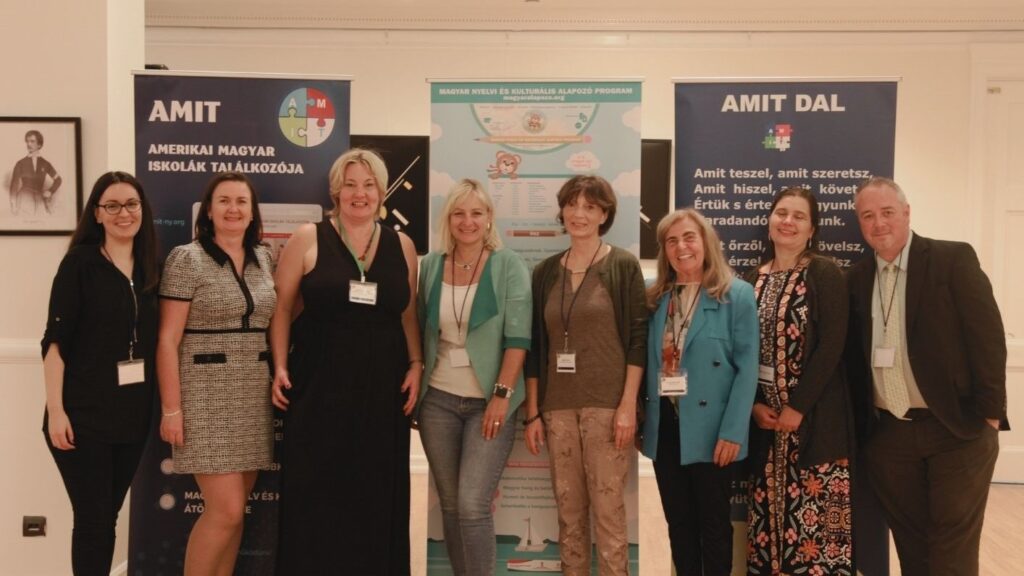
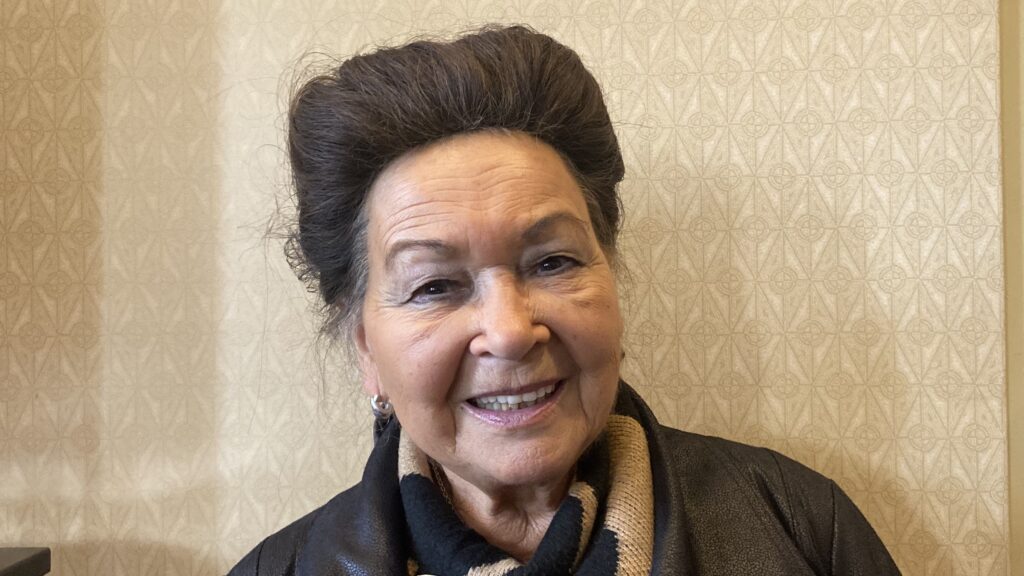
An in-depth interview with Katalin Petreczky, originally a German teacher, who, after moving to the United States, first led an international playgroup and preschool, then through her children became involved in the life of the Hungarian community by becoming the principal of the Arany János Hungarian School and by co-founding and leading the American Hungarian Schools’ Association.
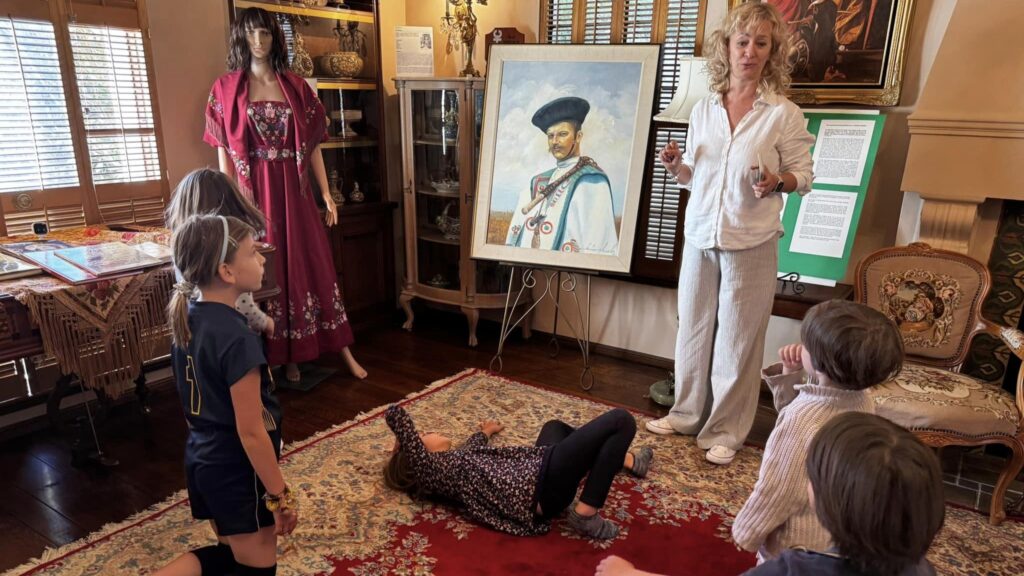
The online conference presenting the varied and numerous activities of the organizations of the Hungarian American community in North California was held on 25 October, following up on the first part of the event that took place on 27 September.
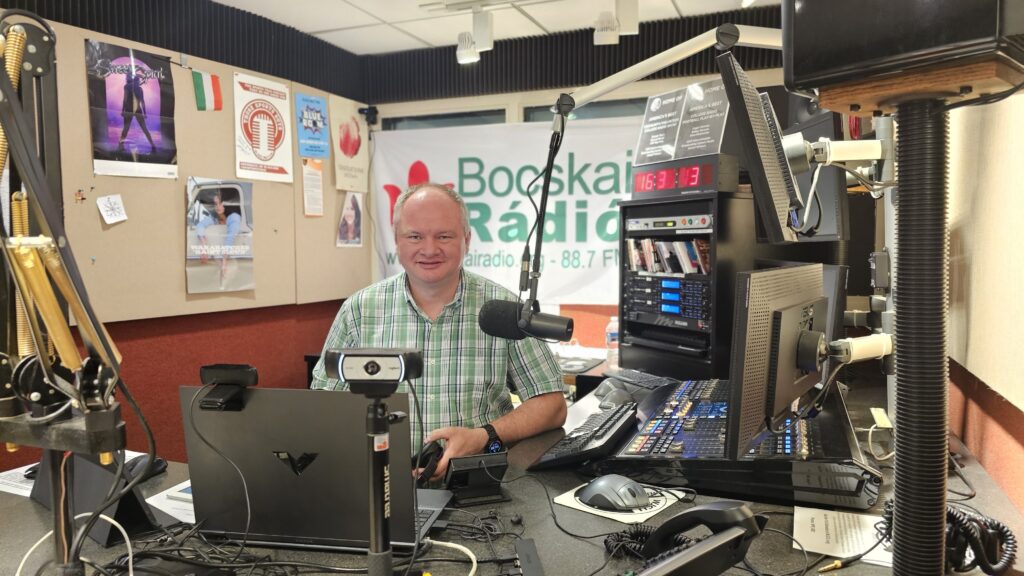
An in-depth interview with Zsolt Molnár, who emigrated from Transylvania, Romania to the United States, where he ran a successful business until a tragic accident happened. He fell from a roof and broke his spine, after which he had to find a new occupation: he ended up taking over the Bocskai Radio in Cleveland, Ohio, which he turned into a radio station for the local Hungarian community.
‘The diaspora mentality finds the meaning of Hungarian identity in the traditional folk values and advocates these throughout the world. It doesn’t isolate itself either from the world or from present-day Hungary but nurtures contacts with both; builds and maintains relationships everywhere. The idea of a “borderless homeland” means “Wherever there is a Hungarian, there is Hungary.”’
‘Family, school, church, scouting. The combination of these four elements is the only way the Hungarian diaspora can survive in North America. Despite the lack of a perceivable enemy today, we give up ourselves,’ 1956er Gyula Varga, former principal of the Széchenyi Hungarian School and Kindergarten in New Brunswick and an active scout, said in an in-depth interview.
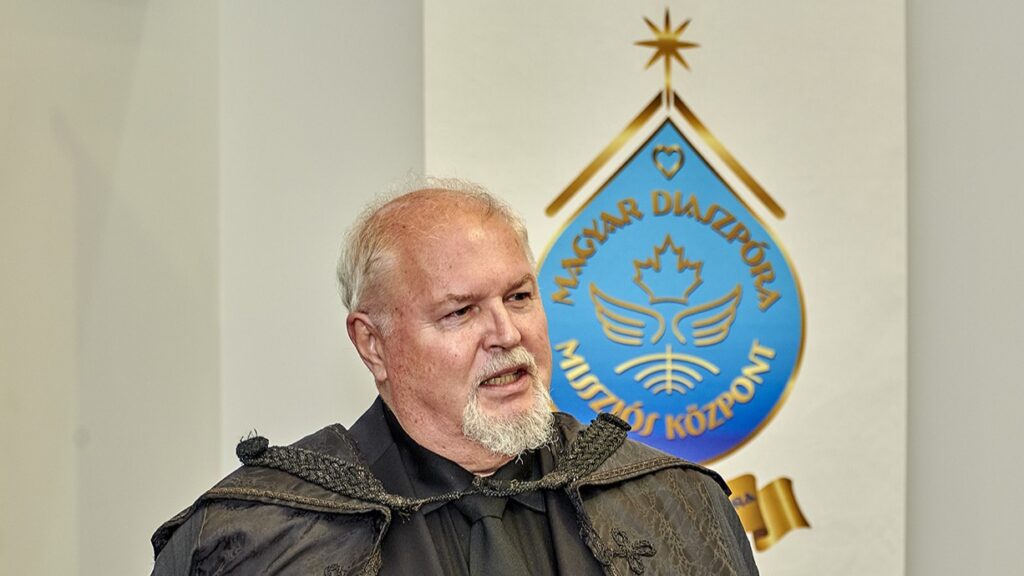
An in-depth interview with Zoltán Vass, son of a Transylvanian minister, who emigrated from Transylvania, Romania to America, initially to New York, then Hollywood, ultimately settling in Toronto 29 years ago as the minister of the First Hungarian Reformed Church. He also serves on the Board of the Hungarian Diaspora Council.
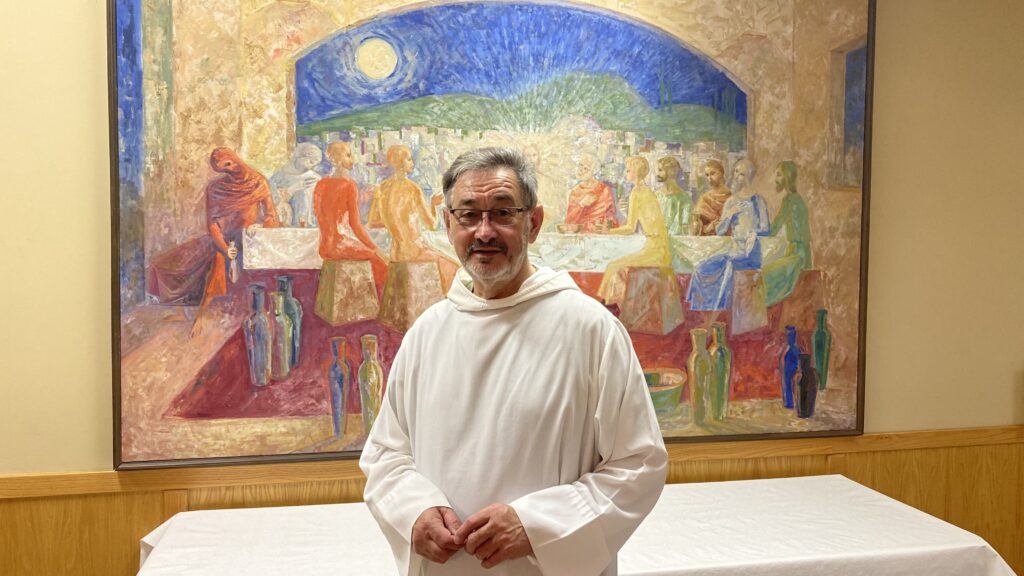
An in-depth interview with Franciscan Friar Barnabás G. Kiss, Pastor of the Hungarian Parish in Detroit, who has been serving in the U.S. for 40 years. While trying to keep various church communities alive in the Great Lakes region, he also strives to keep the Hungarian priests in the North American diaspora together and advocate their cause.
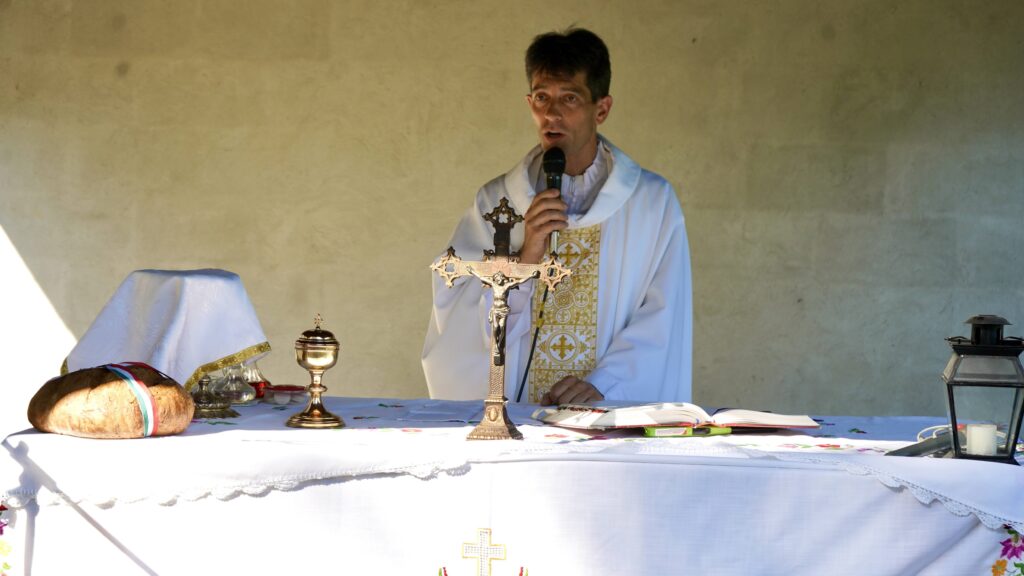
Father Imre serves a congregation that has many elderly Hungarian parishioners who look to him not only for their spiritual but also logistical needs. He also helps the local Hungarian institutions by baking and cooking meals as well as with the coordination of events of the Hungarian community. Father Imre also caters to a Hispanic community, so he celebrates Mass in three languages.

At a time when public debate is increasingly polarized and superficial, Hungarian Conservative remains committed to depth and independent thought.
Donate Now
Please consider supporting our mission.